Source Heart Cut Natural Stone Earphones with Ear Clips for DJ, Mobile, Computer
Find 30 listings of Heart Cut Natural Stone Earphones with Ear Clips featuring styles like ear hooks and in-ear designs. Buyers can compare specifications including battery capacity, charging time, and connectivity options such as Bluetooth and USB for mobile phones, computers, and portable media players.
Key considerations
Products List







Comprehensive Sourcing Guide
Strategic Sourcing Guide for Heart Cut Natural Stone Earphones with Ear Clips
The procurement of specialized audio accessories, specifically those combining aesthetic natural stone elements with functional ear clip designs, requires a nuanced understanding of both material science and wireless technology integration. When sourcing "Heart Cut Natural Stone Earphones with Ear Clips," buyers must navigate a complex landscape where decorative attributes intersect with rigorous performance specifications. The market offers a diverse array of products ranging from basic in-ear monitors to advanced wireless headsets, yet the specific combination of heart-cut gemstones and secure ear-clip mechanisms demands a targeted verification process. This guide outlines the critical technical, compliance, and operational factors necessary for a successful B2B procurement strategy in this niche category.
Technical Specifications and Material Composition
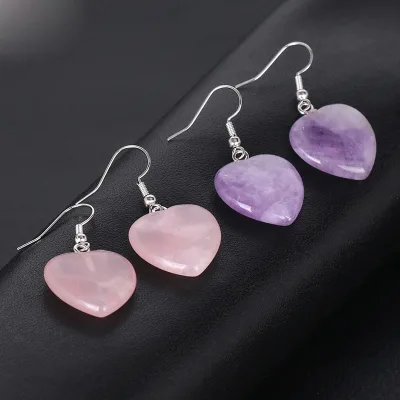
The core of the product inquiry lies in the intersection of physical design and electronic functionality. Products in this category often feature distinct aesthetic variations, including colors such as blue turquoise, green aventurine, rose quartz, amethyst, clean quartz, tiger eyes, opalite, red sandstone, and blue sandstone. These natural stone elements are frequently integrated into the housing or ear clip structure to provide a unique visual identity. However, the physical dimensions of these components are critical for user comfort and device compatibility. Observed specifications indicate a standard form factor of 40207mm, which suggests a compact design suitable for wearable applications.
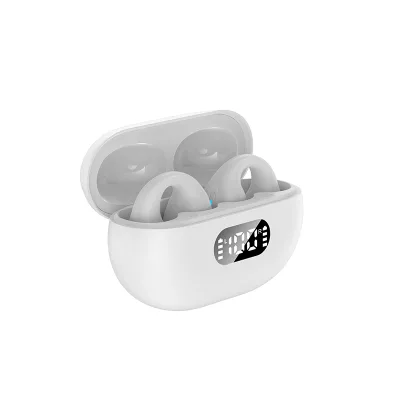
Functionality is equally paramount. The target products are defined by their wireless communication capabilities, utilizing Bluetooth technology as the primary interface. The distance version is typically classified as Class A or Class B, which dictates the effective range and power consumption of the device. Users should verify that the product supports A2DP (Advanced Audio Distribution Profile) for high-quality audio streaming, often described as HiFi or Dual Track sound. The battery architecture is a significant differentiator in this sector. Some models feature a dedicated charging box with a 300mAh capacity, while the earbuds themselves may house 40mAh batteries. Standby times can vary significantly, with some units offering up to 180 hours, while others provide 60 hours. Music playback time is generally cited around 7 hours, with talking time ranging between 4 to 6 hours depending on the specific model and usage conditions.
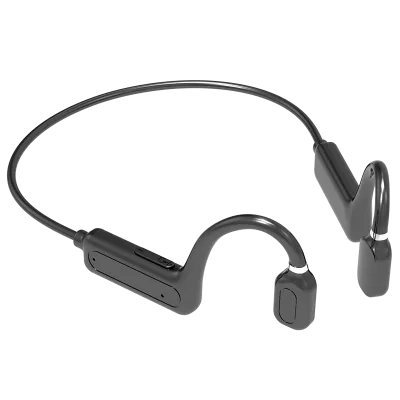
The physical connection methods also vary. While the primary mode is wireless, some units include USB connectivity options or specific jack types for charging. The wire material used in the construction, particularly for any internal cabling or charging cords, is often Polyurethane (PU), chosen for its durability and flexibility. The style of the earphone is predominantly "Ear Hook" or "In-ear," designed to ensure a secure fit during movement, which is essential for the "ear clip" functionality implied in the search keyword.
Compliance and Certification Verification
In the B2B electronics sector, compliance is not merely a formality but a prerequisite for market access. When sourcing wireless audio devices, buyers must rigorously verify that the products meet international safety and electromagnetic standards. The supplied data indicates that certain models carry CE, RoHS, and FCC certifications. These are non-negotiable for selling in the European Union, China, and North America, respectively.
Buyers must explicitly request valid certification documents for the specific batch being ordered. The CE mark confirms conformity with health, safety, and environmental protection standards for products sold within the European Economic Area. RoHS compliance ensures that the device does not contain restricted hazardous substances, which is critical for environmental regulations. FCC certification is mandatory for electronic devices sold in the United States to ensure they do not cause harmful interference to radio communications.
Furthermore, the origin of the product plays a role in compliance. Many of these devices originate from Shenzhen, China, a major hub for electronics manufacturing. While this location offers supply chain efficiency, it necessitates a deeper dive into the factory's quality management systems. Buyers should verify that the supplier's production line adheres to the standards required for the specific target markets. The presence of a "Gift Box Packing" option versus "Carton Packing" may also influence the perceived value and compliance with retail packaging regulations in different regions.
Cost Drivers and Pricing Dynamics
The pricing structure for heart cut natural stone earphones is influenced by several variables, including the authenticity of the stone materials, the complexity of the wireless integration, and the volume of the order. The observed price range in the market spans from $0.79 to $58 USD, reflecting a vast disparity in quality and feature sets. Lower-priced units often utilize synthetic or treated stones and basic Bluetooth chips, while higher-priced models may feature genuine natural stones and advanced noise-cancelling features.
The Minimum Order Quantity (MOQ) is another critical cost driver. The observed MOQ range is 1 to 1000 units. For small businesses or startups, an MOQ of 1 allows for sampling and market testing, whereas larger enterprises may negotiate lower unit costs by ordering closer to the 1000-unit threshold. Customization is a significant factor in pricing. The availability of customization options, such as branding or specific color combinations of the natural stones, will typically increase the unit cost and potentially extend the lead time.
Additionally, the battery capacity and charging technology impact the final price. Units with larger battery capacities, such as those exceeding 5000mAh for the charging case, or those featuring fast charging capabilities (1-2 hours), command a premium. The inclusion of additional features like noise-cancelling, waterproofing, or infrared functionality also adds to the manufacturing complexity and cost. Buyers should analyze the total cost of ownership, including shipping, duties, and potential returns, rather than focusing solely on the unit price.
Typical Applications and Usage Scenarios
The versatility of these earphones makes them suitable for a wide range of applications. The primary usage scenarios include mobile phones, computers, portable media players, and DJ equipment. The "ear clip" design is particularly advantageous for users who require a secure fit during physical activities, making them ideal for sports, running, or gym workouts. The wireless nature of the device eliminates cable clutter, enhancing mobility.
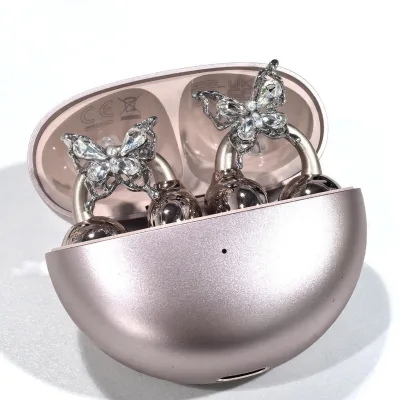
Specific models are designed for specialized environments. For instance, certain units are marketed for use in call centers, aviation, and DJ settings, where clear audio transmission and noise isolation are critical. The "Yn-4 Headphone Sleeping Headband" variant suggests a niche application for users seeking audio solutions for sleep or relaxation, highlighting the adaptability of the technology. The "Butterfly ear clip headphones" and "T12 AI" models indicate a trend toward specialized form factors that cater to specific user preferences, such as comfort during extended wear or advanced AI integration.
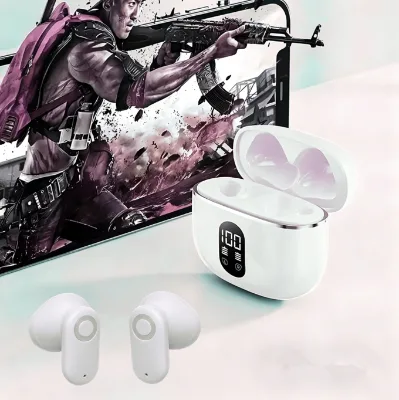
The power display feature is another notable aspect, allowing users to monitor battery levels accurately, which is essential for professional users who cannot afford unexpected power loss during critical tasks. The ability to connect to multiple devices, such as MP3 and MPGame players, further expands the utility of these earphones beyond simple smartphone connectivity.
Supplier Evaluation and Quality Control
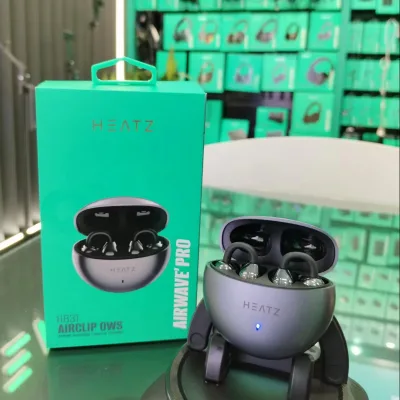
Selecting the right supplier is the most critical step in the procurement process. Buyers should prioritize suppliers who demonstrate transparency in their manufacturing processes and provide clear documentation of their quality control measures. The presence of a specific product model number, such as DW-EP-4-4, K521, T12, or K500, allows for precise tracking and verification of the product specifications.
Quality control should focus on several key areas. First, the integrity of the natural stone components must be verified to ensure they are not merely painted plastic. Second, the wireless connectivity must be tested for stability and range, ensuring the Class A or Class B distance version performs as advertised. Third, the battery life and charging efficiency should be validated through independent testing. The charging voltage of 3.7V and input voltage of 5V are standard parameters that should be consistent across the batch.
Buyers should also evaluate the supplier's ability to handle customization requests. The availability of customization suggests a flexible manufacturing process, but it requires clear communication to ensure the final product meets the buyer's specifications. The packing method, whether by carton or in a gift box, should be consistent and protective to prevent damage during transit.
Long-Term Procurement Considerations
Sourcing in this category requires a long-term perspective that extends beyond the initial order. Buyers should consider the availability of replacement parts, such as charging cables or ear tips, to ensure the longevity of the product line. The standardization of the charging voltage and input voltage across different models can simplify the supply chain and reduce inventory costs.
Furthermore, the evolving nature of wireless technology means that buyers should stay informed about updates to Bluetooth standards and battery technologies. The ability of the supplier to adapt to these changes will be crucial for maintaining a competitive edge. The observed lead times and production capacities should be factored into the procurement plan to avoid stockouts during peak demand periods.
Finally, the environmental impact of the product should be considered. The use of natural stones and the compliance with RoHS standards indicate a commitment to sustainability, but buyers should verify the sourcing of these materials to ensure ethical practices. By focusing on these long-term factors, buyers can build a resilient supply chain that delivers high-quality, compliant, and innovative audio products to their customers.
Comparative Analysis of Key Product Attributes
To facilitate decision-making, the following table summarizes the key attributes observed in the market for Heart Cut Natural Stone Earphones with Ear Clips. This comparison highlights the variations in specifications that buyers should consider when selecting a supplier.
| Attribute Category | Specific Observation | Variability Notes |
|---|---|---|
| Material & Color | Natural stones (Turquoise, Quartz, etc.) | Colors vary widely; authenticity must be verified. |
| Form Factor | Ear Hook, In-ear, Ear Clip | Dimensions typically 40207mm. |
| Connectivity | Wireless (Bluetooth Class A/B) | Some models include USB or RF/Infrared. |
| Battery Specs | Earbuds: 40mAh; Case: 300mAh | Standby up to 180h; Music time ~7h. |
| Certifications | CE, RoHS, FCC | Must be verified per batch and region. |
| Customization | Available | Affects MOQ and lead time. |
| Origin | China (Shenzhen) | Standard for this product category. |
By adhering to these guidelines and maintaining a rigorous approach to verification, buyers can successfully navigate the complexities of sourcing Heart Cut Natural Stone Earphones with Ear Clips, ensuring a product that meets both aesthetic and functional expectations.
FAQs
What certifications do Heart Cut Natural Stone Earphones with Ear Clips have?
Some models carry CE, RoHS, and FCC certifications for international compliance. Buyers must verify valid documents for the specific batch to ensure conformity with safety standards in the European Union, China, and North America before placing orders.
Which battery capacities are available for these wireless earphones?
Earbuds typically house 40mAh batteries while charging boxes may contain 300mAh capacity. Some units feature larger capacities exceeding 5000mAh, offering extended standby times up to 180 hours or music playback around 7 hours depending on the specific model.
How can I customize the color of natural stone earphones?
Customization is available for various natural stone colors like blue turquoise, green aventurine, and rose quartz. Buyers should confirm specific color combinations and branding requirements with the supplier, as this may affect unit cost and production lead times.
What is the standard size for these ear clip headphones?
The standard form factor is 40*20*7mm, designed for compact and comfortable wearable applications. This dimension ensures the device fits securely in the ear while maintaining the aesthetic appeal of the integrated natural stone elements for daily use.
Can these earphones be used for aviation and call centers?
Yes, specific models are designed for usage in call centers, aviation, and DJ settings. These units support clear audio transmission and noise isolation, making them suitable for professional environments requiring reliable wireless communication and multimedia functionality.
What is the minimum order quantity for sourcing these products?
The observed minimum order quantity ranges from 1 to 1000 units depending on the supplier. Small businesses can start with an MOQ of 1 for sampling, while larger enterprises may negotiate better pricing by ordering closer to the 1000-unit threshold.
Where are these wireless earphones typically manufactured?
Many of these devices originate from Shenzhen, China, a major hub for electronics manufacturing. Buyers should verify the factory's quality management systems and ensure production lines adhere to the required standards for their specific target markets.