Source Heart Link Chain Necklace for Gifts, Decor, and Collections
Compare 30 Heart Link Chain Necklace options from verified suppliers. Buyers can evaluate materials like 925 sterling silver and alloy, plating finishes, and customization services for decoration, gifts, and collection purposes; compare the available evidence and request quotations based on your requirements.
Key considerations
Products List


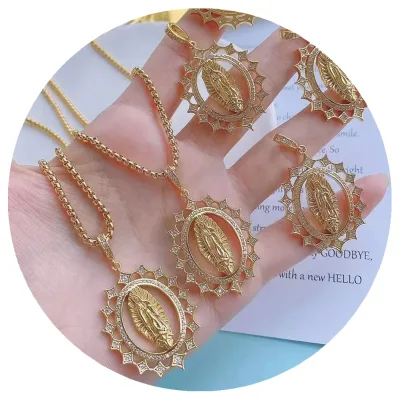


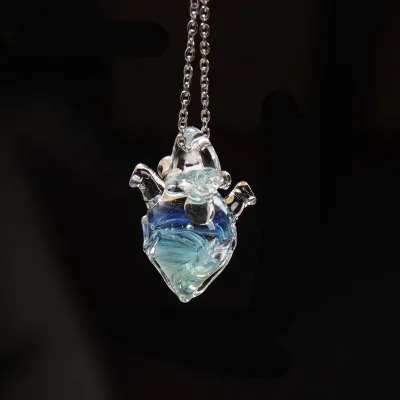
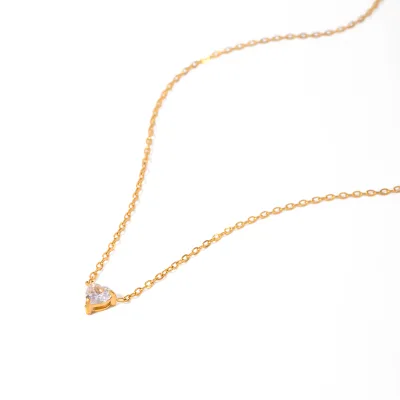


Comprehensive Sourcing Guide
Heart Link Chain Necklace Sourcing Guide
Sourcing heart link chain necklaces requires a nuanced understanding of the diverse material options and manufacturing processes available in the global market. Buyers must navigate a landscape where products range from high-end 925 sterling silver pieces to more accessible alloy and stainless steel alternatives. The core keyword suggests a specific aesthetic, but the actual supply chain offers significant variation in plating, stamping, and pendant shapes. For instance, observed listings include items with rhodium, rose gold, or black plating, as well as those featuring circle or charm pendants. This diversity means that a single sourcing strategy cannot cover all potential inventory types. Procurement teams need to define their target segment clearly, whether it is luxury fashion, religious accessories, or general decorative gifts, to filter the vast array of available SKUs effectively.
The manufacturing origin and customization capabilities are critical factors that influence both product quality and supply chain flexibility. Most observed products originate from Guangzhou, China, a hub known for its robust jewelry manufacturing ecosystem. Suppliers frequently offer OEM and ODM services, allowing brands to tailor designs to their specific market needs. Customization options extend to stamping, where buyers can request specific hallmarks like 925 or other customer-required marks. Additionally, the processing methods vary, with casting and electroplating being common techniques. Understanding these technical distinctions is vital for ensuring that the final product meets the brand’s quality standards. Buyers should also consider the packaging requirements, as options range from simple OPP bags to stronger cartons, which can impact both cost and sustainability goals.
Product Scope and Observed Listing Signals
The product scope for heart link chain necklaces is broad, encompassing various materials, styles, and target demographics. Observed listings indicate that these necklaces are suitable for females, males, and even children, highlighting their versatility as universal accessories. The style ranges from simple to elegant, catering to different fashion preferences and occasions such as anniversaries, engagements, parties, and weddings. This wide applicability suggests that buyers can source these items for multiple market segments simultaneously. However, the diversity also means that quality control must be rigorous to ensure consistency across different product lines. Buyers should pay close attention to the specific attributes of each SKU, such as the pendant shape, plating type, and material composition, to align with their brand identity and customer expectations.
Listing signals reveal significant variations in pricing, minimum order quantities (MOQ), and delivery times, which are crucial for commercial planning. The observed price range spans from $0.62 to $20.18 USD, reflecting the disparity between alloy and precious metal options. MOQs vary widely, from as low as 1 piece to 500 pieces, with some specific items requiring a minimum of 30 pieces. This flexibility allows buyers to test the market with small orders or commit to larger volumes for better economies of scale. Delivery times also differ, with some suppliers offering lead times within three days, while others require 30-40 days for production. These variations necessitate careful inventory management and supplier selection to ensure timely delivery and meet customer demand without overstocking.
Technical Specifications to Verify
Verifying technical specifications is essential to ensure that the heart link chain necklaces meet the required quality and design standards. Key attributes to verify include the material composition, such as 925 sterling silver, alloy, or stainless steel, which directly impacts durability and value. The plating options, including rhodium, rose gold, yellow gold, and black, should be checked for thickness and adherence to prevent tarnishing or peeling. Additionally, the stamping, such as 925 or other customer-required marks, must be accurate and legible to maintain brand integrity. The pendant shape, whether circle or charm, and the overall geometry of the necklace should be inspected for symmetry and finish quality. These details are critical for ensuring that the product aligns with the brand’s aesthetic and functional requirements.
Length and packaging specifications are also important technical considerations that affect both product presentation and logistics. The observed length of 45cm is a common standard, but buyers should confirm if this fits their target demographic’s preferences. Packaging options, such as OPP bags or strong cartons, should be evaluated for their protective qualities and sustainability. Some suppliers offer customized packing solutions, which can be beneficial for branding purposes. Furthermore, the fabrication processing methods, including casting and electroplating, should be assessed for their impact on the final product’s quality. Buyers should request samples to physically inspect these specifications before placing large orders, ensuring that the technical details match the agreed-upon standards and expectations.
Compliance and Safety Documentation
Compliance and safety documentation are paramount when sourcing heart link chain necklaces, especially for markets with strict regulatory requirements. Buyers should verify that suppliers hold relevant certifications, such as SGS, which indicates adherence to quality and safety standards. These certifications provide assurance that the materials used, particularly in plating and metal composition, are safe for consumer use. For products intended for children or sensitive skin, additional testing for nickel content and other allergens may be necessary. Buyers should request test reports and certificates of compliance from suppliers to ensure that the products meet international safety regulations. This due diligence helps mitigate the risk of product recalls and legal liabilities, protecting the brand’s reputation and customer trust.
In addition to certifications, buyers should ensure that suppliers provide clear documentation regarding the origin and standard of the materials used. The observed products originate from China, and buyers should verify that the supply chain is transparent and ethical. Documentation should include details about the manufacturing process, including any environmental considerations or labor practices. For products with specific standards, such as those marked with 30g, buyers should confirm that the weight and material density meet the stated specifications. Clear and comprehensive documentation not only ensures compliance but also facilitates smoother customs clearance and reduces the risk of delays. Buyers should maintain a record of all compliance documents for each batch of products to ensure traceability and accountability throughout the supply chain.
Cost Drivers and Commercial Terms
Cost drivers for heart link chain necklaces include material costs, manufacturing complexity, and customization requirements. Precious metals like 925 sterling silver and gold plating significantly increase the base cost compared to alloy or stainless steel options. The complexity of the design, such as intricate casting or multiple plating layers, also adds to the production cost. Customization, including specific stamping, packaging, and OEM/ODM services, further influences the final price. Buyers should negotiate these factors carefully to achieve a competitive cost structure without compromising quality. Understanding the cost breakdown helps in making informed decisions about which products to source and how to price them for the end market.
Commercial terms, including payment methods, shipment options, and lead times, are critical for managing cash flow and supply chain efficiency. Observed payment methods include PayPal, Western Union, and T/T, each with its own implications for security and convenience. Shipment options like DHL, TNT, UPS, FedEx, and Epacket offer varying speeds and costs, allowing buyers to choose based on urgency and budget. Lead times can range from within three days to 30-40 days, depending on the product complexity and supplier capacity. Buyers should align these terms with their inventory planning and customer delivery expectations. Clear communication of commercial terms with suppliers ensures transparency and helps avoid misunderstandings that could disrupt the supply chain.
Supplier Qualification and Quality Control
Supplier qualification is a critical step in ensuring the reliability and quality of heart link chain necklaces. Buyers should assess suppliers based on their production capabilities, quality control processes, and track record. Suppliers offering OEM/ODM services should be evaluated for their ability to meet specific design and branding requirements. Quality control measures, such as in-process inspections and final product checks, should be verified to ensure consistency. Buyers should request samples to evaluate the craftsmanship, material quality, and finish of the products. Additionally, suppliers’ adherence to standards like SGS should be confirmed through documentation and audits. A thorough qualification process helps identify suppliers who can consistently deliver high-quality products that meet the brand’s standards.
Ongoing quality control is essential to maintain product integrity throughout the production and delivery process. Buyers should implement a robust quality assurance plan that includes random sampling and inspection of incoming goods. This plan should cover all critical attributes, such as material composition, plating quality, stamping accuracy, and packaging integrity. Any deviations from the agreed-upon specifications should be addressed immediately with the supplier. Regular communication and feedback loops with suppliers help identify and resolve quality issues proactively. Buyers should also consider third-party inspection services for large orders to ensure an unbiased assessment of product quality. Effective quality control not only protects the brand’s reputation but also reduces the risk of customer complaints and returns.
Long-Term Procurement Checks
Long-term procurement checks involve continuous monitoring of supplier performance and market trends to ensure sustained value and quality. Buyers should regularly review supplier metrics, such as on-time delivery rates, defect rates, and responsiveness to issues. These metrics provide insights into the supplier’s reliability and help identify areas for improvement. Additionally, buyers should stay informed about market trends, including changes in material costs, design preferences, and regulatory requirements. This awareness allows for proactive adjustments to sourcing strategies and product offerings. Regular supplier audits and performance reviews help maintain high standards and foster a collaborative relationship with suppliers. Long-term checks ensure that the sourcing strategy remains aligned with the brand’s goals and market demands.
Sustainability and ethical sourcing are increasingly important considerations for long-term procurement. Buyers should evaluate suppliers’ environmental practices and labor standards to ensure alignment with corporate social responsibility goals. This includes assessing the use of sustainable materials, energy-efficient manufacturing processes, and fair labor practices. Buyers should also consider the end-of-life impact of the products, such as recyclability and packaging waste. By prioritizing sustainability, brands can enhance their reputation and appeal to environmentally conscious consumers. Long-term procurement checks should include regular assessments of these factors to ensure continuous improvement. This holistic approach to sourcing not only mitigates risks but also contributes to the brand’s long-term success and positive impact on society.
FAQs
What materials are used for heart link chain necklaces?
Heart link chain necklaces are crafted from various materials including 925 sterling silver, alloy, and stainless steel. Sterling silver options often feature rhodium, rose gold, yellow gold, or black plating with 925 stamps. Alloy versions may use platinum or silver plating, while stainless steel provides a durable fashion finish suitable for daily wear and decoration.
Can I customize the Heart Link Chain Necklace design?
Yes, customization is available for heart link chain necklaces through OEM and ODM services. Buyers can request specific sizes, shapes, and plating colors. The product origin is Guangzhou, China, and packaging can be tailored to customer requirements using OPP bags or strong cartons. This flexibility supports unique branding and specific aesthetic preferences for gifts or collections.
What is the typical lead time for heart link chain necklaces?
Lead times vary by supplier and order specifics. Some manufacturers offer delivery within three days for certain items, while others require thirty to forty days for casting and electroplating processes. Buyers should confirm exact timelines based on the chosen material, plating complexity, and order volume to ensure timely delivery for occasions like weddings, engagements, or corporate gifts.
Which certifications are available for heart link chain necklaces?
Heart link chain necklaces can be supplied with SGS certification to ensure quality and safety standards. This certification is particularly relevant for sterling silver and plated items sold in international markets. Buyers seeking verified materials and ethical production practices should request SGS documentation from suppliers to confirm compliance with industry standards and build trust with end consumers.
What is the minimum order quantity for heart link chain necklaces?
Minimum order quantities for heart link chain necklaces typically range from one to five hundred pieces, with some suppliers setting a baseline of thirty pieces. This flexibility allows both small businesses and large retailers to place orders that fit their inventory needs. Buyers should verify the specific MOQ with each supplier to align with their budget and distribution strategy.
How are heart link chain necklaces packaged for shipment?
Heart link chain necklaces are commonly packaged in individual OPP bags for protection and display. For bulk orders, strong cartons are used to ensure safe transit. Packaging can be customized according to customer requirements, allowing brands to include their own labels or inserts. This approach maintains product integrity during shipping via carriers like DHL, UPS, or FedEx.