Source Heart Pendant Necklaces for Fashion, Gifts, and Religious Use
Explore 30 Heart Pendant Necklaces available for sourcing. Compare options in alloy, stainless steel, and silver plating. Find suitable pieces for female fashion, daily wear, and religious decoration with adjustable lengths and high-quality finishes; compare the available evidence and request quotations based on your requirements.
Key considerations
Products List


Comprehensive Sourcing Guide
Heart Pendant Necklaces Sourcing Guide
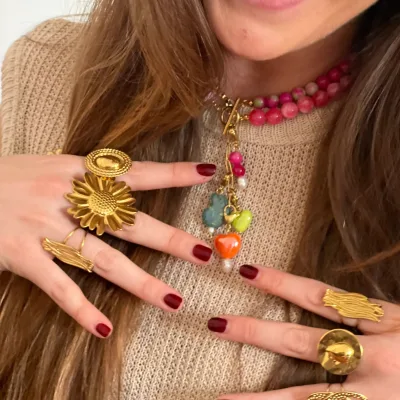
The market for Heart Pendant Necklaces presents a diverse array of options ranging from simple alloy pendants to surgical steel lockets designed for sensitive skin. Buyers observe listings featuring specific color variations like green, orange, blue, and yellow hearts, alongside classic gold and silver plating finishes. These items are primarily marketed for female demographics, with some listings explicitly noting suitability for daily wear, parties, and casual occasions. The product scope extends beyond mere decoration to include health and religious applications, indicating a broad utility that requires careful selection based on the intended end-user context.
Procurement strategies must account for significant variations in material composition and plating quality observed across different listings. While some products utilize standard alloy with copper or silver plating, others are constructed from high-grade 316 stainless steel or surgical steel to prevent discoloration and irritation. The observed price range spans from $0.58 to $161.48, reflecting differences in material costs, plating thickness, and brand positioning. Buyers should verify that the specific plating and material claims match the intended use case, particularly when targeting customers with metal sensitivities or those seeking long-lasting jewelry that maintains its aesthetic appeal over time.
Product Scope and Observed Listing Signals
Buyers must distinguish between general fashion accessories and specialized items like heart-shaped lockets that may feature multiple shapes including round or square variants. The observed product models indicate a mix of styles ranging from vintage and western themes to modern, charming, and sexy designs suitable for various seasons. Some listings specify a length of 40cm or 45cm, while others offer adjustable fits or specific closure types like single prong buckles. Understanding these distinct signals helps in filtering inventory that aligns with specific customer preferences regarding style, fit, and functional design elements.
The packaging and origin data provide critical insights into the supply chain structure and potential logistics costs. Products are frequently sourced from Yiwu, Zhejiang, or Guangzhou, China, and are typically packed in OPP boxes, bags, or cartons depending on the order volume and product type. The observed standard weights vary, with some items listed at 5g or 7g, which directly impacts shipping calculations and final retail pricing. Sourcing teams should verify if the packaging type meets the destination market's sustainability requirements and if the origin location supports the desired lead times for restocking popular heart pendant styles.
Technical Specifications to Verify
Verification of physical dimensions and material integrity is essential to ensure the product meets the expected quality standards. Buyers should confirm the exact length of the chain, as observed listings show variations between 40cm and 60cm, which affects the final drape and appearance on the wearer. The material composition must be explicitly checked, distinguishing between standard alloy, copper-plated items, and high-performance 316 stainless steel. Ensuring the correct material is used prevents issues related to skin irritation and guarantees that the jewelry retains its color and structural integrity during regular wear.
The pendant shape and closure mechanisms require precise validation to match the design specifications provided in the product listing. While heart shapes are dominant, some listings indicate square or round locket options, and the closure type, such as a single prong buckle, must be functional and durable. Buyers need to verify the standard weight of the item, as observed values like 5g or 7g influence the perceived value and shipping costs. Additionally, checking the plating quality is crucial to ensure that gold, rhodium, or silver finishes do not fade quickly, maintaining the high-quality appearance promised in the product description.
Compliance and Safety Documentation
Safety compliance is a primary concern when sourcing jewelry intended for direct skin contact, especially for items marketed as hypoallergenic or suitable for sensitive users. Buyers should request documentation confirming that stainless steel products meet specific safety standards, as some listings explicitly mention advantages like no discoloration, no irritation, and no deformation. The presence of certifications such as SGS or BV for certain models indicates a higher level of quality assurance, but these should be verified for each specific batch to ensure consistency in safety performance across the supply chain.
Regulatory adherence extends to the materials used in the construction of the necklace, including the alloy and plating components. Sourcing teams must ensure that the products comply with international regulations regarding heavy metals and chemical content, particularly for items sold in markets with strict jewelry safety laws. The absence of specific certification data in some listings necessitates a proactive approach where buyers request test reports or material safety data sheets before finalizing orders. This due diligence protects the brand from potential liability and ensures that the Heart Pendant Necklaces can be legally imported and sold in target regions without regulatory hurdles.
Cost Drivers and Commercial Terms
The final cost of Heart Pendant Necklaces is heavily influenced by the choice of material, with stainless steel and surgical steel commanding higher prices than standard alloy or copper-plated options. Buyers should analyze the price range observed in the market, which spans from under one dollar to over one hundred dollars, to understand the value proposition of different tiers. The plating process, whether gold, rhodium, or silver, adds significant cost layers that must be factored into the total landed cost. Understanding these cost drivers allows procurement teams to negotiate effectively and select the right product tier for their specific market segment.
Commercial terms such as Minimum Order Quantity (MOQ) and customization availability play a pivotal role in the financial planning of the procurement cycle. Observed MOQs range from 1 to 200 units, offering flexibility for small startups while requiring larger commitments for bulk buyers. The availability of OEM and ODM services provides opportunities for branding and design differentiation, but these services often come with higher unit costs or longer lead times. Buyers must balance the desire for customization with the need to maintain competitive pricing, ensuring that the added value of custom designs justifies the increased investment in tooling and production setup.
Supplier Qualification and Quality Control
Supplier qualification requires a rigorous assessment of their ability to maintain consistent quality across different product lines and material types. Buyers should verify that suppliers have the capacity to produce items with specific attributes like high-quality plating and durable closures, as observed in listings with advantages such as no deformation. The origin of the products, primarily from Yiwu and Guangzhou, suggests a concentration of manufacturing expertise, but individual supplier performance can vary significantly. Establishing a clear quality control protocol is essential to ensure that every batch meets the specified standards for weight, material, and finish.
Quality control processes must include visual inspections and functional testing to verify the integrity of the pendant shape and chain length. Buyers should implement random sampling checks to confirm that the observed specifications, such as the 40cm or 45cm lengths and the 5g or 7g weights, are consistent across the entire order. The packaging method, whether OPP box or carton, should also be inspected to ensure it protects the product during transit and meets the branding requirements. A robust quality control system helps mitigate the risk of receiving substandard goods and ensures that the final product delivers the expected value to the end consumer.
Long-Term Procurement Checks
Sustaining a successful procurement relationship involves regular monitoring of supplier performance and product consistency over time. Buyers should track key performance indicators such as delivery times, defect rates, and adherence to customization requests to ensure the supplier remains reliable. The observed shipping times described as quick and safety should be validated against actual delivery data to confirm that the supplier can meet demand spikes without compromising quality. Continuous evaluation helps identify potential issues early and allows for corrective actions before they impact the supply chain or customer satisfaction.
Long-term success also depends on the ability to adapt to changing market trends and consumer preferences regarding jewelry styles and materials. Buyers should maintain open communication with suppliers to stay informed about new product developments, such as emerging heart pendant designs or alternative materials. The flexibility to adjust order quantities and specifications based on market feedback is crucial for maintaining a competitive edge. By fostering a collaborative relationship with suppliers, buyers can ensure a steady supply of high-quality Heart Pendant Necklaces that align with evolving consumer demands and business goals.
FAQs
What materials are used for Heart Pendant Necklaces?
Heart Pendant Necklaces are crafted from various materials including alloy, stainless steel, and surgical steel. Some pieces feature PU accents or copper plating. The choice of material affects durability and skin sensitivity, with stainless steel often preferred for its resistance to discoloration and irritation during daily wear.
Can Heart Pendant Necklaces be customized for buyers?
Yes, customization is available for many heart pendant necklace listings. Buyers can often request specific plating colors like gold or silver, or choose from different pendant shapes such as heart, round, or square. OEM and ODM services are also supported to meet unique branding or design requirements.
What is the typical length of Heart Pendant Necklaces?
The typical length for Heart Pendant Necklaces ranges from 40cm to 45cm. Some variations may extend to 60cm. These lengths are designed to sit comfortably on the chest, making them suitable for both casual daily wear and more formal party occasions without being too short or too long.
Which certifications apply to stainless steel heart pendants?
Stainless steel heart pendants often carry SGS and BV certifications. These certifications verify that the materials meet specific safety and quality standards. This is particularly important for items made from surgical steel or 316 stainless steel, ensuring they are safe for sensitive skin and free from harmful substances.
How are Heart Pendant Necklaces packaged for shipping?
Heart Pendant Necklaces are typically packaged in OPP bags, OPP boxes, or cartons depending on the order size. Individual items often come in OPP bags for protection, while bulk orders may use cartons. This packaging ensures the jewelry remains secure and undamaged during transit from origins like Yiwu or Guangzhou.
What styles are available for Heart Pendant Necklaces?
Heart Pendant Necklaces are available in various styles including fashion, vintage, western, and charming designs. They are suitable for female wearers and can be used for decoration, health, or religious purposes. The versatile styling allows them to complement daily wear, casual outings, or party attire effectively.