Source Heat Resistant Fuel Controller for Industrial Systems
Find and compare 30 Heat Resistant Fuel Controller options from verified suppliers. Evaluate specifications such as input voltage, mounting types, and temperature ranges to select the right component for your industrial control applications; compare the available evidence and request quotations based on your requirements.
Updated
Key considerations
Products List
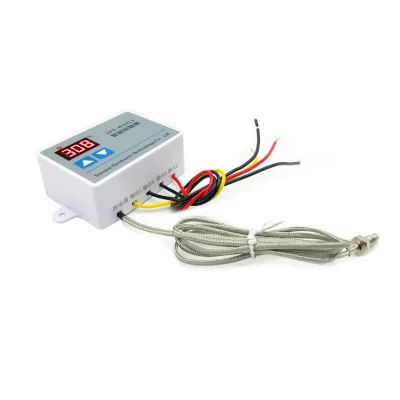
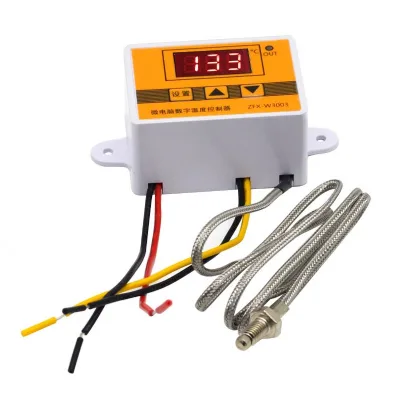
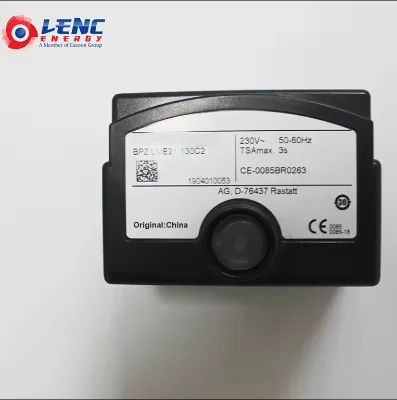
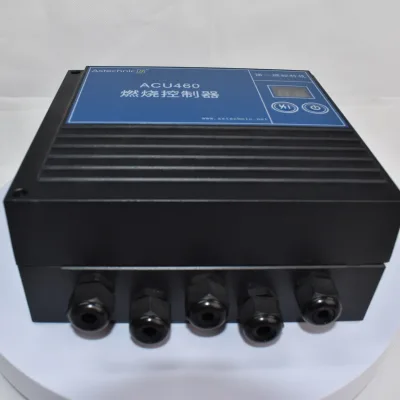
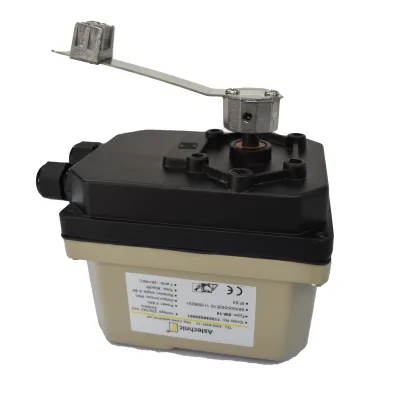


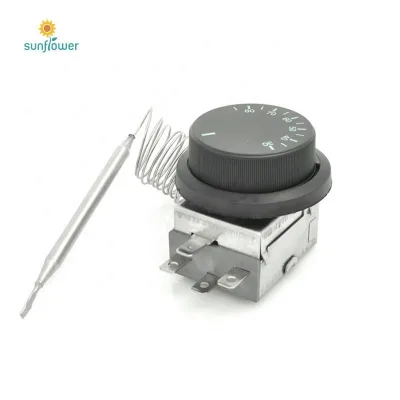


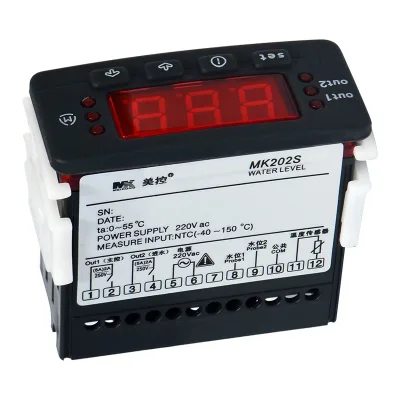
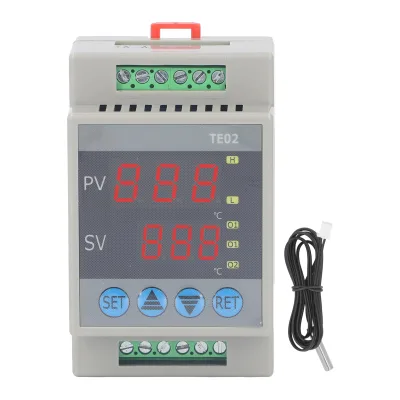
Reliable Constant Temperature Controller for Efficient Heat Pump Usage
$2500.00 - $50000.00
MOQ: 1 Sets
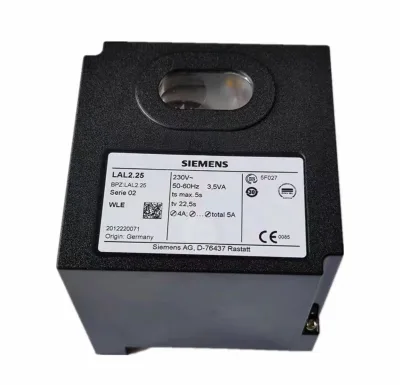


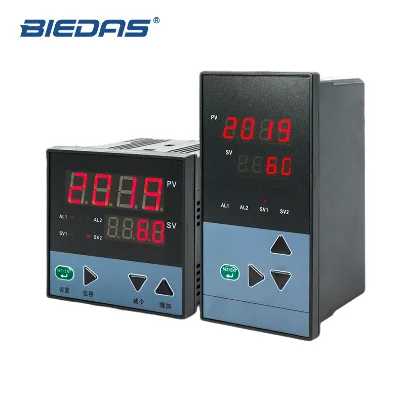

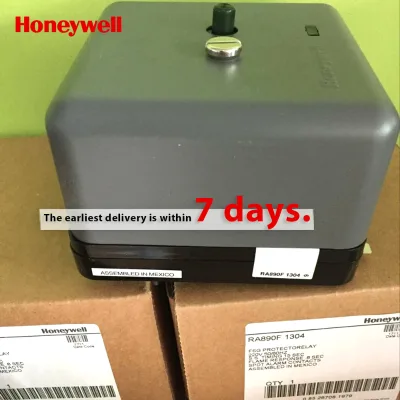


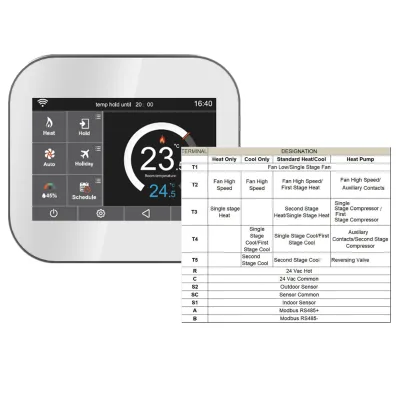
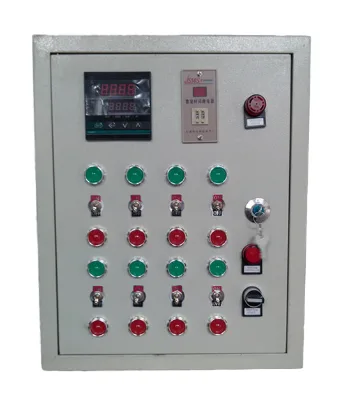
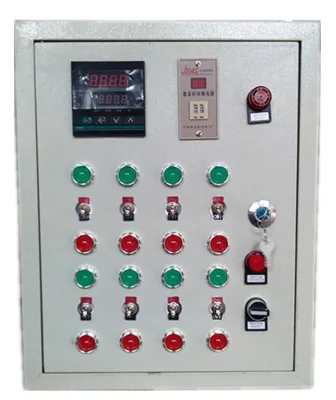


Comprehensive Sourcing Guide
Heat Resistant Fuel Controller Sourcing Guide
Buyers seeking heat resistant fuel controllers must first distinguish between general temperature sensors and specialized control units designed for fuel systems. The available market data indicates a range of products from simple sensors with 0-999 ranges to complex controllers with specific input voltages like AC 220V or 24V. Understanding this distinction is critical because a standard temperature sensor cannot manage fuel flow or safety interlocks required in industrial combustion applications.
Procurement teams should verify that the selected unit matches the specific environmental constraints of the fuel system, such as operating temperatures between -15°C and 60°C or -20°C to +60°C. The observed listings show various mounting types and housing materials, including anti-flammable PC and aluminum alloy, which directly impact safety in volatile environments. Selecting the wrong form factor or material can lead to premature failure or safety hazards in high-temperature fuel handling scenarios.
Product Scope and Observed Listing Signals
The current market listings reveal a diverse array of devices, including temperature sensors, controllers, and valves, all potentially relevant to fuel system management. Specific model numbers like ZFX-W3013 and LMO appear alongside brands such as FCS and STIEFEL, suggesting a fragmented supply chain with varying levels of specialization. Buyers must carefully parse product descriptions to ensure the item is a functional controller rather than a passive sensor or a simple valve component.
Listing signals such as "Industrial Control" applications and specific working temperature ranges provide initial clues about suitability, but they do not guarantee fuel compatibility. Some units are explicitly designed for floor heating systems with setting ranges of 5-90°C, while others are general-purpose controllers with different pressure ratings. It is essential to cross-reference the "Medium" specifications, ensuring the device is rated for non-corrosive gases like natural gas or liquefied gas rather than generic air or water.
Technical Specifications to Verify
Technical due diligence requires confirming that the controller's input voltage matches the facility's power infrastructure, as observed listings show options for AC 220V or 24V at 50/60Hz. The maximum operating frequency of one time per minute and opening/closing times adjustable from 2 to 30 seconds are critical parameters for fuel valve actuation. Buyers must verify that the controller can handle the specific pressure requirements, such as the observed maximum working pressure of 200mbar, to prevent mechanical failure.
Material compatibility is another vital verification step, particularly regarding the valve body and sealing materials. The presence of aluminum alloy bodies and nitrile rubber seals suggests suitability for certain gas types, but carbon steel or magnesium alloy options may be required for different chemical resistances. Additionally, the temperature measurement error of 1 degree and the ambient temperature limits of -5°C to 50°C must align with the specific operational envelope of the fuel system to ensure precise regulation.
Compliance and Safety Documentation
Safety compliance is non-negotiable when sourcing equipment for fuel systems, and buyers should demand evidence of certifications like CE, ROHS, ISO, GOST, TUV, and EAC. These certifications indicate that the product has undergone rigorous testing for electrical safety and environmental standards, which is essential for preventing fires or explosions in fuel-rich environments. The absence of a machinery test report in some listings is a significant red flag that requires immediate clarification before any purchase commitment.
Buyers must also scrutinize warranty terms, which vary from 6 months to 1.5 years across different suppliers, to assess the manufacturer's confidence in product durability. A robust warranty often correlates with higher quality control standards and better after-sales support, which is crucial for maintaining safety in critical fuel infrastructure. Furthermore, the protection class, such as IP20, must be verified to ensure the device is adequately shielded against dust and accidental contact in industrial settings.
Cost Drivers and Commercial Terms
Pricing for heat resistant fuel controllers varies significantly, with observed ranges spanning from $2.35 to $50,000, driven by complexity, material quality, and certification levels. The minimum order quantity (MOQ) can range from a single item to 1280 units, influencing the total cost of ownership for small-scale projects versus large industrial deployments. Buyers should analyze whether the lower price points correspond to basic sensors that lack the necessary control logic for fuel management.
Commercial terms such as supply ability, listed as 5000 pieces per day for some suppliers, indicate the potential for scaling orders without significant lead time delays. However, the single gross weight of 2.5 kg to 5 kg per unit affects shipping costs and logistics planning, which must be factored into the total procurement budget. Customization availability is another cost driver, as tailored solutions for specific project requirements often incur additional engineering fees and longer lead times compared to standard off-the-shelf models.
Supplier Qualification and Quality Control
Supplier qualification should focus on their ability to provide total project solutions and their history of customized processing, even if the current listing states "No" for standard items. The presence of a "Project Solution Capability" suggests the supplier can offer engineering support to integrate the controller into existing fuel systems, which is often more valuable than the hardware itself. Buyers should verify the supplier's location, with Guangdong, China being a common origin, to assess logistics risks and potential communication barriers.
Quality control processes must be validated through the availability of machinery test reports and adherence to specific material standards. The lack of a machinery test report in some product data necessitates a request for third-party validation or factory audit results before finalizing a contract. Additionally, the consistency of brand names like FCS and STIEFEL across different listings should be investigated to ensure the supplier is an authorized distributor rather than a reseller of unverified goods.
Long-Term Procurement Checks
Long-term procurement success depends on establishing a reliable supply chain for replacement parts and ongoing maintenance support. Buyers should verify the availability of spare components, such as specific sealing materials or housing units, to ensure the system remains operational over its intended lifespan. The warranty period, ranging from 6 months to 1.5 years, serves as a baseline for expected product life, but actual durability in harsh fuel environments may require more frequent replacements.
Continuous monitoring of the supplier's ability to meet the 5000 pieces per day supply ability is essential for maintaining inventory levels during peak demand or system expansions. Buyers must also stay informed about changes in certification standards, such as EN 298 or EN 13611, which may become mandatory for future fuel system installations. Regular audits of the supplier's quality control and material sourcing practices will help mitigate the risk of supply chain disruptions and ensure continued compliance with safety regulations.
FAQs
What is the temperature measurement error for the ZFX-W3013 sensor?
The ZFX-W3013 temperature sensor features a measurement error of 1. This specification ensures reliable performance in industrial control applications where precision is critical. The device operates within an environment temperature range of -20 to +60°C, making it suitable for various stable industrial environments without requiring excessive calibration adjustments.
Can the fuel controller be customized for specific projects?
Yes, customization is available for certain models to meet specific project requirements. While some items like the ZFX-W3013 do not offer customized processing, other controllers in the catalog support total solution projects. Buyers should verify the specific model's customization capabilities before ordering to ensure the product aligns with their unique operational needs.
Which certifications are provided for the magnesium alloy valve?
The magnesium alloy valve comes with CE, ROHS, ISO GOST, TUV, and EAC certifications. These credentials ensure compliance with international safety and quality standards. The valve body is made of aluminum alloy with nitrile rubber sealing, designed for non-corrosive gases like natural gas, ensuring safe and efficient operation in industrial settings.
What is the warranty period for the STIEFEL controller?
The STIEFEL controller offers a warranty of 6 months. This coverage provides assurance for industrial control applications. The unit operates on AC 220V/24V at 50/60Hz and features a working temperature range of -15 to 60°C. Buyers should consider this warranty period when planning maintenance schedules and long-term operational costs for their facilities.
How is the Astechnic controller packaged for shipping?
The Astechnic controller is packaged in a single unit with dimensions of 15x10x12 cm. The single gross weight is 2.500 kg, facilitating easy handling and logistics. This packaging ensures the device remains protected during transit. The controller is designed for industrial control applications, supporting a maximum operating frequency of 1 time per minute for reliable performance.
What is the supply ability for the floor heating controller?
The floor heating controller has a supply ability of 5000 pieces per day. This capacity supports large-scale industrial control projects requiring consistent inventory. The product features a modern design style and is suitable for floor heating systems. With a protection class of IP20 and an ambient temperature range of -5 to 50°C, it ensures stable operation.