Source LBP RSIR Refrigeration Compressor for Ice Maker, Cooler, Water Dispenser
Find 30 LBP RSIR Refrigeration Compressor options for commercial refrigerators, freezers, and ice makers. Compare models like MQ-QD142YG and XL-ADW57 with varying cooling capacities and voltage ratings to select the right unit for your needs; compare the available evidence and request quotations based on your requirements.
Updated
Key considerations
Products List

$54.21 - $58.50
MOQ: 100 Pieces


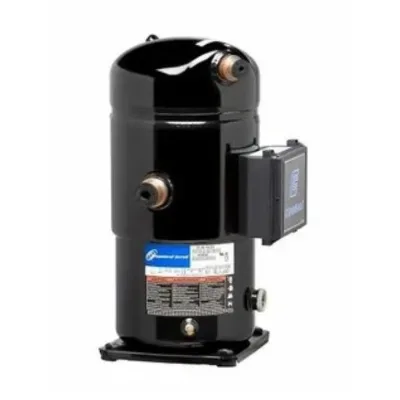
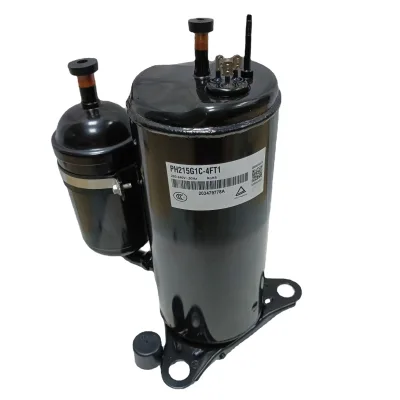
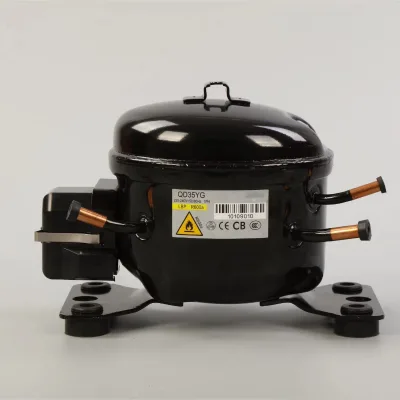
1/4HP QD52H LBP Refrigeration Compressor for Heat Exchange & Refrigeration Systems R600a,R134a
$21.2013 - $24.3324
MOQ: 300 pieces
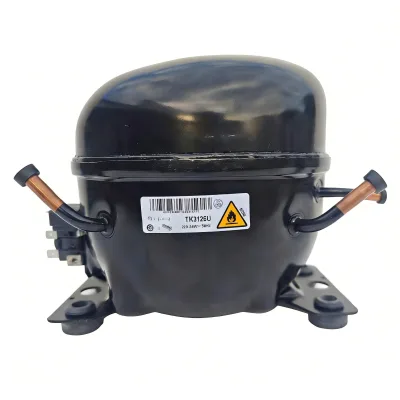
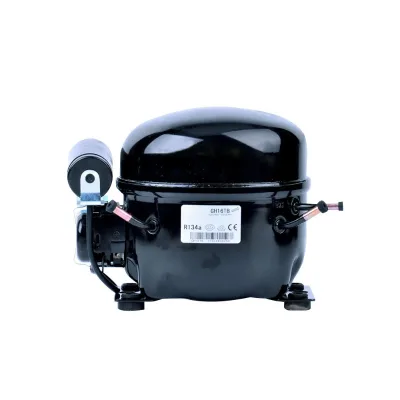
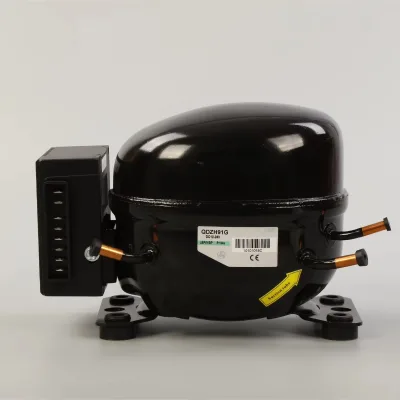
Inverter Compressor for Refrigerator and Ice Machine R134a M/HBP 220-240V~50Hz
$31.7436 - $34.8149
MOQ: 80 pieces
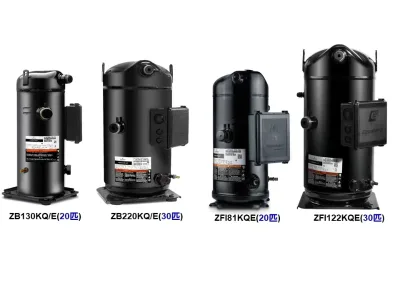


Lbp Type R134A Freezer 220V Compressor for Refrigeration Cooling Solutions
$12.50 - $26.00
MOQ: 100 Pieces

Refrigeration Compressor 1/4HP 220V 50Hz R134A Lbp for Cooling Solution
$12.50 - $26.00
MOQ: 100 Pieces

Lbp 1/5HP 220V 50hzrefrigeration Compressor for R290A Freezer Cooling Power
$12.50 - $28.50
MOQ: 100 Pieces

Refrigeration Compressor 1/6HP 1/4HP 220V 50Hz R134A Lbp for Cooling Solution
$12.50 - $28.50
MOQ: 100 Pieces

1/4HP Lbp 110V Freezer Compressor for R134A R600A Ice Storage Solutions
$12.50 - $28.50
MOQ: 100 Pieces

220V 50Hz R404A Lbp 1/3HP Compressor for Efficient Refrigerator Systems
$12.50 - $26.00
MOQ: 100 Pieces
Comprehensive Sourcing Guide
LBP RSIR Refrigeration Compressor Sourcing Guide
Procuring low-back-pressure (LBP) reciprocating scroll or inline reciprocating (RSIR) refrigeration compressors requires a disciplined approach to technical verification and supplier qualification. These components are critical for maintaining stable cooling in commercial refrigeration systems, where efficiency and reliability directly impact operational costs. Buyers must navigate a market with diverse specifications, ranging from standard voltage units to specialized low-voltage models, ensuring that the selected compressor aligns precisely with their system’s thermal load and electrical infrastructure.
This guide synthesizes observed market data to help procurement teams make informed decisions. By focusing on verified attributes such as cylinder arrangement, refrigerant type, and certification status, buyers can mitigate the risk of sourcing incompatible or non-compliant equipment. The following sections provide a structured framework for evaluating product scope, technical specifications, compliance documentation, cost drivers, supplier quality, and long-term procurement strategies, ensuring a robust and efficient supply chain for refrigeration components.
Product Scope and Observed Listing Signals
The current market for LBP refrigeration compressors exhibits a wide range of product configurations, with observed prices spanning from $12.50 to $5,860 USD. This variance reflects differences in cooling capacity, material quality, and brand positioning. Minimum order quantities (MOQs) typically range from 1 to 2,000 pieces, offering flexibility for both small-scale replacements and large-scale manufacturing integration. Buyers should note that customization is available for many suppliers, allowing for tailored solutions that meet specific application requirements, such as unique voltage inputs or specialized mounting configurations.
Observed listings indicate a strong presence of products originating from China, particularly from regions like Zhejiang, which is a known hub for refrigeration component manufacturing. The product models identified in market data include specific designations such as MQ-QD142YG, XL-ADW57, and LBP-R600A, each catering to distinct performance profiles. Some units are designed for commercial refrigerators and freezers, while others are suitable for ice makers, coolers, and water dispensers. Understanding these model-specific distinctions is crucial for aligning procurement with the intended end-use machinery.
Technical Specifications to Verify
Technical verification must begin with the compressor’s structural and operational parameters. Key attributes include the cylinder position, which is often vertical, and the arrangement, which may be a balanced opposed configuration to minimize vibration. The cooling type and refrigerant compatibility are critical; observed data shows units utilizing Freon, R600A, and R134A, each with different environmental and performance implications. Buyers must confirm the maximum cooling capacity, which ranges from 135 to 235 in observed listings, to ensure the unit can handle the required thermal load without excessive strain.
Electrical specifications are equally important, with voltage options ranging from 12/24V DC to 220-240V AC, and some units supporting a wide input range of 160V-260V~50Hz. The coefficient of performance (COP) varies, with observed values including 1.10, 1.4, and 1.95W, indicating differences in energy efficiency. Additionally, the rotate speed, typically between 2000-3500 RPM, affects the compressor’s output and noise levels. Buyers should verify these parameters against their system’s design to prevent compatibility issues and ensure optimal energy consumption and operational stability.
Compliance and Safety Documentation
Compliance with international safety and environmental standards is non-negotiable for refrigeration compressors. Observed certifications include CCC, CE, CB, TUV, RoHS, ETL, and UL, which indicate adherence to specific regional and global regulatory requirements. Buyers must verify that the supplier provides valid certificates for the specific model being purchased, as certification status can vary between product lines. The presence of certifications like RoHS ensures that the unit is free from hazardous substances, which is critical for environmental compliance and market access in regulated regions.
Beyond electrical safety, structural integrity and material quality are key compliance factors. Some units are constructed from stainless steel, offering enhanced durability and resistance to corrosion, which is vital for commercial environments. Protection features, such as shock resistance, are also important for ensuring longevity in demanding applications. Buyers should request documentation that confirms the material composition and protective features, ensuring that the compressor can withstand the physical stresses of installation and operation without compromising safety or performance.
Cost Drivers and Commercial Terms
Several factors influence the total cost of ownership for LBP refrigeration compressors. The primary cost drivers include the refrigerant type, cooling capacity, and material construction. Units with higher COP values and advanced features, such as wide voltage tolerance, often command higher prices. Additionally, the packaging method, whether carton, pallet, or wooden/plastic crates, can impact shipping costs and handling requirements. Buyers should consider the total landed cost, including freight and insurance, rather than just the unit price, to make accurate budget comparisons.
Commercial terms, such as MOQ and lead times, also play a significant role in procurement planning. While some suppliers offer an MOQ of just one piece, others may require larger orders, affecting inventory management and cash flow. The availability of video outgoing inspections is not guaranteed for all suppliers, which may necessitate third-party quality control services. Buyers should negotiate clear terms regarding warranty, return policies, and after-sales support to mitigate financial risks associated with defective or non-conforming products.
Supplier Qualification and Quality Control
Supplier qualification is essential to ensure consistent product quality and reliable delivery. Buyers should verify the supplier’s manufacturing capabilities, including their production capacity and quality control processes. The presence of standardized packing methods, such as standard export packages or specific pallet configurations, indicates a level of professionalism and attention to detail. Suppliers that provide detailed product specifications and model numbers, such as ML-GQR55U or QDZH20G, demonstrate transparency and a commitment to accurate product representation.
Quality control measures should include pre-shipment inspections and verification of key performance indicators. Buyers should request test reports or performance data for the specific batch being ordered, especially for critical parameters like COP and cooling capacity. If video outgoing inspections are not available, buyers may need to arrange for independent inspection services. Establishing a strong relationship with suppliers who prioritize quality and transparency can lead to better pricing, faster lead times, and improved support throughout the procurement lifecycle.
Long-Term Procurement Checks
Long-term procurement success depends on continuous monitoring of supplier performance and product reliability. Buyers should track key metrics such as defect rates, delivery times, and customer support responsiveness. Regular audits of supplier quality management systems can help identify potential issues before they impact production. Additionally, staying informed about changes in refrigerant regulations and energy efficiency standards is crucial for ensuring that procured compressors remain compliant and competitive in the market.
Building a diversified supplier base can mitigate risks associated with single-source dependencies. Buyers should evaluate multiple suppliers for similar products, comparing their technical specifications, certifications, and commercial terms. This approach allows for greater flexibility in sourcing and negotiation. Furthermore, establishing clear communication channels with suppliers for technical support and issue resolution ensures that any problems are addressed promptly, minimizing downtime and maintaining the integrity of the refrigeration systems.
FAQs
What is the maximum cooling capacity for the MQ-QD142YG model?
The maximum cooling capacity for the MQ-QD142YG model is 235. This specification applies to the closed-type, vertical cylinder arrangement compressor. It utilizes a balanced opposed arrangement and operates with Freon refrigerant. The unit features a multistage compression level and runs on 220-240V voltage. Customization is available for this specific model to meet diverse commercial requirements.
Which refrigerant types are supported by the listed compressors?
The listed compressors support R600A and R134A refrigerant types. The XL-ADW57 model specifically uses R134A with a maximum cooling capacity of 135. The MQ-QD142YG model uses Freon, which often includes R600A variants. These options allow buyers to select the appropriate refrigerant based on their specific refrigeration system requirements and environmental standards.
Can the LBP-R600A compressor operate on variable voltage?
Yes, the LBP-R600A compressor can operate on variable voltage ranging from 160V to 260V at 50Hz. This wide voltage range ensures stable performance in regions with fluctuating power supplies. The unit is designed for low-back-pressure applications and is suitable for ice makers, coolers, and water dispensers. It features shock resistance and standard export packaging for safe delivery.
What certifications are available for the commercial refrigerator compressors?
Available certifications include CCC, ISO, CB, CE, TUV, RoHS, ETL, and UL. These certifications ensure compliance with international safety and quality standards for commercial refrigerator and freezer applications. The LBP-R600A model explicitly lists these comprehensive certifications. Buyers can verify specific certification documents for each model to ensure regulatory compliance in their target markets.
What is the minimum order quantity for these compressors?
The minimum order quantity is 1 piece for the LBP-R600A model. This low MOQ allows buyers to test samples or order small batches. Other models may have different MOQs up to 2000 pieces. The flexible ordering options support both small-scale testing and large-scale commercial procurement needs without requiring excessive initial inventory investment.
Where are these refrigeration compressors manufactured?
These refrigeration compressors are manufactured in China, specifically in Zhejiang province. The production origin ensures access to established supply chains and manufacturing expertise. Buyers can expect consistent quality control and competitive pricing due to the regional manufacturing advantages. The products are packed in standard export packages, including cartons, pallets, and wooden or plastic crates for secure shipping.