Source Heavy Duty Air Brake Compressor for Trucks, Buses, and Trailers
Find and compare 30 Heavy Duty Air Brake Compressor options from Chinese manufacturers. Buyers can evaluate specifications like flow rate, pressure, and cooling systems to select the right unit for commercial vehicles.
Key considerations
Products List

Reliable Air-Cooled Compressor for Heavy-Duty Gas Compression Tasks
$40000.00 - $70000.00
MOQ: 1 Pieces


Customizable Heavy-Duty Air Compressor with Advanced Safety Features
$40000.00 - $90000.00
MOQ: 1 Sets

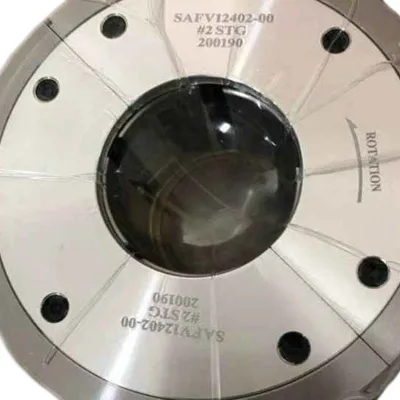


Truck Air Brake Compressor 20569928
$160.00 - $200.00
MOQ: 5 Pieces
Wuhan Yuanyumu Automobile Industry Import and Export Co., Ltd

Air Brake Compressor 1080437 1186722
$160.00 - $200.00
MOQ: 5 Pieces
Wuhan Yuanyumu Automobile Industry Import and Export Co., Ltd


Comprehensive Sourcing Guide
Strategic Sourcing Guide for Heavy Duty Air Brake Compressors
Understanding Technical Specifications and Performance Metrics
When sourcing heavy-duty air brake compressors, buyers must first distinguish between the specific operational parameters required for their fleet or industrial application. The market presents a diverse array of configurations, ranging from oil-free systems designed for clean air environments to lubricated units optimized for high-volume throughput. A critical observation in the current supply landscape involves the variation in flow rates and pressure capabilities. For instance, certain high-performance units are engineered with a flow rate of 4.25 cubic meters per minute, capable of handling inlet pressures between 0.3 and 0.4 MPa while delivering an outlet pressure of 0.7 MPa. These specifications are typical for systems requiring rapid air replenishment without excessive energy consumption.
Conversely, other segments of the market offer compressors with significantly higher pressure ratings, such as models capable of reaching an outlet pressure of 6.0 MPa with a flow rate of 6.8 cubic meters per hour. This disparity highlights the necessity for buyers to align their procurement with the specific pressure demands of their braking systems. The cylinder arrangement is another pivotal technical factor; some advanced units utilize a balanced opposed arrangement to minimize vibration and extend component life, while others may employ an angular cylinder position. The drive mode also varies, with direct connection being a standard configuration for many heavy-duty applications, ensuring efficient power transfer from the engine or motor to the compressor mechanism.
Furthermore, the cooling system architecture plays a decisive role in the longevity and reliability of the equipment. Buyers must evaluate whether a water cooling system or an air cooling method is more appropriate for their operating environment. Water-cooled units often provide superior thermal management for continuous heavy-duty operations, whereas air-cooled variants, such as those utilizing an air-cooled method with a specific weight of 10 kilograms, offer portability and simplified installation. The lubrication style is equally critical; oil-free compressors are essential for applications where air purity is paramount, preventing contamination of the braking system, while lubricated systems may offer different maintenance profiles. Understanding these nuanced specifications allows procurement teams to select units that match the exact operational demands of their heavy-duty vehicles or machinery.
Compliance, Certification, and Safety Standards Verification
Ensuring that a heavy-duty air brake compressor meets all relevant safety and compliance standards is a non-negotiable aspect of the procurement process. While specific certification bodies and standard numbers may vary by region and application, buyers must rigorously verify that the equipment adheres to international safety norms. The sourcing guide emphasizes that buyers should not assume compliance based on product descriptions alone but must request explicit documentation regarding adherence to standards such as ISO, CE, or region-specific automotive safety regulations.
The electrical components of the compressor also require strict adherence to safety protocols. With options for selectable electrical brands and power sources ranging from standard 380V/50Hz configurations to specialized 12V systems, the integrity of the electrical system is vital. Buyers must ensure that the voltage ratings and power sources are compatible with the vehicle's electrical architecture to prevent failures or hazards. Additionally, the warranty terms, often cited as a one-year period in the market, serve as an indicator of the manufacturer's confidence in their product's durability and compliance. However, a warranty is not a substitute for third-party certification.
In the context of heavy-duty applications, the structural integrity of the compressor is paramount. The distinction between semi-closed and open-type structures affects both safety and maintenance accessibility. Buyers should verify that the chosen structure type aligns with the safety requirements of their specific installation environment. Furthermore, the presence of OEM (Original Equipment Manufacturer) capabilities suggests that the supplier can tailor the compressor to meet specific vehicle or machinery integration requirements, which often includes custom cabin designs and overall dimensions. This level of customization ensures that the compressor fits within the spatial constraints of the vehicle while maintaining necessary safety clearances.
Cost Drivers and Pricing Dynamics in the Market
The pricing of heavy-duty air brake compressors is influenced by a complex interplay of factors, including technical specifications, customization levels, and supply chain logistics. The observed market price range is extensive, spanning from $0.10 to $100,000, reflecting the vast diversity in product complexity and capacity. This wide range underscores the importance of defining clear requirements before engaging with suppliers to avoid budget overruns or purchasing under-specification equipment.
Several key cost drivers emerge when analyzing the market. First, the flow rate and pressure capabilities significantly impact the price. Units with higher flow rates, such as 5.1 cubic meters per minute, or those capable of generating high outlet pressures like 6.0 MPa, typically command a premium due to the advanced engineering and robust materials required. Second, the cooling system type is a major determinant; water-cooled systems generally involve more complex manufacturing processes and higher material costs compared to air-cooled alternatives. Third, the lubrication style plays a role; oil-free compressors often require specialized materials and tighter tolerances, increasing production costs.
Customization is another significant factor influencing the final price. Suppliers offering OEM services, customizable cabins, and tailored overall dimensions will charge more than those providing standard off-the-shelf units. The selection of electrical brands and the inclusion of technical guidance services also add to the cost. Additionally, the packaging method, such as foreign trade packaging, can affect the final price due to the additional materials and labor required for secure shipping. Buyers should be aware that the Minimum Order Quantity (MOQ) can also impact the unit price, with ranges observed from 1 to 500 units. Larger orders often benefit from economies of scale, but the initial investment must be weighed against the specific needs of the procurement project.
Typical Applications and Operational Environments
Heavy-duty air brake compressors are integral to a wide range of applications, primarily within the transportation and industrial sectors. The most common use case is in heavy-duty trucks and buses, where reliable air brake systems are essential for safety and regulatory compliance. In these environments, the compressor must deliver consistent air pressure to ensure effective braking performance under various load conditions. The specific model DWFD-4.25/(3-4)-7, for example, is suited for applications requiring a flow rate of 4.25 cubic meters per minute and an outlet pressure of 0.7 MPa, making it ideal for standard heavy-duty truck fleets.
Beyond road transport, these compressors are utilized in industrial machinery and construction equipment. The high-pressure capabilities of models like the VW-6.8/60, which can reach 6.0 MPa, make them suitable for heavy industrial applications where pneumatic tools and systems require substantial air pressure. The angular cylinder position and double-stage compression in such models enhance their efficiency in demanding environments. Additionally, the versatility of these units allows for use in specialized vehicles, such as those requiring custom cabins or specific installation methods like fixed mounting with a foundation.
The operational environment also dictates the choice of compressor. For instance, in dusty or high-temperature environments, air-cooled compressors with robust filtration systems may be preferred. Conversely, in controlled indoor settings or where noise reduction is critical, oil-free, water-cooled units might be the better choice. The ability to customize the compressor to fit specific vehicle or machinery constraints is a significant advantage, allowing operators to optimize space and performance. Whether for a single item purchase or a large fleet upgrade, understanding the specific operational context is crucial for selecting the right heavy-duty air brake compressor.
Supplier Evaluation and Selection Criteria
Selecting the right supplier for heavy-duty air brake compressors requires a thorough evaluation of their capabilities, reputation, and service offerings. Buyers should prioritize suppliers who demonstrate a strong track record in manufacturing and supplying compressors that meet the rigorous demands of the heavy-duty sector. The availability of OEM services is a key indicator of a supplier's flexibility and ability to meet custom requirements. Suppliers that offer customizable cabins, tailored overall dimensions, and selectable electrical brands provide greater value by ensuring the product fits the buyer's specific needs.
Technical guidance is another critical factor in supplier evaluation. Suppliers that provide comprehensive technical support, including installation assistance and troubleshooting, can significantly reduce the risk of operational failures. The presence of a warranty, typically one year, is also an important consideration, as it reflects the supplier's confidence in their product's quality. However, buyers should also verify the terms and conditions of the warranty to ensure it covers the specific components and usage scenarios relevant to their application.
The supplier's location and logistics capabilities are also important. With many manufacturers based in China, buyers should consider the implications of international shipping, including lead times and import regulations. The use of foreign trade packaging indicates a commitment to protecting the product during transit, which is essential for maintaining the integrity of the compressor. Additionally, buyers should assess the supplier's ability to handle large order volumes, given the observed MOQ range of 1 to 500 units. A supplier that can scale production to meet fluctuating demand while maintaining quality standards is a valuable partner for long-term procurement.
Quality Control and Long-Term Procurement Considerations
Maintaining high quality standards throughout the procurement lifecycle is essential for the reliability and safety of heavy-duty air brake compressors. Buyers should implement a robust quality control process that includes pre-shipment inspections, material verification, and performance testing. The structural integrity of the compressor, whether it is a semi-closed or open type, must be verified to ensure it can withstand the rigors of heavy-duty operation. The cooling system, whether water or air-cooled, should be tested for efficiency and durability under various operating conditions.
Long-term procurement considerations extend beyond the initial purchase to include maintenance, spare parts availability, and lifecycle management. Buyers should evaluate the supplier's support for ongoing maintenance, including the availability of replacement parts and technical documentation. The lubrication style of the compressor, whether oil-free or lubricated, will influence the maintenance schedule and the type of consumables required. Understanding these factors helps in planning for the total cost of ownership and ensuring the compressor remains operational throughout its intended lifespan.
Furthermore, the adaptability of the compressor to future needs is a key consideration. As technology evolves and regulatory requirements change, the ability to upgrade or modify the compressor becomes increasingly important. Suppliers that offer flexible customization options and a commitment to continuous improvement are better positioned to support long-term procurement strategies. By focusing on quality control and long-term planning, buyers can ensure that their investment in heavy-duty air brake compressors delivers reliable performance and value over time.
Comparative Analysis of Key Product Attributes
To facilitate informed decision-making, the following table compares key attributes of different heavy-duty air brake compressor models observed in the market. This comparison highlights the variations in flow rates, pressure capabilities, and structural designs that buyers should consider when selecting the most suitable unit for their specific application.
| Attribute | Model A (DWFD-4.25) | Model B (VW-6.8/60) | Model C (VW-5.1/0.2-4) | Model D (ZW-1.36/6-10) |
|---|---|---|---|---|
| Flow Rate | 4.25 m³/Min | 6.8 m³/H | 5.1 m³/Min | 1.36 m³/Min |
| Outlet Pressure | 0.7 MPa | 6.0 MPa | 0.4 MPa | 1.0 MPa |
| Inlet Pressure | 0.3-0.4 MPa | N/A | 0.02 MPa | 0.6 MPa |
| Cooling System | Water Cooling | Air Cooling | N/A | N/A |
| Lubrication Style | Oil-free | Lubricated | N/A | N/A |
| Structure Type | Semi-Closed | Open | N/A | N/A |
| Compressor Speed | 740/980 R/Min | 980 R/Min | N/A | N/A |
| Cylinder Arrangement | Balanced Opposed | Angular | N/A | N/A |
This comparative analysis underscores the diversity of options available in the market. Buyers must carefully match these attributes to their specific operational requirements to ensure optimal performance and reliability. By leveraging this data, procurement teams can make evidence-based decisions that align with their strategic goals and technical specifications.
FAQs
What cooling systems are available for heavy duty air brake compressors?
Both water cooling and air cooling systems are available for heavy duty air brake compressors. Water cooling is used for continuous operations, while air cooling offers portability with specific models weighing as little as 10 kilograms for simplified installation.
Can I find oil-free lubrication options for these compressors?
Yes, oil-free lubrication styles are available for heavy duty air brake compressors to ensure air purity. This option is essential for applications where preventing contamination of the braking system is a critical safety requirement for the fleet.
Which flow rates and pressures do these units support?
These units support various flow rates ranging from 1.36 to 4.25 cubic meters per minute with outlet pressures up to 6.0 MPa. Specific models offer inlet pressures between 0.3 and 0.4 MPa to meet diverse operational demands.
How can I customize the cabin and dimensions of the compressor?
Customization is available for the cabin and overall dimensions of the Heavy Duty Air Brake Compressor. Suppliers offer OEM services to tailor the product to specific vehicle constraints, ensuring the unit fits within spatial requirements while maintaining performance.
What warranty terms are typically provided for these compressors?
A one-year warranty is typically provided for heavy duty air brake compressors to indicate manufacturer confidence. Buyers should verify specific terms to ensure coverage aligns with their operational scenarios and component durability expectations.
Which electrical specifications are compatible with these compressors?
Compatible electrical specifications include 380V/50Hz power sources and selectable electrical brands for heavy duty air brake compressors. Some specialized units also operate on 12V systems, requiring buyers to match the voltage to their vehicle architecture.