Source Herbal Argan Oil Shampoo and Conditioner Set for Home, Hotel, Salon
Compare 30 verified listings for Herbal Argan Oil Shampoo and Conditioner Set options tailored for home, hotel, and salon use. Buyers can evaluate customization, volume, and trade terms to find suitable suppliers; compare the available evidence and request quotations based on your requirements.
Key considerations
Products List


Organic Hair Care Essentials: Nourishing Gel, Shampoo & Conditioner Set
$0.04 - $0.22
MOQ: 5000 Pieces


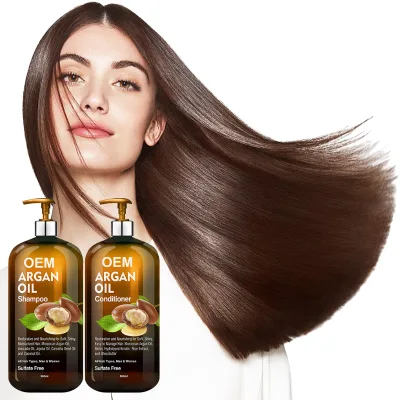
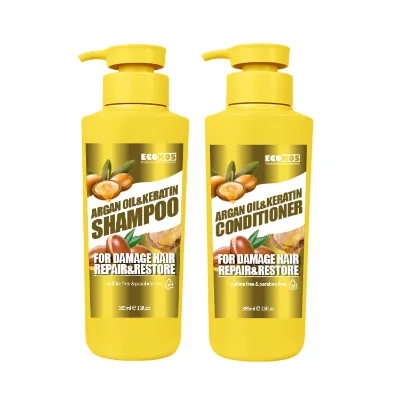


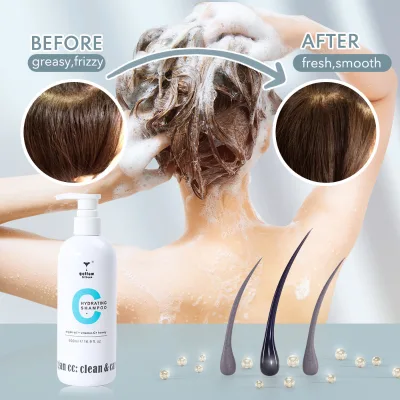
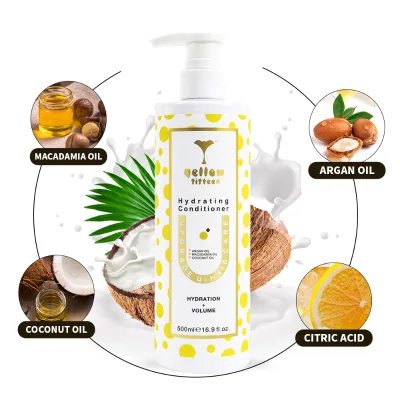


Comprehensive Sourcing Guide
Herbal Argan Oil Shampoo and Conditioner Set Sourcing Guide
Sourcing a high-quality Herbal Argan Oil Shampoo and Conditioner Set requires a strategic approach to balancing natural ingredient integrity with commercial scalability. Buyers must navigate a market where "herbal" claims often intersect with complex chemical formulations, necessitating rigorous verification of ingredient lists and sourcing transparency. The core appeal of this product category lies in its dual function: deep cleansing and moisturizing, which addresses the needs of all hair types, from curly to fine or color-treated strands. Procurement teams should prioritize suppliers who offer customization options, allowing for tailored pH levels and specific functional benefits like hair-loss prevention or smoothing effects.
The procurement landscape for these sets is characterized by significant variability in production models and packaging standards. While some listings emphasize solid forms or specific herbal ingredients, others focus on lotion or gel textures with professional formulas. This diversity means that buyers cannot assume uniformity across suppliers. It is essential to define clear technical requirements early in the sourcing process, particularly regarding volume, bottle type, and private label capabilities. Understanding these variations helps in selecting partners who can deliver consistent quality while meeting specific brand positioning goals, whether for home use or hotel amenities.
Product Scope and Observed Listing Signals
The observed market signals indicate a wide range of product attributes, with prices ranging from $0.02 to $12.79 USD and minimum order quantities (MOQs) varying between 20 and 5,000 sets. This broad spectrum suggests that buyers can find options suitable for both small-scale testing and large-volume distribution. Key product names include "Shampoo Conditioner Set" and specific items like "Moroccan Nut Oil Conditioner," highlighting the importance of verifying the exact composition. The presence of terms like "Deep Cleansing," "Moisturizing," and "Smoothing" indicates that functional benefits are a primary selling point, appealing to consumers seeking comprehensive hair care solutions.
Further analysis reveals that ingredients are described as both "Herbal" and "Chemical," with some products featuring professional formulas and others emphasizing natural extracts like argan oil. This duality requires careful scrutiny to ensure that marketing claims align with actual product contents. The form of the product varies, with listings showing solid, lotion, and gel textures, which impacts user experience and storage requirements. Additionally, the target audience is consistently identified as unisex adults with all hair types, suggesting a broad market appeal. Buyers should use these signals to filter suppliers based on their ability to meet specific formulation and packaging preferences.
Technical Specifications to Verify
Technical verification must begin with the physical specifications of the product, including volume and packaging. Standard volumes observed include 500ml, 800ml, and 1000ml, with options for customization to meet specific brand requirements. The bottle type is often flexible, allowing for tailored designs that enhance shelf appeal. Packaging is typically carton-based, but buyers should confirm whether standard or customized packaging is available, as this affects logistics and unboxing experience. The production time ranges from 7 to 30 days, which is a critical factor for inventory planning and supply chain reliability.
Beyond physical attributes, the chemical and functional specifications are paramount. The pH level is a key indicator of scalp health, with some products specifying a balanced range of 4.5 to 6.5. Buyers should verify this parameter to ensure compatibility with sensitive scalps. The texture and lather quality, described as smooth and rich, also influence consumer satisfaction. Additionally, the inclusion of features like hair-loss prevention and nourishing effects should be backed by clear ingredient lists. Confirming these technical details ensures that the final product meets both regulatory standards and consumer expectations for efficacy and safety.
Compliance and Safety Documentation
Compliance with international safety standards is non-negotiable for hair care products, particularly those marketed as herbal or natural. Buyers must request documentation that verifies the safety of all ingredients, including herbal extracts and chemical additives. This includes certificates of analysis (CoA) that confirm the purity and concentration of active components. The presence of professional formulas suggests that suppliers may adhere to Good Manufacturing Practices (GMP), but this should be explicitly confirmed. Documentation should also cover allergen information, ensuring that the product is safe for the intended unisex adult demographic.
Furthermore, regulatory compliance varies by destination market, requiring buyers to understand local labeling and ingredient restrictions. For instance, certain herbal ingredients may be restricted in specific regions, necessitating alternative formulations. Buyers should ensure that suppliers provide full ingredient disclosures, including INCI names, to facilitate compliance checks. The trade terms offered, such as EXW, FOB, CIF, CFR, DAP, and DDP, also impact liability and responsibility for compliance during transit. Clear communication on these fronts helps mitigate risks associated with regulatory non-compliance and potential product recalls.
Cost Drivers and Commercial Terms
Cost drivers for herbal argan oil shampoo and conditioner sets include raw material quality, packaging complexity, and order volume. The observed price range of $0.02 to $12.79 USD reflects these variables, with higher prices typically associated with premium ingredients and customized packaging. MOQs ranging from 20 to 5,000 sets offer flexibility, but larger orders often yield better unit costs. Buyers should negotiate based on volume commitments while considering the total cost of ownership, including shipping and handling. The production time of 7 to 30 days also influences cash flow and inventory management strategies.
Commercial terms such as EXW, FOB, CIF, CFR, DAP, and DDP define the responsibilities of both buyer and supplier. Understanding these terms is crucial for accurate cost estimation and risk allocation. For example, FOB terms place the responsibility for shipping and insurance on the supplier until the goods are loaded onto the vessel, while DDP terms require the supplier to handle all costs and risks until delivery. Buyers should align their choice of trade terms with their logistical capabilities and risk tolerance. Additionally, payment terms and lead times should be clearly defined to avoid disruptions in the supply chain.
Supplier Qualification and Quality Control
Supplier qualification involves assessing their manufacturing capabilities, quality control processes, and commitment to consistency. Buyers should verify that suppliers have experience in producing herbal and chemical hair care products, with a track record of meeting international standards. Quality control measures should include regular testing of pH levels, viscosity, and microbial safety. Suppliers offering OEM/ODM services should demonstrate flexibility in adapting formulations to meet specific client requirements. This ensures that the final product aligns with the buyer’s brand identity and quality expectations.
Regular audits and sample testing are essential to maintain quality standards throughout the production process. Buyers should request pre-production samples to evaluate the product’s texture, scent, and efficacy. Post-production inspections should verify that the final goods match the approved samples in terms of appearance and performance. Additionally, suppliers should provide clear documentation of their quality control protocols, including how they handle deviations or defects. Establishing a strong relationship with a qualified supplier ensures long-term reliability and minimizes the risk of quality issues in future orders.
Long-Term Procurement Checks
Long-term procurement success depends on continuous monitoring of supplier performance and market trends. Buyers should establish key performance indicators (KPIs) to track delivery times, product quality, and responsiveness to issues. Regular reviews of supplier performance help identify areas for improvement and ensure that the partnership remains beneficial. Additionally, staying informed about changes in regulatory requirements and consumer preferences allows buyers to adapt their sourcing strategies proactively. This agility is crucial in a competitive market where consumer demands for natural and effective hair care products are evolving.
Building a diversified supplier base can mitigate risks associated with single-source dependencies. Buyers should explore multiple suppliers to ensure continuity of supply and competitive pricing. Regular communication with suppliers fosters collaboration and innovation, leading to improved product offerings. Furthermore, investing in relationship management helps secure favorable terms and priority service during peak demand periods. By focusing on long-term partnerships and strategic oversight, buyers can achieve sustainable procurement outcomes that support their brand’s growth and market position.
FAQs
What customization options are available for the Herbal Argan Oil Shampoo and Conditioner Set?
Customization is available for the Herbal Argan Oil Shampoo and Conditioner Set, allowing buyers to tailor the product to their brand needs. You can choose from various bottle types, including 500ml, 800ml, or 1000ml volumes, or request fully customized sizes. The private label service supports professional design requirements, ensuring the packaging and formula align with your specific market positioning and customer expectations.
Can the Herbal Argan Oil Shampoo and Conditioner Set be used for all hair types?
Yes, the Herbal Argan Oil Shampoo and Conditioner Set is formulated for all hair types, including curly, fine, and color-treated hair. The professional formula provides deep cleansing, moisturizing, and smoothing benefits. It is designed to repair damage, prevent split ends, and nourish the scalp, making it suitable for unisex use in both home and hotel applications without causing irritation or dryness.
What is the typical production time for the Herbal Argan Oil Shampoo and Conditioner Set?
The typical production time for the Herbal Argan Oil Shampoo and Conditioner Set ranges from 7 to 30 days. This timeframe allows for the preparation of the professional formula, filling, and packaging processes. Buyers should consider this lead time when planning inventory, especially for customized orders or large MOQs, to ensure timely delivery via express, air, or sea freight options.
What are the trade terms for purchasing the Herbal Argan Oil Shampoo and Conditioner Set?
Trade terms for the Herbal Argan Oil Shampoo and Conditioner Set include EXW, FOB, CIF, CFR, DAP, and DDP. These flexible options allow buyers to choose the most suitable shipping and payment arrangement for their logistics strategy. The products originate from China, and suppliers offer various shipment methods such as express, air freight, and sea freight to accommodate different order sizes and delivery urgency.
What is the minimum order quantity for the Herbal Argan Oil Shampoo and Conditioner Set?
The minimum order quantity for the Herbal Argan Oil Shampoo and Conditioner Set varies, with observed ranges from 20 to 5000 sets. Some listings specify an MOQ of 500 sets, while others may accept lower quantities for trial orders. Buyers should confirm the specific MOQ with the supplier, as it depends on the chosen volume, packaging customization, and production schedule requirements.
How is the Herbal Argan Oil Shampoo and Conditioner Set packaged for shipment?
The Herbal Argan Oil Shampoo and Conditioner Set is typically packaged in cartons for standard shipping. Customized packaging options are also available to meet specific branding or logistical needs. The products are designed for stability during transit, with professional formulas ensuring the integrity of the shampoo and conditioner. Buyers can request standard or customized packing solutions to protect the goods and enhance shelf appeal.