Source Herbal Anti-Dandruff Keratin Shampoo for Salons, Retail, and OEM
Find and compare 30 herbal anti-dandruff keratin shampoo options from verified Chinese manufacturers. Evaluate specifications including GMP and ISO certifications, volume capacities, and OEM customization for salon, retail, and private label needs.
Key considerations
Products List


2023 Best Hair Shampoo Natural Herbal Smoothing Anti-Dandruff Hair Shampoo
$2.12 - $2.22
MOQ: 100 Pieces


Hot Selling Herbal Essence Shampoo Moisturizing Shampoo Antidandruff Shampoo
$0.70 - $0.80
MOQ: 5000 Pieces

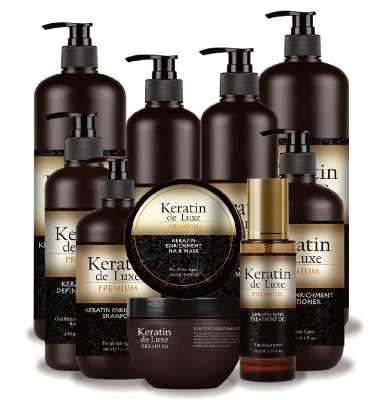
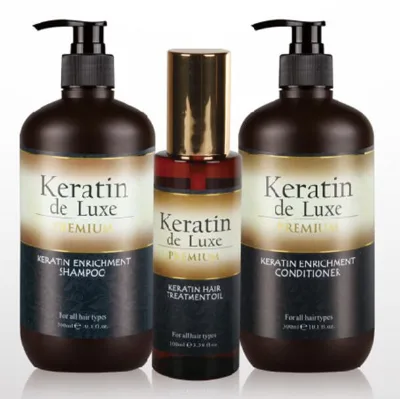


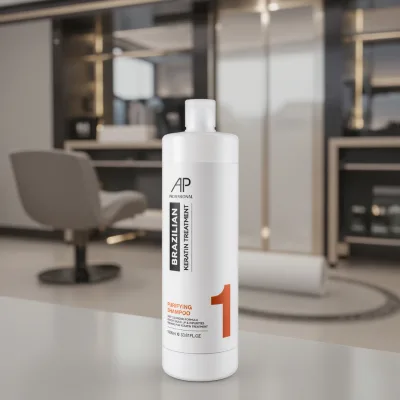
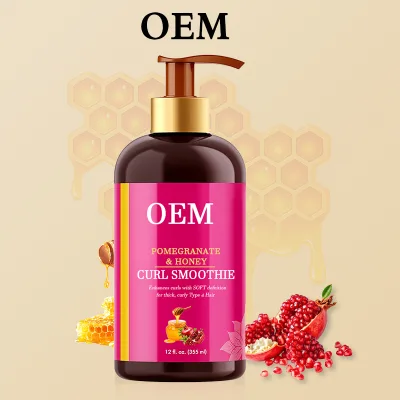


Comprehensive Sourcing Guide
Herbal Anti-Dandruff Keratin Shampoo Sourcing Guide
Sourcing herbal anti-dandruff keratin shampoo requires a careful balance between natural ingredient claims and functional efficacy, particularly when dealing with bulk B2B procurement. The market for this specific product category is diverse, ranging from small-batch artisanal formulations to large-scale industrial manufacturing. Buyers must navigate a landscape where "herbal" often coexists with chemical preservatives and active anti-dandruff agents to ensure shelf stability and performance. This guide provides a structured approach to evaluating suppliers, verifying technical specifications, and ensuring compliance with international safety standards, focusing on the nuances of sourcing from major manufacturing hubs like China.
The procurement process for these shampoos involves distinct considerations regarding formulation, packaging, and commercial terms. While the core keyword emphasizes herbal and keratin components, actual product listings often reveal a broader spectrum of ingredients, including chemical additives that support the herbal base. Understanding these variations is critical for aligning supplier offerings with your brand’s positioning. Furthermore, the physical attributes of the product, such as volume and packaging type, significantly impact logistics and cost, making it essential to define clear requirements before engaging with potential manufacturers.
Product Scope and Observed Listing Signals
The observed product landscape for herbal anti-dandruff shampoos reveals a wide range of formulations and target demographics. Listings indicate that products are generally categorized for adult users and are available for all hair types, including damaged hair. While some suppliers emphasize herbal ingredients, others list chemical ingredients, suggesting that "herbal" may refer to the primary active botanicals rather than an exclusively natural composition. This distinction is vital for buyers who need to verify whether the product aligns with clean beauty standards or conventional cosmetic regulations. The gender targeting varies, with options available for female-specific or unisex markets, allowing for flexible branding strategies.
Packaging and volume options are standardized across many suppliers, with common sizes including 300ml, 800ml, and occasionally smaller volumes like 80ml or 318ml. The primary packaging material is typically plastic, specifically PE bottles, which are chosen for their durability and cost-effectiveness in bulk shipping. Some listings also mention carton packaging as the outer layer, with specific counts per carton, such as 48 pieces for 300ml bottles and 24 pieces for 800ml bottles. These packaging details are not merely logistical; they influence the perceived value of the product and the ease of distribution in retail environments, making them a key factor in the initial supplier evaluation.
Technical Specifications to Verify
Technical verification begins with the physical dimensions and model numbers associated with the product. Suppliers often provide specific model identifiers, such as QST002/006 or generic labels like "shampoo," alongside precise carton dimensions like 54.54120.2 cm or 49.533.527.8 cm. These dimensions are crucial for calculating shipping volume and optimizing container load plans. Buyers should request detailed technical sheets that confirm the exact weight and volume of each unit, as discrepancies between listed and actual specifications can lead to unexpected freight costs. Additionally, verifying the bottle type, whether it is a standard PE bottle or a specialized design, ensures that the packaging meets your brand’s aesthetic and functional requirements.
The formulation’s functional claims, such as anti-dandruff and moisture retention, must be backed by verifiable ingredient lists. While the core keyword highlights keratin and herbal components, the actual ingredient profile may include a mix of herbal extracts and chemical agents to achieve the desired effect. Buyers should insist on a full ingredient disclosure to ensure that the anti-dandruff agent is effective and safe, and that the keratin content is sufficient to deliver the promised hair repair benefits. It is also important to confirm the product’s consistency and texture, as these affect user experience and can vary significantly between different manufacturing batches.
Compliance and Safety Documentation
Compliance is a non-negotiable aspect of sourcing hair care products, particularly those marketed with health-related claims like anti-dandruff treatment. Suppliers in major manufacturing regions often adhere to international standards such as GMP (Good Manufacturing Practice), GMPC (Good Manufacturing Practice for Cosmetics), and ISO certifications. These certifications indicate that the manufacturing facility follows strict hygiene and quality control protocols. Buyers must request valid copies of these certificates and verify their authenticity through the issuing bodies. Additionally, some suppliers may hold FDA registration, which is particularly important if the product is intended for the US market, although FDA registration does not equate to product approval.
Beyond manufacturing standards, buyers must ensure that the product complies with the regulatory requirements of the destination market. This includes checking for restricted substances, labeling requirements, and safety assessments. For herbal products, there is an added layer of complexity regarding the sourcing of botanical ingredients, which must be free from contaminants like heavy metals or pesticides. Buyers should require a Certificate of Analysis (COA) for each batch, which provides test results for microbial limits, heavy metals, and active ingredient concentrations. This documentation is essential for mitigating legal risks and ensuring consumer safety.
Cost Drivers and Commercial Terms
The cost of herbal anti-dandruff shampoo is influenced by several factors, including the complexity of the formulation, the quality of raw materials, and the packaging design. Suppliers often list price ranges that vary based on volume and customization options. For instance, prices may range from $0.3 to $60 per unit, depending on the specific requirements and order quantity. Buyers should be aware that lower prices may correlate with simpler formulations or standard packaging, while higher prices may reflect premium ingredients, custom branding, or specialized packaging solutions. Understanding these cost drivers helps in budgeting and negotiating effectively with suppliers.
Commercial terms, such as Minimum Order Quantity (MOQ) and lead times, also play a significant role in the total cost of ownership. Typical MOQs for these products are around 10 cartons, which can translate to hundreds or thousands of units depending on the packaging configuration. Lead times can vary, with some suppliers offering delivery within 15 days, while others may require longer periods for production and quality control. Buyers should clarify these terms early in the negotiation process to avoid delays and ensure that the supply chain aligns with their inventory management strategies. Additionally, suppliers may offer OEM services, allowing for custom branding and formulation, which can impact both cost and lead time.
Supplier Qualification and Quality Control
Qualifying a supplier involves more than just reviewing their certifications; it requires a thorough assessment of their production capabilities and quality control processes. Buyers should verify the supplier’s supply ability, which can range from 100,000 pieces per day for large manufacturers to smaller capacities for niche producers. This information helps determine if the supplier can meet your demand peaks and maintain consistent quality. Additionally, buyers should inquire about the supplier’s experience with herbal and keratin formulations, as these require specific expertise to ensure stability and efficacy. Requesting samples is a critical step in this process, allowing buyers to evaluate the product’s scent, texture, and performance firsthand.
Quality control measures should be clearly defined and agreed upon before production begins. This includes establishing acceptance criteria for visual defects, packaging integrity, and product consistency. Buyers should also discuss the supplier’s process for handling non-conforming products and their policy on recalls. Implementing third-party inspections during production or before shipment can provide an additional layer of assurance. These inspections can verify that the products meet the agreed-upon specifications and comply with all relevant standards. By establishing a robust quality control framework, buyers can minimize the risk of receiving substandard products and protect their brand reputation.
Long-Term Procurement Checks
Long-term procurement success depends on establishing a sustainable relationship with suppliers that prioritizes continuous improvement and adaptability. Buyers should regularly review supplier performance metrics, such as on-time delivery rates, product quality consistency, and responsiveness to issues. These metrics provide valuable insights into the supplier’s reliability and help identify areas for improvement. Additionally, buyers should stay informed about changes in regulatory requirements and market trends, ensuring that the products remain compliant and competitive. This proactive approach allows for timely adjustments to formulations or packaging as needed.
It is also important to diversify the supplier base to mitigate risks associated with single-source dependency. Maintaining relationships with multiple suppliers can provide flexibility in case of supply chain disruptions or quality issues. Buyers should also consider the supplier’s commitment to innovation, particularly in the development of new herbal ingredients or more sustainable packaging solutions. By fostering a collaborative partnership, buyers can leverage the supplier’s expertise to enhance product offerings and stay ahead of market trends. Regular communication and joint planning sessions can further strengthen this relationship, ensuring mutual growth and success in the long run.
FAQs
What certifications do the herbal anti-dandruff keratin shampoo manufacturers hold?
The products hold GMP, GMPC, ISO, and FDA certifications. These standards ensure quality and safety for the herbal anti-dandruff keratin shampoo used in various hair care routines.
How is the herbal anti-dandruff keratin shampoo packaged for export?
It is packed in plastic bottles within standard export hard cartons. Each carton contains 48 pieces for 300ml sizes or 24 pieces for 800ml sizes to ensure safe transport.
Can I customize the herbal anti-dandruff keratin shampoo with my brand?
Yes, customization is available for the herbal anti-dandruff keratin shampoo. OEM services are welcome, allowing buyers to specify brand names like Kaijoe or Olorchee on the packaging.
What is the minimum order quantity for herbal anti-dandruff keratin shampoo?
The minimum order quantity is 10 cartons for the herbal anti-dandruff keratin shampoo. This applies to both 300ml and 800ml variants, with specific piece counts per carton.
Where are the herbal anti-dandruff keratin shampoo products manufactured?
The products originate from Guangzhou and Guangdong, China. These locations are known for producing high-grade herbal anti-dandruff keratin shampoo with superior material grades.
What is the supply capacity for herbal anti-dandruff keratin shampoo?
The supply ability reaches 100,000 pieces per day for the herbal anti-dandruff keratin shampoo. This high capacity ensures timely delivery for large bulk orders from international buyers.
How long is the lead time for herbal anti-dandruff keratin shampoo orders?
The shipment lead time is 15 days for the herbal anti-dandruff keratin shampoo. Samples are also available on request to verify product quality before placing a full order.