Source High Adjustable Baby Bath Chair for Home, Hospital, and Nursery
Find and compare 30 High Adjustable Baby Bath Chair options from verified manufacturers in China. Evaluate features like height adjustability, material composition, and customization availability to select the right solution for home or clinical use.
Key considerations
Products List


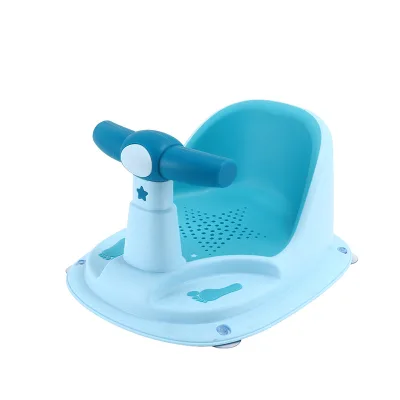
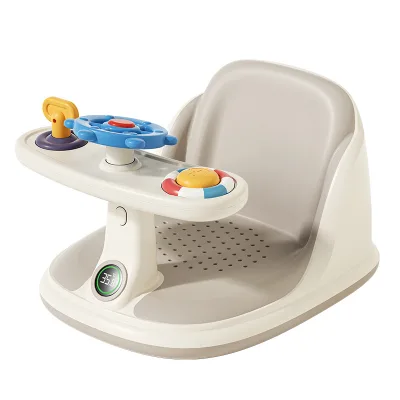
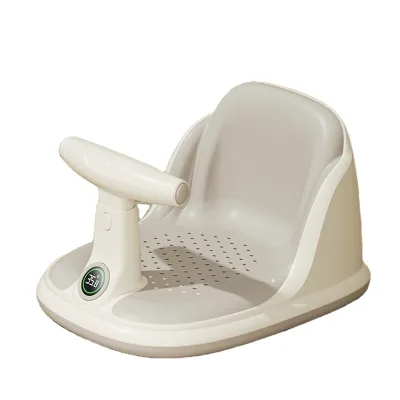
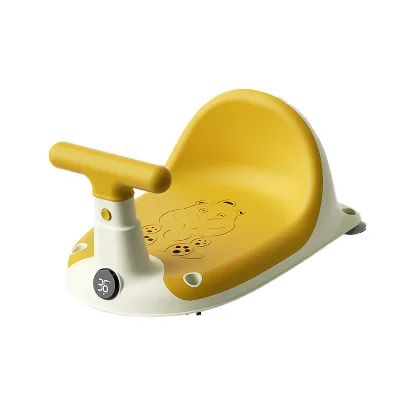
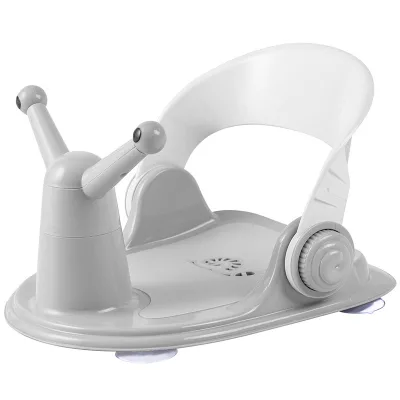


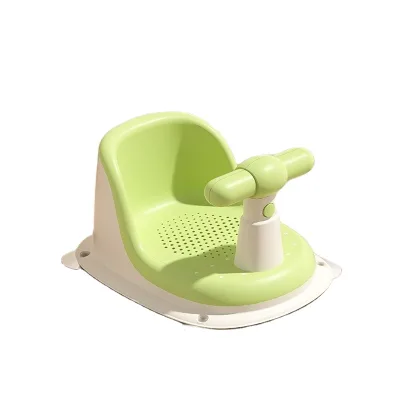
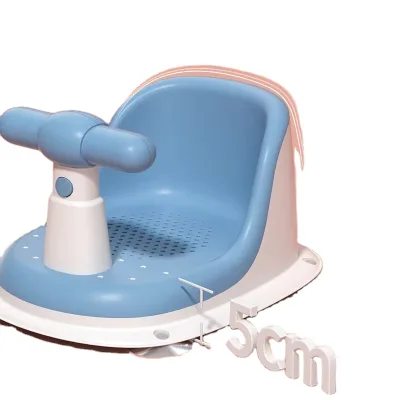
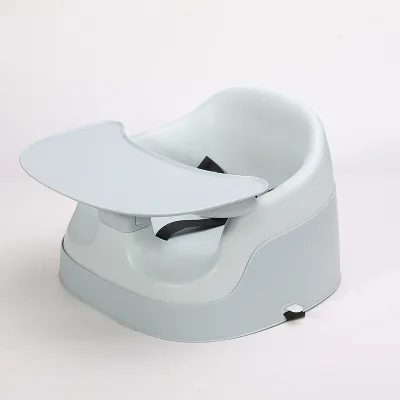
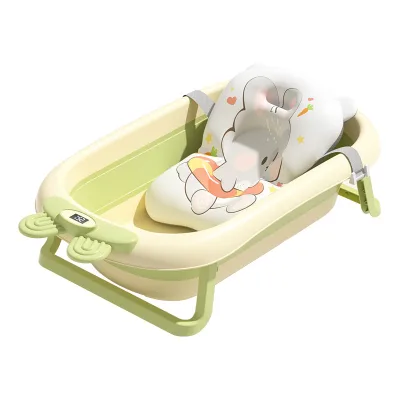


Baby Booster Floor Seat High Chair Safety Bath Chair Durable Good Quality Seat
$4.90 - $21.50
MOQ: 100 Pieces
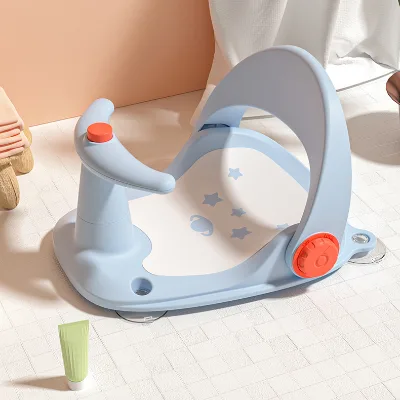
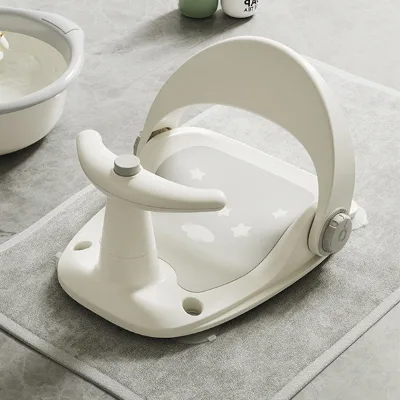
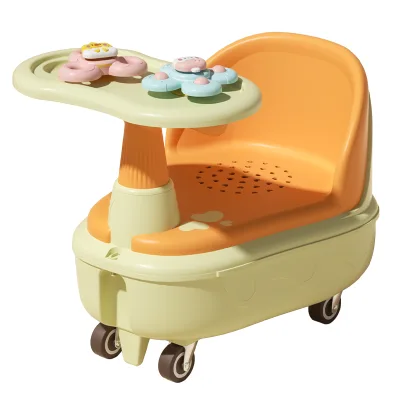


Portable Safety Home Adjustable Baby Bath Chair Children Shower Chair with Waist Belt
$80.00 - $200.00
MOQ: 1 Pieces

Medical Foldable Bath Chair for Cerebral Palsy Kids – Lightweight for Homecare
$178.00 - $228.00
MOQ: 1 Pieces


Comprehensive Sourcing Guide
High Adjustable Baby Bath Chair Sourcing Guide
Sourcing high adjustable baby bath chairs requires a careful balance between ergonomic design, material durability, and strict safety compliance. These specialized fixtures are designed to support infants and toddlers during bathing, reducing physical strain on caregivers while ensuring the child remains secure and comfortable. The market offers a variety of configurations, from simple plastic stools to complex, height-adjustable units with backrests and armrests. Buyers must navigate a landscape where product attributes vary significantly, including material composition, folding mechanisms, and specific application settings such as home bathrooms or clinical environments.
The procurement process involves verifying that the selected unit meets both functional requirements and regulatory standards. Observed listings indicate a wide range of product models, with some units featuring aluminum construction for lightweight durability and others utilizing ABS plastic for cost-effective robustness. Key features often include height adjustability, foldability for storage, and specific dimensions tailored to standard bathtub sizes. Understanding these variations is critical for selecting a product that aligns with your target market’s needs, whether that market prioritizes portability, premium aesthetics, or clinical-grade hygiene.
Product Scope and Observed Listing Signals
The current market landscape for baby bath chairs includes diverse product types, ranging from basic bath seats to more complex adjustable chairs with backrests. Observed listings reveal products with specific model numbers such as BME 350, 807, and ST-C1, each catering to different user preferences. Some units are designed with a European style and feature a square shape, while others are marketed specifically as "baby folden chairs" or storage boxes. The presence of customization options and OEM acceptance suggests that many manufacturers are open to branding and design modifications, allowing buyers to create unique product offerings.
Material composition is a primary differentiator among available options. Listings indicate the use of aluminum, plastic, and ABS materials, each offering distinct advantages in terms of weight, strength, and cost. For instance, aluminum units may offer a premium feel and corrosion resistance, while ABS plastic provides impact resistance and ease of cleaning. Additionally, some products are noted to have cushions or optional add-ons, enhancing comfort for the child. Buyers should carefully review these material specifications to ensure they align with their quality standards and target price points, as material choice directly influences the final product’s durability and perceived value.
Technical Specifications to Verify
When evaluating technical specifications, seat dimensions and adjustability mechanisms are paramount. Observed data shows seat lengths around 17 inches and widths of 10.5 inches, which must be verified against the intended user demographic to ensure adequate support and safety. Height adjustability is a critical feature, with some units explicitly labeled as adjustable, allowing caregivers to position the chair at a comfortable working height. It is essential to confirm the range of adjustment and the stability of the locking mechanisms to prevent accidental collapse or shifting during use.
Packaging and logistical specifications also play a significant role in procurement planning. Carton dimensions vary, with some units packing 4 pieces per carton in standard brown cartons, while others are packed individually. Gross weights and standard sizes, such as 66 x 40 x 38 cm or 536088 cm, impact shipping costs and warehouse storage requirements. Buyers should verify the packing efficiency and unit weight to calculate landed costs accurately. Additionally, features like foldability and fixed rotary bases should be confirmed to ensure the product meets storage and usability expectations.
Compliance and Safety Documentation
Safety compliance is non-negotiable for baby bath products, and buyers must ensure that suppliers provide appropriate certification documentation. Observed listings mention CE, RoHS, and ISO certifications, which are critical for market access in many regions. These certifications indicate that the product meets specific safety, environmental, and quality management standards. However, buyers should request valid certificates and verify their authenticity with the issuing bodies, as certification status can vary between different product models or manufacturing batches.
Beyond general certifications, specific safety standards for baby products must be considered. While ASTM F1967-24 is mentioned in background contexts, buyers should verify if this or equivalent regional standards apply to their target markets. This standard typically covers safety specifications for bath seats, including stability, slip resistance, and structural integrity. Buyers should ask suppliers for test reports or compliance statements related to these specific standards to mitigate liability risks and ensure product safety for end-users.
Cost Drivers and Commercial Terms
Pricing for high adjustable baby bath chairs varies widely, with observed ranges from $1 to $228 USD, reflecting differences in materials, features, and order volumes. Minimum Order Quantities (MOQs) also vary, with some suppliers requiring as few as 100 pieces, while others set MOQs at 200 or up to 500 pieces. Buyers should align their order quantities with their sales forecasts and storage capacity, negotiating MOQs where possible to reduce initial inventory risk. Understanding the price-break tiers is essential for maximizing margins as order volumes increase.
Payment terms and lead times are other critical commercial factors. Observed payment methods include TT, LC, and Western Union, offering flexibility for different transaction sizes and risk appetites. Lead times, such as the observed 20-day delivery time, impact inventory planning and customer fulfillment. Buyers should clarify production schedules, especially during peak seasons, and confirm whether lead times include packaging and shipping preparation. Clear communication on these terms helps avoid delays and ensures smooth supply chain operations.
Supplier Qualification and Quality Control
Supplier qualification involves assessing manufacturing capabilities and quality control processes. Buyers should verify the supplier’s origin, with observed locations including Jiangsu and Zhejiang in China, regions known for their manufacturing expertise. It is crucial to evaluate the supplier’s ability to maintain consistent quality across batches, particularly for products with customizable features. Requesting samples before placing bulk orders allows buyers to inspect material quality, finish, and functionality firsthand.
Quality control measures should be clearly defined in the purchase agreement. Buyers should specify inspection criteria, such as structural integrity, surface finish, and packaging durability. For products with moving parts like height adjusters, functional testing is essential. Additionally, buyers should inquire about the supplier’s defect rate and warranty policies, with observed warranties ranging up to 24 months. Establishing a robust quality assurance process helps minimize returns and protects brand reputation.
Long-Term Procurement Checks
Long-term procurement success depends on continuous supplier performance monitoring and market adaptation. Buyers should regularly review supplier delivery times, product quality, and responsiveness to issues. Building a strong relationship with reliable suppliers can lead to better pricing, priority production, and access to new product developments. It is also important to stay updated on changing safety regulations and consumer preferences, ensuring that the product portfolio remains compliant and competitive.
Feedback loops from end-users and retail partners are invaluable for product improvement. Buyers should collect data on common complaints or suggestions, such as issues with cushion durability or adjustability mechanisms, and share this feedback with suppliers for product refinement. Additionally, exploring opportunities for further customization, such as color variations or additional accessories, can help differentiate products in a crowded market. Continuous evaluation and adaptation are key to sustaining long-term profitability and customer satisfaction.
FAQs
What certifications do high adjustable baby bath chairs have?
These chairs typically carry CE, RoHS, and ISO certifications. This ensures compliance with international safety and environmental standards for products used in hospitals and homes.
Can I customize the High Adjustable Baby Bath Chair design?
Yes, customization is available for these products. Buyers can request specific features like color or material changes, with OEM services accepted to meet unique requirements.
What is the minimum order quantity for these chairs?
The minimum order quantity varies between 100 and 200 pieces depending on the specific model. Some listings require 100 pieces while others set the threshold at 200 units.
How long is the delivery time for these chairs?
The standard delivery time is approximately 20 days after order confirmation. This lead time applies to standard production runs for the High Adjustable Baby Bath Chair models.
What materials are used to make these chairs?
Manufacturers use materials such as aluminium, plastic, and ABS for construction. These durable materials ensure the chairs are suitable for bathroom environments and provide long-term stability.
Do these chairs come with a warranty?
Yes, a 24-month warranty is commonly provided for these products. This coverage protects buyers against manufacturing defects during the specified period after purchase.