Source High Altitude Relay Drone Tether for Surveillance, Search, and Power
Find 30 High Altitude Relay Drone Tether systems with customizable power outputs and cable lengths. Buyers can compare ground and air module specifications, including voltage ranges and flight durations up to 48 hours, for diverse industrial applications.
Key considerations
Products List


6000W Cleaning Drone Tether Station 110/220m High Altitude Cable - Continuous Power Supply
$13320.00 - $13600.00
MOQ: 1 Pieces


Long Range Drone Wireless Video Data Link Telemetry Uav Relay Communication Module
$3050.00 - $3143.00
MOQ: 1 Pieces


RC Video Drone Ground Control Station Remote Control System Video Telemetry RC Link
$4400.00 - $4500.00
MOQ: 1 Pieces


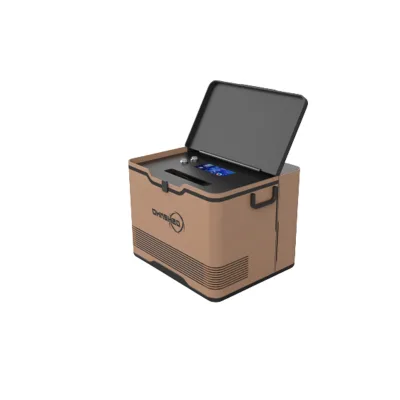
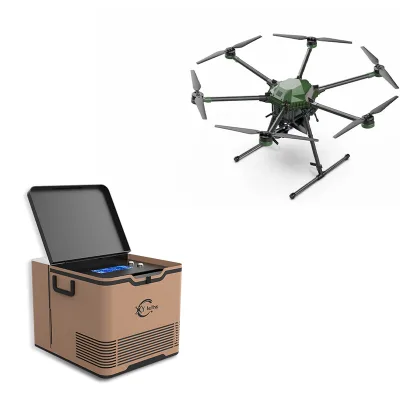
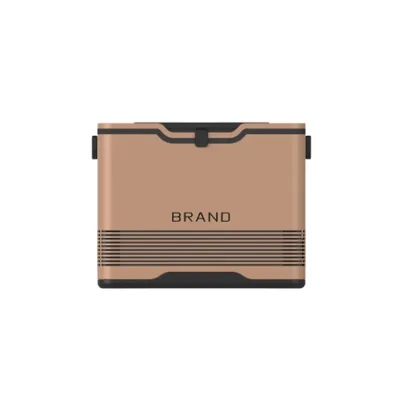

drone wireless datalink communication IP mesh video audio relay Radio
$9034.00 - $10567.00
MOQ: 2 Pieces

Heavy-lift Drone Communication Relay UAV audio video mimo transmitter
$5000.00 - $7000.00
MOQ: 2 Pieces


Comprehensive Sourcing Guide
Strategic Sourcing Guide for High Altitude Relay Drone Tether Systems
Understanding the Technical Architecture of Tethered Relay Solutions
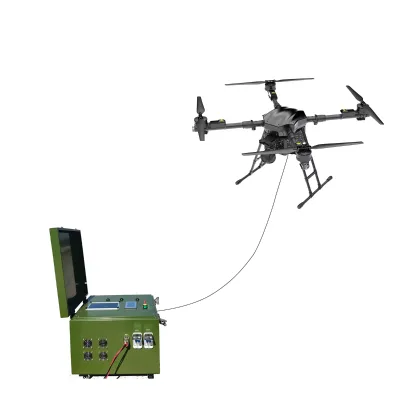
When sourcing High Altitude Relay Drone Tether systems, buyers must first distinguish between the modular components that constitute the complete operational unit. These systems are engineered to provide continuous power and data transmission, effectively eliminating the flight time limitations inherent in battery-operated UAVs. The core architecture typically divides into two primary modules: the ground module and the air module, connected via a specialized tether cable. The ground module serves as the power generation and management hub, while the air module functions as the power distribution and data relay unit attached to the drone.
The technical specifications for these systems vary significantly based on the intended payload and altitude requirements. For lower power applications, ground modules may feature a wide-range AC input voltage of 190-240VAC, converting this to a DC output of 700750VDC. In contrast, high-power relay stations designed for extended endurance often require a 360440VAC input to generate a higher DC output ranging from 700~900VDC. The air module output voltage is equally critical, with configurations available at 25V or 50VDC for lighter loads, and stepping up to 59.0VDC or 96.0VDC for heavier relay payloads. The output power ratings are equally diverse, ranging from 3000W for standard operations to systems capable of sustained outputs exceeding 18.0kW or even 20.0kW for high-altitude relay missions.
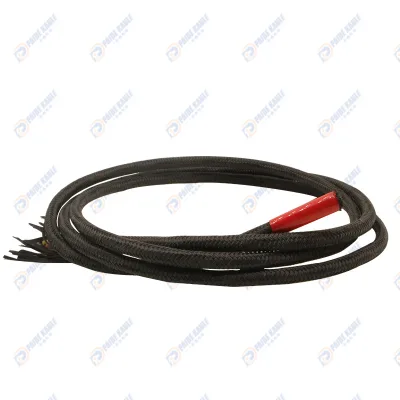
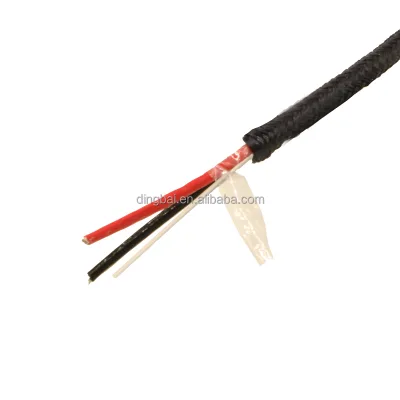
The physical characteristics of the tether cable are a defining factor in system performance. Buyers should expect cable lengths to be customizable, with standard configurations observed between 33m and 330m, or specific fixed lengths such as 55m, 110m, 220m, and 200m. The inclusion of fiber optic cables is often an optional feature for high-bandwidth data transmission, which is essential for real-time relay operations. The weight of the air module is a critical constraint for the drone's lift capacity; observed weights range from approximately 995g for lighter systems to 3000g for higher power units, with some advanced models weighing up to 7.5kg. Understanding these specific weight and power ratios is essential for matching the tether system to the correct drone airframe, such as the DJI M3, M30, M350, or Flycart30 series, which are frequently cited as compatible platforms.
Compliance, Certification, and Safety Standards Verification
In the procurement of high-altitude tethered systems, verifying compliance with international safety and operational standards is paramount. While specific certification documents like REACH may be referenced in general industry backgrounds, buyers must not assume compliance without direct verification from the supplier. The absence of explicit certification data in product listings necessitates a rigorous due diligence process where the buyer requests current test reports and compliance certificates directly from the manufacturer.
The physical construction of the system must adhere to strict environmental and safety standards. The housing for both ground and air modules is typically designed as an aviation hard case or a plastic hard case, ensuring protection against the elements during deployment. The dimensions of these cases vary, with observed standard sizes including 720×570×380mm, 620×620×600mm, and 720×720×650mm. These dimensions are critical for logistics planning and storage requirements. Buyers should verify that the product origin, often cited as Nanjing, China, aligns with the supply chain requirements of the procurement entity. Furthermore, the input voltage ranges, such as 190-240VAC or 360-440VAC, must be compatible with the local electrical infrastructure of the deployment site. Failure to match these voltage standards can lead to equipment failure or safety hazards.
Cost Drivers and Pricing Dynamics in Tether Procurement
The cost structure of High Altitude Relay Drone Tether systems is influenced by several key variables, primarily output power, cable length, and customization levels. The observed price range in the market is extensive, spanning from $1 to $50,000, reflecting the vast difference between a basic 600W kit and a comprehensive 18kW or 20kW industrial relay station. This wide variance indicates that pricing is not linear but rather exponential relative to power output and technical complexity.
Minimum Order Quantities (MOQ) also play a significant role in the total cost of ownership. The market shows an MOQ range from 1 unit up to 1000 units, suggesting that buyers can procure single units for pilot programs or large batches for fleet deployment. Customization is a major cost driver; features such as adjustable output voltages (10-100VDC), specific cable lengths (33m-330m), and custom packing solutions add to the base cost. Buyers should anticipate that systems with "V2" or "V3" designations, which often imply updated power electronics or enhanced reliability, may carry a premium over older generation models. Additionally, the inclusion of fiber optic cables and specialized aviation hard cases will increase the unit price compared to standard plastic packaging.
Operational Applications and Mission Profiles
High Altitude Relay Drone Tether systems are designed for specific operational profiles where continuous presence and data transmission are critical. The primary application is extending the communication range of ground control stations by acting as a mid-air relay node. This capability allows for operations beyond the line of sight (BLOS) of standard radio frequencies. The systems support hovering times of 24 hours or even 48 hours, enabling persistent surveillance and monitoring missions that are impossible with battery-only drones.
The versatility of these systems allows them to be deployed in various scenarios, including disaster response, border security, and infrastructure inspection. The ability to output power ranging from 600W to 18,000W means the system can support a wide array of payloads, from simple cameras to heavy sensor suites and communication relays. The compatibility with specific drone models like the DJI M350 and Flycart30 suggests a strong focus on commercial and industrial applications where reliability and payload capacity are non-negotiable. The optional fiber cable feature is particularly valuable for applications requiring high-speed data uplink, such as live video streaming or real-time telemetry for autonomous decision-making.
Supplier Evaluation and Quality Control Protocols
Evaluating a supplier for high altitude relay systems requires a focus on technical transparency and manufacturing consistency. Buyers should prioritize suppliers who provide detailed specifications for the ground and air modules, including precise weight tolerances (e.g., 12.5 ± 0.2kg for ground modules) and voltage stability (e.g., ±1% for air module output). The consistency of the output power, described as "Rated Long-Term Output," is a key indicator of the supplier's ability to maintain performance under continuous load.
Quality control should extend to the physical durability of the components. The use of aviation hard cases suggests a focus on ruggedness, but buyers must verify the specific material standards and environmental ratings. The weight of the air module is a critical quality metric; a deviation from the specified weight (e.g., 995g vs. 3000g) can significantly impact the drone's flight characteristics and safety. Buyers should request sample units or detailed third-party test reports to validate the claimed output power and voltage stability. Additionally, the customization capabilities of the supplier should be assessed to ensure they can meet specific project requirements, such as custom cable lengths or voltage outputs, without compromising the integrity of the system.
Long-Term Procurement and Maintenance Considerations
For organizations planning long-term deployment of tethered relay systems, maintenance and lifecycle management are crucial. The modular nature of these systems allows for the replacement of individual components, such as the air module or the ground power unit, without replacing the entire system. However, the longevity of the tether cable is a primary concern, as it is subject to constant mechanical stress and environmental exposure. Buyers should inquire about the cable's tensile strength, abrasion resistance, and expected service life.
The compatibility of the system with existing drone fleets is another long-term consideration. As drone technology evolves, the tether system must remain compatible with new airframes and payloads. The availability of spare parts, such as the 18kW drone spare parts mentioned in product listings, is essential for minimizing downtime. Buyers should also consider the scalability of the system; the ability to upgrade from a 3kW system to a 6kW or 12kW system can extend the useful life of the initial investment. Finally, the lead time for custom orders and the availability of technical support should be factored into the procurement strategy to ensure operational continuity in critical missions.
Comparative Analysis of System Configurations
To assist in the selection process, the following table compares key specifications across different observed configurations of High Altitude Relay Drone Tether systems. This comparison highlights the trade-offs between power output, weight, and physical dimensions.
| Feature | Configuration A (Low Power) | Configuration B (Mid Power) | Configuration C (High Power) | Configuration D (Ultra High Power) |
|---|---|---|---|---|
| Ground Output Power | 3500W | 10500W | ≥ 20.0kW | ≥ 18.0kW |
| Air Output Power | 3000W | 9000W | ≥ 18.0kW | 6000W-18000W (Custom) |
| Ground Module Weight | 12.5 ± 0.2kg | 22 ± 0.2kg | 38.0 ± 0.2kg | N/A (Varies) |
| Air Module Weight | 995 ± 10g | 3000 ± 10g | ≤ 7.5kg | N/A (Varies) |
| Ground Input Voltage | 190-240VAC | 360-440VAC | 360-440VAC | 190-240VAC |
| Air Output Voltage | 25V or 50VDC | 50.0 or 58.5VDC | 59.0VDC or 96.0VDC | 10-100VDC (Custom) |
| Cable Length | 55m / 110m | 110m / 220m | 100m / 200m | 33m - 330m |
| Packing Type | Plastic Hard Case | Aviation Hard | Aviation Hard Case | Aviation Hard Case |
| Dimensions (LxWxH) | 720×570×380mm | 620×620×600mm | 720×720×650mm | N/A (Varies) |
This table illustrates that as power requirements increase, the weight of the ground module and the dimensions of the packaging also increase. The air module weight remains a critical constraint, with the highest power configurations requiring careful balancing to ensure the drone can sustain the load. Buyers must weigh these specifications against their specific mission requirements to select the most appropriate configuration.
FAQs
What power output does the ground module provide?
The ground module provides a rated long-term output of 3500W or up to 20.0kW depending on the configuration. Specific models offer adjustable output voltages ranging from 700VDC to 900VDC to match different air module requirements.
How long can the drone hover with this tether system?
The system supports hovering times of 24 hours or 48 hours continuously. This endurance is achieved by the tether providing constant power, eliminating the limitations of standard battery-operated drone flight times.
Which cable lengths are available for the tether?
Available cable lengths include specific options like 55m, 110m, 220m, and 200m, with customizable ranges extending from 33m to 330m. Buyers can select fixed lengths or request custom configurations based on mission altitude needs.
Can the air module output voltage be customized?
Yes, the air module output voltage can be customized between 10VDC and 100VDC. Standard configurations offer fixed outputs such as 25V, 50V, 58.5V, or 96VDC with a stability of ±1% for precise payload operation.
What is the weight of the air module?
Air module weights vary by power class, ranging from approximately 995g for lighter units to 3000g for mid-power models. Higher capacity systems may weigh up to 7.5kg, requiring careful selection to match drone lift capacity.
How is the equipment packed for transport?
The equipment is packed in either a plastic hard case or an aviation hard case depending on the specific model. Standard dimensions for these cases include sizes like 720×570×380mm or 620×620×600mm to ensure safe transit.
Which drone models are compatible with this tether?
The system is compatible with DJI drones including the M3, M30, M350, and the Flycart30 series. Compatibility ensures the tether station integrates seamlessly with these specific airframes for relay and power delivery missions.