Find high altitude work safety harness with d-ring for construction, rescue, and power
Source 30 verified options for high altitude work safety harness with d-ring designed for general climbing, construction protection, and rescue operations. Compare specifications including webbing width, strength ratings, and certification standards from suppliers in China.
Key considerations
Products List
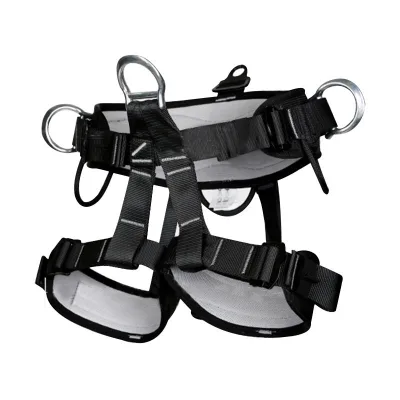
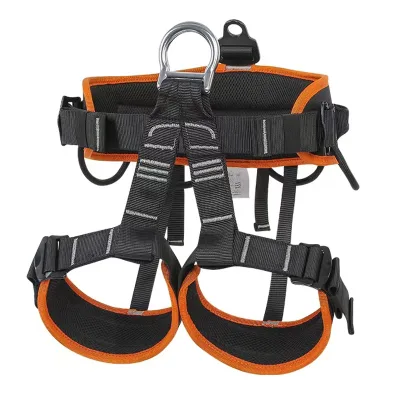


High Altitude Outdoor 5-Point Safety Belt Full Body Harness for Work at Height
$30.00 - $40.00
MOQ: 200 Pieces

Durable ANSI Type Polyester Safety Full Body Harness for High-Altitude Work
$7.00 - $25.00
MOQ: 100 Pieces

High Altitude Operation Full Body Harness Outdoor Rock Climbing Safety Harness Belt
$7.00 - $30.00
MOQ: 100 Pieces


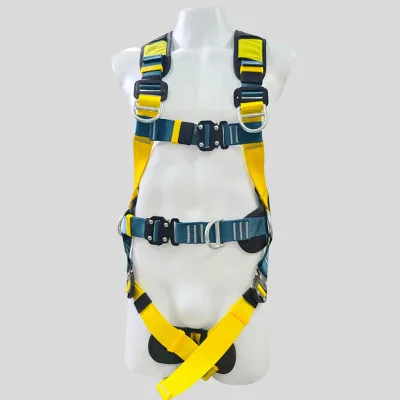


High Altitude Operation Protective Safety Harness Safety Belt with Good Quality
$5.18 - $21.00
MOQ: 500 Pieces


Comprehensive Sourcing Guide
Strategic Sourcing Guide for High Altitude Work Safety Harnesses with D-Ring
Understanding Technical Specifications and Core Components
When sourcing a high altitude work safety harness with a D-ring, buyers must first establish a clear understanding of the technical architecture that defines product reliability. The core component of any such harness is the webbing, which serves as the primary load-bearing structure. In the current market, high-strength polyester is the dominant material specification, offering a balance of durability and resistance to environmental degradation. The webbing width is a critical dimension that directly correlates with load distribution; observed specifications frequently cite a width of 45 mm, a standard dimension designed to minimize pressure points on the user's body while maintaining structural integrity under tension.
The D-ring itself is a focal point of the design, serving as the attachment point for lanyards and lifelines. Buyers should verify the specific strength ratings of these hardware components, as they are often the limiting factor in the system's overall capacity. Available data indicates that D-ring strength can reach up to 25 kN, while the main body webbing and buckles may have ratings around 18 kN to 23 kN. It is essential to note that these values are not universal; they vary by manufacturer and specific model. The harness style generally falls under "Body Fall Protection," designed to distribute the forces of a fall arrest across the thighs, pelvis, chest, and shoulders.
Structural features such as padded adjustable straps for the back, chest, and legs are common in high-performance models. These features, often described as having adjustable buckles, are crucial for ensuring a snug fit, which is a prerequisite for effective energy absorption during a fall. The number of D-ring hooks typically ranges from two to three, allowing for versatile positioning of safety lines. The overall weight of the harness is another specification to consider for worker comfort during long shifts, with observed ranges falling between 1.2 kg and 1.8 kg. Temperature resistance is also a technical factor, with some units rated for operation between -20°C and 60°C, ensuring functionality in diverse climatic conditions.
Compliance and Certification Verification Protocols
In the realm of personal protective equipment (PPE), compliance is not merely a formality but a critical safety requirement. Buyers must rigorously verify that any safety harness sourced meets the relevant national and international standards. The supplied context highlights several key certifications and standards that serve as benchmarks for quality. These include the CE certification, which indicates conformity with health, safety, and environmental protection standards for products sold within the European Economic Area. Furthermore, specific standards such as EN361 (for full body safety harnesses) and EN358 (for positioning systems) are referenced as critical compliance markers.
Beyond European standards, buyers should look for adherence to ANSI standards, which are prevalent in North American markets, and National Standards specific to the country of origin, such as those from China. The presence of certifications like DOT, FDA, ISO, and RoHS may also appear in product listings, though their relevance depends heavily on the specific application and regional regulations. It is imperative for procurement teams to request valid certification documents directly from the supplier rather than relying solely on marketing claims. The verification process should include checking the scope of the certification to ensure it explicitly covers the specific model of the harness being purchased.
The distinction between different certification types is vital. For instance, a harness intended for general climbing or rescue operations must meet different criteria than one designed for industrial construction. The "National standard + CE certification" combination suggests a dual-compliance approach, which is advantageous for international trade. However, buyers must be cautious of vague claims. If a supplier lists "CE" without specifying the standard (e.g., EN361), the claim may be insufficient for high-altitude work. Therefore, the procurement strategy must prioritize suppliers who can provide traceable, up-to-date certification documents that align with the specific regulatory environment of the buyer's operational location.
Cost Drivers and Pricing Dynamics in the Market
The pricing of high altitude work safety harnesses is influenced by a complex interplay of factors, including material quality, manufacturing complexity, certification costs, and order volume. The observed price range in the market spans from approximately $0.30 to $40.00 USD, a wide variance that reflects differences in product tiers and specifications. At the lower end of this spectrum, products may be basic models with minimal padding or standard webbing, while the higher end likely encompasses harnesses with advanced features such as enhanced energy absorbers, superior padding, and comprehensive certification packages.
Material costs play a significant role in pricing. The use of 100% high-strength polyester is standard, but the quality of the weave and the treatment of the fibers can vary, impacting the final cost. Additionally, the hardware components, such as the D-rings and buckles, contribute substantially to the price. A D-ring with a verified strength of 25 kN will cost more than a standard component. The complexity of the design, including the number of adjustment points and the inclusion of features like shock-absorbing lanyards, also drives up the manufacturing cost.
Order volume is another critical cost driver. The Minimum Order Quantity (MOQ) observed in the market ranges from 1 piece to 500 pieces. Suppliers often offer tiered pricing structures where the unit cost decreases as the order volume increases. For buyers with small procurement needs, the per-unit cost may be higher due to the fixed costs of production and packaging. Conversely, large-scale procurement can leverage economies of scale to secure more favorable pricing. Buyers should also consider the packaging details, as custom packaging or specialized palletizing may incur additional fees. The "Ask the customer service" note regarding packaging details suggests that costs can be variable and dependent on specific buyer requirements.
Typical Applications and Operational Scope
High altitude work safety harnesses with D-rings are designed for a broad spectrum of applications where fall protection is essential. The primary scope of application includes high-altitude work, construction protection, power line maintenance, and rescue operations. In the construction industry, these harnesses are indispensable for workers operating on scaffolding, rooftops, or steel structures where the risk of falling is significant. The ability to quickly install and adjust the harness is a key advantage in these dynamic environments, allowing workers to maintain mobility while remaining secured.
In the power sector, harnesses are used by linemen and technicians working on transmission towers and utility poles. The specific design features, such as the number of D-rings and the type of energy absorber, must be compatible with the specific tasks performed, such as positioning or fall arrest. Rescue operations present another critical application area, where the reliability of the harness is paramount. In these scenarios, the harness must support the weight of both the rescuer and the victim, requiring robust strength ratings and durable materials.
The versatility of these harnesses is further enhanced by their adaptability to different body types and work styles. Customized sizes and colors are often available, allowing for better identification and fit. The "General Climbing" application indicates that these harnesses are also suitable for recreational or industrial climbing activities. However, buyers must ensure that the specific model selected matches the intended use. For example, a harness designed for positioning (EN358) may not be suitable for fall arrest (EN361) without additional components. Understanding the specific operational context is essential for selecting the right product to ensure worker safety and regulatory compliance.
Supplier Evaluation and Geographic Considerations
Evaluating suppliers for safety harnesses requires a thorough assessment of their capabilities, location, and reputation. The majority of the observed products originate from Shandong Province and Zhejiang Province in China, regions known for their manufacturing capabilities in industrial safety equipment. When evaluating potential suppliers, buyers should verify the "Place of Origin" to ensure it aligns with their quality expectations and logistical preferences. The presence of multiple models from the same region, such as the NKR-056 and CS-099, suggests a concentration of expertise in this area.
Supplier reliability is often indicated by their ability to provide detailed product specifications and certifications. A supplier that clearly lists attributes such as "High Strength," "Quick Installation," and specific model numbers demonstrates a level of transparency that is crucial for B2B procurement. Buyers should also assess the supplier's responsiveness to inquiries, particularly regarding packaging details and customization options. The "Ask the customer service" note for packaging details implies that communication is a key part of the procurement process, and suppliers who are responsive and helpful are likely to be more reliable partners.
Customization is another factor to consider when evaluating suppliers. The availability of customized sizes, colors, and packaging options indicates a supplier's flexibility and ability to meet specific buyer needs. However, buyers must ensure that customization does not compromise the product's safety standards. The "Customization: Available" attribute suggests that suppliers are willing to adapt their products, but this must be done within the bounds of established safety protocols. Ultimately, the goal is to partner with a supplier who can consistently deliver high-quality, compliant products that meet the specific demands of the buyer's operations.
Quality Control and Long-Term Procurement Strategies
Implementing a robust quality control (QC) strategy is essential for ensuring the long-term safety and reliability of safety harnesses. Given the critical nature of these products, buyers should establish clear QC protocols that include pre-shipment inspections and random sampling. The QC process should verify that the webbing width, D-ring strength, and buckle strength match the specified requirements. For instance, confirming that the webbing is indeed 45 mm and that the D-ring strength is at least 25 kN is a fundamental step in the quality assurance process.
Long-term procurement considerations also involve managing the lifecycle of the product. Safety harnesses are subject to wear and tear, and regular inspections are necessary to ensure they remain fit for use. Buyers should inquire about the recommended inspection intervals and replacement criteria from the supplier. The "Abrasion Resistance: High Durability" attribute suggests that some models are designed for extended use, but this does not eliminate the need for regular checks. Additionally, the "Temperature Range" and "Energy Absorber Type" should be considered when planning for long-term use in varying environmental conditions.
To mitigate risks, buyers should develop a diversified supplier base rather than relying on a single source. This approach helps to ensure continuity of supply and provides leverage in negotiations. Furthermore, maintaining open communication with suppliers regarding any changes in standards or regulations is crucial. As safety standards evolve, suppliers must be able to adapt their products accordingly. By focusing on quality control and strategic supplier relationships, buyers can ensure that their workforce remains protected and that their procurement operations remain efficient and compliant.
Finalizing the Procurement Decision
The final step in the procurement process involves synthesizing all gathered information to make an informed decision. Buyers must balance technical specifications, compliance requirements, cost considerations, and supplier reliability to select the optimal safety harness. The wide range of available options, from basic models to highly customized solutions, provides flexibility but also requires careful evaluation. By adhering to the principles of evidence-based sourcing and maintaining a focus on safety and compliance, buyers can secure high-quality products that meet the demanding needs of high-altitude work environments.
The decision-making process should be documented thoroughly, with clear records of the specifications, certifications, and supplier evaluations. This documentation serves as a valuable resource for future procurement activities and helps to ensure accountability. Ultimately, the goal is to protect the workforce while optimizing the procurement process. By following the guidelines outlined in this sourcing guide, buyers can navigate the complexities of the safety harness market and make decisions that prioritize safety, quality, and value.
FAQs
What certifications do high altitude work safety harnesses with d-ring have?
These harnesses typically hold National standard and CE certification, with some models also meeting EN361 and EN358 standards. Buyers must verify specific documents to ensure compliance with regional regulations before procurement.
How strong are the D-rings and buckles on these safety harnesses?
D-rings can reach a strength of 25 kN, while buckles often have a rating of 18 kN. Main body webbing strength may vary, with some models rated at 23 kN or higher depending on the specific design.
Which materials are used to construct high altitude work safety harnesses with d-ring?
The primary material is 100% high-strength polyester webbing, designed for durability and resistance to environmental degradation. This material ensures the harness maintains structural integrity under tension during fall arrest scenarios.
Can buyers customize the size and color of these safety harnesses?
Yes, customized sizes and colors are available to meet specific operational needs. Suppliers often offer flexible customization options while maintaining the required safety standards and structural integrity of the product.
What is the typical weight range for these high altitude work safety harnesses with d-ring?
The harness weight generally falls between 1.2 kg and 1.8 kg for comfort during long shifts. Some specific models may weigh up to 2.6 kg depending on the inclusion of additional padding or hardware components.
How does the webbing width affect the performance of these safety harnesses?
A webbing width of 45 mm is standard to minimize pressure points while maintaining load distribution. This dimension helps ensure the harness distributes fall forces effectively across the user's body during an incident.
What is the minimum order quantity for sourcing these safety harnesses?
The minimum order quantity can be as low as 1 piece for some suppliers, while others may require up to 500 pieces. Buyers should check specific supplier terms as MOQs vary based on customization and pricing tiers.
Which locations are the primary sources for these high altitude work safety harnesses with d-ring?
Products originate primarily from Shandong Province and Zhejiang Province in China. These regions are known for their manufacturing capabilities in industrial safety equipment and offer a concentration of specialized suppliers.