Source High Altitude Rescue Foot Ascender for climbing, rescue, mountaineering
Find 30 High Altitude Rescue Foot Ascender options from verified Chinese manufacturers. Buyers can compare specifications, certifications, and prices for climbing, mountaineering, and rescue applications.
Key considerations
Products List
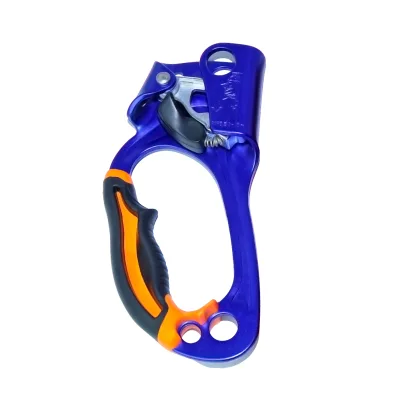
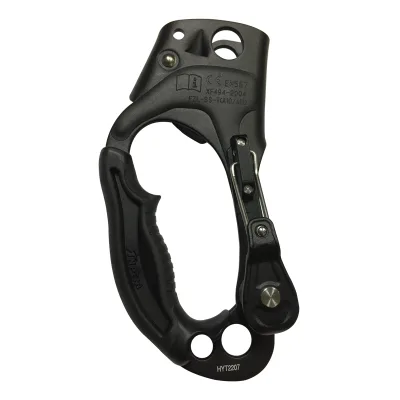

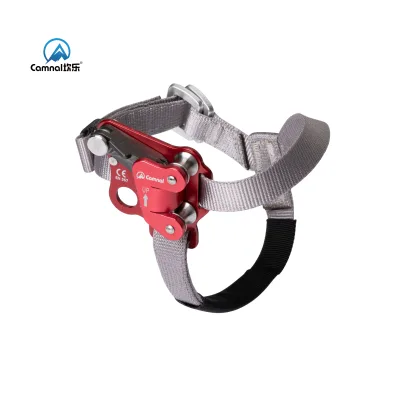
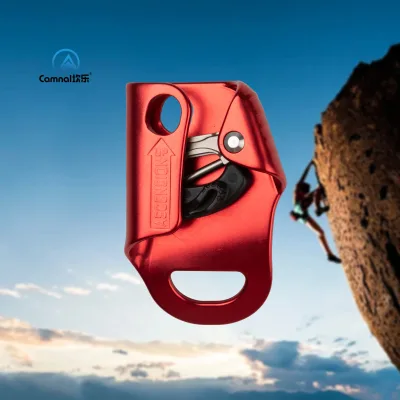
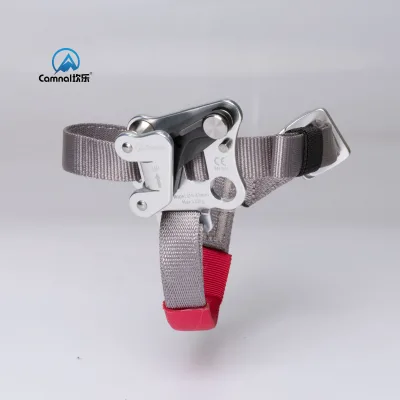


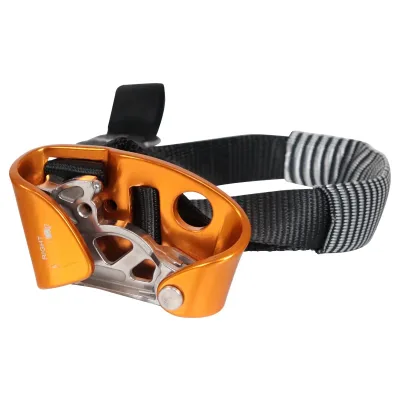


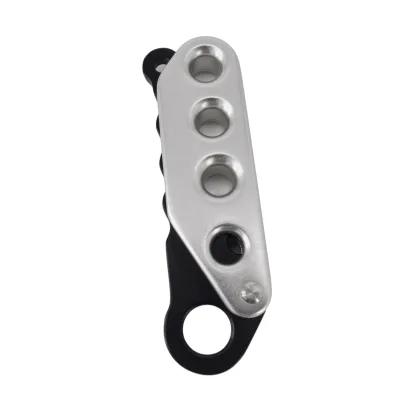
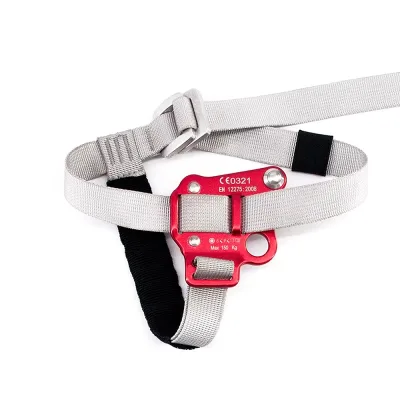
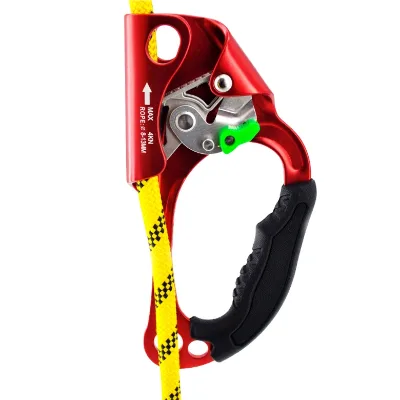
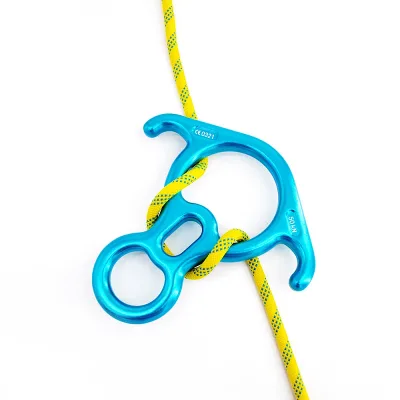
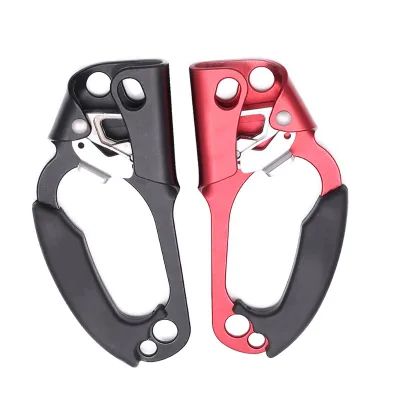
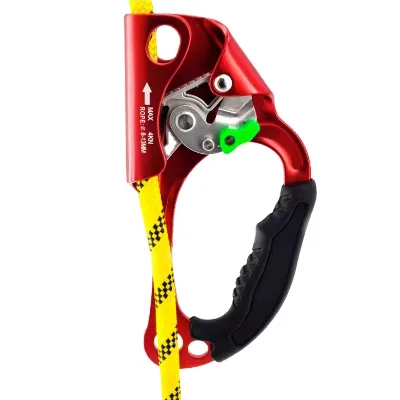

$168.00 - $170.00
MOQ: 10 Pieces


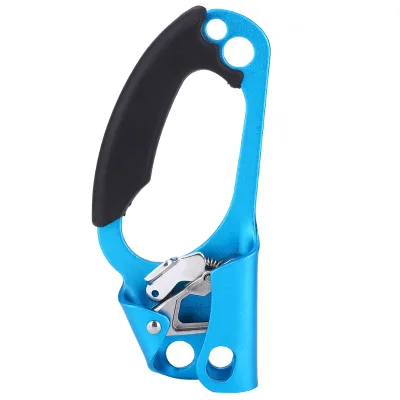
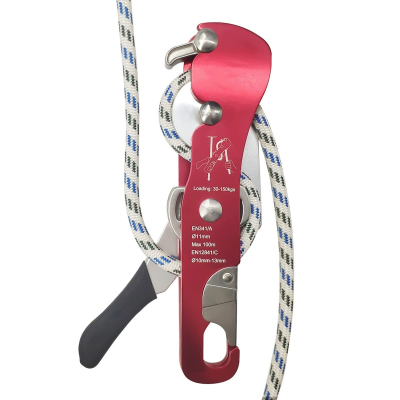
Comprehensive Sourcing Guide
Strategic Sourcing Guide for High Altitude Rescue Foot Ascenders
Procuring high-altitude rescue foot ascenders requires a rigorous approach that balances technical performance with regulatory compliance. In the global B2B market, these devices are critical components of survival and rescue kits, designed to facilitate vertical movement in extreme environments. The sourcing process must be grounded in verified product attributes rather than marketing assertions. Buyers must navigate a landscape where product names, material compositions, and certification standards vary significantly between listings. This guide outlines the essential steps for evaluating suppliers, validating technical specifications, and ensuring that the selected equipment meets the demanding requirements of high-altitude operations.
Technical Specifications and Material Integrity
The foundation of a reliable foot ascender lies in its mechanical design and material composition. When evaluating potential products, buyers must scrutinize the specific attributes listed in the product data. High-quality aluminum is frequently cited as a primary material for these devices, offering an optimal balance between weight reduction and structural strength. This is particularly vital for high-altitude rescue scenarios where every gram carried impacts the endurance of the rescue team. However, the market also presents options utilizing carbon steel or hardened metals, often associated with specific manufacturing processes like CNC machining or stamping.
Dimensions and weight are critical variables. Observed specifications in the current market range from compact units measuring approximately 4780mm to larger configurations reaching 20593mm. The single package size can vary from 10x10x10 cm to 20x20x20 cm, indicating differences in packaging density and potential internal component complexity. Buyers should verify the single gross weight, which has been observed at 2.000 kg for certain models, against the actual device weight to ensure accurate logistics planning. Furthermore, the "Applicable Shape" is a key technical constraint; some units are designed specifically for square shapes, while others may accommodate different profiles. The "Maximum load" capacity is another non-negotiable metric, with some listings specifying a limit of 100KG. This figure must be cross-referenced with the specific rescue protocols of the organization to ensure the device can safely support the combined weight of the user and their gear.
Compliance and Certification Verification
In the realm of rescue equipment, certification is not merely a formality but a legal and safety imperative. The market displays a mix of standards, including CE EN 567 and CE EN 892. These standards relate to specific testing protocols for personal protective equipment used in climbing and rescue. CE EN 567 typically addresses the requirements for ascenders, while CE EN 892 often pertains to harnesses and related climbing equipment, though some listings may conflate these or apply them broadly. Buyers must demand clear documentation proving that the specific model number, such as A11R or A14, has been tested and certified under these exact standards.
Additionally, quality management systems play a crucial role in supplier reliability. ISO9001:2015 is a standard observed in the supply chain, indicating that the manufacturer adheres to consistent quality management processes. However, the presence of a certificate does not guarantee that every unit produced meets the standard. Buyers should verify that the certification applies to the specific production batch or facility. Other certifications like CE 1282 may appear in listings, but their specific relevance to foot ascenders must be confirmed. The "Product Name" itself can sometimes be a source of confusion; for instance, a listing might describe a product as an "Electrical Accessories" or "Multi Tools" while the actual function is a "Right Handle Ascender" or "Climbing Foot Ascender." This discrepancy necessitates a deep dive into the functional description to ensure the product is genuinely intended for high-altitude rescue and not a generic tool mislabeled for the niche market.
Cost Drivers and Pricing Dynamics
Understanding the cost structure of high-altitude rescue foot ascenders is essential for budgeting and negotiation. The observed price range in the market is exceptionally broad, spanning from 0.1 USD to 850 USD. This variance is driven by several factors, including the complexity of the manufacturing process, the quality of the raw materials, and the level of customization required. A unit priced at the lower end of the spectrum may be a basic model with minimal features, while a unit at the higher end likely incorporates advanced CNC machining, specialized surface treatments, and rigorous testing.
The Minimum Order Quantity (MOQ) is another significant cost driver. Listings indicate an MOQ range from 1 piece to 200 pieces. For organizations requiring small, specialized batches for specific missions, an MOQ of 1 piece is advantageous, though the unit cost may be higher. Conversely, large-scale procurement for national rescue services can leverage economies of scale by ordering in bulk, potentially reducing the per-unit cost. The "Selling Units" are often listed as "Single item," which can complicate pricing for teams requiring matched pairs. Packaging details, such as "one pair in individual box, 20 pairs/carton," also influence the final landed cost, as they affect shipping volume and handling fees. Buyers must calculate the total cost of ownership, including shipping, duties, and potential re-packaging costs, rather than focusing solely on the listed unit price.
Typical Applications and Operational Context
High-altitude rescue foot ascenders are designed for a specific set of operational environments. The primary usage categories observed include rock climbing, mountaineering, and rescue operations. These devices are integral to "Survival Kits" and are often categorized under "Outdoor Accessories." The "Function" is explicitly stated as "fire protection and rescue" in some contexts, while others list "Cavinng" (caving) or general "sport" activities. This diversity in classification suggests that while the core mechanical function remains the same, the marketing and intended use cases vary.
The "Automation" level is another factor to consider. Some products are described as "Semi-Automatic," which implies a specific mechanism for engaging with the rope or cable. This feature can be crucial in high-stress rescue scenarios where rapid deployment is necessary. The "Brand Name" and "Type" also provide context; for example, a product branded as "Anpen" or "Camnal" and classified as a "sport" or "survival kit" item may have different design philosophies compared to industrial-grade rescue equipment. Buyers must align the product's intended usage with their operational needs. A device suitable for recreational caving may not possess the redundancy or load-bearing capacity required for professional high-altitude rescue missions.
Supplier Evaluation and Manufacturing Capabilities
Evaluating the supplier's manufacturing capabilities is a critical step in the sourcing process. The "Place of Origin" is a key indicator of the supply chain's geographic concentration. In the current market, significant production is located in Fujian, China, and Chongqing, China. These regions have established manufacturing ecosystems for metalworking and outdoor equipment. Buyers should investigate the specific capabilities of the factory, such as their proficiency in "Stamping/Bending/Welding/Machining/Assembly." The ability to perform "CNC Machining" and "Micro Machining" suggests a higher level of precision, which is essential for the intricate mechanisms found in high-performance ascenders.
"Surface Treatment" options like Powder Coating, Galvanizing, Brushing, and Polishing are also important indicators of quality. These processes protect the device from corrosion, which is a major concern in high-altitude environments where moisture, ice, and salt can degrade metal components. The "Material Capabilities" of the supplier, which may include Aluminum, Brass, Bronze, Copper, and Hardened Metals, determine the versatility of the manufacturer. A supplier with diverse material capabilities is better equipped to handle custom orders or produce devices with specific performance characteristics. Furthermore, the availability of "OEM/ODM" services indicates that the supplier can adapt products to meet specific client requirements, which is valuable for organizations with unique operational needs.
Quality Control and Long-Term Procurement
Ensuring long-term reliability requires a robust quality control strategy. The "Warranty" period is a strong indicator of the manufacturer's confidence in their product. A 3-year warranty, as observed in some listings, suggests a commitment to durability and after-sales support. However, buyers must verify the terms of the warranty, including what is covered and the process for claims. "Tolerance" specifications, often listed as "as Requested," highlight the importance of precision in manufacturing. Tight tolerances ensure that the ascender functions smoothly and safely under load.
For long-term procurement, "Customization" availability is a key factor. The ability to customize the product allows organizations to tailor the equipment to their specific rescue protocols. This might include specific color options, such as "Blue Option" or "Blue and Black Option," which can aid in visibility and identification during operations. The "Service" aspect, including support for "OEM/ODM," ensures that the supplier can grow with the organization's needs. Buyers should also consider the "Packaging Details" for long-term storage and transport. Proper packaging, such as individual boxes and cartons designed for 20 pairs, protects the equipment from damage during storage and shipping.
Final Procurement Considerations
The final stage of procurement involves synthesizing all gathered data to make an informed decision. Buyers must prioritize products that offer a clear alignment between technical specifications, certification status, and operational requirements. The broad range of observed prices and MOQs means that there is no single "best" product; rather, the optimal choice depends on the specific needs of the organization. Whether the requirement is for a single unit for a specialized mission or a bulk order for a national rescue service, the evaluation criteria must remain consistent.
In conclusion, sourcing high-altitude rescue foot ascenders is a complex task that demands attention to detail. By focusing on verified attributes such as material quality, certification standards, and manufacturing capabilities, buyers can mitigate risks and ensure the safety of their rescue teams. The market offers a variety of options, from basic models to highly customized solutions, but the ultimate goal remains the same: to procure equipment that performs reliably in the most challenging environments. Continuous verification of product data and supplier claims is essential to maintain the highest standards of safety and performance in high-altitude rescue operations.
FAQs
What certifications do high altitude rescue foot ascenders meet?
Products meet CE EN 567 and CE EN 892 standards for climbing and rescue safety. Some listings also reference ISO9001:2015 for quality management. Buyers must verify that specific model numbers like A11R or A14 are tested under these exact protocols.
Which materials are used for high altitude rescue foot ascenders?
High-quality aluminum is the primary material for optimal weight and strength. Some variants utilize carbon steel or hardened metals. Suppliers often offer diverse material capabilities including brass, bronze, and copper for specific customization needs.
How much does a High Altitude Rescue Foot Ascender cost?
Prices range widely from 0.1 USD to 850 USD depending on complexity. Basic models cost less while those with CNC machining and specialized treatments are higher. The final cost also depends on the minimum order quantity and packaging requirements.
Can I customize the High Altitude Rescue Foot Ascender specifications?
Customization is available for many models including specific shapes and colors. Suppliers offer OEM and ODM services to meet unique operational needs. Buyers can request specific tolerances and surface treatments like powder coating or galvanizing.
What is the minimum order quantity for high altitude rescue foot ascenders?
Minimum order quantities range from 1 piece to 200 pieces depending on the supplier. Small batches are possible for specialized missions, while bulk orders reduce per-unit costs. Packaging often includes individual boxes with 20 pairs per carton.
Where are High Altitude Rescue Foot Ascender manufacturers located?
Major production occurs in Fujian and Chongqing, China. These regions have established ecosystems for metalworking and outdoor equipment manufacturing. Buyers should verify the specific factory location to ensure supply chain reliability and logistics planning.
What is the maximum load capacity for these devices?
Some models specify a maximum load capacity of 100KG. This limit must be cross-referenced with rescue protocols to ensure safety. Buyers should verify the load rating for the specific model number before procurement.