Source High And Low Temperature Silicone Damping Sheet for Industrial
Find 30 listings for High And Low Temperature Silicone Damping Sheet suitable for industrial flooring, wear-resistant applications, and insulating uses. Compare specs like hardness, thickness, and oil resistance from suppliers in China; compare the available evidence and request quotations based on your requirements.
Updated
Key considerations
Products List


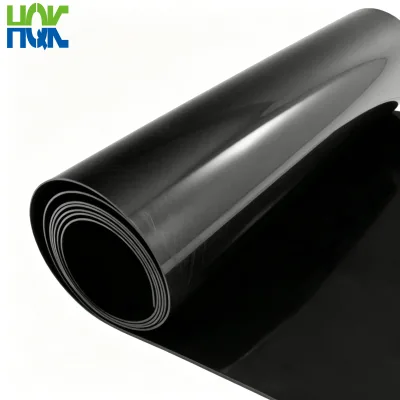
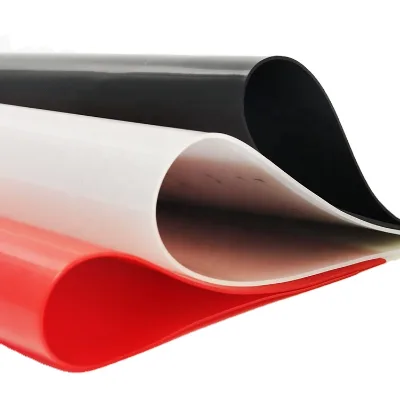
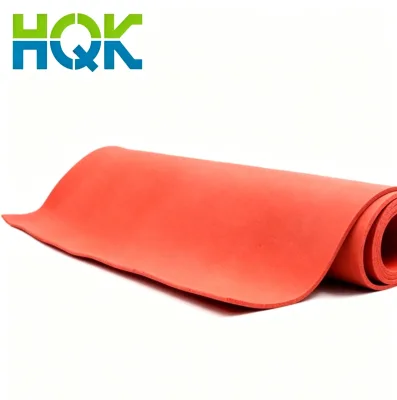
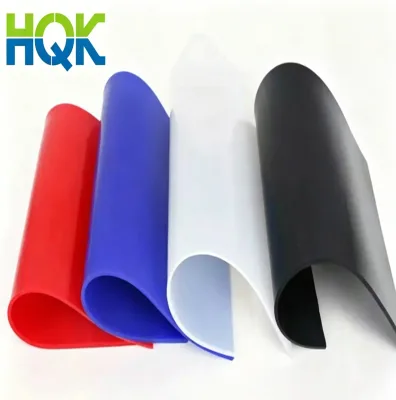


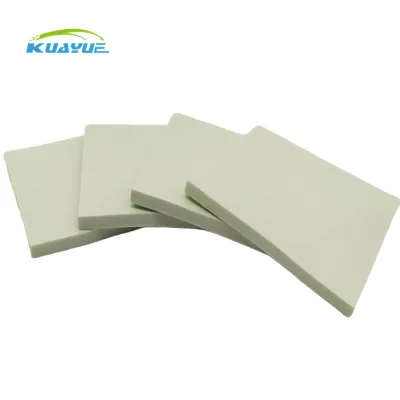
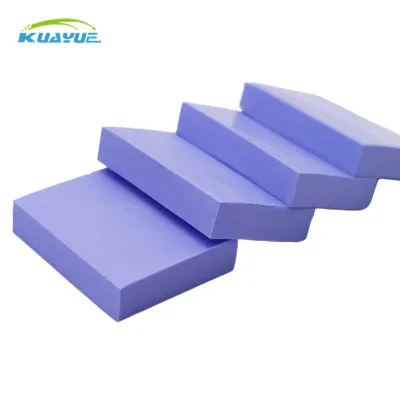
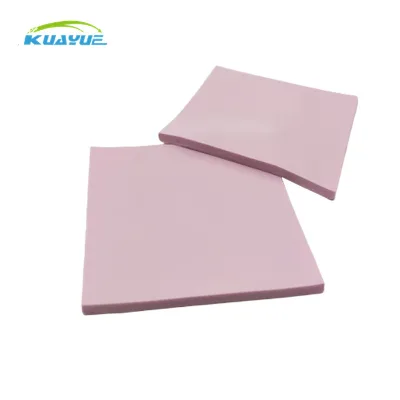
Wholesale ultra Soft Conductive Pads High Temperature Cooling Interface Sheet
$0.1026 - $4.105
MOQ: 100 Minimum
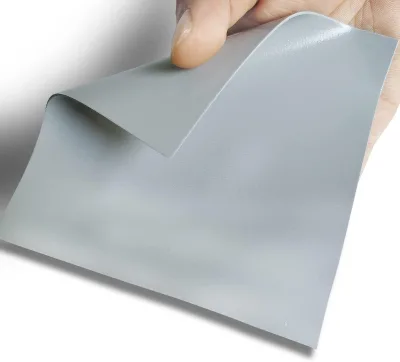
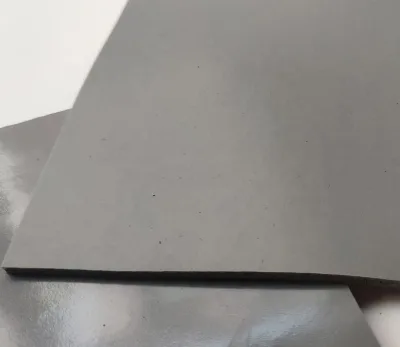
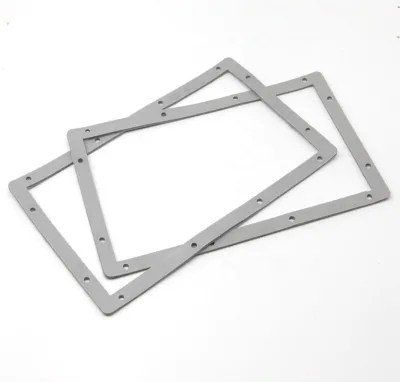


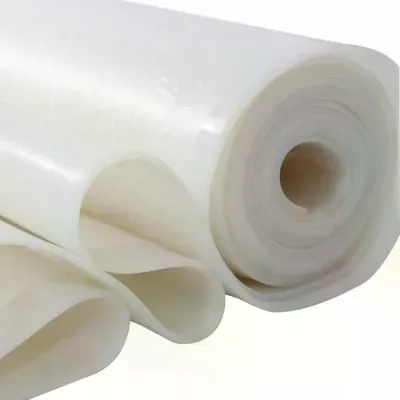
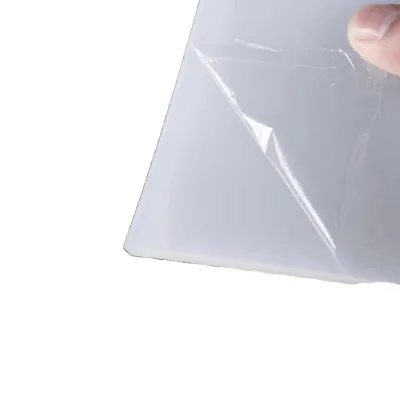
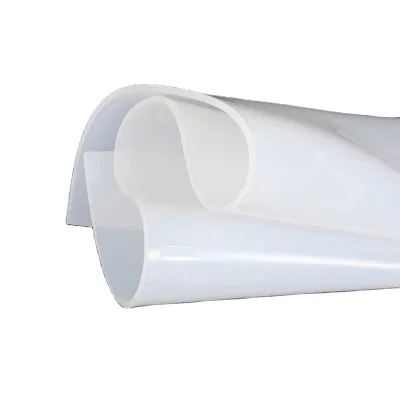
Comprehensive Sourcing Guide
High And Low Temperature Silicone Damping Sheet Sourcing Guide
Sourcing high and low temperature silicone damping sheets requires a precise understanding of material composition and operational limits. Buyers must distinguish between pure gum rubber and specialized silicone formulations, as performance varies significantly under thermal stress. The observed market offers sheets with hardness ranging from 20 to 70 Shore A, allowing for tailored damping characteristics. It is critical to verify whether the product is classified as industrial or food grade, as this dictates permissible applications and regulatory compliance.
Procurement teams should prioritize suppliers who provide clear documentation on raw materials, such as natural rubber or FKM blends, alongside silicone. The presence of customization options indicates flexibility in meeting specific dimensional and performance needs. Buyers must confirm if the sheet is designed for general industrial flooring or specialized damping roles. Understanding the medium, whether pure gum rubber or fabric-reinforced, helps in predicting longevity and resistance to environmental factors like oil or corrosion.
Product Scope and Observed Listing Signals
The current market landscape for silicone damping sheets reveals a diverse array of product attributes and listing signals. Observed listings indicate a price range from $0.01 to $98 USD, reflecting variations in thickness, width, and material purity. Minimum order quantities typically span from 1 to 1000 units, suggesting that suppliers cater to both prototype testing and bulk industrial procurement. Buyers should note that while prices are low, the quality consistency must be validated through sample requests before committing to larger orders.
Product names and descriptions often include terms like "wear-resistant," "heat-resistant," and "cold-resistant," which are key selling points for damping applications. Colors available include white, blue, black, and red, with white sheets being a common observation. The density of these materials is frequently cited around 1.30 +/- 0.05 g/cm3, providing a baseline for weight calculations in assembly processes. Packaging methods vary, with options including rolls, cartons, pallets, and woven bags, which impacts logistics and storage requirements for the buyer.
Technical Specifications to Verify
Technical verification begins with confirming the thickness and width tolerances, which are critical for fitting into specific machinery or flooring systems. Observed thickness ranges extend from 0.1mm to 30mm, with some listings specifying narrower bands like 0.5 to 2mm. Widths are commonly available in standard sizes such as 0.5m, 1.0m, 1.2m, and 1.5m, with customization options for non-standard requirements. Buyers must ensure that the selected thickness aligns with the required damping coefficient and load-bearing capacity for the intended application.
Hardness is another vital specification, with observed values ranging from 50 to 60 Shore A, and broader ranges up to 70 Shore A. The surface finish is typically smooth, which aids in installation and reduces friction in moving parts. Processing services like cutting are often available, allowing for precise dimensions. Buyers should verify the model numbers, such as HQK-W2607143 or SRS, to trace specific product lines and ensure consistency across future orders. Density verification is also recommended to confirm material integrity.
Compliance and Safety Documentation
Compliance documentation is essential for ensuring that silicone damping sheets meet international safety and environmental standards. While specific certifications like ISO9001 are mentioned, buyers must request current certificates to verify the supplier’s quality management systems. The distinction between industrial and food-grade materials is crucial for applications involving direct contact with consumables or sensitive environments. Buyers should explicitly ask for material safety data sheets (MSDS) to understand chemical composition and handling precautions.
Environmental regulations such as RoHS and REACH are relevant for electronics and automotive applications, though their status should be confirmed directly with the supplier. The origin of the products, often listed as Guangdong, China, may influence supply chain resilience and tariff considerations. Buyers should verify if the materials are free from harmful substances and if they meet specific industry regulations for flame retardancy or electrical insulation. Clear documentation of these compliance aspects mitigates legal and operational risks in the supply chain.
Cost Drivers and Commercial Terms
Cost drivers for silicone damping sheets include material purity, thickness, and customization complexity. Thicker sheets and wider widths generally command higher prices due to increased material usage and processing time. The availability of customization, such as specific hardness levels or cut-to-size services, can also impact the final cost. Buyers should analyze the total cost of ownership, including shipping and handling, as packaging in rolls or pallets affects freight efficiency.
Commercial terms often involve minimum order quantities that can range from single items to thousands of units. Lead times and payment terms should be negotiated based on order volume and urgency. Buyers must clarify whether the quoted price includes taxes, duties, and packaging materials. Understanding the supplier’s capacity to handle large orders without compromising quality is vital for long-term procurement strategies. Transparent pricing structures help in budgeting and avoiding unexpected cost overruns.
Supplier Qualification and Quality Control
Supplier qualification involves assessing their manufacturing capabilities and quality control processes. Buyers should verify the supplier’s experience in producing silicone and rubber sheets, looking for consistent product quality and reliable delivery records. The presence of processing services like cutting indicates a level of technical capability that can add value to the procurement process. It is advisable to request samples to test physical properties such as tensile strength, elasticity, and thermal resistance.
Quality control measures should include routine testing for hardness, density, and dimensional accuracy. Buyers should inquire about the supplier’s defect rate and return policies. Establishing a clear communication channel for addressing quality issues is essential for maintaining supply chain stability. Suppliers with robust quality management systems, as indicated by certifications, are more likely to deliver consistent products. Regular audits or third-party inspections may be necessary for high-volume procurement contracts.
Long-Term Procurement Checks
Long-term procurement checks focus on supply chain resilience and product lifecycle management. Buyers should monitor market trends for raw material costs, which can affect pricing stability over time. Diversifying suppliers for critical components like damping sheets can mitigate risks associated with single-source dependencies. Regularly reviewing supplier performance metrics, such as on-time delivery and quality consistency, helps in maintaining high standards.
It is also important to stay updated on regulatory changes that may impact material specifications or compliance requirements. Buyers should plan for product obsolescence by ensuring that alternative sources are identified for key components. Continuous engagement with suppliers for feedback and improvement opportunities can lead to better product designs and cost efficiencies. Establishing long-term partnerships based on mutual trust and clear expectations fosters a more reliable and responsive supply chain.
FAQs
What materials are used for high and low temperature silicone damping sheets?
These sheets are primarily made from silicone rubber and natural rubber. Some variants also incorporate FKM materials to ensure durability. The product features wear resistance and heat resistance suitable for industrial applications.
Can I customize the thickness and width of the silicone rubber sheet?
Yes, customization is available for both thickness and width dimensions. Thickness ranges from 0.1 to 30mm while widths include 0.5m, 1m, 1.2m, and 1.5m. Customized sizes are also offered to meet specific industrial requirements.
Which certifications do these industrial rubber slabs typically hold?
The products generally hold ISO9001 certification to ensure quality standards. They are designed for industrial use and flooring applications. Additional certifications like RoHS or REACH may apply but are not guaranteed for every listed item.
How is the hardness of the silicone damping sheet measured?
Hardness is measured using the Shore A scale, typically ranging from 50 to 60 or 20 to 70 depending on the specific model. This ensures the material provides adequate damping while maintaining structural integrity under various conditions.
What packaging options are available for shipping the rubber sheets?
Packaging options include rolls, cartons, pallets, woven bags, and plastic film. The specific packing method depends on the order size and shipping requirements. Outer woven bags or carton boxes are commonly used for protection.
Where are these high and low temperature silicone damping sheets manufactured?
These sheets are manufactured in China, specifically in the Guangdong region. The origin is clearly stated as China for all listed products. This location supports the supply chain for industrial rubber slab distribution.
What performance features do these rubber slabs offer for industrial use?
The slabs offer oil resistance, corrosion resistance, and insulation properties. They are also heat resistant and cold resistant, making them suitable for diverse industrial environments. The surface is smooth and the material is wear-resistant.