Source High Density EVA Foam Roller for Yoga, Home Exercise, and Recovery
Compare 27 High Density EVA Foam Roller options from Jiangsu and Guangdong suppliers. Buyers can evaluate solid and hollow models with customizable sizes, logos, and materials like EVA and EPE for home yoga and exercise applications; compare the available evidence and request quotations based on your requirements.
Updated
Key considerations
Products List


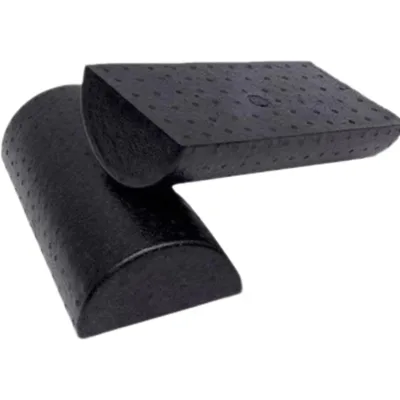
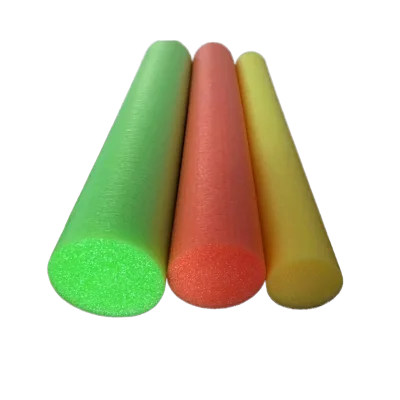
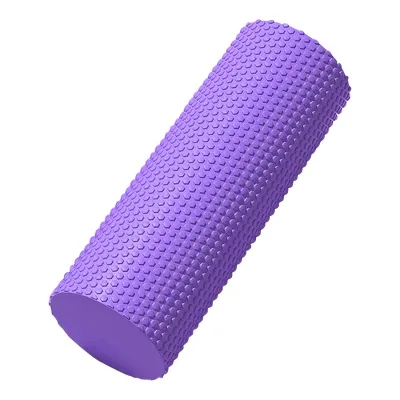
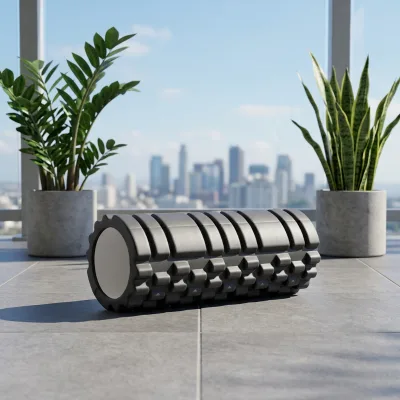
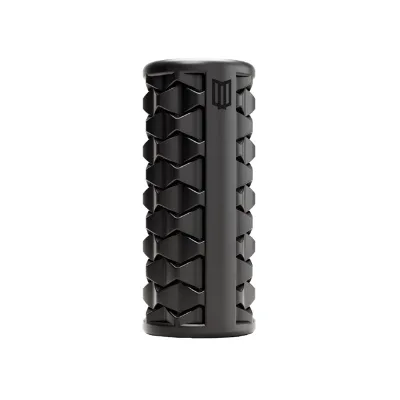
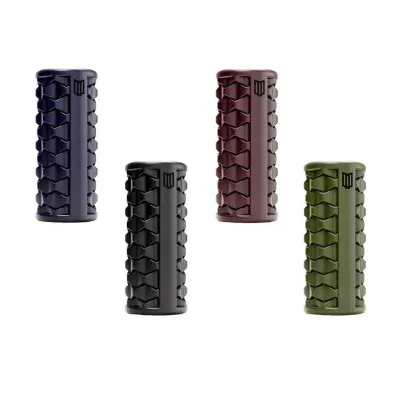
High Density ABS Foam Roller Environmental Hollow EVAN with Excellent Features
$7.50 - $8.50
MOQ: 200 pieces






Comprehensive Sourcing Guide
High Density EVA Foam Roller Sourcing Guide
Procuring high-density EVA foam rollers requires a disciplined approach to material verification and supplier qualification. Buyers must distinguish between standard foam products and those specifically engineered for durability and resistance. The market offers various forms, including solid rollers, hollow designs, and raw EVA sheets, each serving distinct functional needs. Understanding these variations is critical for aligning product selection with end-user expectations. This guide provides evidence-based insights to help procurement teams navigate the complexities of sourcing these items effectively.
Successful sourcing begins with recognizing the specific attributes that define quality in this category. Observations from current listings indicate a prevalence of solid color options and customizable features, which are essential for brand differentiation. Buyers should focus on verifying the core material composition, as EVA remains the dominant choice for its balance of flexibility and resilience. Additionally, the availability of OEM services and customized logos suggests a mature supply chain capable of supporting private label strategies. These factors collectively influence the final product’s marketability and operational performance.
Product Scope and Observed Listing Signals
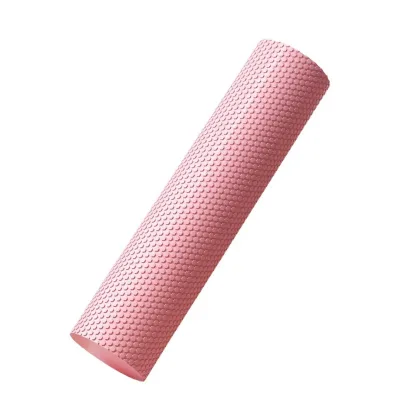
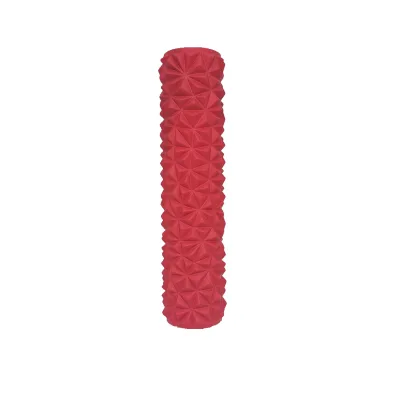
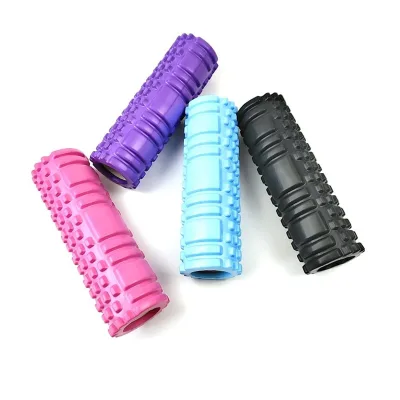
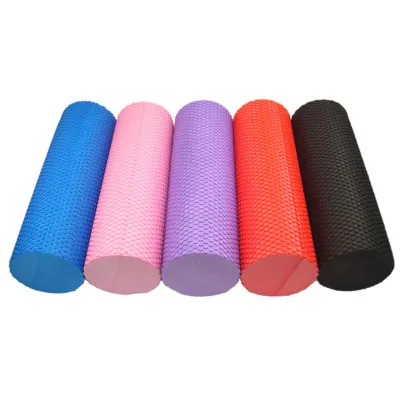
The current market landscape for EVA foam products reveals a diverse range of offerings, from finished rollers to raw materials. Listings frequently highlight solid color options and specific product names such as "Foam Roller 2 in 1 New" or "Hollow Foam Roller." These designations indicate a variety of structural designs, including solid cores and hollow configurations, which cater to different user preferences and functional requirements. The presence of customization options, such as customized logos and specific color choices like blue, purple, and black, underscores the importance of branding in this sector. Buyers should carefully evaluate these visual and structural attributes to ensure they align with their target market’s aesthetic and functional demands.
Material composition is a critical factor in defining product scope, with EVA being the primary material observed across various listings. Some suppliers also offer alternative materials such as EPE, PE, PU, and EPS foam, providing flexibility for specialized applications. The observed product models, such as TP21-FRNEW-608 and TP19-SFR-HFR 301, suggest a standardized approach to product identification, which can aid in tracking and quality control. Additionally, the availability of customized sizes and thicknesses indicates that suppliers are equipped to handle bespoke orders. This flexibility allows buyers to tailor products to specific dimensions, ensuring optimal fit for intended use cases, whether for home yoga, exercise, or other therapeutic applications.
Technical Specifications to Verify
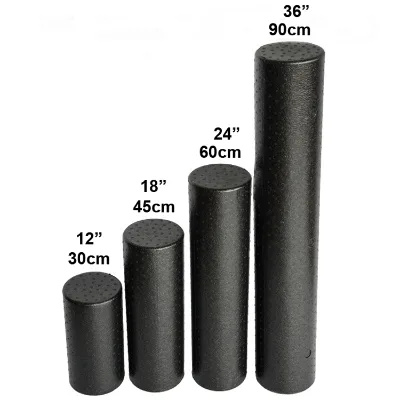
Verifying technical specifications is essential to ensure that the procured foam rollers meet performance expectations. Key parameters to confirm include dimensions, density, and hardness, which directly impact the product’s durability and user experience. Observed standards indicate specific size ranges, such as 600130mm and 60099mm for certain models, while others offer customizable dimensions like 10/15*30/35/60/90 cm. Buyers should request detailed specification sheets to confirm these measurements and ensure consistency across batches. Additionally, hardness ratings, such as 38-70°, provide insight into the material’s firmness, which is crucial for applications requiring specific levels of support or comfort.
Packaging and origin details also play a significant role in the technical evaluation of foam rollers. Listings indicate packaging methods such as paper wrap or box, which can affect product protection during transit. The origin of products, primarily from regions like Jiangsu and Guangdong in China, offers insights into the manufacturing ecosystem and potential logistical advantages. Buyers should verify the place of origin to assess the supplier’s production capabilities and supply chain reliability. Furthermore, confirming the model numbers and product names helps in maintaining traceability and ensuring that the received goods match the ordered specifications, reducing the risk of discrepancies in quality or performance.
Compliance and Safety Documentation
Ensuring compliance with safety and regulatory standards is paramount when sourcing EVA foam products. Buyers must verify that suppliers adhere to relevant international and regional safety regulations, particularly those concerning chemical composition and physical safety. While specific certifications are not explicitly mentioned in the observed listings, it is crucial to request documentation that confirms the materials used are free from harmful substances. This includes verifying that the EVA foam meets standards for non-toxicity and durability, ensuring it is safe for direct contact with users, especially in applications like home yoga and exercise.
Documentation should also cover quality control processes and testing results that demonstrate the product’s reliability. Buyers should inquire about any internal or third-party tests conducted on the foam rollers, such as compression tests or material integrity assessments. These tests provide evidence of the product’s ability to withstand repeated use without degrading. Additionally, verifying the supplier’s adherence to manufacturing standards, such as ISO certifications, can offer assurance of consistent quality. By prioritizing compliance and safety documentation, buyers can mitigate risks associated with product liability and ensure that the foam rollers meet the highest safety standards for their intended applications.
Cost Drivers and Commercial Terms
Understanding the cost drivers and commercial terms is vital for effective procurement planning. The observed MOQ ranges from 1 to 3000 pieces, with specific listings indicating MOQs of 100 or 1000 pieces, which significantly impacts pricing and inventory management. Buyers should negotiate terms that align with their volume requirements, leveraging larger orders for better pricing while considering storage and cash flow implications. Payment methods such as PayPal, Western Union, TT, and Trade Assurance offer flexibility and security, allowing buyers to choose options that best suit their financial strategies and risk tolerance.
Additional cost factors include customization services, such as logo printing and color variations, which can add to the overall expense. Buyers should clarify the costs associated with these services upfront to avoid unexpected charges. The origin of the products, primarily from Jiangsu and Guangdong, may also influence logistics costs and lead times. By carefully evaluating these commercial terms and cost drivers, buyers can optimize their procurement strategy, ensuring they achieve the best value for their investment while maintaining quality and compliance standards.
Supplier Qualification and Quality Control
Supplier qualification is a critical step in ensuring the reliability and consistency of EVA foam roller supplies. Buyers should assess suppliers based on their production capabilities, quality control processes, and track record. Observations indicate that many suppliers offer OEM services and customized logos, suggesting a level of flexibility and customer focus. However, buyers must verify these claims through site audits or third-party inspections to ensure that the supplier’s capabilities match their stated offerings. This due diligence helps in identifying suppliers who can consistently deliver high-quality products that meet specific requirements.
Quality control measures should be rigorously evaluated to minimize the risk of defects and inconsistencies. Buyers should inquire about the supplier’s quality assurance protocols, including incoming material inspections, in-process checks, and final product testing. These measures ensure that each batch of foam rollers meets the specified standards for dimensions, hardness, and material integrity. Additionally, establishing clear communication channels and regular feedback loops with suppliers can help in addressing any issues promptly. By prioritizing supplier qualification and robust quality control, buyers can build a reliable supply chain that supports their business objectives and customer satisfaction.
Long-Term Procurement Checks
Long-term procurement success depends on continuous monitoring and evaluation of supplier performance and market trends. Buyers should establish key performance indicators (KPIs) to track metrics such as delivery times, product quality, and responsiveness to issues. Regular reviews of these metrics help in identifying potential problems early and implementing corrective actions. Additionally, staying informed about advancements in EVA foam technology and manufacturing processes can provide opportunities for innovation and cost savings. By maintaining a proactive approach to supplier management, buyers can ensure a stable and efficient supply chain.
Building strong relationships with suppliers is also essential for long-term procurement success. Open communication and collaborative problem-solving can lead to improved product quality and service levels. Buyers should consider developing strategic partnerships with key suppliers, leveraging these relationships for better pricing, priority production, and exclusive access to new products. Furthermore, diversifying the supplier base can mitigate risks associated with single-source dependencies. By focusing on long-term relationship building and strategic planning, buyers can create a resilient procurement function that supports sustainable business growth and competitive advantage in the market.
FAQs
What materials are used for high density EVA foam rollers?
High density EVA foam rollers are primarily manufactured using EVA material. Some suppliers also offer variations incorporating EPE, PE, PU, or EPS foam to meet specific durability or texture requirements. These materials ensure the roller maintains its shape and provides effective support during home yoga and exercise routines.
Can I customize the logo on my foam roller order?
Yes, customized logos are accepted for bulk orders. Suppliers typically allow free customization according to customer needs, enabling you to brand the product effectively. This service is available for various product types, including solid and hollow foam rollers, ensuring your brand identity is prominently displayed on the final goods.
What are the standard sizes available for EVA foam rollers?
Standard sizes vary by model, with common dimensions including 600*130mm, 600*99mm, and 10/15*30/35/60/90 cm. Other models offer sizes like 14*33/45/61 cm or 60*9.5*9.5 cm. Custom sizes can also be produced according to specific customer needs, allowing for tailored product specifications.
What is the minimum order quantity for these foam rollers?
The minimum order quantity typically ranges from 100 pieces to 1000 pieces, depending on the specific product model and supplier. Some items may accept orders as low as one piece, while others require higher volumes. Buyers should verify the exact MOQ with the supplier before finalizing their procurement plan.
Where are these EVA foam rollers manufactured?
These products are primarily manufactured in China, with specific origins listed in Jiangsu and Guangdong provinces. Buyers can select suppliers based on their preferred manufacturing location to align with logistics or sourcing strategies. The origin information is clearly stated in product specifications to assist in supplier evaluation.
How are the foam rollers packaged for shipping?
Foam rollers are packaged using paper wrap or boxes for standard models. Other items, such as foam rods, may be packed in PE bags. The packaging is designed to protect the product during transit while maintaining a professional appearance. Buyers can confirm specific packing details with the supplier to ensure safe delivery.