Source High Voltage Busbar Support Insulator for Transmission
Compare 30 High Voltage Busbar Support Insulator options from verified suppliers. These products feature composite polymer or porcelain materials, working voltages up to 35kV, and excellent weather resistance for electrical installation and power transmission applications; compare the available evidence and request quotations based on your requirements.
Key considerations
Products List


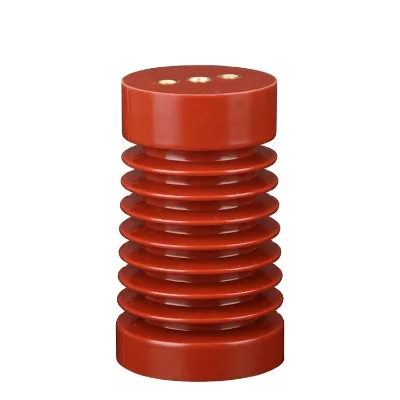
High Quality Electrical Insulators Busbar Support Insulators Busbar Insulators
$0.13 - $0.55
MOQ: 500 Pieces




Comprehensive Sourcing Guide
High Voltage Busbar Support Insulator Sourcing Guide
Procuring high voltage busbar support insulators requires a rigorous understanding of material science and electrical engineering principles to ensure grid reliability. These components serve as critical mechanical supports and electrical barriers in substations and power transmission networks. Buyers must distinguish between post insulators and shackle insulators, as their structural designs dictate installation methods and load-bearing capacities. The selection process begins with defining the operational environment, including voltage levels and mechanical stresses, to narrow down the appropriate product category.
The market offers a diverse range of options, from traditional porcelain to modern composite polymer materials. Each material type presents distinct advantages regarding weight, impact resistance, and maintenance requirements. Composite polymer insulators often provide superior hydrophobicity and resistance to environmental degradation, while porcelain units offer proven long-term performance in specific climatic conditions. Understanding these material differences is essential for making informed decisions that balance initial procurement costs with long-term operational efficiency and safety standards.
Product Scope and Observed Listing Signals
Current market listings indicate a wide spectrum of product specifications, with observed price ranges spanning from $0.1 to $100 USD. This variance reflects differences in material quality, manufacturing complexity, and order volumes, with minimum order quantities typically ranging from 1 to 10,000 units. Buyers should note that low-price items may correspond to smaller, low-voltage components, while high-voltage applications require more robust and expensive solutions. The presence of customization options suggests that many suppliers can tailor dimensions and electrical ratings to specific project requirements.
Product attributes reveal a mix of high-voltage and low-voltage applications, with working voltages commonly cited between 10kV and 35kV, and some models supporting up to 100kV. Structural types include post insulators and shackle insulators, with connection methods such as trough types being available. Materials observed include composite polymer and porcelain, with fiberglass variants like SMC/DMC also present. These signals help buyers identify suppliers who specialize in their specific voltage class and structural needs, ensuring compatibility with existing electrical infrastructure.
Technical Specifications to Verify
Verifying the rated voltage and mechanical strength is paramount for ensuring system safety. Buyers must confirm that the insulator’s rated voltage, such as 4500V or ranges like 600V-3000V, aligns with the system’s operational requirements. Additionally, bearing capacity specifications, observed at 60kN and 100kN, must be validated against the mechanical loads imposed by busbars and environmental factors like wind and ice. Mismatched voltage or strength ratings can lead to catastrophic failures, making precise verification of these core technical parameters non-negotiable during the sourcing process.
Thermal and environmental resistance properties also require careful scrutiny. Insulators must withstand temperature ranges, typically cited from -40°C to 85°C, without compromising their dielectric strength. Weather resistance features, including excellent UV resistance and anti-aging properties, are crucial for outdoor installations exposed to harsh climatic conditions. Buyers should also verify the insulation chemistry, such as hybrid insulation materials, and ensure that flame retardancy ratings, like V0, meet safety standards. These factors collectively determine the insulator’s longevity and reliability in real-world operating environments.
Compliance and Safety Documentation
Compliance with international standards is a fundamental requirement for high-voltage equipment. Buyers should insist on documentation proving adherence to standards such as IEC 61462, which governs high-voltage insulators. Certifications like ISO 9001, CE, and CCC indicate that the manufacturer follows rigorous quality management systems and meets regional safety regulations. These certifications provide assurance that the products have undergone necessary testing and quality control processes, reducing the risk of procuring substandard or non-compliant components that could jeopardize grid stability.
Safety documentation should also include detailed test reports and material safety data sheets. Buyers must verify that the insulators meet specific flame retardancy and electrical safety classifications. It is essential to ensure that all certifications are current and issued by recognized accreditation bodies. Relying on unverified claims or outdated certificates can lead to regulatory penalties and operational hazards. Therefore, a thorough review of compliance documentation is a critical step in the procurement workflow to mitigate legal and safety risks associated with high-voltage installations.
Cost Drivers and Commercial Terms
Several factors influence the total cost of ownership for high-voltage busbar support insulators. Material costs, particularly for composite polymers versus porcelain, significantly impact pricing. Manufacturing complexity, including the use of specialized connection methods like trough types or brass/stainless steel inserts, also adds to the expense. Buyers should consider the trade-off between initial purchase price and long-term maintenance costs, as higher-quality materials may offer better durability and lower lifecycle costs despite a higher upfront investment.
Commercial terms, including minimum order quantities and packaging specifications, affect overall procurement expenses. Observed packing methods range from wooden cases to cartons containing 10-20 pieces per bag or master box. Bulk purchasing often yields better unit prices, but buyers must balance this with storage capacity and project timelines. Additionally, customization availability may incur additional fees. Understanding these cost drivers helps buyers negotiate favorable terms and plan budgets accurately, ensuring that financial constraints do not compromise the quality or suitability of the procured insulators.
Supplier Qualification and Quality Control
Evaluating supplier qualifications is essential for securing reliable high-voltage components. Buyers should verify the manufacturer’s production capabilities, including their experience with composite polymer and porcelain insulators. Factories located in regions like Zhengjiang or broader China should be assessed for their quality control processes and adherence to international standards. Supplier audits, whether on-site or virtual, can provide insights into their manufacturing precision, testing facilities, and overall operational discipline, ensuring they can consistently deliver products that meet specified technical requirements.
Quality control measures must be clearly defined and enforced throughout the production process. Buyers should request detailed quality assurance plans that include incoming material inspections, in-process checks, and final product testing. Certifications like ISO 9001 should be validated through recent audit reports. Additionally, suppliers offering OEM/ODM services should demonstrate robust design and engineering support capabilities. Establishing clear quality expectations and verification steps helps mitigate the risk of receiving defective products, ensuring that the insulators perform reliably under high-voltage conditions and mechanical stresses.
Long-Term Procurement Checks
Establishing long-term procurement strategies involves regular performance monitoring and supplier relationship management. Buyers should track the field performance of installed insulators, noting any issues related to weathering, mechanical failure, or electrical breakdown. This feedback loop is crucial for identifying potential quality trends and making informed decisions for future orders. Maintaining open communication with suppliers allows for continuous improvement and ensures that any emerging issues are addressed promptly, preserving the integrity of the electrical infrastructure over time.
Periodic re-evaluation of supplier certifications and product specifications is also necessary to stay aligned with evolving industry standards. As technology and regulations advance, suppliers must adapt their products and processes accordingly. Buyers should regularly review technical data sheets and compliance documents to ensure continued suitability for their applications. By proactively managing these aspects, organizations can build a resilient supply chain that supports reliable power transmission and minimizes the risk of operational disruptions due to insulator failure or non-compliance.
FAQs
What is the working voltage range for these high voltage busbar support insulators?
The working voltage range is 10kV to 35kV for standard high-voltage applications. Some models support up to 100kV for specialized transmission needs. This ensures reliable insulation for electrical installations and power grids. Always verify the specific rated voltage against your system requirements before procurement to ensure safety and compliance.
Which certifications are available for High Voltage Busbar Support Insulator suppliers?
Suppliers typically offer ISO9001, CE, and CCC certifications for quality assurance. Some products also comply with IEC 61462 international standards for high-voltage insulators. These certifications verify material integrity and manufacturing consistency. Buyers should request valid certificates to ensure the insulators meet regional regulatory requirements and industry safety benchmarks.
Can high voltage busbar support insulators be customized for specific projects?
Yes, customization is available for various project requirements. Buyers can specify dimensions, bearing capacity, and connection methods like trough type. OEM and ODM services are supported for unique structural needs. This flexibility allows for tailored solutions in cabinet, switchgear, or outdoor transmission environments while maintaining performance standards.
What materials are used for high voltage busbar support insulators?
Materials include composite polymer, porcelain, and fiberglass SMC/DMC. Composite polymer offers excellent UV resistance and anti-aging properties. Porcelain provides robust mechanical strength for high bearing capacities. The choice depends on environmental conditions and voltage ratings. Hybrid insulation materials are also used for enhanced chemical and thermal stability in demanding applications.
What is the typical packaging for high voltage busbar support insulators?
Packaging options include wooden cases, cartons, and bags containing 10 to 20 pieces. Wooden cases are used for heavy-duty or high-value shipments. Cartons and bags are suitable for standard bulk orders. Proper packaging protects insulators from damage during transit. Buyers should specify packaging preferences to ensure safe delivery and efficient handling at the destination port.
How does temperature affect High Voltage Busbar Support Insulator performance?
Insulators operate effectively within a temperature range of -40°C to 85°C. This range ensures stability in diverse climatic conditions. Extreme temperatures can impact material flexibility and electrical resistance. Selecting insulators with appropriate thermal ratings prevents failure in high-temperature environments. Always check the thermal rating specifications to match your local climate conditions.