Source Household Washing Machine Door Lock for Hotel, Commercial, and Home Use
Find and compare 30 Household Washing Machine Door Lock options from verified Chinese suppliers. Evaluate models like XD-DL015 and DLS-FT15 based on material, voltage, and warranty terms to find the right fit for your procurement needs.
Key considerations
Products List


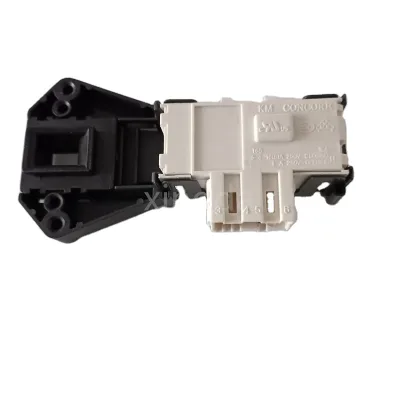
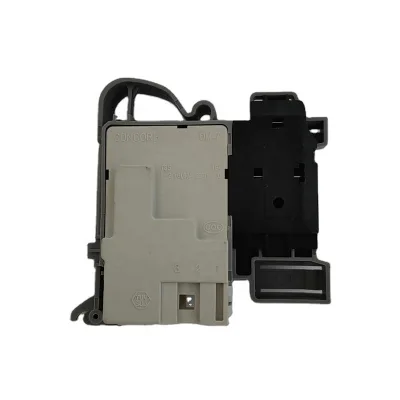
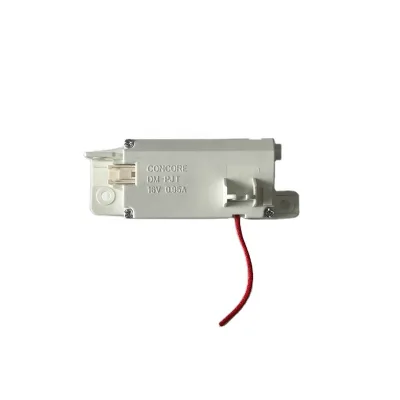
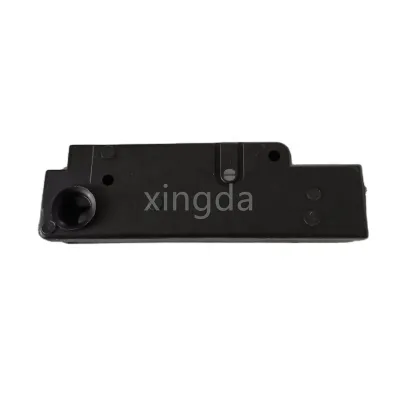
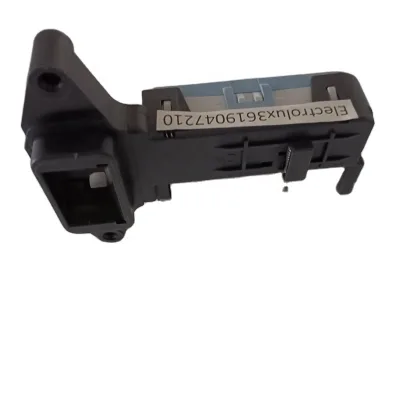
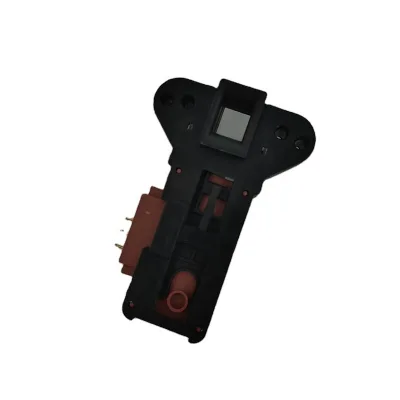
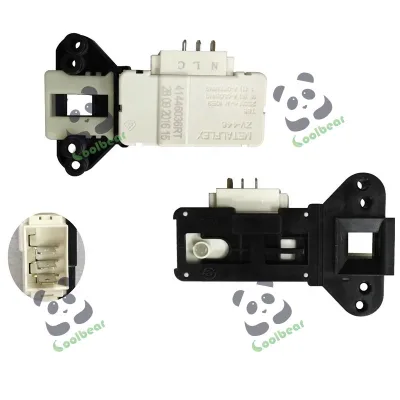
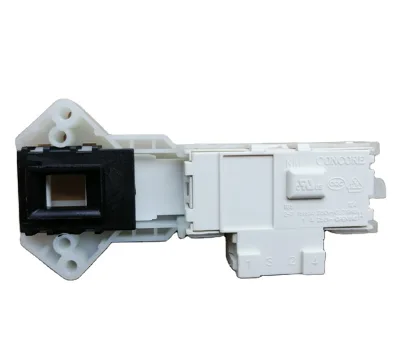
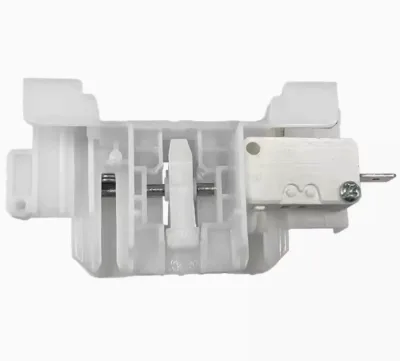
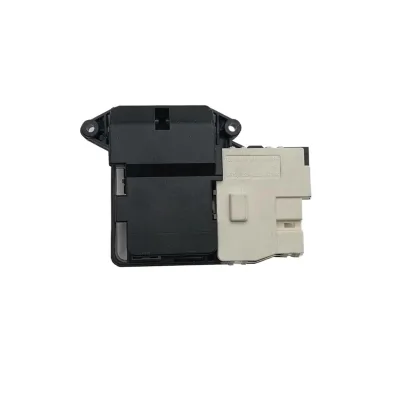
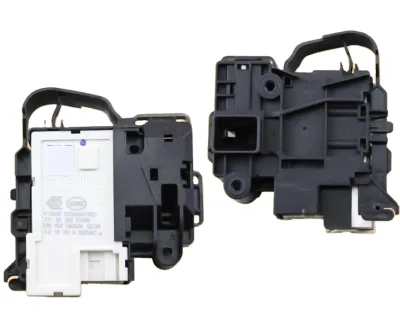
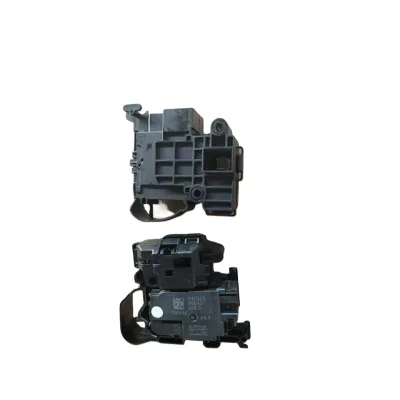
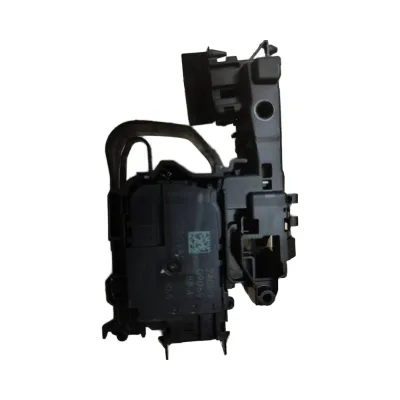
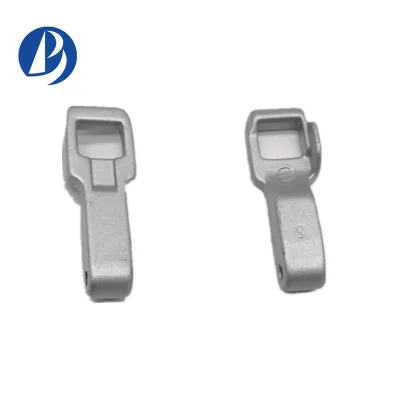
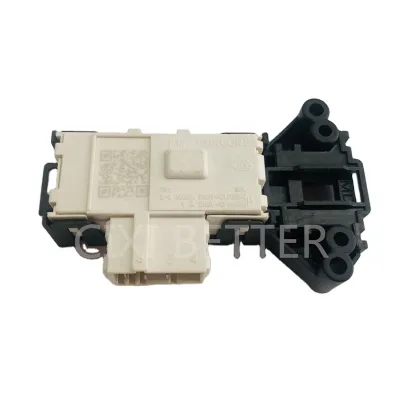
Factory Directly Selling Washing Machine Interlock Washing Machine Door Lock for Ves-tel
$1.23 - $1.95
MOQ: 150 Minimum
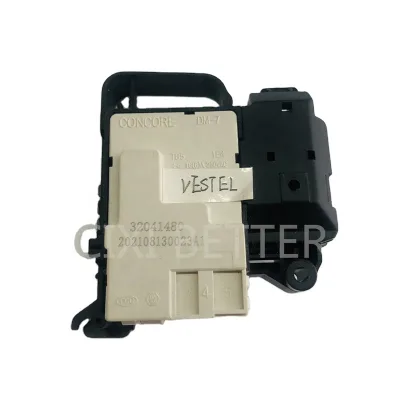
CONC-ORE Washing Machine Door Lock 32041480 Switch Washing Machine Parts for VES-TEL
$2.05 - $5.13
MOQ: 150 Minimum
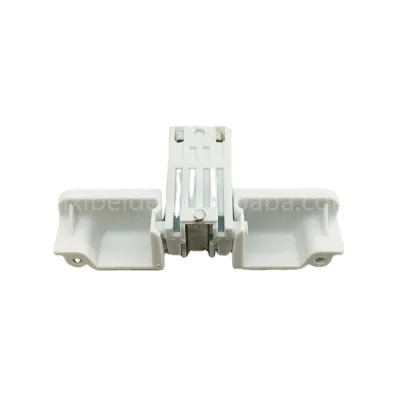
High Quality Electric Door Lock for Washing Machine and Dryer W10240513 Part Lid Strike
$1.10 - $2.50
MOQ: 500 Minimum
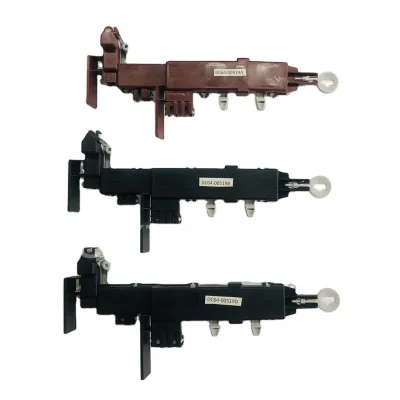


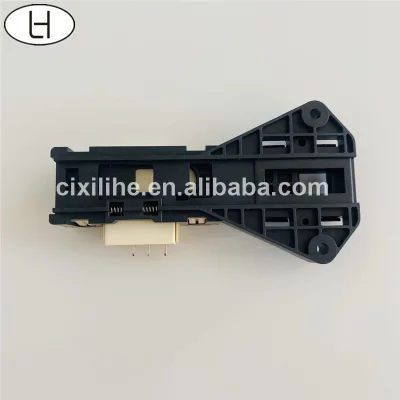
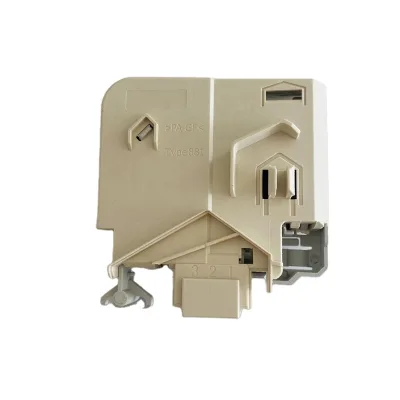
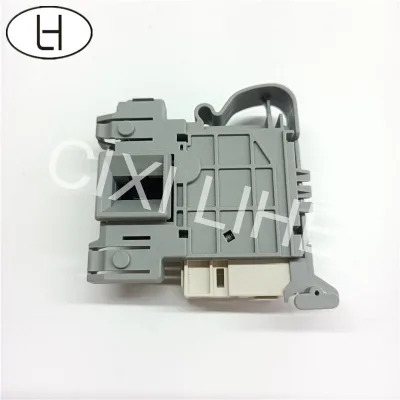
Comprehensive Sourcing Guide
Household Washing Machine Door Lock Sourcing Guide
Sourcing replacement components for domestic appliances requires a precise understanding of mechanical and electrical interfaces, particularly when dealing with safety-critical parts like door locks. The Household Washing Machine Door Lock serves as a fundamental interlock mechanism, ensuring that the appliance cannot operate while the door is open, thereby protecting users from mechanical hazards and water leakage. Procurement teams must navigate a market characterized by high variability in model compatibility, material composition, and electrical ratings. This guide provides a structured approach to evaluating suppliers, verifying technical specifications, and establishing commercial terms that mitigate risk while maintaining cost efficiency.
The following sections detail the essential verification steps for buyers, focusing on the intersection of observed market data and standard industry practices. By adhering to these guidelines, procurement professionals can ensure that the components sourced meet the necessary durability and safety standards required for household and commercial laundry applications. The emphasis is on evidence-based decision-making, relying on observable listing signals and verifiable technical attributes rather than unverified marketing claims.
Product Scope and Observed Listing Signals
The current market for washing machine door locks exhibits a broad range of product configurations, primarily driven by the need for universal compatibility across various appliance brands and models. Observed listings indicate that many suppliers offer products labeled as "Universal," suggesting a design that accommodates multiple mounting patterns and connector types. However, buyers must exercise caution, as "universal" often refers to physical adaptability rather than electrical interchangeability. The core function remains consistent across listings: to open and lock the washing machine door securely during operation. This function is critical for both household and commercial laundry settings, including hotel environments, where high usage frequencies demand robust performance.
Material composition is a key differentiator among available options, with listings frequently citing plastic, metal, or composite constructions. The observed data highlights products made from plastic or plastic-metal combinations, which balance cost-effectiveness with structural integrity. These materials are selected for their resistance to corrosion and their ability to withstand the thermal and mechanical stresses associated with repeated washing cycles. Additionally, the power source for these devices is consistently identified as electric, operating on AC 250V, which aligns with standard household electrical systems in many regions. Buyers should verify that the specific voltage rating matches the target market’s electrical standards to prevent operational failures or safety hazards.
Technical Specifications to Verify
Model number verification is the most critical step in the sourcing process, as door locks are rarely interchangeable without precise matching. The observed market includes specific model identifiers such as XD-DL015 KM, DLS-FT15, DM-PJT, and XD-DL12 DS88 T3, alongside part numbers like 3619047210. These identifiers correspond to specific locking mechanisms, latch designs, and electrical pin configurations. Procurement teams must cross-reference these model numbers with the original equipment manufacturer (OEM) specifications to ensure a direct fit. Relying solely on visual similarity or generic descriptions can lead to installation failures, as even minor deviations in latch geometry or connector orientation can render the part unusable.
Electrical and physical specifications must also be rigorously checked to ensure compatibility with the target appliance. The observed listings specify a voltage rating of AC 250V, which is standard for many regions, but buyers must confirm the current rating and power consumption to ensure the lock does not overload the washing machine’s control board. Furthermore, the installation method is often described as DIY-friendly, implying that the part can be replaced without specialized tools. However, the physical dimensions, such as standard size or specific package dimensions like 40x30x50 cm for bulk shipping, must be considered for storage and handling logistics. Buyers should request detailed technical drawings or CAD files from suppliers to verify mounting hole patterns and connector pinouts before placing large orders.
Compliance and Safety Documentation
Safety compliance is non-negotiable for door locks, as these components directly impact user protection during appliance operation. While specific certification statuses are not universally disclosed in all listings, buyers must insist on documentation that verifies compliance with relevant regional safety standards. This typically includes electrical safety certifications that confirm the lock’s insulation, grounding, and resistance to overheating. The observed listings mention a one-year warranty, which serves as a basic indicator of supplier confidence, but it does not replace the need for formal third-party testing reports. Buyers should request test certificates that demonstrate the lock’s ability to withstand repeated cycling and electrical stress without failure.
Environmental and material safety standards are also relevant, particularly regarding the plastics and metals used in construction. Buyers should verify that the materials used are free from hazardous substances such as lead, mercury, or cadmium, in accordance with regulations like RoHS in Europe or similar standards in other markets. The observed listings mention features such as durability and electric power operation, but these are general attributes that do not guarantee regulatory compliance. Procurement teams should ask suppliers to provide material safety data sheets (MSDS) and declarations of conformity to ensure that the components meet the environmental requirements of the destination market. This due diligence helps avoid customs delays and potential legal liabilities associated with non-compliant products.
Cost Drivers and Commercial Terms
Pricing for washing machine door locks varies significantly based on order volume, material composition, and customization requirements. The observed price range spans from $0.20 to $8.65 USD, reflecting the diversity of products from basic plastic units to more complex metal-reinforced models. Minimum order quantities (MOQs) also vary, with observed ranges from 1 to 1000 pieces, allowing buyers to scale their orders based on demand. Suppliers often offer tiered pricing structures, where larger volumes result in lower unit costs. Buyers should negotiate based on their projected annual requirements to secure favorable pricing, while also considering the cost of samples, which are often available but may require the buyer to cover freight charges.
Payment terms and logistics are key components of the commercial agreement. The observed listings frequently specify T/T (Telegraphic Transfer) as the payment method, which is standard for B2B transactions but requires careful management of cash flow and risk. Buyers should negotiate clear payment milestones, such as a deposit upon order confirmation and the balance upon shipment or against copy of bills of lading. Additionally, the port of dispatch is often listed as Ningbo or Shanghai, which are major hubs for export. Buyers should factor in shipping costs and lead times, which can be influenced by the supplier’s supply ability, observed at up to 100,000 pieces per day, ensuring that production capacity aligns with delivery schedules.
Supplier Qualification and Quality Control
Supplier qualification begins with verifying the origin and manufacturing capabilities of the provider. The observed listings indicate origins in Ningbo and Zhejiang, China, regions known for their robust manufacturing ecosystems for appliance parts. Buyers should assess the supplier’s production facilities, including their quality control processes and testing equipment, to ensure consistent product quality. The observed supply ability of 100,000 pieces per day suggests that larger suppliers have the capacity to handle significant orders, but buyers should also evaluate smaller suppliers for flexibility and responsiveness. Requesting factory audits or third-party inspections can provide valuable insights into the supplier’s operational standards and reliability.
Quality control measures should be explicitly defined in the purchase agreement to minimize the risk of defects. Buyers should specify acceptance criteria for visual defects, functional performance, and electrical safety. The observed listings mention features such as durability and high quality, but these are subjective claims that must be validated through objective testing. Implementing a sampling plan, such as AQL (Acceptable Quality Limit) inspections, can help ensure that the delivered goods meet the agreed-upon standards. Additionally, buyers should establish a clear process for handling defective items, including return policies and replacement procedures, to protect against production disruptions caused by faulty components.
Long-Term Procurement Checks
Long-term procurement success depends on establishing a reliable supply chain that can adapt to changing market demands and product lifecycles. Buyers should regularly review supplier performance metrics, including on-time delivery rates, defect rates, and responsiveness to issues. The observed listings mention after-sales services such as free spare parts, which can be a valuable asset for maintaining inventory and reducing downtime. However, buyers should verify the terms of these services, including the duration and scope of coverage, to ensure they align with the product’s expected lifespan. Building a strong relationship with suppliers can also facilitate access to new products and improvements in design and functionality.
Continuous monitoring of market trends and technological advancements is essential for staying competitive. As washing machine designs evolve, door lock mechanisms may undergo changes in size, connectivity, or smart features. Buyers should stay informed about these developments and engage with suppliers to understand their roadmap for product innovation. Additionally, buyers should periodically reassess their supplier base to ensure they are leveraging the best available options in terms of cost, quality, and service. By maintaining a proactive approach to supplier management and market analysis, procurement teams can ensure a steady supply of high-quality door locks that meet the needs of their customers.
FAQs
What is the warranty period for this washing machine door lock?
The product comes with a one-year warranty period. This coverage applies to the specific model XD-DL015 KM and similar variants listed, ensuring protection against manufacturing defects during normal operation.
Can I install this door lock myself without professional help?
Yes, the product is designed for DIY installation. It features a standard size and universal compatibility, allowing users to replace existing units easily without requiring specialized tools or technician assistance.
Which materials are used to construct this washing machine lock?
The lock is constructed from a combination of plastic and metal. This durable material mix ensures the component withstands frequent use while maintaining structural integrity during the open and lock cycle of the machine.
What is the minimum order quantity for purchasing these parts?
The minimum order quantity varies by supplier listing, ranging from 200 to 1000 pieces. Buyers should check specific vendor requirements as some listings accept orders starting at 500 pieces while others require 1000.
How is the product packaged for shipping and delivery?
Items are packaged in corrugated boxes or cartons for protection. Each unit is typically sold as a single item within a package, with some bulk shipments organized in cartons containing 500 pieces per set.
Where are these washing machine parts manufactured and shipped from?
The products originate from manufacturing locations in Ningbo and Zhejiang, China. Shipments are dispatched via ports in Ningbo or Shanghai, ensuring reliable logistics for international buyers seeking these specific electrical components.
Can I request customization for this washing machine door lock?
Customization is available for this product upon request. Buyers can inquire about specific modifications to meet unique requirements, though standard models are available in black or white colors as shown in product images.