Source Household Water Softener for Home, Hotel, and Office
Explore 30 verified Household Water Softener options featuring ion exchange technology and customizable designs. Buyers can compare specifications, certifications, and pricing to find suitable units for residential, commercial, or industrial water treatment needs.
Key considerations
Products List


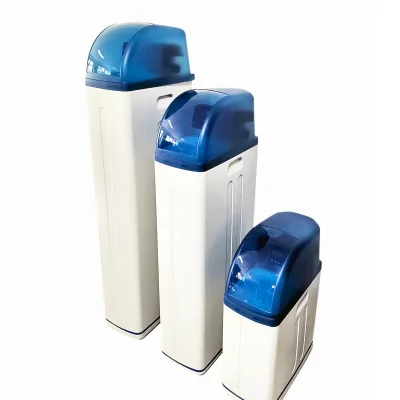
Home Use Domestic Water Softener System Residential Water Softener System
$186.13 - $206.47
MOQ: 1 pieces


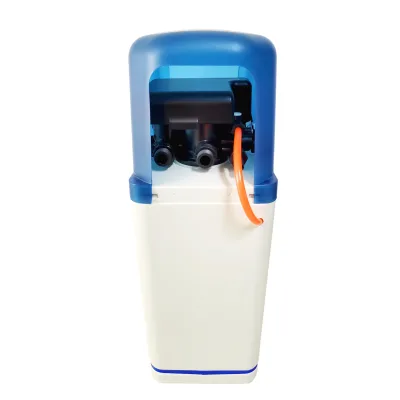
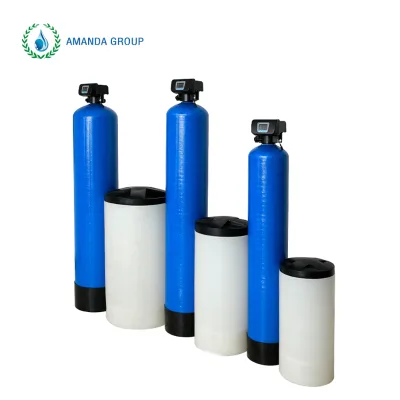

Comprehensive Sourcing Guide
Household Water Softener Sourcing Guide
Sourcing household water softeners requires a careful balance between technical performance, regulatory compliance, and commercial viability. These systems are designed to remove hardness minerals, primarily calcium and magnesium, from residential water supplies to prevent scale buildup in pipes, appliances, and fixtures. The procurement process involves evaluating various configurations, from compact cabinet units to floor-standing dispensers, each serving distinct installation needs and aesthetic preferences. Buyers must navigate a market where customization, OEM capabilities, and specific operational principles like ion exchange define the product landscape.
This guide provides evidence-based procurement advice for sourcing household water softeners, focusing on verified product attributes, technical specifications, and compliance requirements. By leveraging observed listing signals and standard industry knowledge, buyers can make informed decisions that align with their specific operational and quality standards. The following sections detail the critical factors to consider, ensuring that procurement strategies are grounded in factual data and practical verification steps rather than unverified claims.
Product Scope and Observed Listing Signals
The observed product range for household water softeners includes a variety of models such as KM-SOFT-D, KM-SOFT-XB1, SOFT-XB1, and NW-SOFT-2, indicating a diverse portfolio of solutions. These units are primarily categorized by their installation style, with options ranging from cabinet-type installations to floor-standing dispensers. The presence of models like KM-SOFT-1 and SOFT-2 suggests a tiered approach to capacity or feature sets, catering to different household sizes and water quality requirements. Buyers should note that the working principle for these systems is consistently identified as ion exchange, a standard and effective method for water softening.
Listing signals reveal significant flexibility in manufacturing and packaging, which is crucial for B2B buyers seeking tailored solutions. Customization is widely available, with OEM and ODM orders being workable, allowing brands to create proprietary products. Packaging options vary from color boxes and cartons to neutral blank packaging, supporting both branded retail and private label strategies. The origin of these products is predominantly China, with specific mentions of Ningbo and Zhejiang, regions known for their manufacturing capabilities in water treatment equipment. This geographic concentration can influence logistics and supply chain dynamics.
Technical Specifications to Verify
When evaluating technical specifications, the physical dimensions and flow types are critical for ensuring compatibility with existing plumbing and space constraints. Standard dimensions observed include 44.523.5117cm and 4933710cm, highlighting the variance in unit sizes. Buyers must verify the flow type, which can be either downflow or upflow, as this affects the regeneration process and efficiency of the softener. The inlet mode is typically pipeline-based, requiring proper integration into the home’s water supply system. Additionally, the control valve brand, such as Keman, and the moving disk type, often ceramic, are key components that influence durability and performance.
Electrical and capacity specifications also require careful verification to ensure safe and efficient operation. Power supply requirements generally range from 110V to 220V, accommodating different regional electrical standards. Some models may offer additional features such as cold, warm, and hot water options, particularly in floor-standing dispenser styles. Capacity is another vital metric, with some units specified at 2.5t/H, indicating their throughput capability. Buyers should confirm these specifications against their specific household water usage patterns and local electrical infrastructure to avoid compatibility issues.
Compliance and Safety Documentation
Compliance with international standards is a non-negotiable aspect of sourcing household water softeners, particularly for export markets. Common certifications observed include CE, RoHS, ISO9001, GS, UL, and SASO, each addressing different regulatory requirements. CE marking indicates conformity with health, safety, and environmental protection standards for products sold within the European Economic Area. RoHS compliance ensures that the product is free from specific hazardous materials, which is increasingly important for environmental protection and consumer safety. Buyers must verify that the certifications provided are valid and applicable to the specific model and destination market.
Safety standards such as UL and GS are particularly relevant for markets in North America and Europe, respectively, ensuring electrical and mechanical safety. SGS certification may also be present, indicating third-party testing and verification of product quality. It is essential for buyers to request copies of these certificates and verify their authenticity with the issuing bodies. Additionally, understanding the specific requirements of the target market, such as SASO for Saudi Arabia, is crucial for successful market entry. Non-compliance can lead to customs delays, product recalls, and legal liabilities.
Cost Drivers and Commercial Terms
The cost of household water softeners is influenced by several factors, including material quality, component brands, and customization levels. The observed price range of 0.99-3600 USD reflects the diversity in product types, from basic units to more advanced systems with additional features. Minimum Order Quantities (MOQ) typically range from 1 to 1000 units, offering flexibility for both small-scale buyers and large distributors. Buyers should consider the total cost of ownership, including installation, maintenance, and replacement parts, rather than just the initial purchase price.
Commercial terms such as payment methods, shipping arrangements, and warranty policies are critical components of the procurement agreement. OEM and ODM workability can impact costs, as custom designs and branding may incur additional fees. Packaging options, from neutral to customized, also affect logistics and storage costs. Buyers should negotiate clear terms regarding lead times, quality assurance, and after-sales support. Understanding the supplier’s capacity to handle large orders and their reliability in meeting delivery schedules is essential for maintaining a stable supply chain.
Supplier Qualification and Quality Control
Supplier qualification involves assessing the manufacturer’s production capabilities, quality management systems, and track record. Suppliers from regions like Ningbo and Zhejiang in China often have established manufacturing processes and access to raw materials. Buyers should verify the supplier’s ability to handle OEM and ODM orders, as this indicates flexibility and technical competence. Quality control measures, such as ISO9001 certification, provide assurance that the supplier adheres to standardized production processes. Regular audits and inspections can further ensure that products meet specified quality standards.
Quality control should extend to the verification of components, such as control valves and moving disks, which are critical for the softener’s performance. Buyers should request sample units for testing to evaluate functionality, durability, and ease of installation. Documentation of test results and performance data can provide additional confidence in the product’s reliability. Establishing a clear communication channel with the supplier for addressing quality issues and implementing corrective actions is vital for long-term partnership success.
Long-Term Procurement Checks
Long-term procurement success depends on continuous monitoring of supplier performance and product quality. Regular reviews of delivery times, product consistency, and customer feedback can help identify potential issues early. Buyers should maintain open communication with suppliers to address any changes in product specifications or regulatory requirements. Staying informed about industry trends and technological advancements can also help in making informed decisions about future purchases. Building a diversified supplier base can mitigate risks associated with single-source dependencies.
Additionally, buyers should periodically reassess their compliance requirements and market needs to ensure that the sourced products remain relevant and compliant. Engaging with third-party testing agencies for periodic audits can provide an objective assessment of product quality. Developing a robust after-sales support strategy, including spare parts availability and technical assistance, is crucial for customer satisfaction and brand reputation. By focusing on these long-term checks, buyers can ensure a sustainable and reliable supply of household water softeners.
FAQs
What certifications do these water softeners have?
The products hold CE, RoHS, ISO9001, SGS, UL, GS, and SASO certifications. These standards ensure safety and quality compliance for international markets, with specific models like KM-SOFT-1 featuring multiple certifications including UL and GS.
Can I request custom colors for the units?
Yes, customized colors are available for these water softeners. The standard color is white, but buyers can request specific customizations to match their interior design or branding requirements through the OEM and ODM workable options.
Which installation style is available for these units?
The units are available in cabinet type and floor-standing styles. The cabinet type is suitable for purifiers, while the floor-standing style is designed for dispensers, offering flexibility for different household layouts and space constraints.
What is the working principle of the softener?
The working principle relies on ion exchange resin technology. This method effectively removes hardness ions from water, making it suitable for environmental protection applications and ensuring high-quality water output for household use.
How is the product packed for shipping?
Packaging options include color boxes, carton boxes, neutral blank boxes, or customized packaging. Specific models may come in single pieces per carton, ensuring safe transport and allowing for branding customization if required by the buyer.
What is the origin location of these products?
The products originate from China, specifically from Ningbo and Zhejiang regions. These locations are known for manufacturing capabilities, ensuring reliable production and supply chain management for international buyers seeking cost-effective solutions.
Can I order OEM or ODM services?
Yes, OEM and ODM orders are workable for these water softeners. Buyers can request custom branding, specifications, or packaging, allowing for tailored solutions that meet specific market needs or private label requirements.