Source Household Washing Machine Motor for Spin, Washer, and Control
Find and compare 30 Household Washing Machine Motor options featuring single-phase AC synchronous designs with direct on-line starting. Evaluate specifications including 60W to 280W power ratings, copper or aluminum wire variants, and CCC or CE certifications for reliable appliance integration.
Key considerations
Products List


Home Appliance Parts AC Motor Washing Machine Spare Parts Motor Spin Motor
$0.10 - $4.00
MOQ: 5000 Pieces


Washing Machine Drain Pump Household Appliances Washer Parts Water Pump Motor
$1.90 - $2.38
MOQ: 100 Pieces




Comprehensive Sourcing Guide
Household Washing Machine Motor Sourcing Guide
Product Scope and Observed Listing Signals
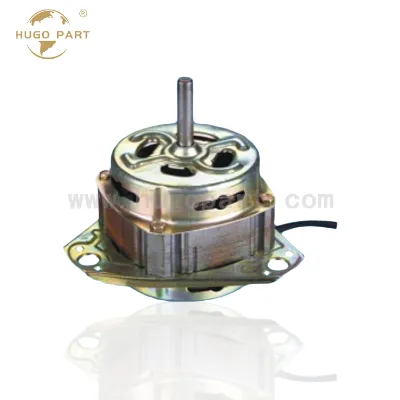
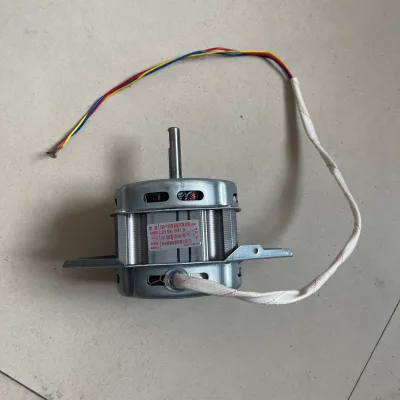
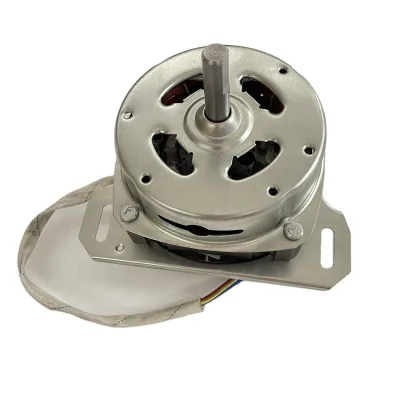
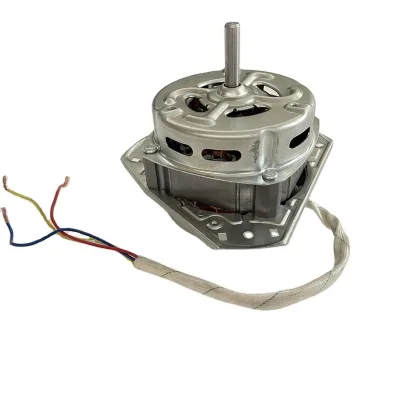
Buyers entering the market for household washing machine motors will encounter a diverse range of single-phase AC motors designed for universal application within domestic laundry appliances. The observed product listings indicate a primary focus on synchronous motors with non-electromagnetic structures, typically featuring oil bearings to ensure smooth operation during the wash and spin cycles. These units are engineered for direct on-line starting, a critical feature for ensuring reliable torque generation immediately upon activation without the need for complex external starting circuits.
The commercial landscape for these components reveals significant variability in power ratings and physical configurations, with observed models ranging from 60W to 280W depending on the specific application, such as spin motors or washer motors. Listings frequently highlight customization availability, allowing buyers to tailor attributes like cover color to yellow, white, or black, and wire composition to either copper or aluminum based on cost and performance requirements. This flexibility extends to packing standards, where options include standard export packing or specific box configurations, often grouped in quantities of four pieces per carton to optimize logistics for international trade.
Technical Specifications to Verify
When evaluating potential suppliers, the first technical verification must focus on the electrical architecture, specifically confirming the number of stator poles and the power source compatibility. The majority of observed units are single-phase AC motors, which must align with the standard 220-240V voltage and 50Hz frequency requirements of the target market. Buyers should explicitly verify the shaft dimensions, as observed specifications include a 10mm shaft diameter and 40mm shaft length, ensuring these physical interfaces match the drum and transmission systems of the washing machine assembly.
Performance characteristics such as speed control and shape are equally critical for integration success. Procurement teams must distinguish between high-speed and constant-speed variants, as the application dictates whether the motor is intended for the agitation phase or the high-velocity spin cycle. Additionally, the casing protection type must be confirmed, ranging from open types to specific protection types that may be required for wet environments. The shape of the electrical interface, observed as either 4-pin square or 3-pin triangle configurations, must be matched precisely to the control board connectors to prevent wiring errors during assembly.
Compliance and Safety Documentation
Regulatory compliance is a non-negotiable aspect of sourcing washing machine motors, with the China Compulsory Certification (CCC) appearing as a primary requirement for products originating from China. Buyers must request valid CCC certificates to ensure the motor meets the mandatory safety standards for the domestic Chinese market and potentially other regions that recognize this certification. In addition to CCC, the presence of ISO certification and CE marking should be verified, as these documents indicate adherence to international quality management systems and European safety directives, respectively.
Documentation review should also extend to the specific product standards that govern the motor's construction and performance limits. Observed listings reference power standards ranging from 60W to 250W or 60W to 280W, and buyers must ensure the supplier's declared output aligns with these established ranges to avoid receiving underpowered or non-compliant units. The certification documents must explicitly state the function of the motor, whether for driving or control purposes, to confirm that the specific unit purchased is legally cleared for its intended use in a household appliance.
Cost Drivers and Commercial Terms
The pricing structure for these motors is influenced heavily by the choice of wire material, with copper wire variants typically commanding a higher price point than aluminum wire options due to superior conductivity and durability. Buyers should analyze the trade-off between initial unit cost and long-term operational efficiency, as the choice of wire directly impacts the motor's lifespan and energy consumption. The observed price range of 0.1 to 15.29 USD suggests a wide spectrum of options, where the final cost is determined by the specific power rating, customization level, and the complexity of the casing protection.
Commercial terms regarding Minimum Order Quantity (MOQ) and lead times are equally variable, with observed MOQs spanning from 1 unit to 5000 units. This flexibility allows buyers to test the market with small batches or secure large volumes for mass production, but it requires careful negotiation to balance inventory costs with supply chain reliability. The packing configuration, such as the standard 4PCS/CTN arrangement, also plays a role in the total landed cost, as it affects shipping volume and handling efficiency. Buyers must clarify whether the quoted price includes the cost of the box packaging or if it is an additional line item in the commercial invoice.
Supplier Qualification and Quality Control
Supplier qualification should begin with a rigorous audit of their manufacturing capabilities, specifically their ability to produce motors with the observed specifications like the ZY-007 or 1901 models. Buyers must verify that the supplier has a proven track record in producing synchronous motors with oil bearings and single-phase stators, as these are specialized components that require precise assembly techniques. The availability of customization services is a strong indicator of a supplier's flexibility, but it must be backed by a robust quality control process to ensure that custom colors or wire types do not compromise the motor's structural integrity.
Quality control protocols must include verification of the product's physical attributes, such as the cover color consistency and the precision of the shaft diameter and length. Since the observed data indicates a mix of copper and aluminum wire options, suppliers should provide test results or quality reports that confirm the material composition matches the order specifications. Buyers should also inspect the packing process to ensure that the standard export packing or box configurations are executed correctly to prevent damage during transit, as the integrity of the motor is paramount for the final appliance's performance.
Long-Term Procurement Checks
Sustaining a successful supply chain for washing machine motors requires ongoing monitoring of the supplier's ability to maintain consistent product standards over time. Buyers should establish a schedule for periodic re-verification of certifications, ensuring that CCC, ISO, and CE documents remain valid and that the supplier continues to meet the evolving regulatory requirements of the target markets. This proactive approach helps mitigate the risk of supply disruptions caused by regulatory non-compliance or changes in safety standards that could render existing inventory obsolete.
Performance tracking should also include a review of the motor's reliability in the field, focusing on metrics such as bearing life and speed consistency. Since the observed products include both high-speed and constant-speed variants, buyers must correlate field data with the specific model numbers to identify any recurring issues with the oil bearings or the non-electromagnetic structure. Establishing a feedback loop with the supplier allows for continuous improvement, ensuring that future production runs address any identified defects and maintain the high standards required for household washing machine applications.
FAQs
What certifications are available for household washing machine motors?
Available certifications include CCC and ISO standards. These ensure compliance with safety and quality requirements for electrical appliances. Buyers should verify specific certification documents with suppliers to confirm validity for their target market. The Function attribute may vary between Driving and Control applications depending on the motor type.
Can household washing machine motors be customized for specific needs?
Yes, customization is available for these motors. Buyers can request specific modifications to meet unique operational requirements. This flexibility allows for tailored solutions in various household appliance designs. It is advisable to discuss customization details directly with manufacturers to ensure feasibility and cost implications.
What is the typical power range for these motors?
The power range typically spans from 60W to 280W. Specific models may cover narrower bands like 60W-180W or 45W-90W for spin functions. This variety supports different washing machine capacities and operational speeds. Buyers should select the appropriate wattage based on their appliance's mechanical load requirements.
Which wire materials are used in these household washing machine motors?
Motors are constructed using either copper wire or aluminum wire. Copper offers superior conductivity, while aluminum provides a cost-effective alternative. The choice impacts performance and durability. Buyers should specify their preference during sourcing to ensure the motor meets their quality and budget standards.
What is the standard packing method for these motors?
Standard packing includes box packaging, often with 4 pieces per carton. Some suppliers use standard export packing for larger orders. This ensures safe transit and protection against damage. Buyers should confirm packing details to optimize logistics and storage efficiency for their supply chain.
Are these motors suitable for universal application in washing machines?
Yes, these motors are designed for universal application. They support single-phase AC power sources and direct on-line starting. This versatility makes them compatible with various household washing machine models. Buyers can rely on their broad applicability for different appliance manufacturing needs.