Source Household Vacuum Cleaner Dust Bags for homes, offices, and clinics
Explore 30 listings of Household Vacuum Cleaner Dust Bags with varying materials, sizes, and filtration grades. Buyers can compare specifications such as paper, cotton, and synthetic fiber options to find suitable dust filters for residential and office use.
Key considerations
Products List


Home Vacuum Cleaner with 2L Capacity and Dust Bag
$14.20 - $15.80
MOQ: 1000 Pieces
NingBo ChinaClean Household Appliances Manufacture Co., Ltd.

Non-Woven Dust Bag Vacuum Cleaner Bag
$0.60 - $0.70
MOQ: 1000 Pieces
NingBo ChinaClean Household Appliances Manufacture Co., Ltd.

CE RoHS: Corded Home Appliance-Bag Vacuum Cleaner for Home Clean
$15.50 - $16.00
MOQ: 1000 Pieces
NingBo ChinaClean Household Appliances Manufacture Co., Ltd.


Green Color Water Filter Home Use Vacuum Cleaner
$43.00 - $45.00
MOQ: 1000 Pieces
NingBo ChinaClean Household Appliances Manufacture Co., Ltd.

Ultimate Home Deep Cleaning Vacuum Bag for Powerful Performance
$15.50 - $16.00
MOQ: 1000 Pieces
NingBo ChinaClean Household Appliances Manufacture Co., Ltd.


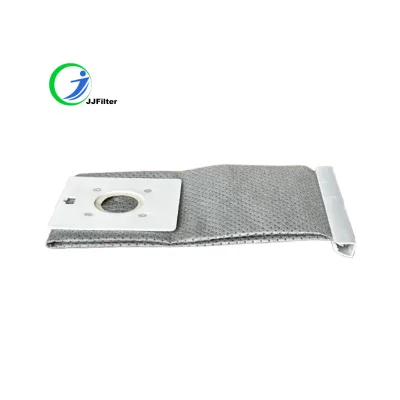
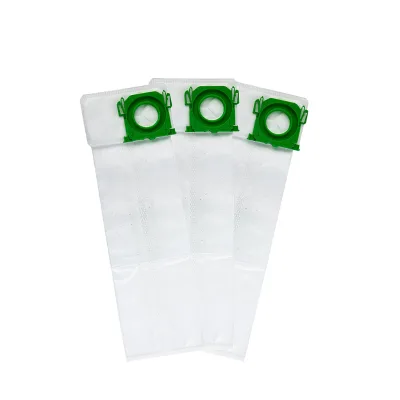


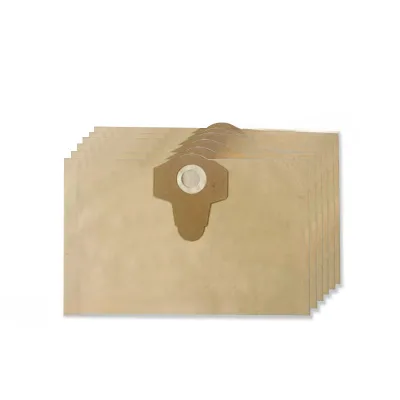
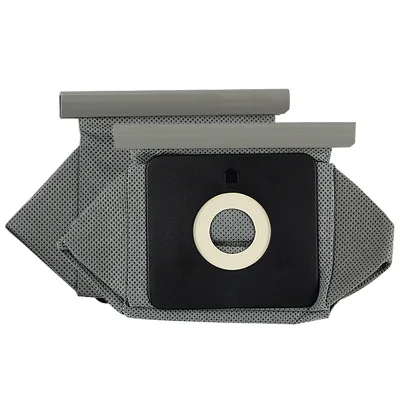
Washable Vacuum Cleaner Cloth Dust Bag for Philips, Electrolux, LG Vacuum Cleaner
$0.45 - $0.55
MOQ: 1000 pieces
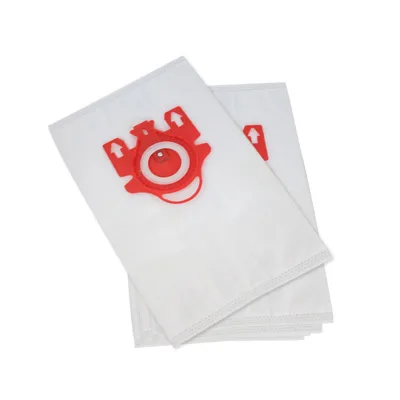
Comprehensive Sourcing Guide
Strategic Sourcing Guide for Household Vacuum Cleaner Dust Bags
Understanding Product Categories and Material Variations
When sourcing Household Vacuum Cleaner Dust Bags, buyers must first navigate a diverse landscape of product classifications that often overlap in marketing but differ significantly in technical performance. The core market segment includes vacuum cleaner paper bags, which are traditionally constructed from paper media designed for standard suction applications. However, the modern procurement environment also demands attention to specialized variants such as HEPA filter bags and pocket filters, which utilize different media structures to meet higher filtration standards.
The material composition is the primary differentiator among these categories. While traditional options rely on paper as the base medium, advanced filtration solutions often incorporate synthetic fibers, non-woven polyester, or cotton blends. For instance, specific product lines utilize wood pulp fiber filters, whereas others employ non-woven materials to enhance durability and dust retention. The filtration grade is equally critical; while some bags offer middle efficiency suitable for general household dust, others are engineered as HEPA filters capable of capturing microscopic particles. Buyers should verify the specific medium material listed in the product specifications, as the choice between paper, cotton, synthetic fiber, or non-woven polyester directly impacts the bag's ability to trap allergens and fine particulates without clogging the vacuum motor.
Furthermore, the structural design of the bag influences its compatibility with various vacuum models. Some products are designed as round bags, while others feature a sectional shape or a pocket filter configuration. The installation method, such as vertical lifting for cartridge-style filters, must align with the internal mechanics of the target vacuum cleaner. Understanding these distinctions prevents the procurement of incompatible units that may fail to seal properly or restrict airflow, leading to reduced cleaning efficiency and potential equipment damage.
Technical Specifications and Dimensional Compatibility
Precision in technical specifications is paramount when sourcing dust bags, as even minor dimensional discrepancies can render a product unusable. The physical size of the bag and the collar are the most critical metrics for ensuring a secure fit within the vacuum's dust collection chamber. Buyers must scrutinize the exact dimensions provided in the product data, such as bag sizes ranging from approximately 164.5mm by 148mm to larger configurations like 226mm by 123mm or 325mm by 161mm. The collar dimensions, which often measure around 113mm by 99mm, are equally vital as they determine the seal against the vacuum's intake port.
In addition to physical dimensions, the structural composition of the filter media dictates performance. Specifications may indicate a layered structure, such as a combination of P50g and M20g materials, which suggests a multi-layered approach to filtration efficiency. This structural detail often correlates with the stated efficiency rating, which can vary from middle efficiency levels to high-performance metrics like 94% filtration efficiency. The environment in which the bag operates, typically room temperature, must also be considered, although some products are rated for specific temperature ranges.
Compatibility with specific vacuum models is another technical constraint that cannot be overlooked. Sourcing guides must emphasize the importance of matching the product model number, such as 209-filter, 320-filter, 7-filter, or 151-filter, to the intended application. These model numbers often correspond to specific brands or series, such as Quartervac, Tailvac, Provac, Quietpro Bp, Alpine, or Perfect vacuum cleaners. A mismatch in model numbers can lead to air leaks, reduced suction power, and premature filter failure. Buyers should cross-reference the "Applicable Models" field in the product listing with their existing inventory or target market requirements to ensure seamless integration.
Compliance, Certification, and Performance Standards
Navigating the compliance landscape for vacuum cleaner dust bags requires a careful review of the standards and certifications claimed by suppliers. While the market contains products adhering to various international standards, buyers must verify the specific certification status of each item. Some product listings reference CE certification, indicating compliance with European safety and health requirements, while others may cite specific material standards like SMS Cloth or P50+M20-94%. It is essential to treat these certifications as observations that require validation rather than guaranteed attributes for every product in a category.
The filtration efficiency is a key performance metric that often serves as a proxy for compliance with health and safety standards. Products claiming middle efficiency are suitable for general household dust, whereas those labeled as HEPA filters are designed for environments requiring higher purity levels. The efficiency rating, which may be customized to reach 94% or higher, should be supported by test data or recognized third-party verification. Buyers should request documentation that confirms the filtration grade, ensuring that the product meets the specific regulatory requirements of the destination market.
Color and customization options also play a role in product compliance, particularly for branding and identification purposes. Specifications may list colors such as brown, white, gray, black, or red, often with customization available to match specific brand identities. While these aesthetic choices do not directly impact filtration performance, they are part of the overall product specification that must be aligned with procurement requirements. The supplier's ability to provide customized colors and structures, such as the P50g+M20g configuration, demonstrates flexibility in meeting diverse market needs.
Cost Drivers and Pricing Dynamics
The pricing of Household Vacuum Cleaner Dust Bags is influenced by a complex interplay of factors, including material costs, production complexity, and order volume. The observed price range in the market spans from $0.10 to $199.00, reflecting the vast diversity in product quality and specifications. Lower-priced items typically correspond to standard paper bags with middle efficiency, while higher-priced units often feature advanced filtration media, such as HEPA-grade synthetic fibers or specialized non-woven structures.
Material composition is a primary cost driver. Products utilizing wood pulp fiber, cotton, or synthetic fibers generally command different price points compared to those made from standard paper. The complexity of the manufacturing process, such as the creation of multi-layered structures or the integration of vertical lifting mechanisms, also adds to the production cost. Additionally, customization options, including specific colors, sizes, and efficiency ratings, can increase the unit price due to the additional setup and tooling required.
Order volume plays a significant role in determining the final cost per unit. The minimum order quantity (MOQ) ranges from 1 to 1000 units, allowing buyers to scale their procurement based on their immediate needs and budget constraints. Larger orders typically benefit from economies of scale, reducing the per-unit cost. However, buyers must balance the cost savings of bulk purchasing against the risk of inventory obsolescence, especially given the specific model compatibility of these products. Understanding these cost drivers enables buyers to negotiate more effectively and allocate their budget efficiently.
Supplier Evaluation and Quality Assurance
Selecting the right supplier is a critical step in the procurement process, requiring a thorough evaluation of their capabilities, reputation, and quality control measures. The supplier landscape includes established manufacturers such as Nanjing Blue Sky Filter Co., Ltd., which operates from Nanjing, Jiangsu. When evaluating potential partners, buyers should verify the supplier's origin, production capacity, and adherence to quality standards. The product origin, such as Nanjing Jiangsu, can provide insights into the regional manufacturing ecosystem and the potential for logistical efficiency.
Quality assurance is another vital consideration. Buyers should assess the supplier's ability to maintain consistent product quality across different batches. This includes verifying the consistency of material composition, dimensional accuracy, and filtration efficiency. The supplier's packaging standards, such as the use of standard export cartons, are also indicative of their commitment to protecting the product during transit. Additionally, the supplier's flexibility in offering customization, such as tailored colors and sizes, demonstrates their ability to meet specific buyer requirements.
To ensure long-term reliability, buyers should request samples for testing and validation. This allows for a direct assessment of the product's performance, including its fit, seal, and filtration efficiency. The supplier's responsiveness to inquiries and their willingness to provide detailed technical documentation are also important indicators of their professionalism and commitment to customer satisfaction. By conducting a comprehensive supplier evaluation, buyers can mitigate risks and establish a reliable supply chain for their household vacuum cleaner dust bag needs.
Long-Term Procurement and Application Strategy
Developing a long-term procurement strategy for Household Vacuum Cleaner Dust Bags requires a forward-looking approach that considers market trends, product lifecycle, and evolving consumer demands. As the market continues to shift towards higher efficiency filtration, buyers should anticipate an increasing demand for HEPA filters and specialized materials. This trend necessitates a flexible sourcing strategy that can adapt to changing specifications and performance requirements.
The application of these products extends beyond simple dust collection; they play a crucial role in maintaining indoor air quality and protecting vacuum cleaner motors. Therefore, buyers should prioritize products that offer a balance of high efficiency and durability. The ability to customize products, such as adjusting the filtration grade or color, allows buyers to differentiate their offerings and meet the specific needs of various market segments.
Furthermore, the procurement strategy should account for the variability in product models and compatibility. With a wide range of applicable models, from Quartervac to Perfect vacuum cleaners, buyers must maintain a diverse inventory to serve different customer bases. This requires a robust supply chain management system that can handle multiple product lines and ensure timely delivery. By focusing on long-term relationships with reliable suppliers and maintaining a strategic inventory, buyers can secure a competitive advantage in the household vacuum cleaner dust bag market.
FAQs
What materials are used for Household Vacuum Cleaner Dust Bags?
These bags are constructed from paper, cotton, synthetic fiber, or non-woven polyester media. Some products utilize wood pulp fiber filters, while others feature layered structures like P50g plus M20g to ensure durability and effective dust retention for various vacuum models.
Which filtration grades are available for these vacuum cleaner bags?
Available filtration grades range from middle efficiency to HEPA filter standards. Specific products offer customized efficiency ratings, such as 94% filtration, to meet different household and office air quality requirements while protecting the vacuum motor from fine particulates.
Can buyers customize the color and structure of the dust bags?
Yes, customization is available for colors including brown, white, gray, black, and red. Buyers can also request specific structural configurations, such as the P50g plus M20g arrangement, to align with brand identity and specific filtration performance needs for their vacuum cleaners.
How do I ensure the bag fits my specific vacuum cleaner model?
Verify the product model number and dimensions against your vacuum cleaner's requirements. Specific models like 209-filter or 151-filter correspond to brands such as Quartervac, Tailvac, or Perfect, ensuring the bag size and collar dimensions create a secure seal without air leaks.
What certifications do these vacuum cleaner dust bags meet?
Some products adhere to CE certification standards for safety and health compliance. Other listings reference specific material standards like SMS Cloth or P50 plus M20-94%, indicating adherence to defined filtration and structural performance criteria for the intended application environment.
What is the typical price range for Household Vacuum Cleaner Dust Bags?
The observed price range spans from 0.10 to 199.00 USD depending on specifications. Lower costs typically apply to standard paper bags with middle efficiency, while advanced HEPA filters or customized non-woven structures command higher prices due to complex manufacturing and material costs.
What are the minimum order quantities for sourcing these bags?
Minimum order quantities range from 1 to 1000 units to accommodate different buyer needs. This flexibility allows purchasers to scale orders based on immediate requirements, balancing bulk cost savings with inventory management for specific vacuum cleaner model compatibility.