Source Industrial Power Distribution Box for Power Plants, Industry, Transmission
Find 30 Industrial Power Distribution Box options with varying ratings, materials, and certifications. Compare specifications for indoor and industrial applications to select the right unit for your power needs; compare the available evidence and request quotations based on your requirements.
Updated
Key considerations
Products List


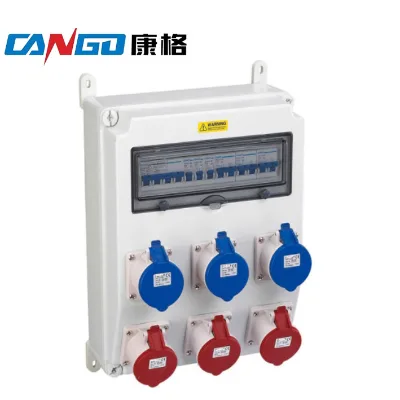
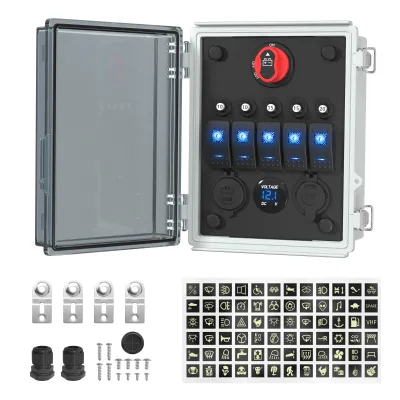
Recommend Waterproof Industrial Multi Plug Sockets Power Distribution Box
$25.9522 - $31.1432
MOQ: 10 pieces
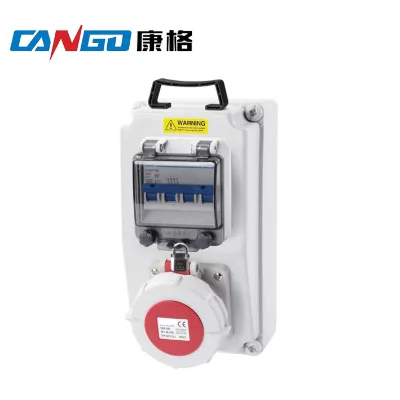
High Quality Portable Industrial Outlet Box Outdoor Mobile Waterproof Power Distribution Box
$28.7088 - $30.7595
MOQ: 10 pieces
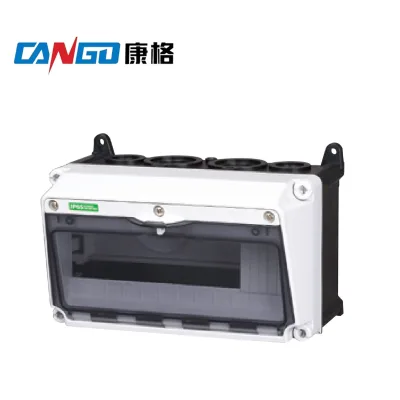


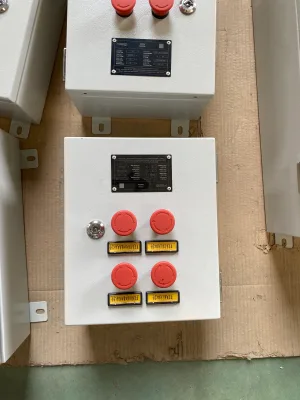
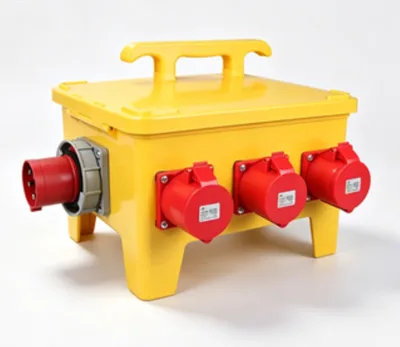


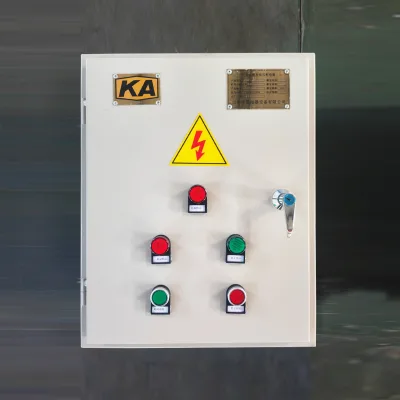
Electrical Panel Box Control Panel Industrial 3 Phases Distribution Box
$188.00 - $266.00
MOQ: 3 pieces


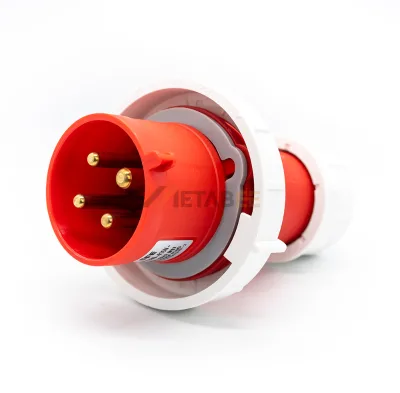
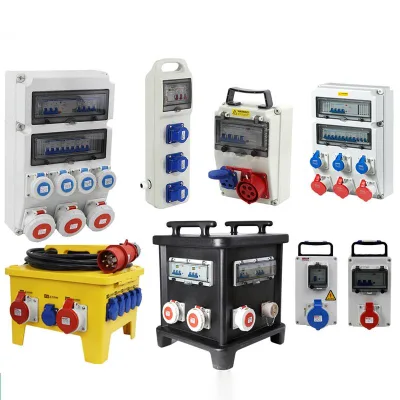


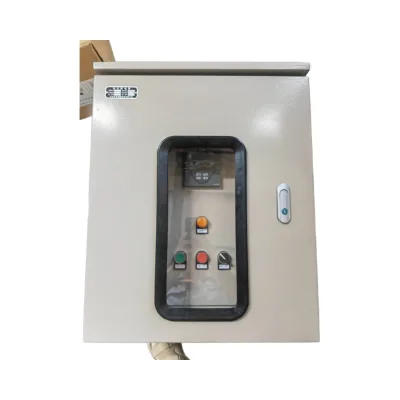
Industrial Power Distribution Box with Waterproof Electrical Cabinet Design
$200.00 - $500.00
MOQ: 200 Pieces

Industrial Waterproof Power Distribution Box with Low Voltage Electrical Cabinet
$200.00 - $500.00
MOQ: 200 Pieces
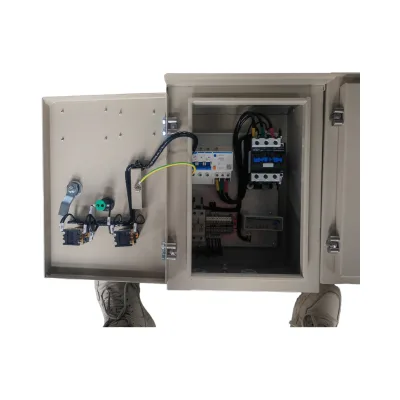
Comprehensive Sourcing Guide
Industrial Power Distribution Box Sourcing Guide
Procuring industrial power distribution boxes requires a disciplined approach to aligning technical specifications with operational safety and regulatory compliance. Buyers must navigate a market where products vary significantly in shell material, protection grade, and electrical ratings. The core keyword "Industrial Power Distribution Box" encompasses a wide range of solutions, from low-voltage steel plate enclosures to customized ABS units designed for specific indoor or industrial applications. Understanding these variations is the first step in defining a precise procurement requirement that prevents costly mismatches between the supplied equipment and the intended power transmission environment.
This guide provides evidence-based sourcing strategies for evaluating industrial power distribution boxes, focusing on verified attributes such as IP56 shell protection, powder-coated surface treatments, and standardized model numbers like KG283815 or KG-1801. By examining observed listing signals, technical verification steps, and commercial terms, buyers can construct a robust sourcing plan. The following sections detail how to assess product scope, verify critical specifications, ensure compliance, manage costs, qualify suppliers, and establish long-term quality controls for these essential electrical components.
Product Scope and Observed Listing Signals
The observed market for industrial power distribution boxes reveals a diverse range of product configurations, primarily originating from Zhejiang, China. Listings indicate a price range of $1.09 to $1480 USD, reflecting variations in size, material, and customization levels. Common shell materials include steel plate and stainless steel, with some units utilizing ABS for specialized applications. The presence of models such as SK2025021106003 and AB-1701 suggests that suppliers offer both standardized and custom-made sizes, catering to specific project requirements. Buyers should note that the "Industrial Power Distribution Box" category includes products with varying pole counts and socket configurations, ranging from zero sockets to twenty-four, depending on the intended distribution architecture.
Packaging and physical attributes also vary significantly across listings, impacting logistics and handling. Observed packing methods include wooden packaging, carton boxes, and all-packaged types, with single package sizes ranging from small dimensions like 27.53210CM to larger units measuring 190X140X260 cm. The single gross weight can reach up to 350.000 kg for certain heavy-duty models, necessitating careful freight planning. Additionally, the selling units are typically listed as single items, with MOQs ranging from 1 to 200 pieces. These signals help buyers estimate total landed costs and determine whether the supplier can accommodate small-batch trials or large-scale industrial deployments.
Technical Specifications to Verify
When evaluating industrial power distribution boxes, verifying electrical ratings is paramount to ensure compatibility with existing infrastructure. Observed rated voltages include 220V, 240V, 380V, 400V, and lower voltages such as 48V, 110V, and 120V, indicating that buyers must match the box to their specific power grid requirements. Rated currents also vary widely, with observed values including 16A, 63A, and higher currents up to 140A. It is critical to confirm the number of poles and sockets, as some units are designed for single-phase distribution while others support three-phase industrial loads. Buyers should request detailed datasheets that explicitly state these parameters to avoid overloading or underutilizing the distribution equipment.
Physical construction and environmental protection features are equally important for long-term reliability in industrial settings. The shell protection grade is a key specification, with IP56 being a common standard observed in listings, offering protection against dust and powerful water jets. Surface treatments such as powder coating are frequently applied to steel plates to enhance corrosion resistance, particularly in harsh environments like power plants or outdoor industrial sites. Buyers should verify the material composition, whether it is steel plate, stainless steel, or ABS, and ensure that the customization options allow for precise dimensional fits. Confirming the energy source, often electric arc for welding processes, and the structural protection type ensures the box can withstand mechanical stresses and electrical faults.
Compliance and Safety Documentation
Certification and standard compliance are non-negotiable for industrial power distribution boxes, as they ensure safety and legal market access. Observed certifications include CCC, VDE, and ISO9001, which indicate adherence to specific quality management and safety standards. Buyers must verify that the provided certificates are valid and applicable to the specific model and voltage rating being purchased. For instance, ISO9001 certification may be listed for different product forms, such as partly-welded or all-packaged types, so it is essential to confirm that the quality management system covers the manufacturing process of the specific box variant. Additionally, standards such as GB and custom-made size specifications should be cross-referenced with local regulatory requirements to ensure full compliance.
Documentation should also include detailed test reports and warranty terms to mitigate procurement risk. A one-year warranty is commonly observed, providing a baseline for supplier accountability regarding manufacturing defects. Buyers should request evidence of routine testing, particularly for electrical integrity and environmental sealing, to validate the IP56 protection grade claims. Furthermore, understanding the standard model numbers, such as 800-600-200 or KG283815, helps in tracing the product lineage and ensuring consistency in future orders. Clear documentation of the rated frequency, typically 50Hz, and the application range, including indoor and industrial use, further supports the verification process and ensures the product is fit for its intended purpose.
Cost Drivers and Commercial Terms
The cost of industrial power distribution boxes is influenced by several key factors, including material selection, customization level, and packaging requirements. Steel plate and stainless steel shells generally command higher prices than ABS units due to durability and protection capabilities. Customization options, such as specific sizes or socket configurations, can increase production costs and lead times. Buyers should analyze the price range of $1.09 to $1480 USD to understand the value proposition of different models, considering that higher prices often correlate with robust construction, higher current ratings, and additional certifications. It is advisable to request detailed quotations that break down costs for materials, labor, and packaging to identify potential savings.
Commercial terms, including MOQ and lead times, play a significant role in procurement planning. Observed MOQs range from 1 to 200 pieces, offering flexibility for both trial orders and bulk purchases. Buyers should negotiate terms that align with their inventory management strategy, considering the single package size and gross weight for logistics optimization. Packaging methods, such as wooden crates or carton boxes, affect both protection during transit and handling costs. Additionally, the brand name, such as kangge, may influence pricing due to perceived quality and reliability. Clear communication regarding payment terms, shipping responsibilities, and after-sales support is essential to avoid hidden costs and ensure a smooth procurement process.
Supplier Qualification and Quality Control
Supplier qualification is critical for ensuring the reliability and consistency of industrial power distribution boxes. Buyers should verify the supplier's manufacturing capabilities, particularly their ability to produce customized sizes and handle various shell materials like steel plate and stainless steel. The presence of ISO9001 certification suggests a structured quality management system, but buyers should conduct on-site audits or request third-party audit reports to confirm adherence to these standards. Additionally, assessing the supplier's experience in producing products for specific applications, such as power plants or electric power transmission, can provide insights into their technical expertise and market reputation.
Quality control measures should be integrated into the procurement process to minimize defects and ensure product performance. Buyers should establish clear acceptance criteria based on observed specifications, including IP56 protection, powder-coated surface treatment, and accurate electrical ratings. Implementing pre-shipment inspections is recommended to verify that the delivered boxes match the ordered specifications, including model numbers like KG-1801 or AB-1701. Furthermore, maintaining open communication with the supplier regarding any deviations or issues can facilitate timely resolutions. Building a long-term relationship with a qualified supplier ensures consistent quality and access to updated product offerings, reducing procurement risks over time.
Long-Term Procurement Checks
Long-term procurement success depends on continuous monitoring of supplier performance and product reliability. Buyers should track key performance indicators such as on-time delivery rates, defect rates, and responsiveness to technical queries. Regular reviews of warranty claims and after-sales support can highlight potential issues with product durability or manufacturing consistency. Additionally, staying informed about updates in industry standards and certifications, such as CCC or VDE, ensures that the sourced products remain compliant with evolving regulatory requirements. This proactive approach helps maintain a high standard of quality and safety for industrial power distribution systems.
Technological advancements and market trends should also be considered when planning future procurement cycles. As industrial applications evolve, there may be a demand for more customized solutions or higher efficiency ratings. Buyers should engage with suppliers to explore new product offerings, such as updated models with enhanced protection grades or alternative materials. Maintaining a diverse supplier base can mitigate risks associated with single-source dependencies. By regularly reassessing procurement strategies and supplier capabilities, buyers can ensure that their industrial power distribution infrastructure remains robust, efficient, and aligned with operational needs.
FAQs
What certifications do industrial power distribution boxes have?
These boxes typically hold CCC, VDE, and ISO9001 certifications. The product forms include partly-welded and all-packaged types. Buyers should verify specific certification documents for each model to ensure compliance with local safety standards and industrial requirements before placing orders.
Which shell materials are used for these distribution boxes?
Manufacturers use steel plate, stainless steel, and ABS materials for the shell. The protection grade is often IP56 to resist dust and water. Buyers can request specific materials based on their application environment, such as indoor industrial use or power plant settings.
Can I customize the size of the Industrial Power Distribution Box?
Yes, customization is available for customers to meet specific needs. Sizes can be customized or follow standard dimensions like 800-600-200. Buyers should provide exact requirements to manufacturers who offer custom-made sizes and tailored packaging solutions for their specific projects.
What is the rated voltage range for these boxes?
Rated voltages vary from low voltage up to 400V, including 220V, 240V, 380V, and 48V options. Some models support multiple voltage levels like 110V or 120V. Buyers must select the correct voltage rating based on their specific power transmission or distribution system requirements.
How are these boxes packaged for shipping?
Packaging options include wooden packaging, carton boxes, and all-packaged types. Single package sizes vary, with some reaching dimensions like 190x140x260 cm. Buyers should confirm the specific packing method to ensure safe transport and protection of the equipment during international shipping.
What is the warranty period for industrial power distribution boxes?
The standard warranty period is typically one year for these products. This coverage applies to manufacturing defects and material failures under normal operating conditions. Buyers should review the specific warranty terms provided by the supplier to understand the scope of protection and claim procedures.