Source Inflatable Beach Ball for Pool, Beach, and Water Park
Find 30 customizable PVC Inflatable Beach Ball options for swimming pools, beaches, and water parks. Compare sizes from 10 to 36 inches, printing methods, and lead times to select the right promotional toy for your needs.
Key considerations
Products List


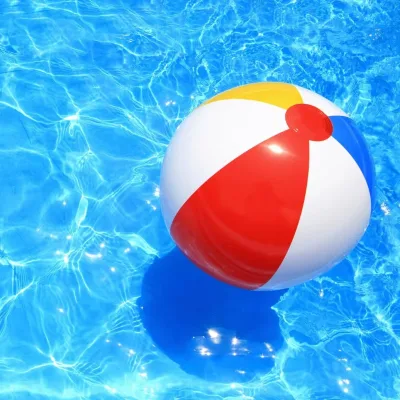
Promotional Inflatable Beach Ball with Logo, PVC Beach Ball, Inflatable Beach Ball
$0.35 - $0.50
MOQ: 1000 Pieces


Comprehensive Sourcing Guide
Inflatable Beach Ball Sourcing Guide
Sourcing inflatable beach balls requires a careful balance between promotional utility, material durability, and regulatory compliance. These products serve as versatile marketing tools and recreational items, often customized with logos and specific branding to maximize visibility at events, water parks, and retail environments. Buyers must navigate a market characterized by significant variability in manufacturing standards, pricing structures, and supply chain logistics. Understanding the technical nuances of PVC construction, printing techniques, and certification requirements is essential for securing a product that meets both functional expectations and legal obligations in target markets.
The procurement process involves evaluating multiple dimensions, from the physical specifications of the inflatable to the commercial terms offered by suppliers. Key factors include the choice of material thickness, the method of logo application, and the agreed-upon minimum order quantities (MOQs). Furthermore, lead times and shipping methods play a critical role in inventory planning, particularly for seasonal demand spikes associated with summer holidays or specific promotional campaigns. A disciplined approach to supplier verification and quality control ensures that the final product aligns with brand standards and withstands the rigors of use in outdoor or aquatic environments.
Product Scope and Observed Listing Signals
The market for inflatable beach balls encompasses a wide range of applications, including swimming pools, beaches, water parks, and advertising displays. Listings indicate that these items are frequently categorized as promotional toys, soft toys, or sports equipment, reflecting their dual role in recreation and brand marketing. The observed product scope suggests that buyers can expect a variety of styles, from simple, unpatterned designs to complex, multi-colored patterns suitable for high-impact visual communication. This versatility allows organizations to tailor the product to specific audience demographics, whether targeting adults for corporate events or children for family-oriented activities.
Material composition is a primary differentiator among suppliers, with PVC being the predominant material cited in available listings. This material is chosen for its durability, water resistance, and ability to hold air effectively, making it suitable for repeated inflation and deflation cycles. Buyers should note that while PVC is standard, the specific grade and thickness can vary, impacting the product's wear resistance and overall lifespan. Additionally, the inflation method is typically air-based, requiring manual or electric pumps for setup. Understanding these basic material and functional attributes helps buyers set realistic expectations regarding product performance and maintenance requirements.
Technical Specifications to Verify
Size and dimensionality are critical technical parameters that influence both the product's visual impact and its packaging efficiency. Available data suggests a range of standard diameters, including 10, 12, 14, 16, and 18 inches, with options for customization to meet specific branding or spatial requirements. Larger sizes, such as 24 or 36 inches, may be available for high-visibility promotional displays, while smaller sizes are often preferred for cost-effective giveaways. Buyers must verify the exact dimensions with suppliers, as discrepancies between advertised and actual sizes can affect logistics planning and end-user experience. Customization options extend beyond size to include shape variations, though the spherical form remains the industry standard for beach balls.
Printing and surface treatment are equally important technical considerations, as they determine the quality of brand representation. Common printing methods include silk screen printing and offset printing, each offering distinct advantages in terms of color fidelity, durability, and cost. Silk screen printing is often preferred for bold, solid colors and simpler designs, while offset printing may be better suited for complex, multi-color graphics. The presence or absence of patterns also varies, with some products featuring intricate designs and others remaining plain to accommodate custom logos. Buyers should request physical samples to assess print quality, color accuracy, and the adhesion of the ink to the PVC surface, ensuring that the branding remains intact during use.
Compliance and Safety Documentation
Regulatory compliance is a non-negotiable aspect of sourcing inflatable products, particularly those intended for use by children or in public spaces. Certifications such as CE and REACH are frequently cited, indicating adherence to European safety and chemical restriction standards. These certifications are crucial for market access in regions with strict regulatory frameworks, ensuring that the materials used do not contain harmful substances and that the product meets general safety requirements. Buyers must verify the validity of these certifications and request copies of the test reports to confirm that the specific batch of products has been evaluated against current standards.
Safety documentation should also include information on flammability, toxicity, and mechanical strength. While specific test results are not always provided in initial listings, buyers should inquire about the product's compliance with relevant international safety standards, such as those governing toy safety or recreational equipment. The age recommendation is another key factor, with some products explicitly marketed for adult use, while others may be suitable for all ages. Clear labeling and instructions for use, including inflation and deflation guidelines, are essential for minimizing the risk of injury or product failure. Buyers should ensure that suppliers provide comprehensive safety data sheets and user manuals in the required languages for the target market.
Cost Drivers and Commercial Terms
Pricing for inflatable beach balls is influenced by several factors, including material costs, printing complexity, order volume, and customization requirements. The observed price range is broad, reflecting the diversity of products available in the market. Lower prices may correspond to smaller sizes, simpler designs, or higher MOQs, while premium pricing is often associated with larger sizes, intricate printing, or lower order quantities. Buyers should analyze the cost structure in relation to their specific needs, considering the total cost of ownership, which includes shipping, duties, and potential rework costs due to quality issues.
Commercial terms such as MOQ, lead time, and payment conditions are critical for effective procurement planning. MOQs can vary significantly, from as low as one piece for samples to thousands of units for bulk orders. Lead times typically range from 10 to 15 days for production, with additional time required for shipping and customs clearance. Buyers should negotiate clear terms regarding sample availability, delivery schedules, and penalties for delays. Understanding the trade terms, such as EXW (Ex Works), is also important for determining responsibility for shipping and insurance costs. Transparent communication with suppliers regarding these terms helps avoid unexpected expenses and ensures timely delivery.
Supplier Qualification and Quality Control
Supplier qualification is a vital step in mitigating procurement risks, requiring a thorough assessment of the supplier's capabilities, reputation, and operational efficiency. Buyers should verify the supplier's location, with many manufacturers based in regions like Guangzhou and Zhejiang in China, known for their expertise in inflatable product manufacturing. Assessing the supplier's production capacity, quality control processes, and past performance with similar clients provides insight into their reliability. Requesting references or case studies can further validate the supplier's ability to meet specific requirements and deliver consistent quality.
Quality control measures should be implemented throughout the production process, from raw material inspection to final product testing. Buyers should establish clear quality standards and inspection criteria, including checks for material thickness, print alignment, seam integrity, and inflation retention. Third-party inspection services can be engaged to conduct pre-shipment inspections, ensuring that the products meet the agreed-upon specifications before they leave the factory. Implementing a robust quality control plan helps identify and address potential issues early, reducing the risk of receiving defective goods and minimizing the impact on downstream operations.
Long-Term Procurement Checks
Establishing a long-term procurement strategy involves continuous monitoring of supplier performance and market trends. Regular audits and performance reviews help ensure that suppliers maintain their quality standards and adhere to agreed-upon terms. Buyers should track key performance indicators such as on-time delivery rates, defect rates, and responsiveness to issues. Building a strong relationship with suppliers can lead to better pricing, priority production scheduling, and collaborative improvements in product design and quality.
Market dynamics and regulatory changes also require ongoing attention. Buyers should stay informed about updates to safety standards, environmental regulations, and trade policies that may impact sourcing decisions. Adapting to these changes proactively helps maintain compliance and competitiveness in the market. Additionally, exploring opportunities for product innovation, such as new materials or printing technologies, can enhance the value proposition of the inflatable beach balls. By maintaining a strategic focus on quality, compliance, and supplier relationships, buyers can secure a reliable supply chain that supports their business objectives over the long term.
FAQs
What certifications do the inflatable beach balls have?
The products hold CE and REACH certifications to ensure safety compliance. These standards verify that the PVC material meets specific regulatory requirements for toys and recreational items sold in international markets.
Can I customize the size and logo of the beach ball?
Yes, customization is available for both size and logo printing. Buyers can select standard diameters like 10 to 18 inches or request specific dimensions, while logos can be applied via silk screen or offset printing methods.
What is the minimum order quantity for these beach balls?
The minimum order quantity varies by supplier, ranging from one piece to three thousand pieces. Some vendors offer low MOQs for samples, while bulk orders typically require higher quantities to meet production capacity.
How long does it take to receive a mass order?
Mass order delivery times generally range from 10 to 25 days depending on the supplier. Sample delivery is faster, often taking between 3 to 8 days, while full production runs require additional time for manufacturing and packing.
Where are these inflatable beach balls manufactured?
The products originate from manufacturing hubs in China, specifically Guangzhou and Zhejiang provinces. These locations are known for their established supply chains in producing PVC inflatable toys and promotional items for global export.
What materials are used to make these beach balls?
The beach balls are constructed from durable PVC material designed for water activities. This material ensures the toys are wearproof and suitable for use in swimming pools, beaches, and water parks while maintaining structural integrity.
How are the beach balls packaged for shipment?
Packaging options include polybags, cartons, or OPP bags combined with cartons for protection. The final packing method is selected based on the shipping way, which can be by sea, air, or express delivery services.