Source Insulated Modern Egg Cup for Office, Car, and Outdoor
Find 30 Insulated Modern Egg Cup options from Chinese manufacturers. Compare 304 stainless steel vacuum flasks with UV or silk screen printing, 12oz capacity, and 6-24 hour thermal performance for promotional and daily use; compare the available evidence and request quotations based on your requirements.
Updated
Key considerations
Products List
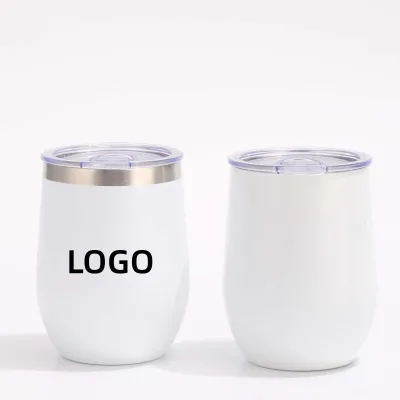
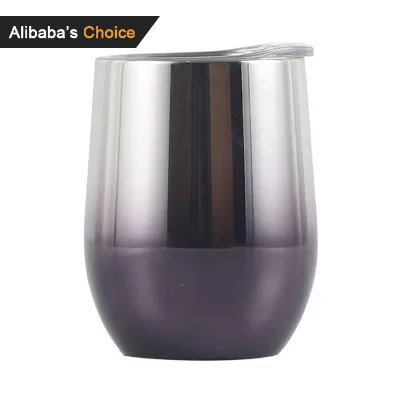

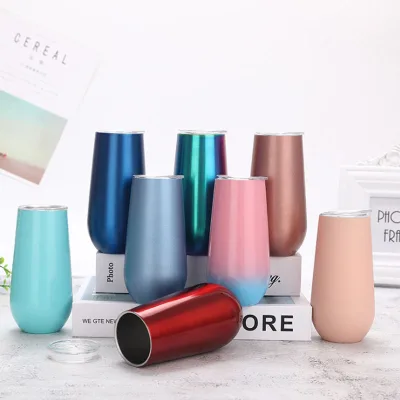
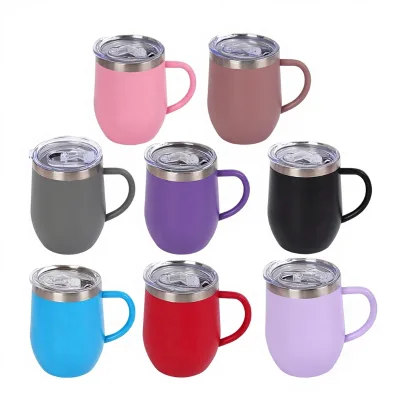


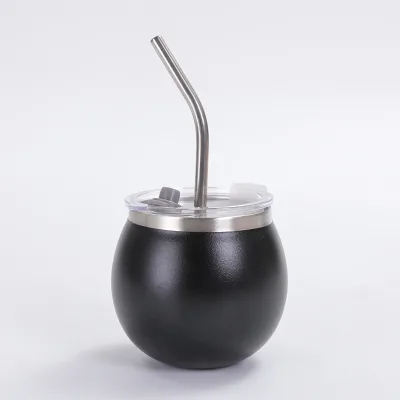
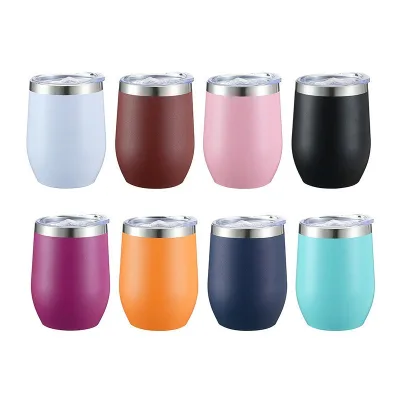
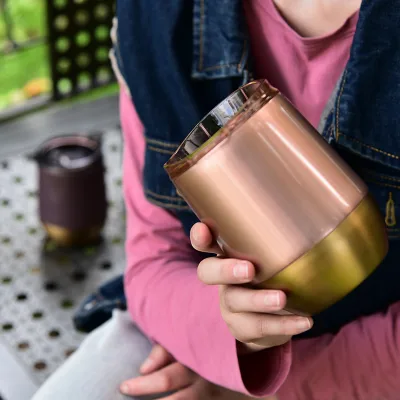
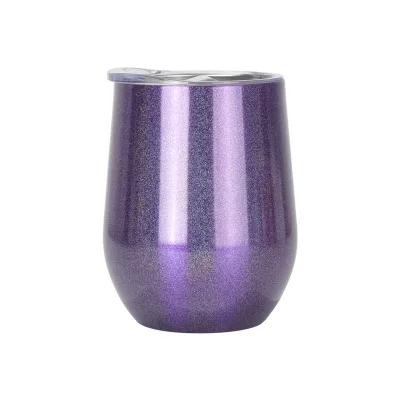
12oz Double-Layer Stainless Steel U-Shaped Egg Tumbler Vacuum Insulated Cup
$2.25 - $3.41
MOQ: 999 Pieces






Comprehensive Sourcing Guide
Insulated Modern Egg Cup Sourcing Guide
Procuring insulated modern egg cups requires a nuanced understanding of the intersection between traditional tableware and contemporary thermal technology. Buyers must recognize that this category often overlaps with vacuum flasks and thermoses, presenting unique challenges in material selection and functional design. The primary objective is to secure products that maintain temperature stability while adhering to aesthetic and ergonomic standards suitable for modern dining environments. This guide provides a structured approach to evaluating suppliers, verifying technical specifications, and ensuring commercial viability for bulk procurement.
The sourcing landscape for these items is diverse, with manufacturers often listing them under broader categories such as stainless steel drinkware or promotional gifts. Understanding this classification overlap is critical for effective supplier communication and accurate product comparison. Buyers should focus on suppliers who demonstrate expertise in both vacuum insulation technology and food-grade material processing. This dual competency ensures that the final product meets rigorous safety standards while delivering the expected performance in thermal retention and durability.
Product Scope and Observed Listing Signals
Market listings for insulated egg cups frequently reveal a wide range of material compositions and design variations. Observed data indicates that many products utilize 304 stainless steel for their inner linings, a standard choice for food contact applications due to its corrosion resistance and safety profile. Some suppliers explicitly mention the use of eco-friendly materials, which aligns with growing consumer demand for sustainable packaging and product options. Buyers should carefully review material declarations to ensure compliance with specific regional food safety regulations and corporate sustainability goals.
Listing signals also highlight significant variability in capacity and physical dimensions. While some products are marketed with capacities exceeding 3000ml, others are specifically sized for individual servings, such as 12oz models. This discrepancy suggests that the term "egg cup" may be used loosely in some catalogs to describe various types of insulated containers. Procurement teams must verify the actual internal volume and shape of the product to ensure it meets the intended use case, whether for promotional giveaways, office use, or specialized dining applications.
Technical Specifications to Verify
Thermal performance is a critical technical parameter that buyers must validate through supplier documentation or independent testing. Observed specifications suggest insulation times ranging from 6 to 24 hours, depending on the product model and construction quality. It is essential to clarify whether these figures apply to hot or cold retention, as performance can vary significantly between the two. Buyers should request detailed thermal test reports that specify the testing conditions, including initial temperature, ambient environment, and measurement intervals, to accurately assess product performance.
Design features such as lid configurations and handle ergonomics also play a vital role in the product's functionality. Many listings indicate that products come with lids, which are crucial for maintaining temperature and preventing spills during transport. Additionally, some models feature handgrips or specific shapes designed for ease of handling. Buyers should evaluate these design elements in the context of their target user group, considering factors such as portability, stackability, and compatibility with existing tableware or packaging systems.
Compliance and Safety Documentation
Food contact safety is the paramount concern when sourcing insulated containers intended for culinary use. Buyers must ensure that all materials, particularly the inner lining, comply with relevant international standards for food-grade stainless steel. While specific certification statuses may vary by supplier, the presence of 304 stainless steel is a common baseline requirement. Procurement teams should request material safety data sheets and certificates of analysis to verify that the steel meets the necessary chemical composition standards for food contact applications.
Packaging and labeling compliance is another critical area that requires attention. Products are often sold in gift boxes or single-item packaging, which must adhere to local recycling and waste management regulations. Buyers should verify that the packaging materials are sustainable and clearly labeled with necessary product information, including capacity, material composition, and care instructions. Ensuring compliance with these requirements helps mitigate regulatory risks and supports the brand's commitment to environmental responsibility.
Cost Drivers and Commercial Terms
Pricing for insulated egg cups is influenced by several key factors, including material quality, insulation complexity, and customization options. Observed price ranges vary significantly, reflecting differences in production costs and supplier positioning. Buyers should analyze the cost structure to understand the value proposition of each supplier, considering factors such as minimum order quantities and lead times. High minimum order quantities may offer better unit prices but require careful inventory management to avoid excess stock.
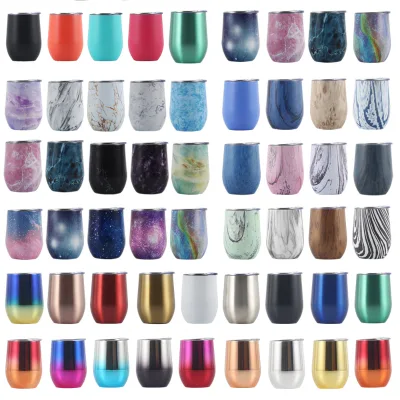
Customization services, such as logo printing and color options, add value but also impact the overall cost. Suppliers often offer UV printing or silk screen printing for branding purposes, which can enhance the product's appeal for promotional use. Buyers should negotiate clear terms regarding customization costs, including setup fees and per-unit pricing, to ensure transparency in the final invoice. Additionally, payment terms and shipping arrangements should be clearly defined to avoid unexpected expenses and ensure smooth transaction processing.
Supplier Qualification and Quality Control
Supplier qualification is a critical step in mitigating procurement risks and ensuring consistent product quality. Buyers should conduct thorough due diligence on potential suppliers, verifying their manufacturing capabilities, quality management systems, and track record in the industry. Suppliers located in regions known for stainless steel production, such as Zhejiang and Guangdong in China, may offer competitive advantages in terms of supply chain efficiency and cost. However, buyers must also assess the supplier's ability to maintain consistent quality across large production runs.
Quality control measures should be integrated into the procurement process from the outset. Buyers should establish clear quality standards and inspection criteria, including visual checks, dimensional measurements, and functional tests. Regular audits and third-party inspections can help ensure that suppliers adhere to these standards throughout the production process. Additionally, buyers should implement a robust sampling and testing protocol for incoming goods to verify that the delivered products meet the agreed-upon specifications and performance requirements.
Long-Term Procurement Checks
Sustaining a successful procurement relationship requires ongoing monitoring and evaluation of supplier performance. Buyers should establish key performance indicators to track metrics such as on-time delivery, product quality, and responsiveness to issues. Regular communication with suppliers can help identify potential problems early and facilitate collaborative solutions. By maintaining a proactive approach to supplier management, buyers can ensure a steady supply of high-quality insulated egg cups that meet their evolving business needs.
Market trends and consumer preferences are constantly evolving, requiring buyers to stay informed about new developments in the industry. This includes changes in material technologies, design innovations, and regulatory requirements. Buyers should regularly review their sourcing strategies to ensure they remain aligned with market dynamics and corporate objectives. By staying agile and responsive to change, buyers can continue to secure competitive advantages and deliver value to their customers through superior product offerings.
FAQs
What material is used for the insulated egg cup?
The insulated egg cup is constructed from 304 stainless steel, ensuring durability and safety for food contact. This material provides robust thermal insulation performance, maintaining temperature for 6 to 12 hours. The design is eco-friendly and suitable for promotional business services, offering a reliable solution for daily use or corporate gifting purposes.
Can I customize the logo on the egg cup?
Yes, customized logos are accepted for this product. You can choose between UV printing or silk screen printing methods to apply your branding. This customization option makes the egg cup ideal for industrial use in promotions, allowing businesses to enhance brand visibility while providing a practical and portable drinking accessory for clients or employees.
What is the minimum order quantity for this product?
The minimum order quantity is 100 pieces. This MOQ allows businesses to procure sufficient stock for promotional campaigns or office use without excessive inventory commitment. The product is sold as a single item per unit, packaged in a gift box, making it ready for direct distribution or retail display upon completion of the order.
Where is this insulated egg cup manufactured?
This product originates from Zhejiang, China, and Guangdong, China. These locations are known for their manufacturing capabilities in stainless steel goods. The production ensures quality control for vacuum flask technology, supporting the thermal insulation features required for maintaining beverage temperatures effectively during outdoor, indoor, or in-car usage scenarios for unisex audiences.
What capacity options are available for the egg cup?
The standard capacity is 12 oz, suitable for individual servings. Some variants may offer capacities exceeding 3000ml for larger vessels, though the primary egg cup model focuses on the 12oz specification. This size balances portability with sufficient volume for hot or cold drinks, fitting comfortably in car holders or office desks for convenient access.
Does the egg cup come with a lid?
Yes, the product includes a lid with the purchase. This accessory ensures spill prevention and maintains thermal efficiency by sealing the contents. The round shape with a handgrip design enhances usability, making it easy to hold and carry. The inclusion of the lid supports its application in offices, cars, and outdoor settings where convenience is key.