Source Polarized Metal Visor Sunglasses for Sports, Driving, and Outdoor Use
Find 30 listings for Polarized Metal Visor Sunglasses designed for sports, driving, and outdoor activities. Buyers can compare frame materials, lens options, and customization features to select the right eyewear for their needs.
Key considerations
Products List


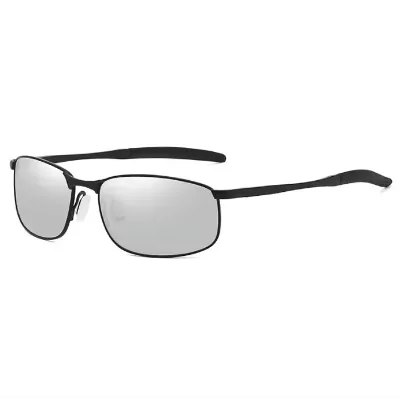
Round Frame Polarized Multi Color Lens Unisex Sunglasses Metal Sun Glasses
$6.00 - $7.00
MOQ: 20 Pieces


Comprehensive Sourcing Guide
Strategic Sourcing Guide for Polarized Metal Visor Sunglasses
The global market for Polarized Metal Visor Sunglasses presents a complex landscape for B2B procurement professionals. These eyewear products, characterized by their distinctive visor-style frames and metal construction, serve a dual purpose of high-performance eye protection and fashion-forward aesthetics. Sourcing these items requires a rigorous understanding of material properties, optical standards, and supply chain dynamics. This guide synthesizes available product attributes and industry knowledge to provide a structured approach for buyers evaluating potential suppliers and specifications.
Technical Specifications and Material Composition
When evaluating Polarized Metal Visor Sunglasses, the primary technical differentiator lies in the frame material and lens composition. The supplied data indicates a prevalence of stainless steel in frame construction, offering durability and a sleek profile suitable for various face shapes, including oval and long faces. The metal frame is often paired with acetate components in specific models to enhance comfort and flexibility. Buyers must verify that the metal used is corrosion-resistant, particularly for products intended for outdoor sports or marine environments.
The lens technology is equally critical. While the core keyword specifies "polarized," the observed product attributes reveal a diverse range of lens materials, including TAC (Triacetate Cellulose), Nylon, and Glass. TAC lenses are lightweight and cost-effective, often found in sports-oriented models. Nylon lenses offer superior impact resistance and optical clarity, making them suitable for high-activity scenarios. Glass lenses provide the highest optical quality but are heavier and more fragile. The optical attributes observed include UV protection, gradient tints, and specific color options such as blue, smoke, and multi-color gradients.
A key specification to verify is the polarization efficiency. While the supplied text lists "UVStyle:Sports Sunglasses" and "UVStyle:Fashion Sunglasses," it does not explicitly quantify the polarization percentage. Buyers should request specific test reports confirming the degree of polarization, typically aiming for 99% or higher to effectively reduce glare. The frame models observed, such as 2311P, 6089, S15224, and FCSM8086, suggest a wide variety of designs ranging from full-frame to slim profiles. The physical dimensions, such as the standard 1886cm or 20128cm packaging sizes, indicate that the visor style often requires specific packaging to prevent damage during transit.
Compliance and Certification Verification
Navigating the regulatory landscape is essential for importing eyewear into major markets. The observed product data lists "CE" and "FDA" certifications as available attributes. These are critical markers for market access. The CE mark indicates conformity with health, safety, and environmental protection standards for products sold within the European Economic Area. The FDA reference suggests compliance with U.S. Food and Drug Administration regulations regarding optical devices, although specific classification (e.g., Class I medical device vs. general consumer product) must be confirmed with the supplier.
Buyers should not assume that all listed products automatically possess these certifications. The data notes "CE Standard" as a market attribute for specific models, implying that certification status may vary by SKU. It is imperative to request valid certification documents directly from the manufacturer rather than relying on marketing claims. Additionally, while "REACH" and "ISO 9001" are mentioned in the background context, they should be treated as potential rather than guaranteed attributes. A robust compliance strategy involves verifying that the supplier's quality management system is ISO 9001 certified and that the materials used comply with REACH regulations regarding hazardous substances.
Cost Drivers and Pricing Dynamics
The pricing for Polarized Metal Visor Sunglasses is influenced by several factors, including material selection, customization complexity, and order volume. The observed price range in the market data spans from $0.54 to $12.00 USD. This wide variance reflects differences in lens technology (TAC vs. Glass), frame finish (stainless steel vs. acetate blends), and the level of customization required. Lower-priced units typically utilize standard TAC lenses and basic metal frames with minimal branding. Higher-priced units often feature glass lenses, premium metal alloys, and complex gradient or polarized treatments.
Minimum Order Quantity (MOQ) is another significant cost driver. The observed MOQ range is extensive, from 2 units to 1200 units. Some suppliers offer low MOQs of 400 pieces for custom branding, while others may require higher volumes for standard stock items. The data indicates that "Custom Logo/Custom Packaging" is available, which typically incurs additional setup costs and may raise the per-unit price. Buyers should calculate the total landed cost, including shipping and duties, as the low unit price of $0.54 may not be competitive once logistics are factored in for small orders.
Typical Applications and Market Segmentation
Polarized Metal Visor Sunglasses are versatile products with applications spanning sports, fashion, and occupational safety. The "Suitable for: Unisex" and "Suitable for: Oval Face, Unisex" attributes highlight their broad demographic appeal. The "Usage: Eye Protection Decoration" classification underscores their dual function. In the sports sector, these sunglasses are ideal for cycling, running, and fishing, where the visor design provides enhanced peripheral vision and the polarization reduces glare from water or roads. The "UVStyle:Sports Sunglasses" designation confirms their suitability for high-intensity activities.
In the fashion sector, the "Style: Slim" and "Style: Fashion Sunglasses" attributes indicate that these products are designed to complement modern trends. The availability of colors like red, blue, pink, and orange allows for brand differentiation and targeted marketing. The "Market: Global" attribute suggests that these products are designed to meet diverse aesthetic and functional requirements across different regions. Additionally, the "Type: Single-focal Lens" and "Type: Visor Sunglasses" specifications make them suitable for general use, including driving and outdoor leisure, where clear vision and sun protection are paramount.
Supplier Evaluation and Sourcing Strategy
Evaluating suppliers for Polarized Metal Visor Sunglasses requires a multi-faceted approach. The data indicates that the origin of these products is primarily "Zhe Jiang" and "Wenzhou, China," regions known for their robust eyewear manufacturing ecosystems. Buyers should verify the supplier's capacity for OEM and ODM services, as the data confirms "OEM/ODM: Acceptable" and "Customization: Available." This flexibility is crucial for brands looking to create unique products.
When assessing suppliers, buyers should prioritize those who can provide detailed product specifications, including the exact frame material (e.g., Stainless) and lens material (e.g., Nylon, Glass). The "prod_packing" details, such as "1PC/OPP Bag" or "12PCS / Inner Box," offer insights into the supplier's packaging capabilities and attention to detail. A supplier with a standardized packing process is less likely to have quality control issues during transit. Furthermore, the availability of "Custom Logo/Custom Packaging" suggests that the supplier has the infrastructure for branding, which is a key differentiator in the B2B market.
Quality Control and Inspection Protocols
Implementing a rigorous quality control (QC) protocol is essential to ensure that the received goods meet the required standards. Given the variation in lens materials and frame constructions, inspection should focus on optical clarity, polarization effectiveness, and frame durability. Buyers should verify that the lenses are free from scratches, bubbles, or distortions. The "Lenses Optical Attribute: Gradient" and "Lenses Color: Smoke" require specific visual inspections to ensure the gradient transition is smooth and the color is consistent across the batch.
For metal frames, inspection should include checks for structural integrity, hinge functionality, and finish quality. The "Frame Material: Stainless" implies a need to check for rust or discoloration, especially if the product is intended for humid or coastal environments. The "Standard: 1886cm" and similar dimensions should be verified to ensure the packaging meets the agreed-upon specifications. Random sampling based on AQL (Acceptable Quality Limit) standards is recommended to identify defects before shipment. Buyers should also request pre-shipment inspection reports that cover the specific attributes listed in the product data, such as the "prod_model" and "prod_standard."
Long-Term Procurement Considerations
Sourcing Polarized Metal Visor Sunglasses is not a one-time transaction but a strategic partnership that requires long-term planning. The "Market: Global" attribute suggests that demand may fluctuate based on seasonal trends and regional preferences. Buyers should establish a relationship with suppliers who can adapt to changing market demands, such as introducing new colors or updating designs to align with fashion trends. The "Colors: Any Colors Available" attribute indicates a high degree of flexibility, which is beneficial for maintaining a competitive edge.
Supply chain resilience is another critical consideration. The "prod_origin: China" and specific locations like "Wenzhou" highlight the concentration of manufacturing in this region. Buyers should diversify their supplier base to mitigate risks associated with geopolitical tensions, logistics disruptions, or raw material shortages. The "MOQ: 400PCS" for custom orders suggests that buyers need to plan their inventory carefully to avoid overstocking or stockouts. Additionally, the "Standard: CE Standard" and other certifications should be reviewed periodically to ensure ongoing compliance with evolving regulations.
In conclusion, sourcing Polarized Metal Visor Sunglasses involves a careful balance of technical specifications, compliance requirements, and strategic supplier management. By leveraging the observed product attributes and adhering to rigorous quality control measures, buyers can secure high-quality products that meet the diverse needs of the global market. The wide range of models, from the sport-oriented 2311P to the fashion-forward FCSM8086, offers ample opportunities for differentiation and growth. Success in this sector depends on a disciplined approach to verification, a clear understanding of cost drivers, and a commitment to long-term supplier relationships.
FAQs
What certifications are available for these sunglasses?
CE and FDA certifications are available for these products. Buyers should verify specific model compliance as some items list CE Standard while others may not, requiring direct document requests from the manufacturer.
Which lens materials are used in these visor sunglasses?
The lenses are made from TAC, Nylon, or Glass materials. TAC offers lightweight cost-effectiveness for sports, Nylon provides impact resistance, and Glass ensures high optical clarity but is heavier and more fragile.
Can I get custom logos and packaging for these items?
Yes, custom logo and custom packaging options are available for these sunglasses. This customization typically incurs additional setup costs and may require a minimum order quantity of 400 pieces for branding services.
What is the price range for Polarized Metal Visor Sunglasses?
The observed price range spans from 0.54 to 12 USD per unit. This variance depends on lens technology like glass versus TAC, frame materials, and the complexity of customization required for the order.
Where are these sunglasses manufactured?
These products originate from Zhe Jiang and Wenzhou in China. These regions are known for robust eyewear manufacturing ecosystems capable of handling OEM and ODM services for global markets.
What is the minimum order quantity for custom orders?
The minimum order quantity can range from 2 to 1200 units depending on the supplier and model. Custom branding typically requires a minimum of 400 pieces, while stock items may have lower thresholds.