Source Internet TV Radio Player for Home, Office, and Travel
Source the Internet TV Radio Player from 30 verified listings. Compare specifications such as 4K support, H.265 decoding, and connectivity options like Wi-Fi and Ethernet to find the right device for home entertainment, office use, or portable applications; compare the available evidence and request quotations based on your requirements.
Updated
Key considerations
Products List
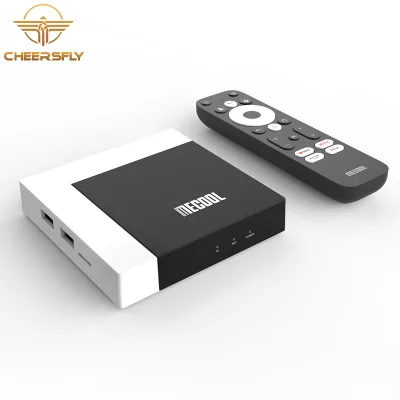
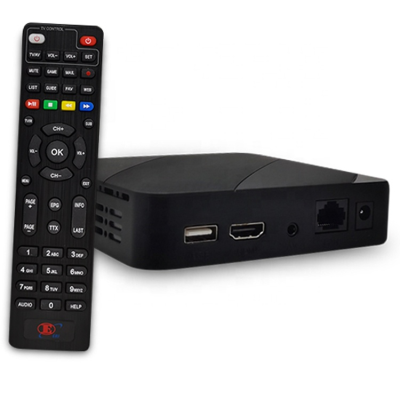
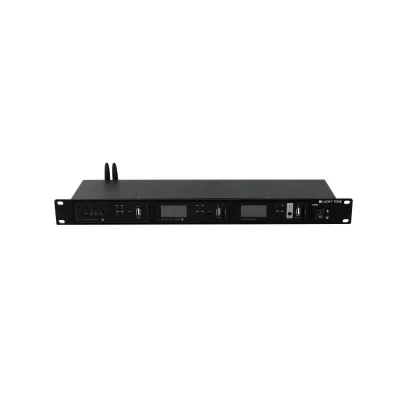
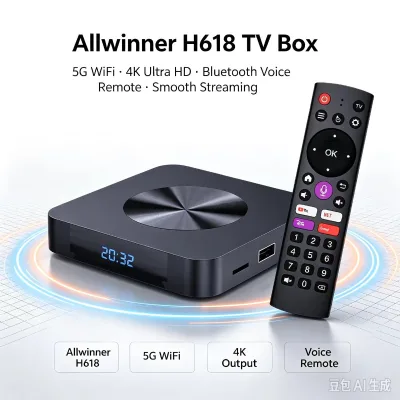
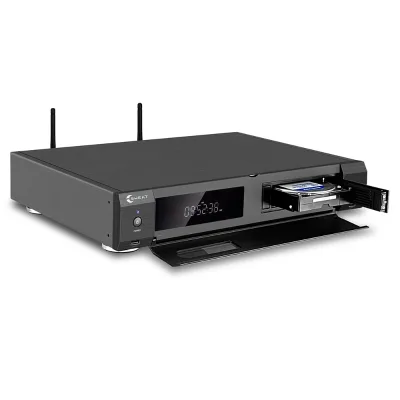
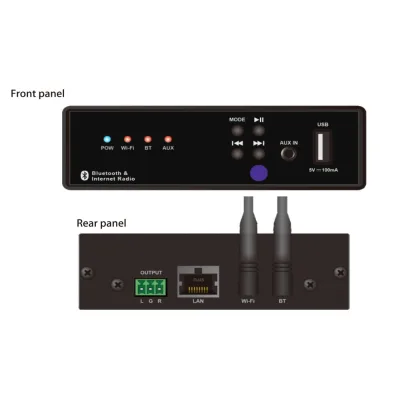
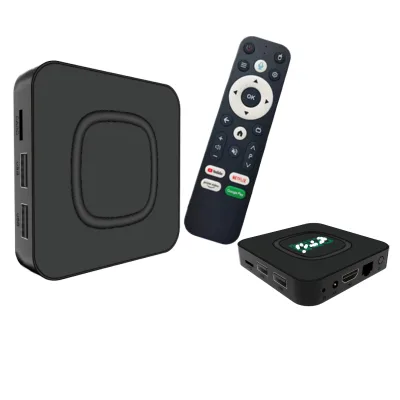
1080P Resolution Support Linux H 265 Internet Protocol TV Network Media Player
$12.9547 - $17.2734
MOQ: 1 pieces
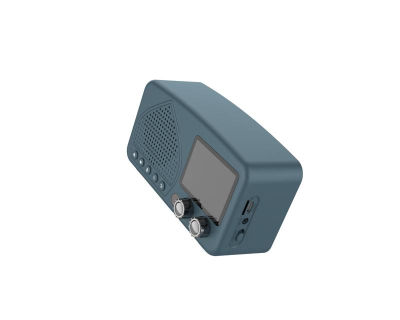
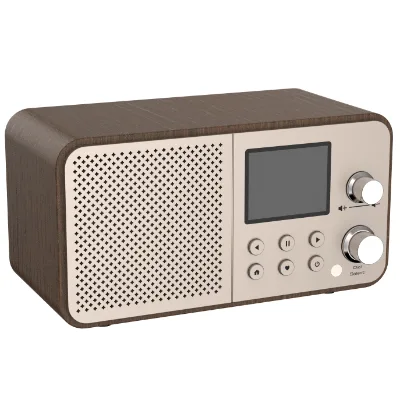
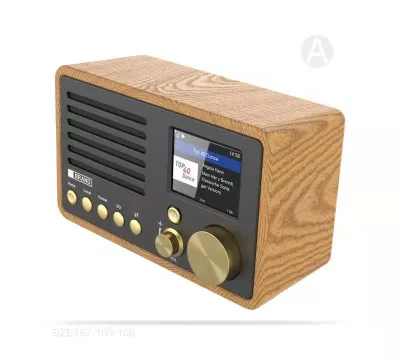


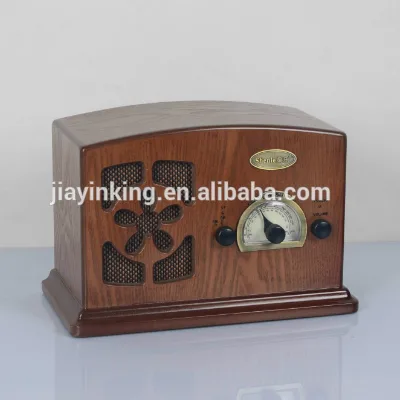




Comprehensive Sourcing Guide
Internet TV Radio Player Sourcing Guide
The market for internet TV radio players presents a diverse range of devices, from dedicated media boxes to integrated home radios, often originating from manufacturing hubs in Guangdong, China. Buyers must distinguish between high-performance streaming units capable of 4K resolution and simpler devices designed primarily for audio streaming or basic internet radio functions. The observed product landscape includes models with varying processor capabilities, such as the GX6702H1, and differing memory configurations ranging from 128MB RAM to 4GB RAM, which directly impacts the device's ability to handle complex video decoding or multitasking.
Procurement decisions should begin by clarifying the specific application environment, whether it is a commercial hospitality setting requiring robust 4K support or a residential space needing a compact radio with built-in speakers. The supply chain offers significant flexibility through OEM and ODM capabilities, allowing buyers to customize branding and software interfaces to match their specific brand identity. However, the wide variance in single package sizes and gross weights suggests that logistics planning must be tailored to the specific model selected, as some units are compact while others require larger carton dimensions for shipping.
Product Scope and Observed Listing Signals
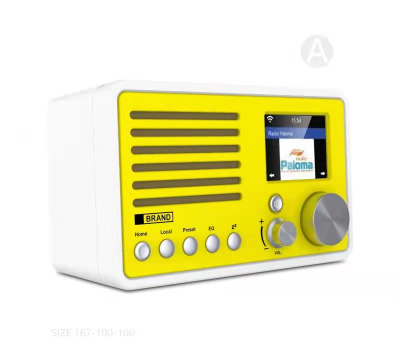
Buyers should carefully analyze the listed product attributes to ensure the device matches the intended use case, as the market includes both high-end media players and basic internet radios. Some listings highlight advanced video decoding capabilities supporting H.265/HEVC and 4K resolution, while others focus on audio features like AM/FM tuning and built-in speakers for home radio applications. This distinction is critical because a device optimized for high-definition video streaming may lack the necessary audio output or battery features required for a portable radio solution, leading to potential mismatches in performance expectations.
The observed listing signals also reveal significant variation in connectivity options, with some units featuring RJ45 LAN ports and 802.11n Wi-Fi, while others rely on different power supplies or lack wired connectivity entirely. Buyers must verify the specific interface requirements, such as HDMI 1.4 support for video output or USB 2.0 host ports for peripheral expansion, as these features are not universally present across all product categories. Additionally, the presence of private mold options indicates that custom hardware designs are available, but this requires a deeper engagement with the supplier to define the exact physical and functional specifications before production begins.
Technical Specifications to Verify
Technical verification must prioritize the processor architecture and memory capacity, as these components dictate the overall system responsiveness and media handling capabilities. For video-centric applications, the presence of a GX6702H1 processor and 4GB RAM is a strong indicator of performance suitable for 4K streaming, whereas devices with 128MB RAM and 16MB ROM are likely limited to basic audio functions or low-resolution video playback. Buyers should explicitly request detailed specifications for the video decoder to confirm support for codecs like H.264, MPEG-4, and VC1, ensuring compatibility with the content libraries they intend to access.
Connectivity and power specifications require equal scrutiny to prevent integration issues in the final deployment environment. The Ethernet port speed, typically listed as 10/100MBps, must be sufficient for the intended bandwidth, and the Wi-Fi standard should be confirmed as 802.11n 2.4GHz or higher depending on network infrastructure. Power supply requirements vary significantly, with some units needing a 12V 1A adapter while others utilize rechargeable battery packs, necessitating a clear assessment of the power availability at the installation site to ensure reliable operation without unexpected downtime.
Compliance and Safety Documentation
Safety compliance is a fundamental requirement for any electronic device entering the market, particularly those involving power adapters and battery packs. Buyers must verify that the power supply units meet the safety standards of the destination country, especially regarding plug types which are observed to include both EU and US configurations. The absence of specific certification data in the provided facts means that suppliers must be asked to provide valid test reports for electrical safety, electromagnetic compatibility, and battery safety to ensure the product does not pose a fire or shock hazard to end-users.
Documentation regarding the operating system and software licensing is equally critical for long-term viability and legal compliance. Since the observed products run on Linux, buyers should confirm that the software stack includes necessary drivers and that the licensing terms allow for the intended commercial or residential use without infringement risks. Additionally, the warranty terms, which are observed to be one year for some models, should be clearly defined in the contract to cover potential hardware failures, ensuring that the buyer has recourse for defective units without incurring unexpected replacement costs.
Cost Drivers and Commercial Terms
Cost structures for internet TV radio players are heavily influenced by the level of customization and the complexity of the internal components. Devices featuring private molds, OEM branding, and higher memory capacities like 4GB RAM will naturally command a higher price point compared to standard models with basic specifications. The supply ability, ranging from 2000 pieces per week to 5000 pieces per day, also impacts pricing, as higher volume commitments often secure better unit costs but require larger minimum order quantities that may strain the buyer's initial capital.
Commercial terms must be negotiated with attention to the packaging details and shipping logistics, as these factors add hidden costs to the final landed price. The observed packaging varies from single items to large cartons with dimensions like 565400192mm, which affects freight charges and storage requirements. Buyers should clarify the port of dispatch, typically Shenzhen, and ensure that the Incoterms clearly define who bears the risk and cost during transit, as the distance from the manufacturing hub to the final destination can significantly influence the total cost of ownership.
Supplier Qualification and Quality Control
Supplier qualification should focus on the manufacturer's ability to deliver consistent quality across their production lines, particularly given the observed variation in product attributes. Buyers must assess the supplier's experience with OEM and ODM projects to ensure they can handle custom branding and specific technical requirements without compromising the integrity of the device. The presence of features like private molds suggests a level of manufacturing sophistication, but this must be validated through factory audits to confirm that the production processes meet the required quality standards.
Quality control protocols must be established to verify that every unit meets the specified technical parameters before shipment. This includes testing the video decoder performance, checking the stability of the Wi-Fi connection, and verifying the durability of the power supply and battery components. Buyers should request sample units for rigorous testing to identify any potential defects in the hardware or software, ensuring that the final batch matches the performance of the pre-production samples and meets the expectations set during the initial specification phase.
Long-Term Procurement Checks
Long-term procurement success depends on establishing a reliable supply chain that can adapt to changing market demands and technological advancements. Buyers should maintain open communication channels with suppliers to monitor updates in processor technology and software support, ensuring that the devices remain compatible with evolving streaming protocols and content formats. The ability of the supplier to scale production, as indicated by their supply ability figures, is crucial for meeting future demand spikes without causing delays in product availability.
Continuous monitoring of product performance and customer feedback is essential for identifying any recurring issues that may require design modifications or firmware updates. Buyers should implement a system for tracking warranty claims and return rates to assess the long-term reliability of the devices in the field. By maintaining a proactive approach to supplier management and quality assurance, buyers can mitigate risks associated with product obsolescence and ensure a steady supply of high-quality internet TV radio players for their customers.
FAQs
What are the key specifications for the MECOOL KM7 PLUS media player?
The MECOOL KM7 PLUS features a GX6702H1 processor, 4 GB RAM, and supports 4K resolution with H.265/HEVC decoding. It includes an RJ45 LAN port and 802.11n Wi-Fi. The device runs Linux and offers OEM/ODM customization options. It is packaged in cartons measuring 565x400x192mm with a single gross weight of 0.5 kg, ensuring efficient logistics for bulk orders.
Can I customize the internet radio player with a private mold?
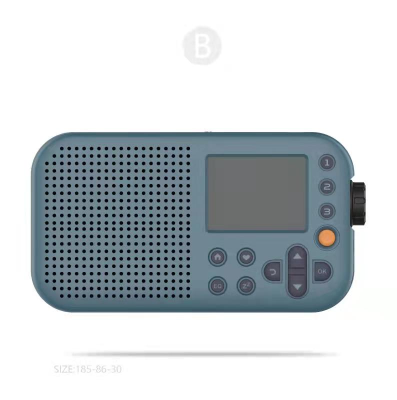
Yes, the internet radio player supports private mold customization. It features a rechargeable battery pack, built-in speaker, and flashlight functions. The device supports AM/FM types and multilateral languages. It is available in black or golden colors with EU or US plugs. The supply ability is 5000 pieces per day, allowing for scalable production tailored to specific branding requirements.
What is the warranty period for the MECOOL media player?
The MECOOL media player comes with a 1-year warranty. It is manufactured in Guangdong, China, and dispatched from Yantian or Shekou ports in Shenzhen. The device supports 1920x1080 resolution and includes HDMI 1.4 connectivity. With a supply ability of 2000 pieces per week, buyers can rely on consistent quality and timely delivery for their sourcing needs.
How does the RAM and ROM configuration affect performance?
The MECOOL model has 4 GB RAM for smooth operation, while the internet radio variant has 128 MB RAM and 16 MB ROM. The media player uses a GX6702H1 processor for efficient video decoding. The radio uses a rechargeable battery pack for portability. These configurations ensure optimal performance for their respective applications, whether streaming high-definition content or providing portable audio services.
What packaging details are provided for bulk orders?
The MECOOL media player is packed in cartons measuring 565x400x192mm, with a single gross weight of 0.5 kg. The internet radio player uses standard or OEM packaging. Both products are sourced from China with a supply ability of 2000 to 5000 pieces weekly. This standardized packaging ensures safe transport and efficient inventory management for international buyers sourcing these electronic devices.