Source Italian Handmade Console Table for Living Room, Hotel, Home Office
Compare 30 listings of Italian Handmade Console Table from verified suppliers. Buyers can evaluate modern and traditional designs, customized sizes, and pricing for use in living rooms, hotels, and home offices.
Key considerations
Products List
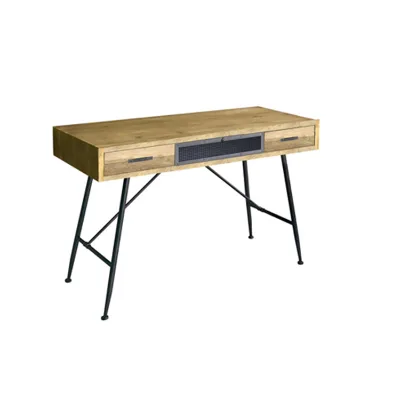
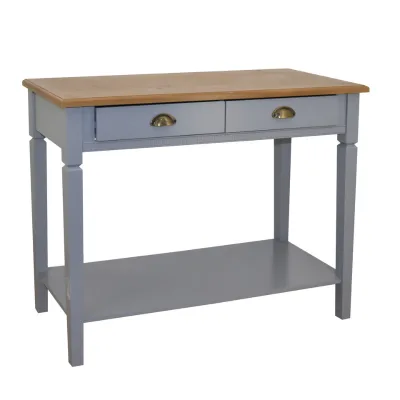

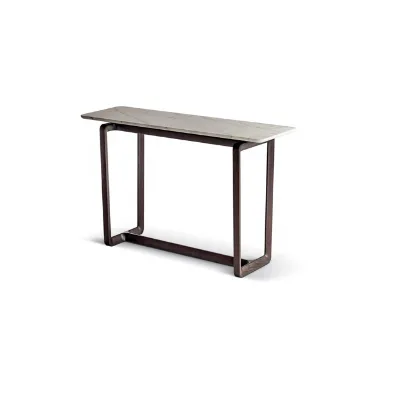
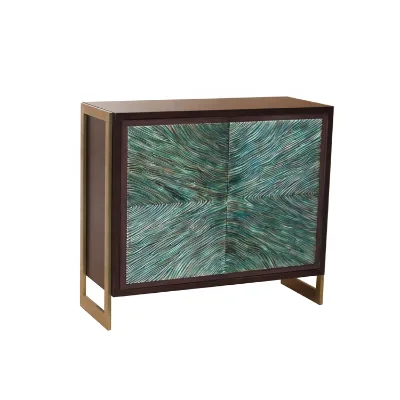
Foshan Unique Console Tables Stainless Steel Wooden Artist Painting Console Table
$250.00 - $450.00
MOQ: 1 sets
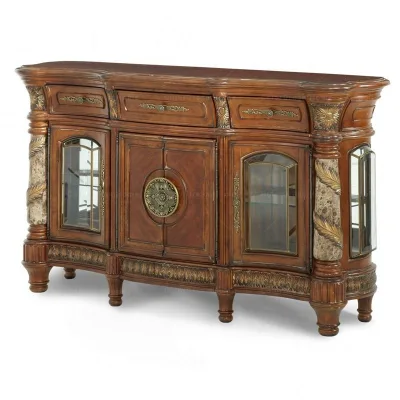
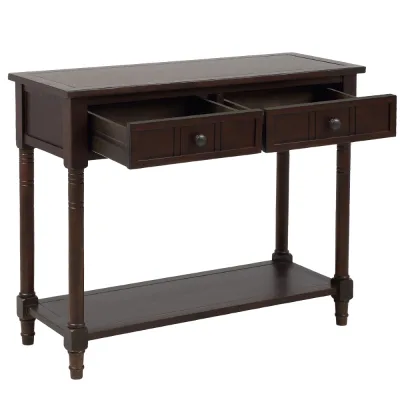

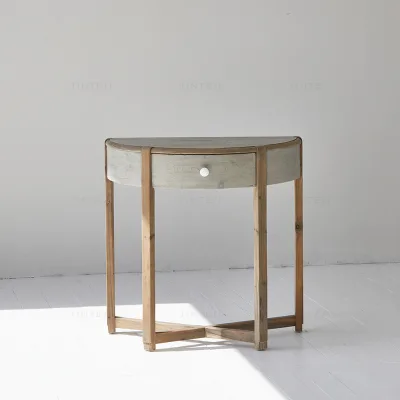
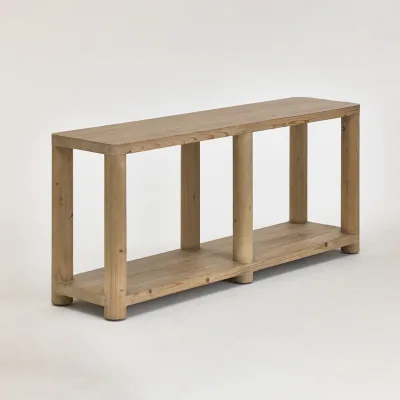
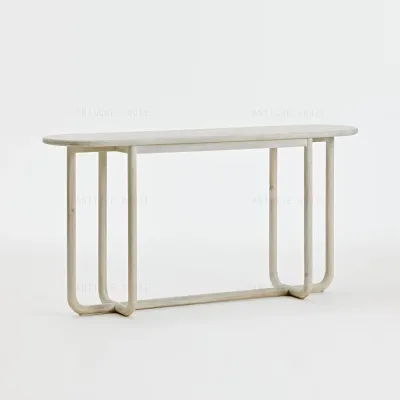
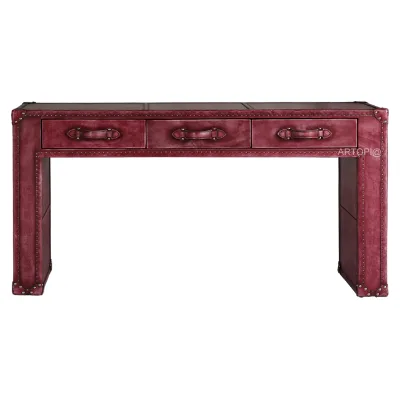
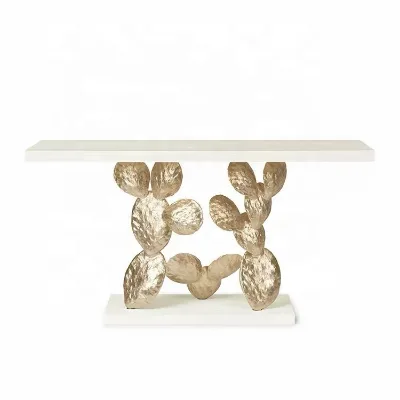
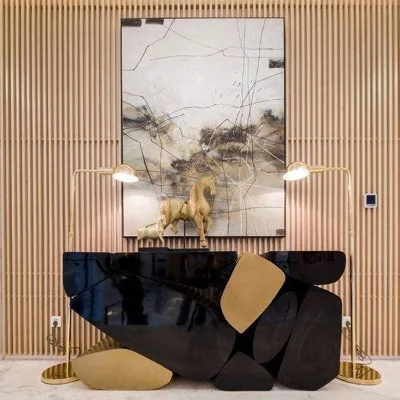


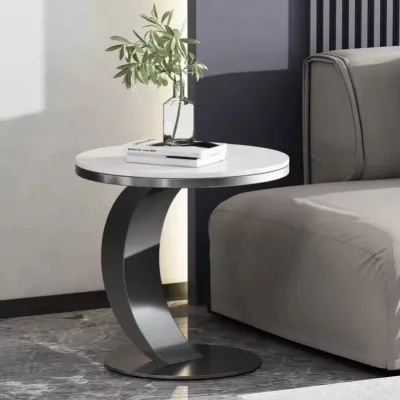

Italian Artisan-Crafted Luxury Console Tables with Timeless Furniture Aesthetics
$969.00 - $999.00
MOQ: 3 Pieces

Luxury Italian Side Tables Hand-Forged Steel Bases & Wooden Accents, Premium China-Made
$659.00 - $689.00
MOQ: 3 Pieces


High-End Luxury Living Room Console Table in Marble & Wood with Storage
$799.00 - $839.00
MOQ: 3 Pieces


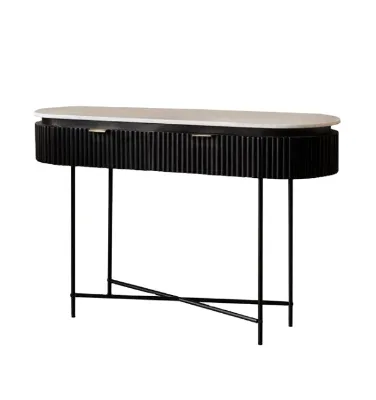


Comprehensive Sourcing Guide
Strategic Sourcing Guide for Italian Handmade Console Tables
Understanding Product Definitions and Market Reality
When sourcing an "Italian Handmade Console Table," buyers must first reconcile the marketing terminology with the actual supply chain data available in the global market. The core keyword implies a specific aesthetic and origin story, often associated with high-end craftsmanship, traditional techniques, and design heritage. However, procurement data indicates that the term "Italian" in product listings frequently refers to the design style rather than the manufacturing location. Many products labeled with "Italian design" or "Italian minimalist modern design" originate from manufacturing hubs in China, specifically Guangdong, while others may be listed simply as "Chinese" origin with a "Modern" or "Morden" style classification.
The distinction is critical for budgeting and quality expectations. A product described as a "wooden console table with mirror" or a "marble top console table" may carry a "Modern" or "Antique" appearance, but the "place of origin" field often points to China. Buyers should verify whether the "handmade" claim refers to artisanal finishing, assembly, or the entire production process. The observed product attributes show a wide variance in materials, ranging from solid "Wood" and "mdf+wood+painting" to combinations involving marble tops. The "Style" is frequently listed as "Morden" (Modern) or "Traditional," suggesting that the "Italian" descriptor is primarily a stylistic tag for a design that mimics the sleek lines of Italian furniture rather than a guarantee of Italian manufacturing.
Technical Specifications and Material Verification
Technical due diligence is the cornerstone of sourcing high-value furniture. When evaluating console tables, the primary specification to verify is the material composition. The market data reveals a spectrum of materials, including "Wood," "mdf+wood+painting," and combinations with marble. For a product claiming to be "handmade," the use of engineered wood like MDF (Medium Density Fiberboard) mixed with solid wood requires careful scrutiny. While MDF is stable and cost-effective, it does not carry the same structural integrity or prestige as solid timber, which is often expected in "handmade" Italian-style pieces.
Size specifications are another critical technical factor. Listings show "Customized Size" as a common attribute, allowing for flexibility in fitting specific interior spaces. However, standard dimensions are also prevalent, such as 904087cm or 135x45*75cm. Buyers must confirm if the "Customized Size" option applies to the specific supplier they are engaging, as this often impacts lead times and unit costs. The "Single package size" and "Volume" (ranging from 0.4 cbm to 0.55 cbm) are essential for logistics planning. These volumetric data points directly influence freight costs, which can be a significant portion of the landed cost for heavy items like marble-top consoles.
Furthermore, the "Color" attribute varies from "Customized Color" to specific numeric codes like "1" or "1,2." This indicates that while some suppliers offer bespoke finishes, others provide a limited palette. For a "handmade" product, the finish quality is paramount. Buyers should request physical samples to verify the "painting" process mentioned in material lists, ensuring that the finish is durable and free of defects like bubbling or uneven coverage, which are common issues in mass-produced painted furniture.
Compliance, Certification, and Safety Standards
In the B2B procurement of furniture, compliance is not merely a formality but a risk management strategy. While the provided product data does not explicitly list specific certification bodies (such as FSC for wood or specific fire safety ratings), buyers must proactively verify these standards. Furniture intended for "Living Room," "Hotel," "Home Office," or "Outdoor" use must meet the safety regulations of the destination market. For instance, if the product is destined for the European Union, compliance with REACH regulations regarding chemical substances in paints and finishes is mandatory. If the product is for the United States, CARB Phase 2 compliance for formaldehyde emissions in composite wood products is a standard requirement.
The "Warranty" attribute observed in the data, such as a "10 Years" warranty, is a strong indicator of supplier confidence but requires validation. A warranty is only as good as the supplier's ability to honor it. Buyers should ask for the specific terms and conditions of the warranty, including what constitutes a defect versus normal wear and tear. Additionally, the "Port of dispatch" (e.g., Shenzhen port) and "Delivery time" (e.g., 20 Days) are logistical compliance points. Buyers must ensure that the supplier can meet these timelines consistently, as delays can disrupt project schedules, particularly for "Hotel" or "Office Building" installations where furniture delivery is often tied to opening dates.
Cost Drivers and Pricing Structure Analysis
The pricing for console tables in the current market is highly variable, with observed ranges spanning from $25.22 to $2,568.23. This massive disparity is driven by several key factors: material quality, labor intensity, and brand positioning. The lower end of the spectrum likely corresponds to products made from "mdf+wood+painting" with standard finishes and automated manufacturing processes. In contrast, the higher price points are associated with solid wood construction, marble tops, and genuine "handmade" artisanal labor.
The "MOQ" (Minimum Order Quantity) is another significant cost driver. Data shows an MOQ range of 1 to 300 units. A supplier with an MOQ of 1 piece allows for small-batch testing or single-item procurement but often commands a higher unit price due to the lack of economies of scale. Conversely, suppliers requiring an MOQ of 300 units may offer lower per-unit costs but require a larger upfront capital investment. Buyers must calculate the "Supply Ability," which is listed as "10000 pieces per Month" for some suppliers, to ensure the vendor can scale production if the order volume increases.
Other cost factors include "Packing" details. The use of "PE Foam+Carton Packing" or "Standard Packing" adds to the cost but is necessary for protecting the furniture during transit. For heavy items like marble-top consoles, the "Single gross weight" (e.g., 45.0 kg) significantly impacts shipping costs. Buyers should factor in the "Volume" (0.4 to 0.55 cbm) and weight to calculate the total landed cost, which includes freight, insurance, and customs duties. Ignoring these logistical costs can lead to a final price that exceeds the initial product quote, especially for international shipments.
Supplier Evaluation and Verification Protocols
Evaluating a supplier for "Italian handmade console tables" requires a multi-layered approach to verify their capabilities and credibility. The first step is to scrutinize the "Place of Origin." If a supplier claims to be Italian but lists "China" or "Guangdong, China" as the origin, the buyer must understand that the "Italian" aspect refers to design, not manufacturing. This distinction is vital for managing expectations regarding craftsmanship and pricing.
Buyers should request a comprehensive portfolio of past projects, specifically looking for examples of "handmade" work. The "Product Name" variations, such as "Modern design italian console table" or "italian minimalist modern design marble top console table," suggest a focus on specific design niches. A supplier with a diverse portfolio that includes "Living Room," "Hotel," and "Outdoor" applications demonstrates versatility. However, buyers must verify if the supplier has the specific expertise to handle the "Customized Size" and "Customized Color" requirements without compromising quality.
The "Brand Name" is another verification point. While some listings show "SW" or "Fera D Home Casa," others may be unbranded. For a "handmade" product, the brand reputation is often tied to the consistency of the finish and the durability of the materials. Buyers should check for the "Warranty" terms and the "Delivery time" reliability. A supplier promising a "10 Years" warranty but with a history of delayed shipments (e.g., "20 Days" delivery time that is frequently missed) poses a significant risk. Additionally, the "Selling Units" (e.g., "Single item") can indicate whether the supplier is a manufacturer or a trading company, which affects the ability to negotiate custom specifications.
Quality Control and Inspection Procedures
Quality control (QC) is essential to ensure that the "handmade" promise translates into a tangible product. Given the variance in materials from "Wood" to "mdf+wood+painting," the QC process must be tailored to the specific product. For wooden items, inspectors should check for structural stability, joint integrity, and surface finish quality. The "Appearance" attribute, listed as "Modern" or "Antique," must be verified against the approved sample to ensure the aesthetic matches the buyer's vision.
For products with "Marble top" or "Painting" finishes, the QC process should include checks for cracks, chips, and color consistency. The "Color" attribute, which can be "Customized" or specific numbers, requires a color matching protocol to ensure the final product matches the approved swatch. The "Packing" method, such as "Carton" or "PE Foam+Carton Packing," must be inspected to ensure it is sufficient to protect the furniture during transit. A damaged product upon arrival can negate the value of a high-quality "handmade" item.
Buyers should implement a pre-shipment inspection (PSI) protocol. This involves sending a third-party inspector to the factory to check a random sample of the production batch against the agreed-upon specifications. The inspection should cover dimensions (e.g., 904087cm), weight (e.g., 45.0 kg), and functional tests. For "Adjustable (Height)" or "Adjustable (Other)" features, the mechanism must be tested for smooth operation and durability. The "Volume" and "Single package size" should also be verified to ensure they match the shipping documents, preventing unexpected freight charges.
Long-Term Procurement and Application Strategy
The long-term success of sourcing "Italian handmade console tables" depends on the buyer's ability to align the product with its intended application. The data shows a wide range of "Application" fields, including "Living Room," "Hotel," "Home Office," "Outdoor," "Kitchen," and "Villa." Each application has different durability and aesthetic requirements. For example, "Outdoor" use requires materials that can withstand weather conditions, while "Hotel" use demands high durability and ease of maintenance.
Buyers should consider the "General Use" and "Specific Use" attributes to ensure the product fits the intended environment. A "Console Table" designed for a "Living Room" may not be suitable for a "Mall" or "School" without modifications. The "Style" (Modern, Traditional, Antique) must also align with the interior design scheme of the target space. For "Villa" or "Home Bar" applications, the "Handmade" aspect and unique design features are often more critical than for "Office Building" or "School" settings where cost and durability are paramount.
Finally, buyers should plan for the "Lead Time" and "Supply Ability" to ensure a steady supply chain. The "20 Days" delivery time and "10000 pieces per Month" supply ability suggest that the supplier can handle large orders, but buyers must confirm these figures in writing. Long-term procurement also involves building a relationship with the supplier for future customizations. The ability to offer "Customized Size" and "Customized Color" is a significant advantage for buyers looking to create unique collections. By maintaining open communication and setting clear expectations, buyers can ensure that the "Italian Handmade Console Table" meets their quality standards and business goals over the long term.
Comparative Analysis of Product Attributes
To facilitate decision-making, the following table summarizes the key attributes observed in the market data for console tables, highlighting the variations that buyers must consider during the sourcing process.
| Attribute Category | Observed Variations | Procurement Implication |
|---|---|---|
| Material | Wood, MDF+Wood+Painting, Marble Top | Solid wood implies higher cost and durability; MDF is cost-effective but requires finish verification. |
| Origin | China, Guangdong, China | "Italian" often denotes design style, not manufacturing location; verify actual factory origin. |
| Size | Customized, 904087cm, 135x45*75cm | Custom sizes increase lead time and cost; standard sizes offer faster delivery. |
| Style | Modern, Morden, Traditional, Antique | Must align with target interior design; "Modern" is most common in current listings. |
| MOQ | 1 pcs to 300 units | Low MOQ allows testing but higher unit cost; high MOQ reduces unit cost but increases risk. |
| Warranty | 10 Years (observed) | Verify terms and conditions; a long warranty indicates supplier confidence but requires validation. |
| Packing | Carton, PE Foam+Carton, Standard | Heavy items (marble) require robust packing; check for damage prevention protocols. |
| Application | Living Room, Hotel, Outdoor, Villa | Ensure material and finish suitability for the specific environment (e.g., outdoor durability). |
This comparative view underscores the importance of detailed specification checks. Buyers cannot rely on a single attribute like "Italian" to define the product; they must evaluate the entire profile of material, origin, and application to make an informed procurement decision. By adhering to these rigorous standards, buyers can secure high-quality console tables that meet their specific needs while avoiding the pitfalls of mislabeled or substandard products.
FAQs
What is the typical price range for these tables?
The observed price range spans from 25.22 to 2568.23 USD. This variance depends on materials like MDF or solid wood, and whether the design includes marble tops or custom finishes.
Can I order a single item with a low MOQ?
Yes, some suppliers accept a minimum order quantity of just 1 piece. However, other vendors may require up to 300 units, so verify the specific supplier terms before purchasing.
Where are these tables typically manufactured?
Most listings indicate the place of origin is China, specifically Guangdong. Despite some names suggesting Italian design, the manufacturing location is often in Chinese industrial hubs rather than Italy.
What materials are commonly used in construction?
Common materials include solid wood, MDF mixed with wood and painting, and marble tops. The specific composition varies by model, affecting durability and the final aesthetic appearance.
How long does delivery usually take?
The standard delivery time is approximately 20 days from the supplier. This timeline may vary based on the specific factory location and the current supply ability of the vendor.
Are customized sizes and colors available?
Yes, many products offer customized sizes and colors to fit specific interior needs. Buyers should confirm if the specific supplier supports these customizations before placing a large order.
What warranty coverage is typically offered?
Some suppliers provide a warranty lasting up to 10 years for their products. Buyers must verify the specific terms and conditions to ensure the warranty covers manufacturing defects effectively.