Source Italian Gold Powder Venice Mask for Coating, Printing, and Painting
Find 30 listings for Italian Gold Powder Venice Mask products suitable for textile, paper, leather, ink, paint, and plastic applications. Buyers can compare specifications including particle size, color variants, and curing conditions from verified suppliers.
Key considerations
Products List


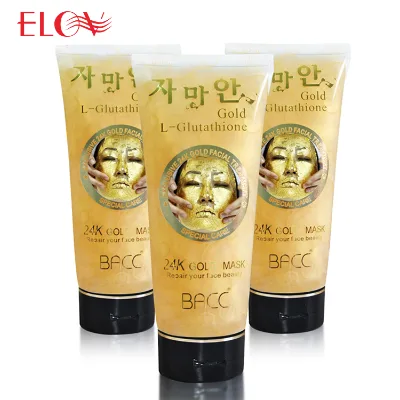
24K Gold Foil Mask Moisturizes Brightens Skin Tone Pores Peel-off Golden Mask
$0.89 - $1.57
MOQ: 1000 pieces

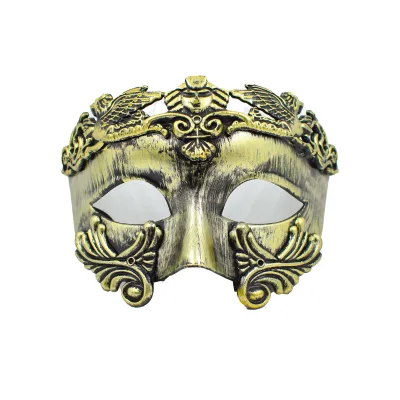
Hot Selling Creative Halloween Masquerade European American Party Venice Mask
$3.42 - $3.85
MOQ: 259 Pieces


Wholesale Crystal Collagen Gold Powder Eye Mask for Reduce Dark Circles
$1.78 - $2.12
MOQ: 3000 Pieces






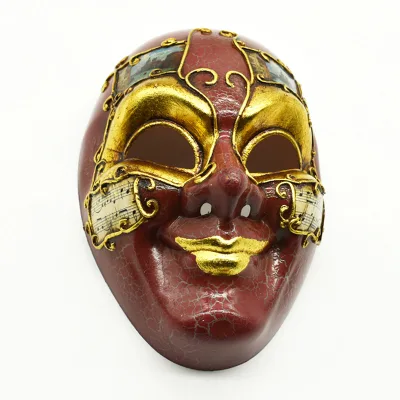

High Quality Super Inductive Golden Gold Facial Mask Sheet (manufacturer)
$0.08 - $0.08
MOQ: 30000 Pieces


Comprehensive Sourcing Guide
Strategic Sourcing Guide for Italian Gold Powder Venice Mask Products
The procurement landscape for specialized decorative and functional materials often involves navigating a complex array of product categories that share similar naming conventions but serve vastly different industrial purposes. When buyers search for terms like "Italian Gold Powder Venice Mask," they are frequently encountering a convergence of distinct product lines, including industrial powder coatings, cosmetic facial masks, and metallic pigments used in painting and printing. A disciplined sourcing approach requires the immediate differentiation of these categories to ensure that the procurement strategy aligns with the actual technical requirements of the project. This guide provides a comprehensive framework for evaluating suppliers and products based on verified attributes, ensuring that buyers can make informed decisions without relying on unverified marketing claims.
Technical Specifications and Product Differentiation
The first step in sourcing is to rigorously define the technical specifications required, as the search term "Italian Gold Powder Venice Mask" likely conflates three separate product types: powder coating systems, cosmetic skincare products, and metallic pigments. For industrial applications involving steel substrates, the relevant product is a finish coat powder coating system. These products typically utilize a polyester powder system designed for electrostatic spraying. The curing conditions for such industrial coatings are critical; verified data indicates a standard curing range of 180-200°C for a duration of 10-20 minutes. The physical appearance is observed as a powder, and the primary component is pigment. The substrate compatibility is explicitly listed as steel, and the application method is spray.
In contrast, if the procurement intent is related to cosmetic applications, the specifications shift entirely. Products in this category are identified as facial masks intended for all ages and unisex use. The target body part is the face, and the skin type compatibility includes combination skin. The functional attributes for these cosmetic items include moisturizing, anti-aging, whitening, acne and blemish control, and sun care. The shelf life for these biological products is observed to be two years, with an expiration date of one year from the date of manufacture. The packaging for these items is typically one piece per bag, with a minimum order quantity often set at 10 boxes.
A third category involves metallic pigments, specifically described as "Pale Rich Copper Bronze Powder for Paints." These products are synthetic in nature and consist of copper and zinc ingredients. The particle size is a critical specification, with available mesh sizes ranging from 200 to 1200 mesh. The color variations include pale gold, rich gold, copper, and rich pale gold. The solubility is noted as insolubility, and the screen analysis is limited to a maximum of 1%. These pigments are designed for use in painting, coating, and printing applications, offering a metallic shiny effect with a water coverage capability of greater than 4500.
Compliance and Certification Verification
Navigating the regulatory landscape is essential for B2B procurement, particularly when dealing with materials that may have cross-border implications. The supply chain for these diverse products often originates from China, as indicated by the product origin data. Buyers must verify that suppliers possess the necessary certifications to operate legally and meet international standards. For industrial powder coatings and pigments, the presence of ISO and RoHS certifications is a high-confidence fact. Additional verification should include BV (Bureau Veritas) certificates, which are often required for quality assurance in international trade.
For cosmetic products, the regulatory requirements differ significantly. The relevant certification observed for facial masks is the CE mark, which indicates compliance with European health, safety, and environmental protection standards. It is crucial for buyers to distinguish between the certifications required for industrial materials versus those for consumer goods. While industrial coatings rely on ISO and RoHS to ensure environmental safety and material integrity, cosmetic products require CE certification to validate their safety for human use. Buyers should not assume that a supplier certified for industrial powder coatings automatically holds the necessary approvals for cosmetic manufacturing. The distinction between these regulatory frameworks is paramount to avoiding compliance failures during customs clearance or market entry.
Cost Drivers and Pricing Structures
Understanding the cost drivers for these products requires an analysis of the observed market data. The price range for the listed products spans from $0.05 to $367 USD, reflecting the vast difference between bulk industrial pigments and specialized finished goods. The minimum order quantity (MOQ) is equally variable, ranging from 1 unit to 30,000 units. This disparity suggests that the cost per unit is heavily influenced by the scale of the purchase and the complexity of the product.
For industrial powder coatings, the packaging is standardized at 25kg per carton, with some variations noted as 20kg per carton. The minimum quantity for color-specific orders is observed at 100kg. In the cosmetic sector, the packaging is significantly smaller, with a unit of 1 piece per bag and a minimum order of 10 boxes. The pricing for these items is likely driven by the cost of raw materials, such as copper and zinc for pigments, or the formulation complexity for facial masks. Buyers should note that the payment terms typically accepted include T/T (Telegraphic Transfer) and L/C (Letter of Credit), which are standard for international B2B transactions. The lead time for these products is generally short, ranging from 1 to 7 days, which can be a significant advantage for supply chain agility. However, buyers must verify if this lead time applies to all product types or if it is specific to certain stock items.
Typical Applications and Usage Scenarios
The application of these products is highly specific to their category. Industrial powder coatings are designed for finishing steel substrates, providing a durable and aesthetically pleasing finish. The application method is electrostatic spraying, which ensures an even distribution of the powder. The curing process is essential to achieve the final properties of the coating. These products are suitable for a wide range of industrial applications where steel protection and decoration are required.
Metallic pigments, such as the pale rich copper bronze powder, are used in paints, coatings, and printing inks. The insolubility of these pigments makes them suitable for applications where water resistance is required. The metallic shiny effect they provide is ideal for decorative finishes in various industries. The particle size selection allows for customization based on the desired texture and visual effect of the final product.
Cosmetic facial masks are intended for personal care and skincare routines. Their application is strictly topical, targeting the face to improve skin condition. The functions of moisturizing, anti-aging, and acne control are designed to meet the needs of consumers with combination skin types. The packaging and usage instructions are tailored for individual consumer use, contrasting sharply with the bulk industrial applications of the other product types.
Supplier Evaluation and Factory Capabilities
When evaluating potential suppliers, buyers should prioritize those who demonstrate transparency regarding their manufacturing capabilities. A key attribute observed in the supply data is the statement "We Have Own Factory." This indicates that the supplier has direct control over the production process, which can be a significant advantage in terms of quality control and lead time management. Suppliers with their own factories are often better positioned to handle customization requests, as the attribute "Customization: Available" suggests that product specifications can be tailored to buyer needs.
However, buyers must exercise caution when interpreting such claims. The presence of a factory does not guarantee that the supplier produces all the product types listed in the search results. It is possible that a single supplier offers a diverse range of products, including both industrial coatings and cosmetic masks, or that the search results aggregate data from multiple distinct suppliers. Buyers should verify the specific product lines offered by each factory and ensure that the supplier has the necessary expertise and equipment for the specific product category being procured.
Quality Control and Testing Protocols
Quality control is a critical component of the procurement process, especially when dealing with products that have strict performance requirements. For industrial powder coatings, the standard verification includes SGS certification, which indicates that the product has undergone third-party testing. The curing conditions and particle size specifications must be strictly adhered to during production to ensure consistent quality. Buyers should request test reports that verify the curing time, temperature, and adhesion properties of the powder coating.
For metallic pigments, the screen analysis and water coverage are key quality indicators. The maximum screen analysis of 1% and water coverage of greater than 4500 are specific metrics that should be verified through independent testing. Buyers should ensure that the supplier can provide documentation confirming that these specifications are met for every batch of product.
In the cosmetic sector, quality control focuses on safety and efficacy. The CE certification and the two-year shelf life are critical quality markers. Buyers should verify that the supplier maintains a controlled environment for manufacturing to prevent contamination. The expiration date of one year and the specific functional claims (moisturizing, anti-aging) should be supported by relevant testing data.
Long-Term Procurement Considerations
Sourcing these products requires a long-term perspective that considers supply chain stability and product lifecycle. The lead time of 1 to 7 days is advantageous for maintaining inventory levels, but buyers should plan for potential disruptions. The availability of customization suggests that suppliers are flexible, but buyers should establish clear communication channels to manage these requests effectively.
The payment terms of T/T and L/C offer flexibility for buyers, but the specific terms should be negotiated based on the order volume and the relationship with the supplier. The origin of the products being China means that buyers must be aware of potential logistical challenges, such as shipping delays or customs regulations. Establishing a reliable supply chain partner with a proven track record of meeting delivery schedules is essential for long-term success.
In conclusion, the search for "Italian Gold Powder Venice Mask" products requires a nuanced approach that distinguishes between industrial, cosmetic, and pigment categories. By focusing on verified technical specifications, compliance certifications, and supplier capabilities, buyers can navigate the complex B2B landscape effectively. The provided data offers a solid foundation for making informed procurement decisions, ensuring that the selected products meet the specific needs of the project while adhering to quality and regulatory standards.
FAQs
What certifications are required for industrial powder coatings?
Industrial powder coatings require ISO and RoHS certifications, along with BV certificates for quality assurance. These verify environmental safety and material integrity for steel substrates, ensuring compliance with international trade standards before shipment.
How are cosmetic facial masks packaged and what is the shelf life?
Cosmetic facial masks are packaged as one piece per bag with a minimum order of ten boxes. The shelf life is two years, and the expiration date is typically one year from the date of manufacture for combination skin types.
What is the curing condition for polyester powder coating systems?
The curing condition for polyester powder coating systems is 180 to 200 degrees Celsius for 10 to 20 minutes. This process ensures the powder adheres properly to steel substrates using electrostatic spraying methods for a durable finish.
Which particle sizes are available for metallic bronze powder pigments?
Metallic bronze powder pigments are available in particle sizes ranging from 200 to 1200 mesh. These sizes allow customization for painting, coating, and printing applications while maintaining insolubility and a maximum screen analysis of 1 percent.
Can suppliers offer customization for these industrial and cosmetic products?
Yes, suppliers offer customization for both industrial coatings and cosmetic masks. Buyers can request specific color variations, packaging sizes, or formulation adjustments, provided they work with factories that have their own production capabilities and clear communication channels.
What are the typical lead times for orders from Chinese factories?
Typical lead times for orders from Chinese factories range from one to seven days. This short duration supports supply chain agility, though buyers should verify if this applies to all product types or specific stock items before placing large orders.
How is the minimum order quantity determined for different product categories?
Minimum order quantities vary significantly by category, ranging from one unit to thirty thousand units. Industrial coatings often require 100 kilograms per color, while cosmetic masks may start at ten boxes, reflecting the scale and complexity of each product.