Source Italian Pure Cashmere Jersey Fabric for Suits, Sweaters, and Dresses
Compare 30 listings for Italian Pure Cashmere Jersey Fabric suitable for high-end suits, cozy sweaters, and elegant dresses. Buyers can evaluate yarn counts, GSM weights, and custom design options from verified Chinese manufacturers.
Key considerations
Products List
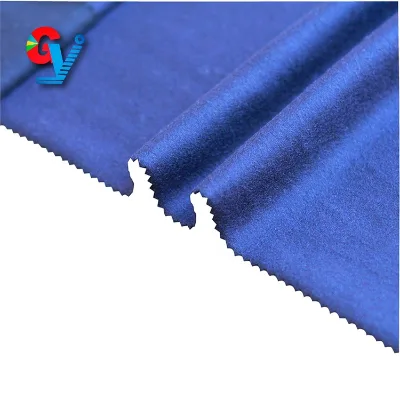
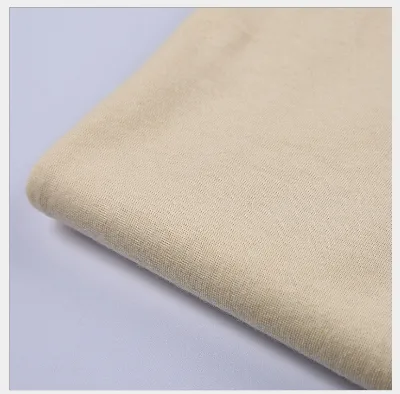


Customized Dark Colors Italian Worsted Woven Cashmere Suit 100 Pure Wool Fabric
$4.50 - $13.50
MOQ: 3000 Meters

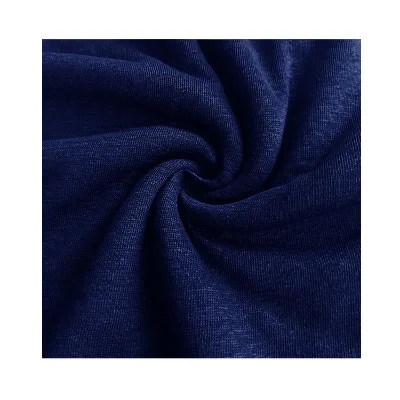


Good Price of New Product Jersey Fabric 100% Cotton Fabric Cotton for Dress
$2.50 - $5.50
MOQ: 100 Meters

120GSM Knitted Lyocell Modal Cashmere Stretch Jersey Fabric for Tshirt and Clothing
$4.39 - $4.50
MOQ: 2000 Meters


Soft and Breathable Modal Cashmere Blend Jersey Fabric for Base Layer Top
$4.58 - $4.65
MOQ: 2000 Meters


Luxurious Modal Cashmere Stretch Jersey Fabric for Versatile T-Shirts & Basic Top
$4.58 - $4.65
MOQ: 2000 Meters



Comprehensive Sourcing Guide
Strategic Sourcing Guide for Italian Pure Cashmere Jersey Fabric
Understanding the Technical Profile of Premium Jersey
When sourcing Italian Pure Cashmere Jersey Fabric, the primary objective is to distinguish genuine high-end materials from blends or synthetic alternatives that may mimic the aesthetic but fail the tactile and thermal performance tests. The core keyword "Italian pure cashmere" implies a specific origin and material composition that must be rigorously verified. In the context of high-quality knit fabrics, the technical profile begins with the fiber composition. True pure cashmere consists of 100% cashmere fibers, often sourced from the undercoat of specific goat breeds. However, the supplied product data indicates a broader market reality where "pure" claims must be cross-referenced with actual composition statements like "100% Wool" or specific blends such as "55% Cotton 45% Modal." For a buyer targeting Italian pure cashmere, the first technical verification is the explicit declaration of 100% cashmere in the product composition field, distinct from the "100% Wool" or "Modal/Cotton" entries found in general listings.
The construction method is equally critical. The supplied facts highlight "Knitted" as a primary technique, specifically identifying "Jersey Fabric" as a type of knit. This distinguishes the material from woven suiting fabrics, which are often associated with traditional Italian woolens. The weight of the fabric is a decisive factor in its application; the reference data lists weights ranging from 200 g/m² to 280 GSM. For pure cashmere jersey, the weight typically falls within a specific range that balances drape and warmth. A weight of 280 GSM suggests a heavier, more substantial knit suitable for outerwear or structured garments, while 200 g/m² indicates a lighter, more breathable option ideal for t-shirts or lightweight dresses. Buyers must verify the specific GSM (grams per square meter) to ensure it aligns with the intended garment's seasonality, as the supplied data notes "Spring Autumn" as a common season for such fabrics.
Width is another technical specification that dictates cutting efficiency and waste. The provided information cites widths of 135cm and "custom made" options. Standard Italian jersey often comes in widths between 150cm and 180cm, but the availability of 135cm or custom widths suggests a need for precise negotiation with the supplier. The yarn count, listed as "Customized" or "32s" in the data, plays a significant role in the fabric's fineness. A higher yarn count generally indicates a finer, softer hand feel, which is a hallmark of premium cashmere. The "Worsted" yarn type mentioned in the context of wool fabrics suggests a smooth, strong yarn suitable for high-quality knits, though cashmere is often spun differently to maximize softness. Buyers should confirm if the yarn is spun specifically for cashmere or if the "Worsted" designation applies to a wool blend.
Compliance and Certification Verification
In the luxury and high-performance textile sectors, compliance is not merely a formality but a prerequisite for market access and brand integrity. The supplied facts explicitly mention "Oeko-Tex Standard 100" as a certification available for similar knit fabrics. This is a crucial benchmark for buyers seeking pure cashmere, as it verifies that the fabric is free from harmful substances and safe for direct skin contact. When sourcing Italian pure cashmere, the buyer must demand proof of this certification or equivalent standards like GOTS (Global Organic Textile Standard) if organic fibers are claimed. The data also lists features such as "Eco-Friendly," "Organic," and "Anti-Bacteria," which often accompany certified products. However, these features must be substantiated by valid test reports rather than marketing claims.
The "Place of Origin" is a critical compliance point. While the supplied data includes "China" and "cixi, zhejiang, China," the core keyword specifies "Italian." This discrepancy highlights the importance of verifying the country of origin documentation. A supplier claiming to sell "Italian pure cashmere" must provide evidence of the fiber's origin and the manufacturing location in Italy. If the fabric is spun in Italy but knitted elsewhere, or if the fiber is sourced from China and processed in Italy, the final product's classification may differ. Buyers should request mill certificates that trace the fiber from the source to the finished fabric. Additionally, the "Supply Type" listed as "Make-To-Order" suggests a customized production run, which often requires stricter quality control and compliance checks to ensure the custom specifications match the certified standards.
The "Certification" field in the data is specific, but buyers must ensure that the certification covers the specific batch of pure cashmere being purchased. Generic certifications may not apply to custom orders unless explicitly stated. The "Feature" list includes "Anti-Crease" and "Stretch," which are performance attributes that can be verified through testing. For pure cashmere, the stretch level is often natural due to the fiber's elasticity, but a "Firm Stretch" level might indicate a specific knitting tension or blend. Buyers should verify that the "Eco-Friendly" and "Organic" claims are backed by third-party audit reports, especially given the high value of cashmere and the prevalence of greenwashing in the textile industry.
Cost Drivers and Pricing Structures
The pricing of Italian pure cashmere jersey is influenced by a complex matrix of factors, including raw material scarcity, processing complexity, and certification costs. The observed price range in the supplied data spans from 1 to 200 USD, but this wide range likely encompasses various material types, from basic cotton blends to premium wools. Pure cashmere, being a luxury fiber, typically commands a price significantly higher than the lower end of this spectrum. The "MOQ" (Minimum Order Quantity) is a major cost driver; the data shows ranges from 500 meters to 3000 units, with specific entries for "500 meters" and "500KG." For custom pure cashmere orders, the MOQ is often higher due to the setup costs for spinning and knitting specialized yarns.
The "Yarn Count" and "Weight" directly impact the cost. A 32s yarn count or a 280 GSM weight requires more raw material and energy to produce than lighter, coarser alternatives. The "Design" aspect, such as "Accept Custom Designs" or "Customized Designs Supported," adds a layer of cost due to the engineering and sampling required. The "Payment" terms listed as "TT LC" (Telegraphic Transfer and Letter of Credit) reflect the financial risk management typical in high-value international trade. Buyers should anticipate that pure cashmere orders will require more favorable payment terms or higher deposits compared to standard commodity fabrics.
The "Selling Units" being "Single item" in the data suggests a retail or sample context, but B2B procurement usually involves bulk orders. The "Single package size" and "Single gross weight" provide insight into logistics costs, which can be significant for heavy fabrics like 280 GSM cashmere. Buyers must factor in the cost of "Roll Packing" and the potential for damage during transit, especially for delicate cashmere. The "Feature" set, including "Wicking," "Quick-Dry," and "Breathable," adds value but also cost, as these properties require specific finishing treatments. When evaluating quotes, buyers should compare the cost per kilogram or per meter against the technical specifications to ensure they are paying for genuine quality rather than inflated branding.
Typical Applications and End-Use Markets
The versatility of Italian pure cashmere jersey makes it suitable for a wide array of high-end applications. The supplied data lists "Suit, Garment, T-Shirt, Dress, Sleepwear, Skirts, Apparel-Sportswear, Apparel-Dress, Apparel-Underwear, Apparel-Workwear" as potential uses. For pure cashmere, the most common applications are luxury knitwear, including sweaters, cardigans, and scarves, where the softness and warmth are paramount. The "Applicable to the Crowd" includes "Women, Men, Girls, Boys, Infant/Baby," indicating that the fabric can be used for family collections, though infant wear requires extra attention to safety and softness standards.
The "Season" of "Spring Autumn" suggests that pure cashmere jersey is ideal for transitional weather, providing warmth without the bulk of heavy woolens. The "Style" being "Plain" or "Plain Dyed" aligns with the classic, timeless appeal of cashmere, which is often used in solid colors for high-fashion garments. The "Color" options listed, ranging from "Army Green" to "Turquoise" and "All color," demonstrate the dyeing capabilities of the fabric. However, pure cashmere is often preferred in neutral tones like "Beige," "Black," "Navy," and "Gray" to highlight its natural luster. The "Type" being "Jersey Fabric" makes it particularly suitable for fitted garments like t-shirts and dresses that require a smooth drape and stretch recovery.
The "Usage" field also mentions "Garment Trousers Suit," which is less common for jersey but possible with specific heavy-weight constructions. The "Design" acceptance of custom patterns allows for unique branding, but the "Plain" style dominates the market. Buyers should consider the "Feature" of "Anti-Crease" and "Stretch" when selecting fabrics for travel-friendly or active wear. The "Keyword" "knit fabric for sweater" reinforces the primary application, but the "Feature" of "Wicking" and "Quick-Dry" opens doors to performance luxury wear, blending comfort with functionality.
Supplier Evaluation and Due Diligence
Evaluating suppliers for Italian pure cashmere requires a rigorous due diligence process that goes beyond basic product listings. The "Brand Name" "GYJ" and "Model Number" "GYJ05018" in the data represent specific product lines, but buyers must ensure the supplier has the capacity to produce pure cashmere, not just wool or blends. The "Place of Origin" being "China" in the data contrasts with the "Italian" keyword, necessitating a clear verification of the supply chain. A legitimate Italian supplier should have a physical presence in Italy or a verified partnership with Italian mills.
The "Supply Type" of "Make-To-Order" indicates a flexible production model, which is beneficial for custom orders but requires careful management of lead times and quality. Buyers should assess the supplier's ability to handle "Customized" yarn counts and "Custom made" widths. The "Design" support for "Customized Designs" is a positive indicator of a supplier's capability to innovate, but it also requires a robust communication channel. The "Payment" terms "TT LC" suggest a professional trading environment, but buyers should verify the supplier's financial stability and reputation.
The "Certification" status is a key differentiator. A supplier offering "Oeko-Tex Standard 100" is more likely to adhere to strict quality and safety standards. Buyers should request samples and test reports to verify the "Feature" claims of "Eco-Friendly," "Organic," and "Anti-Bacteria." The "MOQ" of "500 meters" or "500KG" sets a baseline for order size, and buyers should negotiate based on their volume needs. The "Single gross weight" and "Single package size" provide logistical data that can help in planning shipping and storage. Ultimately, the supplier's ability to deliver consistent quality, on time, and within budget is the ultimate metric of success.
Quality Control and Long-Term Procurement Strategy
Quality control for pure cashmere jersey involves a multi-stage process, from raw material inspection to finished fabric testing. The "Weight" of 280 GSM or 200 g/m² must be consistent across the roll, and the "Width" of 135cm or custom must be precise. The "Yarn Count" of 32s or customized must be uniform to ensure even knitting. The "Feature" of "Stretch Level: Firm Stretch" should be tested for recovery and durability. The "Color" consistency is critical, especially for "All color" orders, where dye lot variations can be problematic.
Long-term procurement strategies should focus on building relationships with suppliers who can guarantee the "Italian" origin and "Pure Cashmere" composition. The "Design" flexibility and "Customized" options allow for brand differentiation, but consistency is key. The "Season" of "Spring Autumn" suggests a cyclical demand, and buyers should plan orders accordingly to avoid stockouts. The "Packing" method of "Roll Packing" should be verified to prevent damage during transit. The "Feature" of "Anti-Crease" and "Anti-Bacterial" adds value but requires regular re-testing to ensure the treatments remain effective over time.
The "Model Number" and "Product name" serve as identifiers for tracking, but buyers should maintain their own internal codes for better management. The "Keyword" "knit fabric for sweater" and "Usage" fields help in categorizing inventory, but the "Material" and "Composition" are the most critical for quality assurance. By adhering to these standards and maintaining a rigorous quality control process, buyers can ensure that their Italian Pure Cashmere Jersey Fabric meets the highest expectations of luxury and performance.
FAQs
How can I verify if the fabric is truly Italian pure cashmere?
You must demand explicit documentation stating 100% cashmere composition, as many listings show 100% wool or blends. Verify the mill certificate traces the fiber origin to Italy rather than China, which appears in current data. Ensure the supplier provides proof of origin distinct from generic wool claims.
What certifications should I require for safe skin contact?
Require Oeko-Tex Standard 100 certification to confirm the fabric is free from harmful substances. This standard is explicitly listed for similar knit fabrics and ensures safety for direct skin contact. Do not accept generic eco-friendly claims without valid third-party test reports.
Which weight range is suitable for spring and autumn garments?
Select fabrics weighing between 200 g/m² and 280 GSM for transitional seasonal wear. Lighter weights around 200 g/m² suit t-shirts while 280 GSM supports structured outerwear. Verify the specific GSM matches your intended garment seasonality before ordering.
Can I order custom widths and yarn counts for this fabric?
Yes, suppliers offer custom made widths and customized yarn counts like 32s for specific needs. The data confirms options for 135cm or custom widths and various yarn specifications. Confirm these customizations align with your production requirements and minimum order quantities.
How does the MOQ impact the cost of pure cashmere orders?
Minimum Order Quantities typically range from 500 meters to 500KG depending on the supplier. Higher MOQs are common for custom pure cashmere due to spinning setup costs. Expect pricing to vary significantly based on whether you meet the specific meter or kilogram thresholds.
What payment terms are standard for high-value textile orders?
Standard terms include TT and Letter of Credit to manage financial risk in international trade. These methods are listed for similar high-value fabric transactions. Negotiate deposit percentages carefully as pure cashmere orders often require stricter financial safeguards than commodity fabrics.
Which features indicate high-performance capabilities in knit jersey?
Look for features like wicking, quick-dry, breathable, and anti-bacterial properties in the product description. These attributes suggest specific finishing treatments that add value but also cost. Verify that such performance claims are backed by test results rather than marketing labels.