Source Jack Stand for automotive repair, construction, and maintenance
Find 30 verified Jack Stand options for automotive repair, construction, and maintenance tasks. Buyers can compare specifications like load capacity, height, and power source to select the right equipment for their needs.
Key considerations
Products List


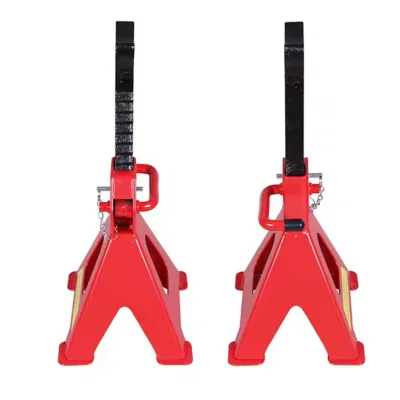
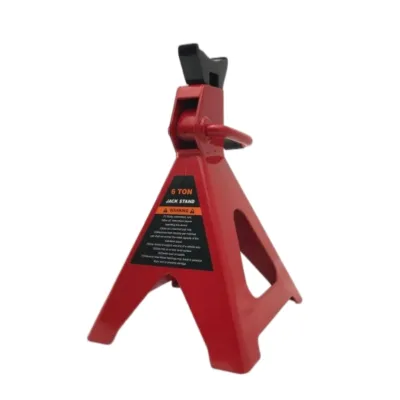
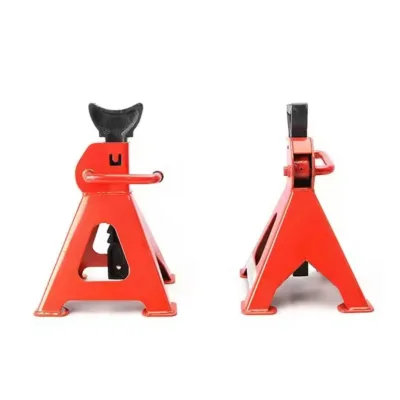
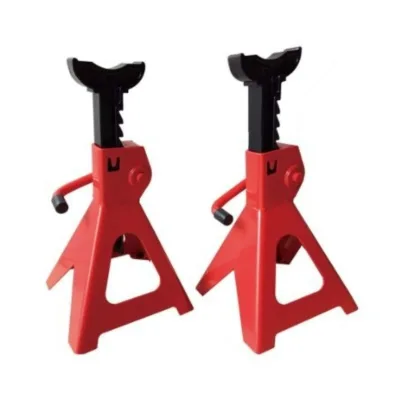


Comprehensive Sourcing Guide
Strategic Sourcing Guide for Industrial and Automotive Jack Stands
Understanding Technical Specifications and Structural Variations
When sourcing jack stands, the primary objective is to align the mechanical specifications of the product with the specific load requirements and operational environment of the buyer. The market presents a diverse array of configurations, ranging from simple mechanical screw jacks to more complex hydraulic or lever-operated systems. A critical observation in the current supply landscape is the variation in maximum height capabilities. Buyers must verify that the selected unit meets the clearance needs of their specific application. Available data indicates that certain models offer a maximum height exceeding 400mm, while other variants are engineered with a maximum height range between 351mm and 400mm. For applications requiring precise vertical adjustment, the distinction between a 420mm maximum height and a 351mm limit is significant and must be validated against the lifting profile of the machinery or vehicle in question.
The structural integrity of the Jack Stand is another paramount consideration. The supply chain features products explicitly categorized as "Screw Jack" structures, which rely on a threaded mechanism for stability and load bearing. These are often paired with a "Mechanical Jack" classification, indicating a reliance on manual force rather than hydraulic pressure. The power source for these units varies; some are designed for "Hand Chain" operation, suitable for heavy-duty industrial lifting where manual leverage is insufficient, while others utilize a "Lever" mechanism for more direct, manual control. Understanding the distinction between these power sources is essential for ergonomic safety and operational efficiency. Furthermore, the material composition is predominantly steel, a standard choice that ensures the necessary tensile strength to support loads typically ranging from 1 to 10 tons. This capacity range covers a broad spectrum of applications, from light automotive maintenance to heavy industrial machinery support.
Compliance, Certification, and Standard Verification
In the realm of industrial safety equipment, compliance with international standards is not merely a formality but a critical risk mitigation strategy. When evaluating potential suppliers, buyers must rigorously verify the certification status of the jack stands. The available market data highlights the presence of "CE" certification, a mandatory conformity mark for products sold within the European Economic Area. Some listings also reference a combined "CE ISO" certification, suggesting adherence to specific quality management systems alongside product safety standards. However, it is important to note that while "CE" is frequently observed, other standards such as "EN 1494" or "ISO 9001" appear in background contexts but should not be assumed as guaranteed attributes for every listed product without direct verification from the supplier.
The physical dimensions of the product also serve as a proxy for standardization. Specific product models are associated with precise standard dimensions, such as 195180350mm, 195180330mm, and 340310570mm. These measurements likely correspond to the footprint and folded or extended states of the equipment. Buyers should treat these dimensions as specific observations for particular models rather than universal standards for the entire category. For instance, a model with a standard of "alex stand" may refer to a specific design archetype rather than a dimensional specification. When assessing compliance, the buyer must request current test reports and certification documents that explicitly link the specific model number, such as HF42002 or J17021, to the claimed standard. Relying on general claims without model-specific documentation can lead to procurement of non-compliant equipment, posing significant safety liabilities.
Cost Drivers and Pricing Dynamics
The pricing structure for jack stands is influenced by a complex interplay of factors, including material costs, manufacturing complexity, and certification requirements. The observed market data reveals a wide price range, with unit costs fluctuating between 1 and 118 USD. This broad spectrum suggests that the final price is heavily dependent on the specific configuration, capacity, and included features of the Jack Stand. Lower-priced items in the range may correspond to basic mechanical units with standard capacities, while higher-priced items likely incorporate advanced features, higher load ratings, or specialized packaging.
Beyond the unit price, the Minimum Order Quantity (MOQ) is a significant cost driver. The market data indicates an MOQ range from 1 set to 400 units. For small-scale procurement or prototyping, suppliers offering an MOQ of 1 set provide flexibility, though the per-unit cost may be higher due to the lack of economies of scale. Conversely, large-volume buyers can leverage higher MOQs to negotiate better pricing, potentially accessing the lower end of the price spectrum. Additionally, payment terms play a role in the overall cost of acquisition. Suppliers may offer various payment methods, including D/A, T/T, L/C, D/P, and COD. The choice of payment method can impact cash flow and financial risk, with letters of credit (L/C) often providing more security for large transactions but potentially incurring higher administrative fees. Buyers should analyze the total cost of ownership, factoring in shipping, duties, and the potential cost of returns or replacements, rather than focusing solely on the listed unit price.
Typical Applications and Operational Context
Jack stands serve a multitude of functions across different industries, and understanding the specific application is crucial for selecting the right equipment. The data indicates that these products are frequently used as "Car Jack" stands, making them essential for automotive maintenance, repair, and tire replacement. In this context, the ability to lift a vehicle to a safe working height while providing a stable base is non-negotiable. The "Screw Jack" structure is particularly well-suited for this application, offering a self-locking mechanism that prevents the load from dropping if the lifting mechanism fails.
Beyond automotive use, the 1-10 ton capacity range suggests applicability in industrial settings where heavy machinery, engines, or structural components require support during assembly or repair. The "Hand Chain" power source points to applications in environments where manual leverage is impractical, such as lifting heavy loads in confined spaces or where precise, incremental lifting is required. The "Lever" mechanism, on the other hand, is ideal for scenarios requiring quick deployment and manual operation by a single operator. The "Carton" or "Color Box and Carton" packaging indicates that these products are often designed for retail distribution or direct shipment to end-users, suggesting a focus on consumer-facing markets as well as professional B2B channels. The "Red" color option, observed in some listings, is a common industry standard for safety equipment, ensuring high visibility in workshop environments.
Supplier Evaluation and Origin Analysis
Evaluating suppliers requires a keen eye on their geographic origin and logistical capabilities. The supply chain for jack stands is heavily concentrated in China, with specific mentions of origins in Jiaxing, Zhejiang, and Hebei. These regions are known for their manufacturing hubs and supply chain efficiencies. Jiaxing, in particular, appears to be a significant source for models with specific certifications and packaging standards. Hebei is another key location, often associated with steel manufacturing and heavy machinery production. When selecting a supplier, buyers should verify the specific place of origin to ensure consistency in quality and to anticipate potential logistical challenges or trade tariffs.
The brand landscape also varies, with some products bearing specific brand names like "FLASHUP," while others may be unbranded or generic. The presence of a brand name can indicate a commitment to quality control and after-sales support, such as the "1 Years" warranty observed in the market. However, the absence of a brand name does not necessarily imply lower quality, provided the supplier can demonstrate adherence to the required standards and certifications. Buyers should prioritize suppliers who provide transparent information about their production processes, quality control measures, and warranty policies. The ability to offer "Customization" is another valuable attribute, allowing buyers to tailor the product to specific needs, such as unique dimensions, colors, or branding. This flexibility can be a decisive factor in securing a long-term partnership with a supplier.
Quality Control and Long-Term Procurement Considerations
Ensuring the quality of jack stands is a continuous process that extends beyond the initial purchase. The market data highlights several quality indicators, including "High-Quality" material claims and specific packaging standards like "Blow box size" and "Single package size." These details are critical for logistics and storage planning. For instance, a single gross weight of 5.1 kg or a net weight of 33 kg for a specific unit directly impacts shipping costs and handling requirements. Buyers must verify these figures against the actual product to avoid discrepancies that could lead to unexpected costs or logistical delays.
Long-term procurement considerations also involve the durability and reliability of the equipment. The "1 Years" warranty is a standard offering, but buyers should investigate the terms and conditions of this warranty, including what is covered and the process for claims. The "New" condition of the products is a baseline expectation, but buyers should ensure that the "Carton" packaging is robust enough to protect the equipment during transit, especially for international shipments. Furthermore, the availability of spare parts and the supplier's ability to provide technical support are essential for maintaining operational continuity. As the market evolves, buyers should stay informed about changes in safety standards and regulatory requirements to ensure their procurement strategy remains compliant and effective. By focusing on these long-term factors, buyers can build a resilient supply chain that supports their operational needs while minimizing risk.
FAQs
What power sources are available for these jack stands?
Available power sources include hand chain and lever mechanisms. Hand chain systems suit heavy industrial lifting where manual leverage is insufficient, while lever mechanisms offer direct manual control for quicker deployment in various operational environments.
Which certification marks are observed on the listed products?
The listed products frequently display CE certification, with some variants also referencing combined CE ISO certification. Buyers must verify that specific model numbers link directly to these claims through current test reports to ensure compliance with safety standards.
What is the maximum height range for the available models?
Maximum heights vary significantly, with some models exceeding 400mm and others ranging between 351mm and 400mm. Specific models like FJS0210/FJS0310 reach a maximum height of 420mm, requiring validation against the lifting profile of the machinery.
Can buyers request customization for these jack stands?
Yes, customization is available for color and other specific attributes. This flexibility allows buyers to tailor products to unique needs, such as specific dimensions or branding, which can be a decisive factor in securing a long-term partnership with a supplier.
What are the typical load capacities for these mechanical jacks?
The typical load capacity ranges from 1 to 10 tons. This range covers applications from light automotive maintenance to heavy industrial machinery support, with steel construction ensuring the necessary tensile strength to safely bear these specified loads.
Which payment methods are accepted by the suppliers?
Suppliers accept various payment methods including D/A, T/T, L/C, D/P, and COD. The choice of payment method impacts cash flow and financial risk, with letters of credit often providing more security for large transactions despite potential administrative fees.
What is the minimum order quantity for purchasing these units?
The minimum order quantity ranges from 1 set to 400 units depending on the supplier. Small-scale procurement can leverage an MOQ of 1 set for flexibility, while large-volume buyers can negotiate better pricing by meeting higher quantity thresholds.