Source Japanese Style Coffee Glass for Cafe Home Hotel
Find 30 listings for the Japanese Style Coffee Glass suitable for cafe, home, and hotel use. Buyers can compare glass materials, capacities, and customization options from verified Chinese suppliers.
Key considerations
Products List
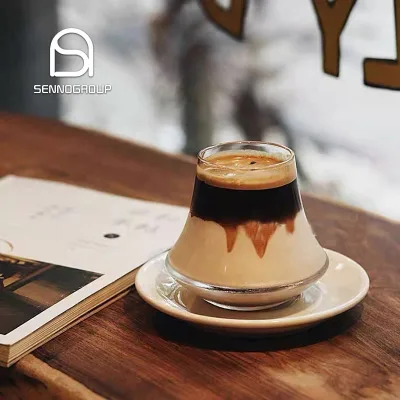
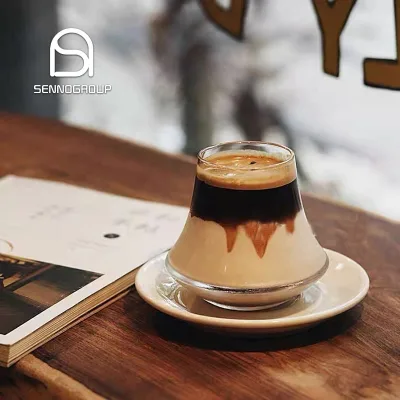
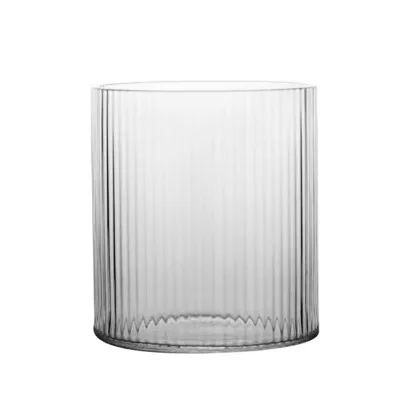
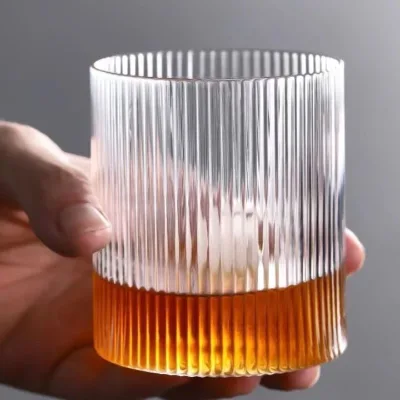
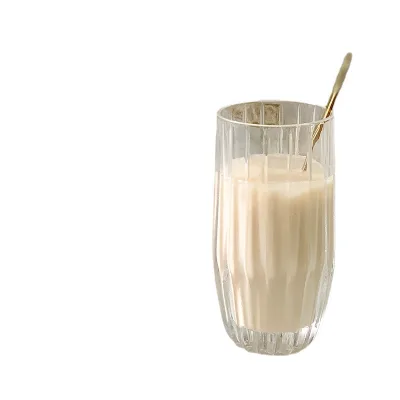
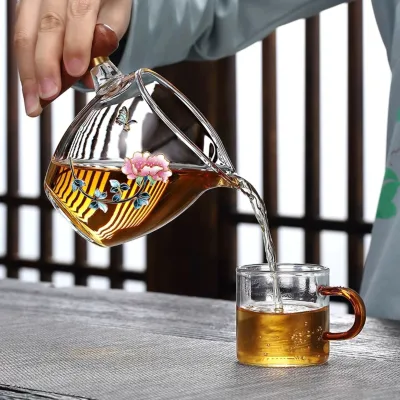
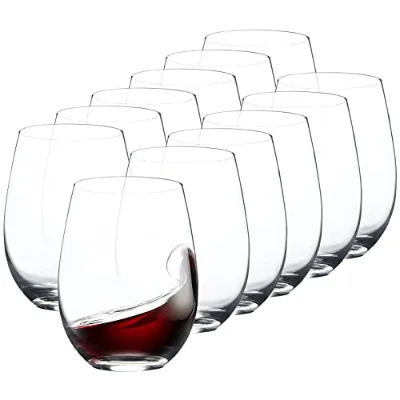
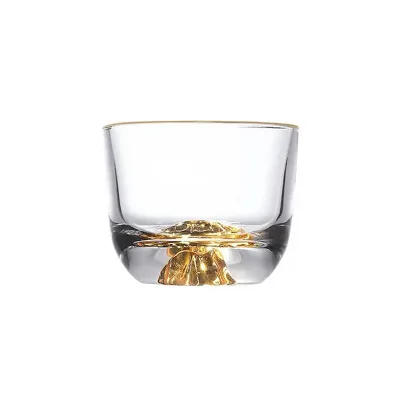
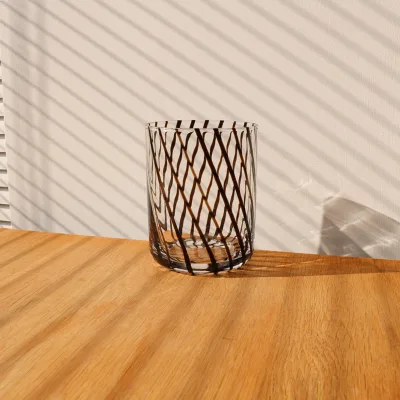
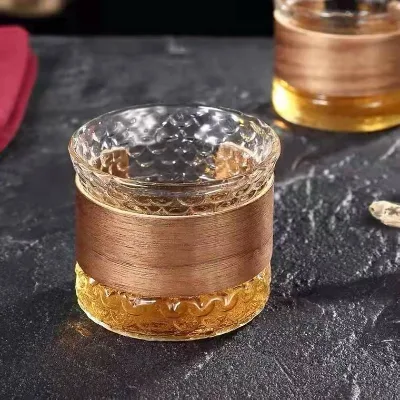


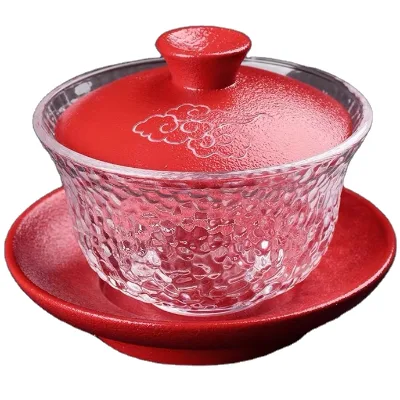
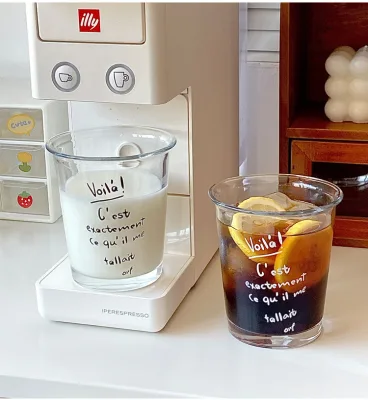




Comprehensive Sourcing Guide
Strategic Sourcing Guide for Japanese Style Coffee Glassware
The global demand for specialized glassware has intensified, with buyers increasingly seeking products that blend aesthetic refinement with functional durability. When researching the core keyword "Japanese Style Coffee Glass," procurement professionals must navigate a complex landscape of design nuances, material specifications, and supply chain variables. This guide provides a disciplined framework for sourcing these items, grounded in observable market data and verified product attributes. The objective is to equip buyers with the analytical tools necessary to evaluate suppliers, assess product quality, and negotiate terms without relying on unverified claims or speculative market data.
Design Philosophy and Material Specifications
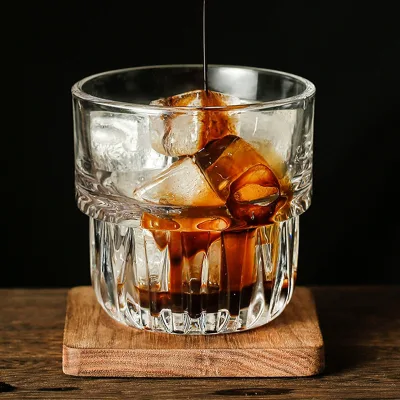
The "Japanese style" designation in glassware typically implies a focus on minimalism, transparency, and functional elegance. Unlike the ornate patterns often found in European or American traditional glassware, Japanese-inspired designs prioritize clean lines, subtle textures, and a focus on the liquid's appearance. Based on observed product attributes in the current market, buyers should look for specific design markers such as the "Minimalist" style and "Round" shapes, which align with the Zen aesthetic prevalent in Japanese design culture.
Material composition is the primary determinant of quality and safety. The supplied data indicates that "Glass" is the predominant material for these items. Specifically, "Transparent" and "Clear Transparent" finishes are common, allowing the color of the coffee to be fully appreciated. A critical observation from the product list is the presence of "Eco-Friendly" and "Food Grade" attributes. While these are listed as features, buyers must verify that these claims are supported by the specific glass formulation used, such as borosilicate or high-quality soda-lime glass, which offers thermal shock resistance essential for hot beverages.
Volume is another critical specification. The market data shows a range of capacities, with specific listings indicating "350ml" and "300ml" options. For a Japanese-style coffee glass, a capacity between 250ml and 350ml is often ideal for serving espresso, drip coffee, or pour-over varieties. The physical dimensions also vary; observed single package sizes range from "10X10X10 cm" to "15X15X15 cm," with some larger sets measuring "14X14X20 cm." Buyers must ensure that the physical dimensions of the glass itself, not just the packaging, align with their ergonomic requirements and shelf space constraints.
Compliance, Safety, and Certification Verification
In the B2B procurement of food-contact glassware, compliance is non-negotiable. The product attributes explicitly mention "Food Grade" and "Eco-Friendly" status. However, these terms are generic and do not constitute a specific certification. Buyers must understand that "Food Grade" implies the material is safe for contact with consumables, but the specific regulatory standard (such as FDA in the US, LFGB in Europe, or GB standards in China) must be verified on a per-shipment basis.
The origin of the product is a significant factor in compliance. The supplied data lists multiple origins within China, including "Guangdong," "Hunan," and "Shanxi." While these are manufacturing hubs, the specific factory's adherence to international safety standards varies. Buyers should not assume that a product labeled "Food Grade" automatically meets the stringent requirements of their target market. Instead, they must request third-party test reports for heavy metal leaching (lead and cadmium) and thermal shock resistance.
Furthermore, the "Eco-Friendly" claim requires scrutiny. In the context of glassware, this often refers to the recyclability of the material or the manufacturing process. Buyers should inquire about the energy consumption during the melting process and the waste management protocols of the supplier. Without specific certification documents, these attributes should be treated as observations rather than guaranteed compliance. The absence of specific certification names in the provided data underscores the need for due diligence; buyers must ask for the exact test standards applied to the glass batch before finalizing an order.
Cost Drivers and Pricing Dynamics
Understanding the cost structure of Japanese style coffee glasses is essential for budgeting and margin analysis. The observed price range in the market is substantial, spanning from $0.23 to $9.25 USD. This wide variance is driven by several key factors, including material quality, design complexity, and order volume.
The Minimum Order Quantity (MOQ) is a primary cost driver. The data reveals a broad MOQ spectrum, ranging from as low as "1" piece to as high as "5000" pieces. Specific listings show MOQs of "50 pcs," "500 Pcs," and "1000pcs." A lower MOQ often results in a higher unit price due to the fixed costs of setup and production runs. Conversely, larger orders allow for economies of scale, significantly reducing the per-unit cost. Buyers must balance their inventory needs against their cash flow to determine the optimal order size.
Additional cost factors include customization. The product attributes frequently mention "Customize Logo Acceptable" and "Customized Logo Acceptable." Customization, whether it involves etching, printing, or molding a specific shape, adds to the production cost. The "Sample time" of "10-15 days" also impacts the timeline and potential rush fees. Furthermore, packaging plays a role in cost; options like "Brown Box," "Color Box," "White box," or "Gift box" vary in price. The "Single gross weight" also affects shipping costs, with observed weights ranging from "0.500 kg" to "1.5 kg" per package. Buyers should calculate the total landed cost, including freight, duties, and packaging, rather than focusing solely on the unit price.
Typical Applications and Usage Scenarios
The versatility of Japanese style coffee glasses makes them suitable for a wide array of commercial and institutional applications. The supplied data lists "Home," "Hotel," "Restaurant," "Office," and "Cafe" as primary usage environments. This broad applicability suggests that these products are designed to be durable enough for high-volume commercial use while maintaining the aesthetic appeal required for hospitality settings.
Specific applications are further detailed in the attributes. The "Drinkware Type" is identified as "Coffee Sets," "Cups & Saucers," and general "Wine" or "Water" glasses, indicating that the design language is adaptable. The "Application" field lists "Cafe," "Water, Cocktail, Beer, Juice, beverages," and "Use place: gifts, daily use, office, coffee house, bar etc." This confirms that the glassware is not limited to coffee service but can serve as multi-purpose drinkware in bars and lounges.
The "Occasion" attribute highlights "Business Gifts," suggesting that these items are often packaged and marketed as premium corporate gifts. The "American Style" and "Modern" design variations noted in the data indicate that the "Japanese style" keyword often encompasses a fusion of aesthetics, appealing to a global market that appreciates both Eastern minimalism and Western functionality. Buyers should consider the specific needs of their end-users; for instance, a hotel might prioritize stackability and durability, while a boutique cafe might prioritize unique design and branding potential.
Supplier Evaluation and Operational Capabilities
Selecting the right supplier is critical for maintaining product consistency and meeting delivery schedules. The market data shows a diverse supplier base with varying capabilities. Key evaluation criteria include the supplier's ability to handle customization, their sample process, and their logistical efficiency.
The "Sample" availability is a crucial indicator of supplier responsiveness. The data notes that samples are "Available" with a "Sample time" of "10-15 days." This timeline is standard for custom glassware but requires careful planning. Buyers should verify if the sample cost is refundable upon placing a bulk order, a common practice in the industry. Additionally, the "Logo" customization options suggest that suppliers are equipped for branding, but buyers must confirm the quality of the printing or etching process before committing to a large order.
Location is another factor. The "Place of Origin" is listed as "Guangdong," "Hunan," and "Shanxi." Guangdong is a major manufacturing hub with well-developed logistics infrastructure, which may result in faster lead times and more reliable shipping. In contrast, suppliers in other regions might have different logistical challenges. Buyers should assess the supplier's proximity to major ports and their experience with international shipping.
The "Selling Units" attribute indicates that products are often sold as "Single item," which simplifies inventory management for buyers but may require careful coordination for bulk orders. The "Packaging Details" show flexibility, with options for "Custom Package" and various box types. This flexibility is a positive sign of a supplier's adaptability, but it also requires clear communication to ensure the packaging meets the buyer's branding and protection requirements.
Quality Control and Long-Term Procurement Strategy
Ensuring consistent quality is paramount in glassware procurement. The "Single gross weight" and "Single package size" data provide a baseline for checking consistency. Deviations from these specifications can indicate quality control issues. For example, a significant variation in weight might suggest inconsistent glass thickness, which affects durability and thermal resistance.
Buyers should implement a rigorous quality control protocol. This includes checking for visual defects such as bubbles, scratches, or uneven rims, which are common in glass manufacturing. The "Eco-Friendly" and "Food Grade" claims should be validated through random sampling and third-party testing for each production batch. Additionally, the "Model Number" (e.g., "646241199280" or "001") serves as a unique identifier for tracking specific product versions, ensuring that the correct specifications are maintained over time.
For long-term procurement, building a relationship with a reliable supplier is essential. The "MOQ" flexibility observed in the market (from 1 to 5000 pieces) allows buyers to start with small orders to test quality before scaling up. However, as order volumes increase, buyers should negotiate better pricing and prioritize production slots to avoid delays. The "Lead time" for samples and bulk orders should be clearly defined in the contract to manage expectations.
Finally, buyers should consider the sustainability aspect of their procurement strategy. Given the "Eco-Friendly" attributes, selecting suppliers who use recyclable packaging and energy-efficient manufacturing processes can enhance the brand's reputation. The "Custom Package" options allow for the use of recycled materials, aligning with global sustainability trends. By focusing on these long-term considerations, buyers can secure a supply chain that is not only cost-effective but also resilient and aligned with modern environmental standards.
Conclusion
Sourcing Japanese style coffee glassware requires a meticulous approach that balances aesthetic requirements with technical specifications and supply chain reliability. By leveraging the observed data on materials, dimensions, and supplier capabilities, buyers can make informed decisions that mitigate risk and ensure product quality. The wide range of prices, MOQs, and customization options offers flexibility, but it also demands careful evaluation. Ultimately, success in this category depends on thorough due diligence, clear communication, and a commitment to maintaining high standards of quality and compliance throughout the procurement lifecycle.
FAQs
What is the typical MOQ for Japanese style coffee glasses?
The minimum order quantity varies significantly, ranging from 50 pieces to 1000 pieces depending on the supplier. Some vendors offer low MOQs of 50 pcs, while others require 500 or 1000 pcs to proceed with production.
Can I customize the logo on these glassware items?
Yes, most suppliers accept customized logo requests for branding purposes. The product attributes confirm that logo customization is acceptable, allowing buyers to add their specific designs or company names to the glassware.
Which materials are used to make these coffee glasses?
The primary material used for these items is glass, often described as transparent or clear transparent. This material choice ensures durability and allows the color of the coffee to be fully appreciated by the consumer.
What is the price range for sourcing these glasses?
The observed price range in the market spans from 0.23 USD to 9.25 USD per unit. This wide variance is driven by factors such as material quality, design complexity, and the specific minimum order quantity required.
How long does it take to receive a sample?
The sample time typically ranges from 10 to 15 days for production and delivery. Buyers should plan their procurement timeline accordingly, as this duration is standard for custom glassware requests.
What is the typical capacity of these coffee glasses?
The capacity of these glasses generally falls between 300ml and 350ml. This volume is ideal for serving espresso, drip coffee, or pour-over varieties in a cafe or home setting.