Source Japanese Salad Dressing Mayonnaise Sauce for Cooking, Toppings, and Marinades
Compare 30 listings for Japanese Salad Dressing Mayonnaise Sauce featuring zero additives, organic options, and natural brewing processes. Buyers can evaluate specifications ranging from 100g to 1.9L with certifications like FDA and BRC for global sourcing needs.
Key considerations
Products List


$0.50 - $1.00
MOQ: 5000 Pieces


Factory 65% 1kg Bag Packing Sandwich Fruit Mayonnaise Salad Dressing Sauce
$5.00 - $6.00
MOQ: 300 Boxes

Factory 75% Hot Sale 3L Japan Sandwich Fruit Salad Dressing Sauce Mayonnaise
$5.00 - $6.00
MOQ: 300 Boxes

Custom 75% Hight Quality Middle East Sandwich Salad Dressing Sauce Mayonnaise
$5.00 - $6.00
MOQ: 300 Boxes

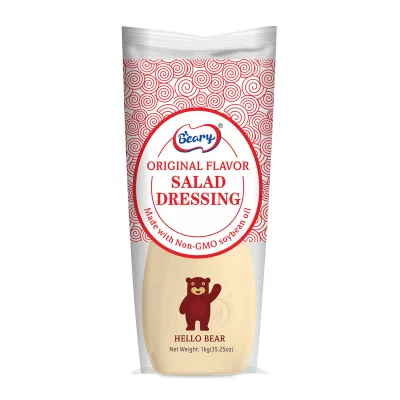
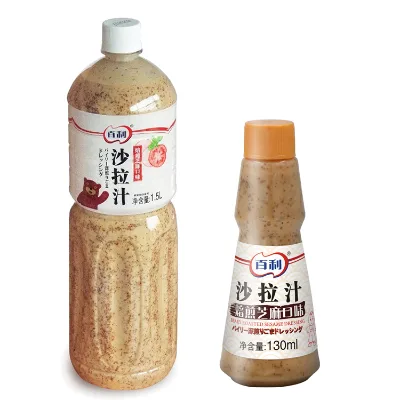
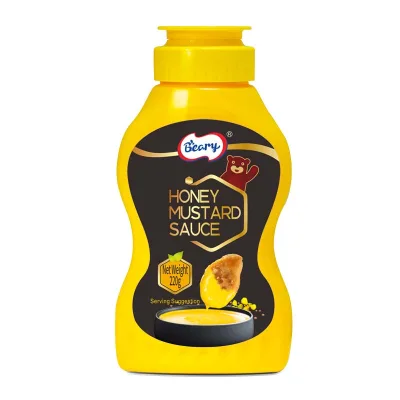
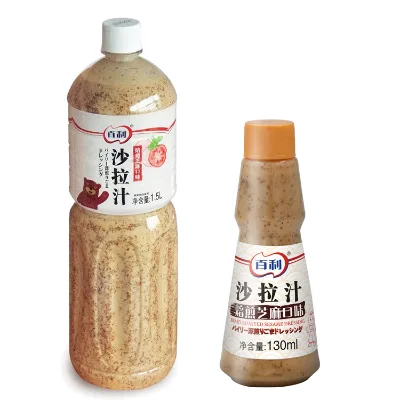
Roasted Sesame Dressing Japanese Dressing Best Selling Salad Sauce Asian Foods
$15.35 - $25.59
MOQ: 500 Minimum
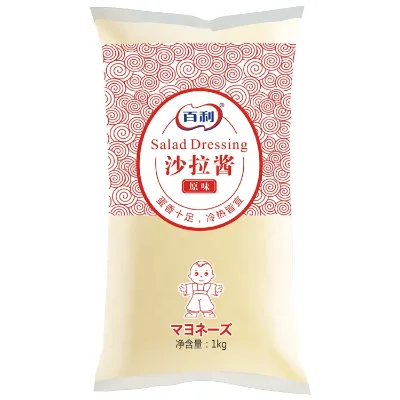
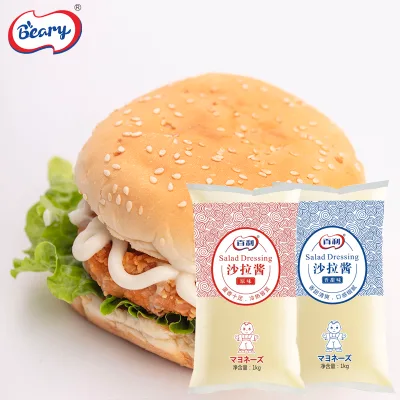
2026 Beary Premium Favourable 1L Mayonnaise Japanese Sauces for Catering
$13.00 - $15.00
MOQ: 100 cartons


Comprehensive Sourcing Guide
Strategic Sourcing Guide for Japanese Salad Dressing and Mayonnaise
Navigating the global market for Japanese salad dressing, mayonnaise, and related sauces requires a precise understanding of product specifications, regulatory compliance, and supply chain logistics. The category encompasses a diverse range of items, from traditional mayonnaise varieties to specialized unagi sauces and sesame dressings. Buyers must distinguish between these sub-categories while ensuring that the selected suppliers can meet rigorous quality standards. This guide outlines the critical factors for sourcing these condiments effectively, focusing on technical attributes, certification requirements, and procurement strategies derived from current market data.
Technical Specifications and Product Attributes
The foundation of any successful procurement strategy lies in defining clear technical specifications. In the Japanese condiment sector, product attributes vary significantly based on the intended application and flavor profile. Data indicates that the category includes products classified as "Brewage Seasoning," "Sauce," and "Fresh" items. A critical distinction exists between the physical form of the product; sourcing options include "Paste" and "Liquid" forms. For instance, specific product models such as "Mayonnaise-07" and "Sesame Salad Dressing-07" represent distinct formulations within this market.
Packaging is another vital technical parameter. The market offers a variety of container types, including "Bottle," "Box," "Glass Bottles," "PET Bottles," and "Plastic Drums." For retail-ready products, "Carton" packaging is common, often containing individual units like "Pet Jars Into Trays." Standard sizes observed in the supply chain range from small servings of "100-249g" and "250ml" to larger commercial sizes like "1.8L" and "1.9L." Specific jar sizes such as "130g/jar," "190g/jar," "210g/jar," and "300g/jar" are also prevalent. Buyers must verify the exact "prod_standard" for their order, as some suppliers offer flexible sizing like "230g or size as you like," while others adhere to fixed standards like "250ml" or "200ml, 1000ml, 1.8L."
The sensory profile is equally important. Products are often described with tastes ranging from "Sweet" to "Delicious," and colors vary from "Brown" to "Clear." These attributes directly influence the end-user experience and must be aligned with the buyer's brand requirements. Furthermore, the "Kind" of product, whether categorized broadly as a sauce or specifically as a brewage seasoning, dictates the manufacturing process and ingredient composition.
Compliance, Certifications, and Safety Standards
For international trade, particularly in the food and beverage sector, compliance with safety and quality certifications is non-negotiable. The Japanese condiment market is characterized by high regulatory scrutiny. Verified suppliers in this category often hold a robust portfolio of certifications, including "FDA," "BRC," "Halal," "Kosher," "HACCP," and "ISO." These certifications serve as proof of adherence to international food safety management systems and are essential for entering regulated markets in North America, Europe, and the Middle East.
When evaluating potential partners, buyers should request current certification documents to ensure validity. The presence of "HACCP" and "ISO" indicates a systematic approach to hazard analysis and quality control. Additionally, specific dietary requirements are increasingly important. Many products in this sector are marketed as "Non-GMO" and "Gluten Free," with the latter often specified "as Per Required." This flexibility allows suppliers to tailor products for specific consumer groups, but buyers must confirm that the "Gluten Free" status is verified for their specific target market.
The "Process" used to manufacture these sauces also impacts compliance. A notable production method observed is "Natural Brewing Under Sunshine for 6 Months." This traditional approach suggests a commitment to natural ingredients but requires strict monitoring to ensure consistency and safety. Buyers must verify that the supplier's process aligns with the declared standards and that the "Storage Method" (typically "Normal") does not compromise product integrity during transit.
Cost Drivers and Procurement Economics
Understanding the cost structure of Japanese salad dressings and mayonnaise is crucial for budgeting and negotiation. The price range for these products is observed between $0.5 and $65 USD, a wide spectrum that reflects differences in packaging, volume, and ingredient quality. Several factors drive these costs. First, the "MOQ" (Minimum Order Quantity) varies significantly, ranging from 1 unit to 5,000 units. However, specific product lines may have higher thresholds, such as an MOQ of "300ctns" or "300" units. Buyers with lower volume requirements must identify suppliers who can accommodate smaller orders without prohibitive premiums.
Lead time is another economic factor. The standard "Delivery Time" for these products is typically "15-20 Days." This timeline includes production, quality checks, and logistics preparation. Any deviation from this window should be scrutinized, as it may indicate supply chain bottlenecks or capacity issues. Additionally, the "Packaging" method influences shipping costs. Bulk packaging like "Carton" or "Tray Pack" is efficient for container loading, whereas individual "Glass Bottles" or "PET Jars" may require more protective packaging, increasing freight expenses.
Private labeling is a significant cost driver and value-add. Many suppliers offer "Private Label" services, allowing buyers to customize branding. While this adds value, it may involve setup fees or higher MOQs compared to standard white-label products. Buyers should clarify if the cost includes the design and printing of labels or if these are separate charges. The "Shelf Life" of the product, typically ranging from "12-23 Months" or ">12 Months," also affects inventory planning and cost per unit over time.
Typical Applications and Market Usage
Japanese salad dressings and mayonnaise serve diverse culinary applications, ranging from home cooking to industrial food processing. The primary "Use" category identified is "Cooking," indicating their versatility in various recipes. Mayonnaise, often characterized by a "Paste" form and "Sweet" or "Delicious" taste, is a staple for sandwiches, salads, and dipping sauces. Sesame salad dressings, with their distinct flavor profile, are frequently used for Asian-inspired dishes and cold salads.
The "Kind" of product determines its specific application. "Brewage Seasoning" and "Sauce" categories cover a broad range of uses, including marinades, glazes, and finishing sauces. For example, "Unagi Sauce-02" and "Mirin-03" are specialized products used in Japanese cuisine for grilling and sweetening. The "Form" of the product, whether "Liquid" or "Paste," dictates its ease of application. Liquid dressings are ideal for coating large batches of salad greens, while pastes like mayonnaise are better suited for emulsification in sandwich spreads or bakery applications.
Buyers should consider the "Feature" of the product when selecting for specific markets. Products with "Zero Additives" and "Organic" claims are increasingly popular in health-conscious segments. The absence of additives ("Additives: No") is a strong selling point for premium brands. Additionally, the "Color" of the product, such as "Brown" or "Clear," may influence its suitability for specific dishes where visual appeal is paramount.
Supplier Evaluation and Verification
Selecting the right supplier requires a thorough evaluation of their capabilities and reliability. The "prod_origin" for many of these products is "China," which is a major manufacturing hub for condiments. However, origin alone does not guarantee quality. Buyers must verify the supplier's ability to maintain consistent product standards across different batches. The availability of "Customization" is a key indicator of a supplier's flexibility. Suppliers offering customization can adapt packaging, flavors, and formulations to meet specific buyer needs.
When assessing suppliers, buyers should look for evidence of their "Process" capabilities. For instance, a supplier claiming "Natural Brewing Under Sunshine for 6 Months" must have the infrastructure to support such a time-intensive process. Verification of their "Storage Method" is also essential to ensure that products are handled correctly before shipment. The "prod_packing" details, such as "by Sea" or "Tray Pack or Carton Packing," provide insight into the supplier's logistics experience.
Buyers should also evaluate the supplier's responsiveness to quality issues. The presence of certifications like "FDA" and "BRC" suggests a commitment to quality, but ongoing performance is equally important. Requesting samples and conducting third-party testing can help validate the supplier's claims regarding "Nutrition Facts Per Serving," such as "Low Fat (<3g)" content. Additionally, the "Private Label" acceptance indicates a willingness to collaborate, which is crucial for long-term partnerships.
Quality Control and Long-Term Procurement
Maintaining quality throughout the supply chain is essential for brand reputation. Quality control measures should begin at the raw material stage and continue through to the final packaged product. Buyers should implement a rigorous inspection protocol that includes checking the "Shelf Life" and "Storage Method" upon receipt. The "Specification" of the product, such as "250-499g" or "100-249g," must be verified to ensure it matches the order.
Long-term procurement considerations involve building a resilient supply chain. Buyers should diversify their supplier base to mitigate risks associated with lead times or production disruptions. The "Delivery Time" of "15-20 Days" should be factored into inventory planning to prevent stockouts. Regular audits of the supplier's facilities can ensure continued compliance with "Certifications" like "HACCP" and "ISO."
Furthermore, buyers should monitor market trends regarding "Zero Additives" and "Non-GMO" products. As consumer preferences shift, suppliers may need to adapt their formulations. A supplier with a track record of "Customization" and "Private Label" acceptance is better positioned to meet evolving demands. Finally, maintaining open communication regarding "MOQ" adjustments and "Packaging" changes can help optimize costs and ensure a steady supply of high-quality Japanese salad dressings and mayonnaise.
Comparative Analysis of Product Models
To assist buyers in making informed decisions, the following table summarizes key attributes of common product models found in the market. This comparison highlights the diversity in specifications, packaging, and standards.
| Product Model | Form | Specification/Standard | Packaging Type | Key Features | Certification |
|---|---|---|---|---|---|
| Mayonnaise-07 | Paste | 100-249g, 250ml | Bottle, Carton | Zero Additives, Organic | FDA, BRC, Halal, Kosher |
| Sesame Salad Dressing-07 | Liquid | 250-499g, 1.8L | Bottle, PET Jars | Zero Additives, Non-GMO | HACCP, FDA, ISO, BRC |
| Mayonnaise -03 | Paste | 230g or custom | Pet Jars, Trays | Zero Additives, Low Fat | HACCP, FDA, ISO, BRC |
| Sesame Salad Dressing-03 | Liquid | 200ml, 1000ml, 1.8L | Carton, Tray Pack | Zero Additives, Non-GMO | HACCP, FDA, ISO, BRC |
| Unagi Sauce-02 | Liquid | 250ML, 1.9L | Bottle, Carton | Delicious, Brown Color | HACCP, FDA, ISO, BRC |
| Mirin-03 | Liquid | 200ml, 1000ml, 1.8L | Bottle, Carton | Sweet, Clear Color | HACCP, FDA, ISO, BRC |
This table illustrates that while the core product category remains consistent, the specific attributes vary significantly. Buyers must align their requirements with the specific model that best fits their market needs. The presence of multiple certifications across all models suggests a high standard of quality control in the sector, but verification remains the buyer's responsibility. By carefully analyzing these attributes, buyers can make strategic decisions that balance cost, quality, and compliance.
FAQs
What certifications do these sauces hold?
Products typically hold FDA, BRC, Halal, Kosher, HACCP, and ISO certifications. These verify compliance with international food safety standards and are essential for regulated markets in North America and Europe.
Can I customize the packaging and labels?
Yes, private labeling and customization are acceptable for most product lines. Suppliers offer flexible packaging options like bottles, jars, and cartons to meet specific branding and volume requirements.
What is the typical delivery time for orders?
The standard delivery time ranges from 15 to 20 days. This timeline covers production, quality checks, and logistics preparation before the goods are shipped to the buyer.
Which product forms are available for purchase?
Available forms include paste for mayonnaise and liquid for salad dressings. Buyers can select from various specifications such as 250ml, 1.8L, or custom jar sizes depending on the product model.
How long is the shelf life of these items?
Shelf life typically ranges from 12 to 23 months or exceeds 12 months. Proper storage methods are required to maintain product integrity throughout this period before consumption.
What is the minimum order quantity required?
MOQs vary from 1 unit up to 5000 units, with some lines requiring 300 cartons. Buyers should verify specific thresholds as they depend on the product model and customization needs.
Are these products free from additives and GMOs?
Many options feature zero additives and are Non-GMO. Some products also meet gluten-free requirements as per specific buyer requests, ensuring suitability for health-conscious markets.