Source Kitchen Stainless Steel Grease Trap for Industrial, Agriculture, Hospital
Compare 30 Kitchen Stainless Steel Grease Trap options from verified Chinese suppliers. View models like CT-YW005 and SSYF with customizable sizes, ISO and CE certifications, and delivery from Shandong and Guangdong; compare the available evidence and request quotations based on your requirements.
Updated
Key considerations
Products List


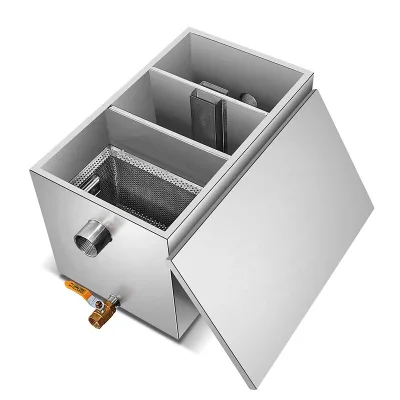

Stainless Steel Grease Trap for Catering Kitchen Wastewater Purification
$499.00 - $4000.00
MOQ: 1 Pieces
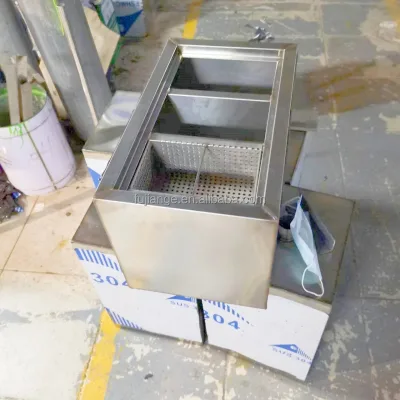
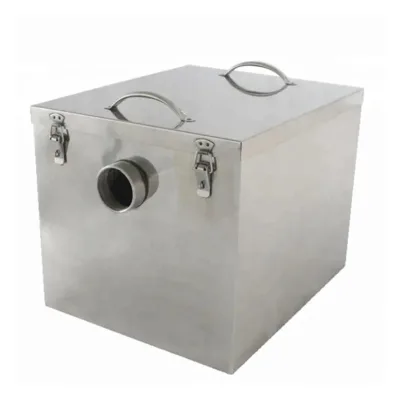
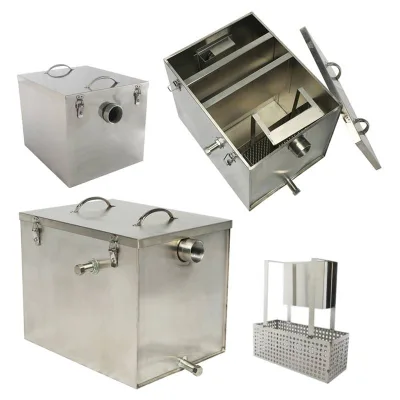
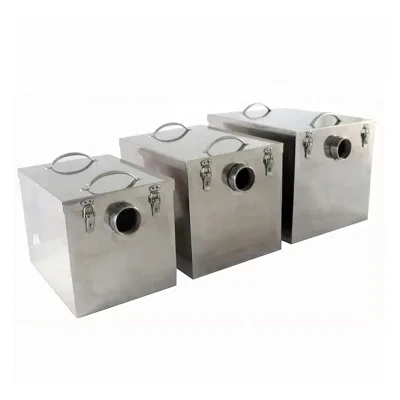

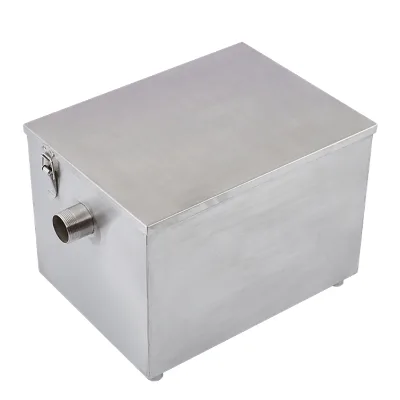
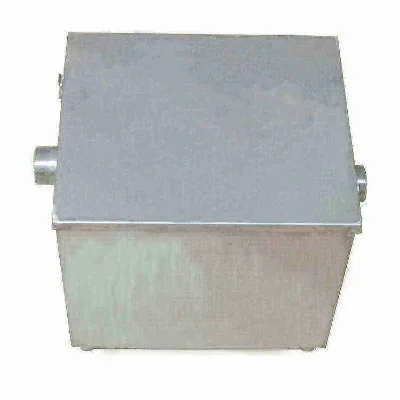
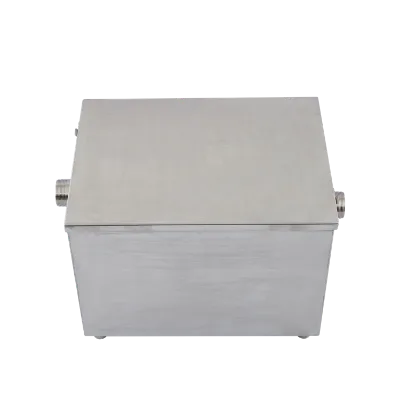
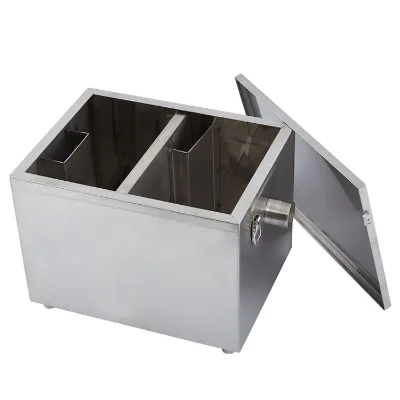
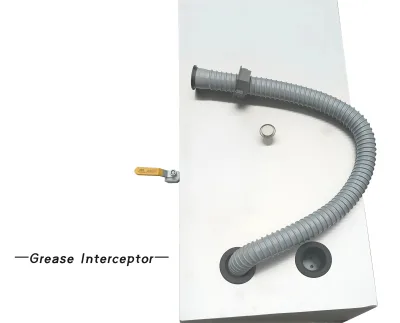
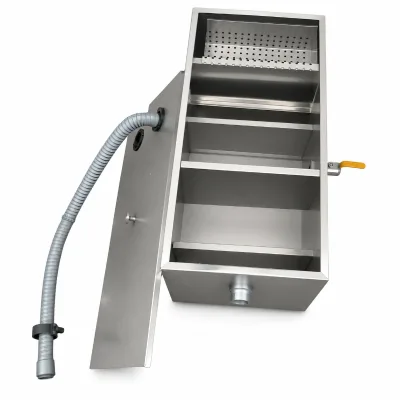
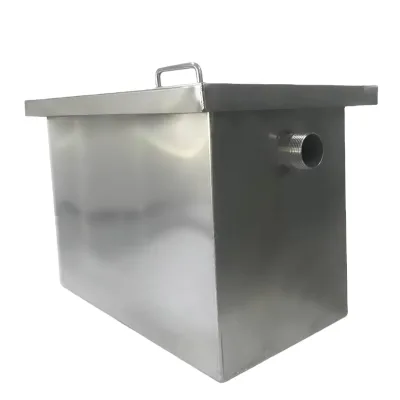
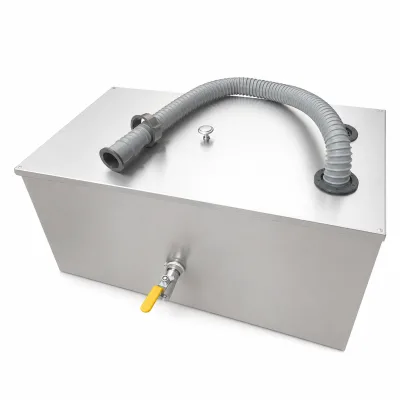
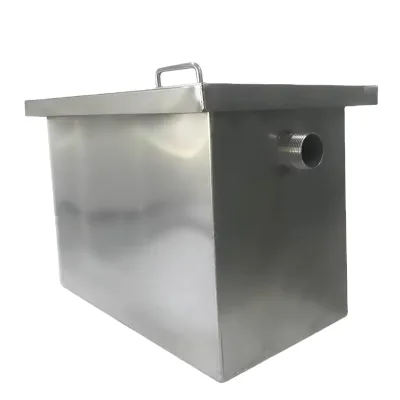
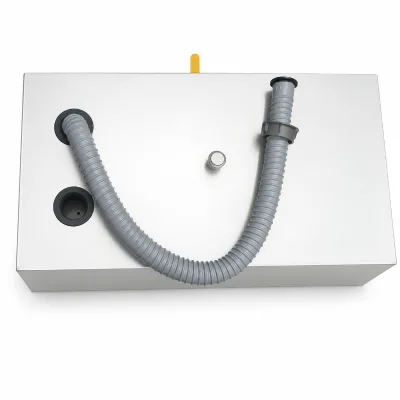
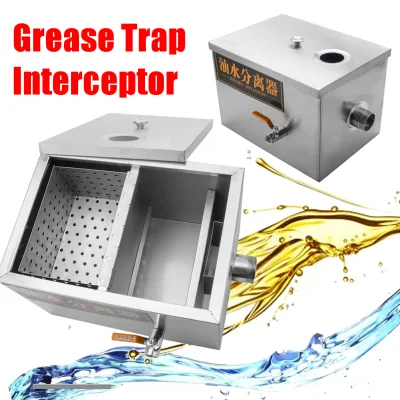
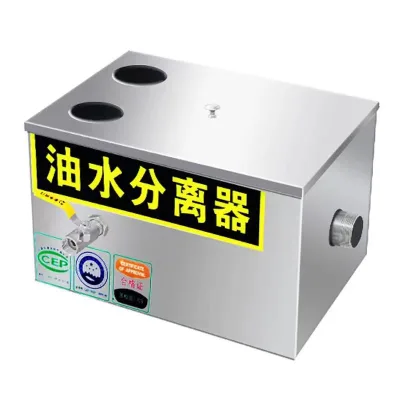
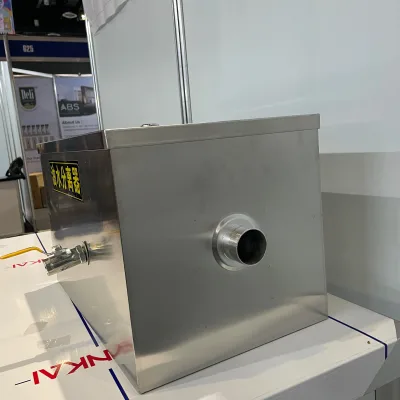
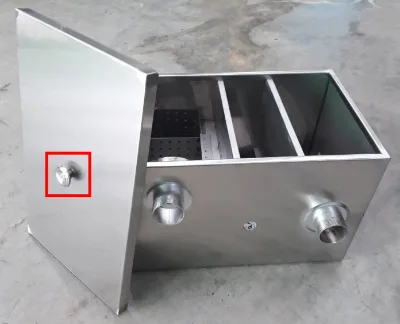


Stainless Steel Non-Power Kitchen Sink Grease Trap for Oil Water Separation
$54.00 - $58.00
MOQ: 30 Pieces
Comprehensive Sourcing Guide
Kitchen Stainless Steel Grease Trap Sourcing Guide
Procuring a Kitchen Stainless Steel Grease Trap requires careful evaluation of mechanical principles and structural design to ensure efficient wastewater management. Buyers should prioritize units that utilize ordinary mechanical filtration methods, as these are proven to separate fats, oils, and grease from industrial or commercial kitchen effluent effectively. The observed market offers mobile structures, which provide flexibility for installation in spaces with limited fixed plumbing infrastructure. This mobility allows for easier maintenance access and potential relocation if kitchen layouts change. When sourcing, verify that the product name explicitly identifies the unit as a grease trap or oil-water separator to avoid confusion with general drainage components.
The customization options available in the current supply chain allow buyers to tailor units to specific operational needs. Suppliers offer single, double, or triple-hole configurations, which dictate the number of sinks or fixtures the unit can service simultaneously. This structural variety is critical for matching the hydraulic load of different kitchen sizes. Additionally, the availability of custom sizes means that procurement teams are not restricted to standard dimensions, enabling precise integration into existing plumbing systems. Buyers must confirm whether the customization extends to the internal baffle design or only external dimensions, as internal geometry directly impacts separation efficiency and retention time.
Product Scope and Observed Listing Signals
The observed product listings indicate a wide range of specifications, with prices varying significantly from low-cost entry-level units to high-capacity industrial systems. The minimum order quantities (MOQ) observed range from one set to five hundred pieces, suggesting that suppliers cater to both small-scale boutique kitchens and large industrial facilities. Buyers should note that some listings specify an MOQ of just two pieces, which may indicate sample availability or small-batch production capabilities. Understanding these commercial signals helps in negotiating terms, especially for initial pilot orders or replacement parts. The supply ability varies, with some manufacturers offering up to one thousand sets per month, ensuring scalability for growing operations.
Color and material attributes are consistent across many listings, with silver being a common finish and stainless steel cited as the primary raw material. This material choice is essential for durability and hygiene in food service environments. Some listings specify stainless steel grades such as 201 or 304, which have different corrosion resistance properties. Buyers must verify the exact grade required for their specific application, as 304 is generally preferred for high-moisture, high-acid environments. The packaging details also vary, with options ranging from standard shipping packaging to wooden crates, which is crucial for protecting the units during transit. These signals help buyers assess the professionalism and logistical readiness of potential suppliers.
Technical Specifications to Verify
Thickness is a critical technical specification that directly impacts the longevity and structural integrity of the grease trap. Observed listings show thickness options of 0.8, 1.0, 1.2, and 1.5 millimeters, with thicker gauges generally offering better resistance to deformation and corrosion over time. Buyers should verify the actual thickness of the internal baffles and the outer shell, as these components endure the most stress. Standard dimensions such as 400x200x200 mm or 500x300x300 mm are common, but custom sizes are also available. It is vital to confirm the internal volume and flow rate capacity to ensure the unit can handle the peak wastewater output of the kitchen without overflow.
The model numbers and standard sizes listed, such as CT-YW005 or SSYF, serve as unique identifiers for technical support and spare parts ordering. Buyers should record these model numbers precisely to avoid compatibility issues during maintenance. The water inlet configuration, with some units featuring two inlets, affects the hydraulic balance and separation efficiency. Additionally, the method of treatment, described as combined treatment in some listings, suggests a multi-stage filtration process that may enhance performance. Verifying the exact inlet and outlet positions relative to the kitchen plumbing layout is essential to prevent installation errors. These technical details must be cross-referenced with the supplier’s engineering drawings before finalizing the purchase.
Compliance and Safety Documentation
Certification is a key factor in ensuring that the grease trap meets international safety and quality standards. Listings indicate that some products hold ISO and CE certifications, which are important for demonstrating compliance with European and global regulatory requirements. Buyers should request valid certification documents and verify their authenticity with the issuing bodies. The CE mark, in particular, is crucial for products intended for the European market, indicating conformity with health, safety, and environmental protection standards. Without proper documentation, buyers risk non-compliance with local building codes and environmental regulations, which can lead to fines or operational shutdowns.
The origin of the products, primarily from regions like Shandong and Guangdong in China, provides context for the manufacturing ecosystem. Buyers should understand that different regions may have varying levels of regulatory oversight and quality control practices. While the origin itself is not a guarantee of quality, it can influence the availability of certain certifications and the ease of communication. It is advisable to ask suppliers for detailed compliance reports specific to the model being purchased. Additionally, verifying that the materials used, such as stainless steel, are food-grade and non-toxic is essential for protecting public health. These documentation checks are non-negotiable for responsible procurement.
Cost Drivers and Commercial Terms
The price range of 1.5 to 4000 USD reflects the diversity in materials, size, and complexity of the grease traps available. Thicker stainless steel, larger dimensions, and more complex internal structures naturally drive up the cost. Buyers should analyze the cost per unit of volume or flow capacity to compare value across different models. The MOQ also plays a significant role in pricing, with lower MOQs often commanding a premium per unit. Understanding these cost drivers helps in budgeting and negotiating better terms, especially for bulk orders. Suppliers may offer discounts for larger quantities or long-term contracts, which can significantly reduce the total cost of ownership.
Delivery terms and lead times are critical commercial considerations that affect project timelines. Some listings specify a delivery time of 30 days, which is a standard benchmark for manufacturing and shipping. Buyers should confirm whether this lead time includes production, quality control, and logistics. The port of dispatch, such as YanTian, also influences shipping costs and transit times. Packaging details, including wooden packages or standard shipping packaging, add to the overall cost and must be factored into the budget. Clear communication about Incoterms and responsibility for customs clearance is essential to avoid unexpected expenses. These commercial terms must be clearly defined in the purchase agreement to prevent disputes.
Supplier Qualification and Quality Control
Supplier qualification involves assessing the manufacturer’s production capacity and quality management systems. Listings indicate supply abilities ranging from 500 to 1000 pieces per month, which suggests that many suppliers have established production lines. Buyers should verify the supplier’s ability to maintain consistent quality across batches, especially when ordering large quantities. The availability of after-sale services, such as online technical support, is a positive indicator of supplier reliability. Buyers should inquire about the supplier’s warranty policies and return procedures for defective units. A responsive and supportive supplier can mitigate risks associated with product failures or installation issues.
Quality control processes should be transparent and verifiable. Buyers should request information on the testing procedures used to ensure the grease traps meet performance standards. This may include leak tests, flow rate tests, and material composition analysis. The use of standardized packaging helps protect the units during transit, reducing the risk of damage. Buyers should also consider the supplier’s experience in the industry and their track record with similar clients. References or case studies can provide insights into the supplier’s reliability and product performance. Establishing a strong relationship with a qualified supplier ensures a smoother procurement process and better long-term support.
Long-Term Procurement Checks
Long-term procurement success depends on regular performance monitoring and maintenance planning. Buyers should establish a schedule for inspecting the grease traps to ensure they continue to operate efficiently. This includes checking for leaks, clogs, and wear on the internal components. The customization options available, such as specific sizes or configurations, should be documented for future reference to ensure compatibility with replacement parts. Maintaining a relationship with the supplier for ongoing support and spare parts availability is crucial for minimizing downtime. Regular feedback on product performance can also help in making informed decisions for future purchases.
Market trends and technological advancements in grease trap design should be monitored to stay competitive. New materials or filtration methods may offer improved efficiency or lower maintenance costs. Buyers should periodically review their procurement strategy to ensure it aligns with current operational needs and regulatory requirements. Engaging with industry forums or attending trade shows can provide insights into emerging solutions. Additionally, evaluating the total cost of ownership, including energy consumption and maintenance expenses, is essential for making sustainable procurement decisions. By staying informed and proactive, buyers can optimize their grease trap procurement strategy for long-term success.
FAQs
What materials are used for kitchen stainless steel grease traps?
Kitchen stainless steel grease traps are manufactured using high-quality stainless steel, specifically grades 201 or 304. These materials ensure durability and resistance to corrosion in industrial and commercial kitchen environments. The raw material selection supports long-term performance and hygiene standards required for food service facilities.
Can kitchen stainless steel grease traps be customized in size?
Yes, kitchen stainless steel grease traps offer customization options for size and structure. Buyers can select from various thicknesses such as 0.8, 1.0, 1.2, or 1.5 mm. The product accepts custom dimensions to fit specific installation requirements, ensuring a tailored solution for different kitchen layouts and operational needs.
What certifications do kitchen stainless steel grease traps hold?
Kitchen stainless steel grease traps typically hold ISO and CE certifications. These credentials verify that the products meet international quality and safety standards. Buyers can rely on these certifications to ensure compliance with regulatory requirements in various global markets, providing confidence in the product's manufacturing quality and safety.
What is the typical lead time for kitchen stainless steel grease traps?
The typical lead time for kitchen stainless steel grease traps is approximately 30 days. This delivery period allows for manufacturing and quality control processes. Buyers should plan their procurement schedules accordingly to ensure timely installation and operation within their commercial or industrial kitchen facilities.
How much is the minimum order quantity for kitchen stainless steel grease traps?
The minimum order quantity for kitchen stainless steel grease traps varies by supplier, ranging from 1 set to 500 pieces. Some suppliers list an MOQ of 2 or 5 pieces, while others may require larger bulk orders. Buyers should check specific supplier listings to determine the exact MOQ applicable to their purchase.
Where are kitchen stainless steel grease traps manufactured?
Kitchen stainless steel grease traps are primarily manufactured in China, with origins in regions such as Shandong and Guangdong. These manufacturing hubs provide access to robust supply chains and production capabilities. Buyers can source products from these locations, ensuring access to a wide variety of models and specifications.