Source Kitchen Storage Glass Bottle for Beverage, Candy, and Cooking Oil
Compare 30 Kitchen Storage Glass Bottle options from verified Chinese manufacturers. Buyers can evaluate high borosilicate glass jars with capacities ranging from 100ml to 5000ml, featuring hot stamping or screen printing for beverage, candy, and cooking oil applications.
Key considerations
Products List


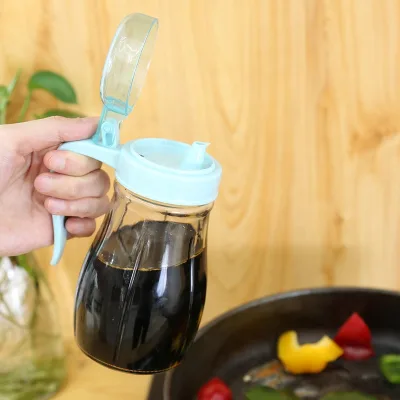
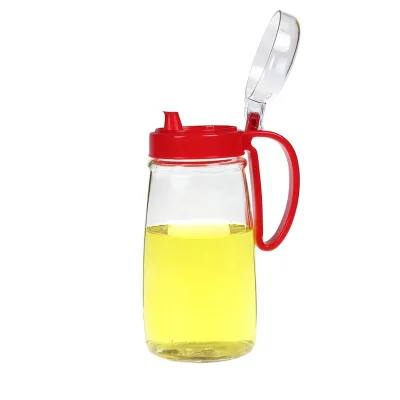


Cheap Glass Bottles Borosilicate Glass Airtight Kitchen Food Storage Jar
$1.69 - $2.20
MOQ: 500 Pieces

Promotional Kitchen Glassware 3 Size Glass Storage Tea Bottle with Cork
$0.80 - $1.00
MOQ: 1000 Pieces


High Quality Kitchenware Storage Jar Borosilicate Glass Jar with Different Lid
$0.60 - $1.80
MOQ: 3000 Pieces
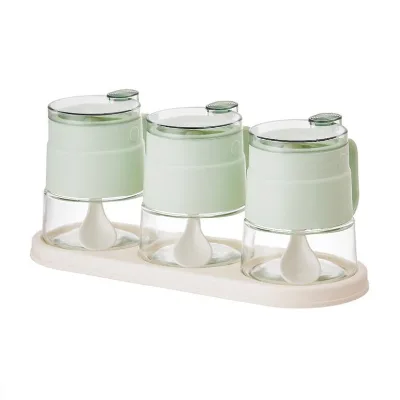


Comprehensive Sourcing Guide
Kitchen Storage Glass Bottle Sourcing Guide
Sourcing kitchen storage glass bottles requires a careful balance between aesthetic appeal, functional durability, and supply chain reliability. These containers serve as essential tools for organizing dry goods, preserving liquids, and enhancing kitchen aesthetics, making them a high-volume category for both retail and commercial buyers. The market offers a wide variety of options, ranging from simple transparent jars to customized designs with specific surface treatments. Buyers must navigate this diversity by focusing on material integrity, volume consistency, and supplier transparency to ensure that the final products meet their specific operational and branding needs.
The procurement process is influenced by several key variables, including glass type, capacity ranges, and customization capabilities. High borosilicate glass is a prevalent material choice due to its thermal resistance and clarity, while standard melt glass offers cost-effective solutions for general storage. Buyers should evaluate suppliers based on their ability to provide samples, their flexibility in order quantities, and their adherence to international trade terms. Understanding these foundational elements allows procurement teams to build a robust supplier base that can scale with demand while maintaining quality standards.
Product Scope and Observed Listing Signals
The current market landscape for kitchen storage glass bottles reveals a diverse range of product attributes that cater to different buyer segments. Listings frequently highlight specific volume capacities, with common ranges observed between 500ml and 1000ml, as well as larger options extending up to 5000ml. These variations allow buyers to select containers suitable for everything small spice jars to bulk storage bins. The shape is predominantly round, which optimizes stacking efficiency and shelf space utilization, while the bottleneck style is often designed as a jar opening to facilitate easy access to contents.
Surface handling techniques play a crucial role in the final product appearance and branding potential. Hot stamping and screen printing are commonly observed processes, enabling buyers to add logos, nutritional information, or decorative elements directly onto the glass. The color profile is typically transparent, allowing the contents to be visible, which is a key feature for consumer appeal in retail settings. Additionally, features such as recyclability and degradability are increasingly highlighted, reflecting a growing market demand for sustainable packaging solutions that align with environmental, social, and governance (ESG) goals.
Technical Specifications to Verify
Verifying technical specifications is critical to ensuring that the glass bottles meet functional requirements and withstand logistical stresses. Buyers should confirm the specific glass material, distinguishing between high borosilicate glass, which offers superior thermal shock resistance, and standard melt glass, which may be more suitable for ambient storage. The capacity range must be strictly verified, as discrepancies between stated and actual volume can lead to inventory management issues. Specifications such as 100-1000g or 300ml-500ml should be cross-referenced with physical samples to ensure consistency across production batches.
Customization options are a significant technical consideration for many buyers. Suppliers often offer customized sizes and models, such as JH-2019 or JH-290S, which may have distinct dimensional profiles. Buyers must verify the exact dimensions, including height, diameter, and base width, to ensure compatibility with existing labeling equipment, filling lines, or retail shelving. The presence or absence of accessories, such as handles or lids, should also be clearly defined. For instance, some listings indicate cups or jars without handles, while others may include cork lids or other sealing mechanisms that affect the overall functionality and storage life of the product.
Compliance and Safety Documentation
Compliance with food safety standards is non-negotiable for kitchen storage products. Buyers must request and verify certifications such as FDA and ISO, which indicate that the glass material and manufacturing processes meet international safety requirements. These certifications ensure that the glass is free from harmful leachables and is safe for direct contact with food and beverages. It is essential to confirm that the certifications are current and applicable to the specific product models being ordered, as standards can vary by region and product type.
In addition to material safety, buyers should inquire about the testing protocols used by suppliers to validate product integrity. While specific test results may not always be publicly listed, reputable suppliers should be able to provide data on thermal shock resistance, mechanical strength, and chemical stability. For products intended for export, compliance with destination-specific regulations, such as EU food contact material regulations, may also be required. Buyers should ensure that all documentation is provided in a format that is easily auditable and verifiable by third-party inspection agencies.
Cost Drivers and Commercial Terms
The cost of kitchen storage glass bottles is influenced by several factors, including material quality, customization complexity, and order volume. High borosilicate glass typically commands a higher price than standard glass due to its enhanced durability and thermal properties. Surface treatments like hot stamping or screen printing add to the unit cost, especially for complex designs or small batch sizes. Buyers should analyze the price range, which can vary significantly based on these variables, and negotiate terms that reflect the true value of the product.
Commercial terms and payment methods are also key components of the procurement strategy. Common trade terms include FOB, EXW, and CIF, each carrying different implications for shipping responsibility and risk. Buyers should choose the term that best aligns with their logistics capabilities and cost structure. Payment terms such as TT (Telegraphic Transfer) and PayPal are frequently offered, providing flexibility for different transaction sizes. Understanding these terms helps buyers manage cash flow and mitigate financial risks associated with international trade.
Supplier Qualification and Quality Control
Supplier qualification is a critical step in ensuring a reliable supply chain. Buyers should assess suppliers based on their production capacity, quality control processes, and ability to meet minimum order quantities (MOQs). MOQs can range widely, from small batches of 1000 pieces to large orders of 10,000 pieces, depending on the supplier’s operational model. Buyers must determine if their order volume aligns with the supplier’s MOQ to avoid excessive costs or production delays.
Quality control measures should be clearly defined and agreed upon before production begins. Buyers should request samples to evaluate the product’s physical attributes, such as clarity, shape consistency, and surface finish. Additionally, establishing a clear protocol for defect rates and return policies is essential. Suppliers that offer free samples and have a transparent communication channel are often more reliable partners. Buyers should also verify the supplier’s origin, with many manufacturers based in China, and ensure that they have the necessary infrastructure to support long-term partnerships.
Long-Term Procurement Checks
Long-term procurement success depends on continuous monitoring of supplier performance and market trends. Buyers should regularly review supplier compliance with agreed-upon standards and quality metrics. This includes periodic audits of production facilities and verification of ongoing certifications. Maintaining open communication with suppliers allows for early identification of potential issues, such as material shortages or production delays, enabling proactive mitigation strategies.
As market demands evolve, buyers should remain flexible in their product specifications and sourcing strategies. The increasing emphasis on sustainability may require a shift towards more eco-friendly materials or packaging options. Buyers should also stay informed about changes in trade regulations and logistics costs, which can impact the overall cost structure. By maintaining a dynamic and informed approach to procurement, buyers can ensure that their Kitchen Storage Glass Bottle supply chain remains resilient, cost-effective, and aligned with their business objectives.
FAQs
What materials are used for these glass bottles?
These bottles are made from high borosilicate glass, ensuring durability and heat resistance. The material is transparent and suitable for storing beverages, candy, and cooking oil in various capacities ranging from 100ml to 5000ml.
Can I customize the size and design of the bottles?
Yes, customization is available for size and design to meet specific needs. Buyers can request custom dimensions while maintaining the round shape and transparent color, with options for hot stamping or screen printing on the surface.
What is the minimum order quantity for these products?
The minimum order quantity varies by supplier but typically starts at 1000 pieces. Some listings indicate a range from 1 to 10000 units, allowing flexibility for different business scales and inventory requirements.
Are these bottles suitable for food storage applications?
Yes, the bottles are designed for daily use and food storage including beverages and candy. They feature recyclable and degradable properties, making them safe for storing items like cooking oil and gifts in a hygienic manner.
How are the products packaged for shipping?
Products are packed in carton boxes and placed on pallets for secure transport. This packaging method ensures the glass storage jars with cork lids remain intact during transit from the manufacturing origin in China to the destination.
What certifications do these glass bottles hold?
The products hold FDA and ISO certifications, confirming their safety and quality standards. These certifications apply to the high borosilicate glass material used, ensuring compliance for international trade and food contact applications.
What payment terms are accepted for these orders?
Accepted payment terms include TT and PayPal, providing secure transaction options for buyers. Trade terms such as FOB, EXW, and CIF are also available, allowing flexibility in shipping and cost management for global procurement.