Find Kitchen Storage Rack for Pantry, Wall, and Countertop
Explore 30 Kitchen Storage Rack options to compare materials like wood and metal, along with various sizes and mounting styles. This selection helps buyers identify suitable organizers for different kitchen layouts and storage needs; compare the available evidence and request quotations based on your requirements.
Key considerations
Products List


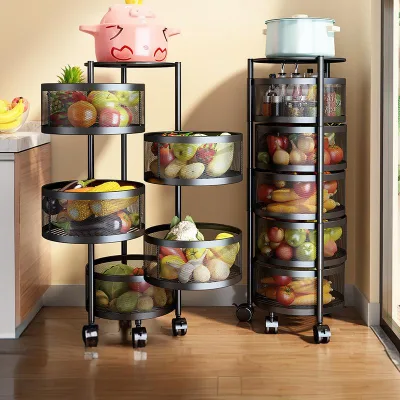


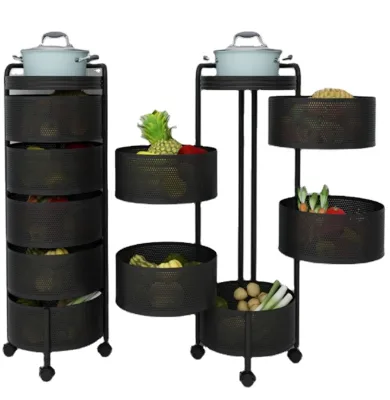

Comprehensive Sourcing Guide
Kitchen Storage Rack Sourcing Guide
The global market for kitchen storage racks presents a diverse array of options ranging from solid wood units with varnish finishes to modern metal and plastic designs. Buyers must navigate a landscape where product attributes vary significantly, including materials like wood, metal, and plastic, alongside specific styles such as modern or common shapes. Understanding these material distinctions is critical, as the choice between solid wood with a primary color finish and a lacquered metal unit directly impacts durability, aesthetic integration, and suitability for specific kitchen environments.
Procurement decisions should also account for the functional versatility observed in current listings, which include wall-mounted organizers, hanging units, and freestanding racks designed to save storage space. The observed product range spans from small, two-layer units to larger configurations that can be customized to specific dimensions. Buyers need to evaluate whether a standard medium-sized unit or a fully customized solution best fits their inventory requirements, ensuring the selected rack aligns with both the physical constraints of the kitchen and the intended usage patterns of the end consumer.
Product Scope and Observed Listing Signals
Current market listings indicate a wide spectrum of customization capabilities, with some suppliers offering fully customized dimensions and standards while others provide non-customized, fixed-size units. The observed product models range from specific identifiers like DW21-NI030 to generic codes such as 1439 and 1440, suggesting a fragmented supply chain where buyers must carefully match model numbers to their specific spatial and functional needs. This variability requires a rigorous review of product descriptions to confirm whether a unit is designed for disassembly or is a permanent, undisassembly fixture.
Packaging and condition standards also vary across the supply base, with most units arriving in cartons as new products, though some listings specify single packaging for individual units. The color palette observed includes black, grey, white, and brown, often paired with specific finishes like lacquer or varnish to enhance visual appeal and resistance to wear. Buyers should verify the folded versus unfolded state of the product, as some racks are designed to be compact when not in use, while others are intended as permanent, unfolded installations that maximize vertical storage space.
Technical Specifications to Verify
Dimensional accuracy is a primary technical concern, as observed listings show sizes ranging from small to medium, with some models explicitly stating that dimensions can be customized to meet specific project requirements. Buyers must verify the exact standard dimensions, such as the 30108 specification noted in certain listings, against their available kitchen space to ensure a proper fit. The mounting type is another critical specification, with options including wall-mounted and hanging configurations that require different installation approaches and structural support within the kitchen environment.
Material composition and construction techniques further define the technical profile of these storage solutions, with observed materials including solid wood, metal, and plastic. The presence of a lacquer or varnish finish on wooden units suggests a need for specific care instructions and durability expectations regarding moisture resistance. Additionally, the number of layers, such as the two-layer configuration observed in some models, dictates the storage capacity and organization efficiency, requiring buyers to assess whether the vertical stacking aligns with their inventory management goals.
Compliance and Safety Documentation
Regulatory compliance is a vital consideration, particularly for products intended for food-adjacent environments where material safety is paramount. Some observed listings explicitly mention CARB certification, indicating adherence to specific formaldehyde emission standards for wood-based products, which is essential for maintaining indoor air quality in residential and commercial kitchens. Buyers should request proof of such certifications for all wooden units to ensure they meet the necessary environmental and safety regulations of their target market.
Beyond material certifications, the condition and quality of the product must be verified through available documentation or third-party testing reports. While listings describe products as high quality and new, these are observations rather than guaranteed claims for every unit. Procurement teams should seek detailed quality assurance documents that confirm the structural integrity of the rack, the stability of the mounting hardware, and the safety of the surface finishes, ensuring that the product will not pose a risk of failure or injury during normal kitchen operations.
Cost Drivers and Commercial Terms
Pricing in this category is highly variable, with observed ranges spanning from 3 to 171 USD, driven largely by material costs, customization levels, and order volume. The minimum order quantity (MOQ) also fluctuates significantly, ranging from a single unit to 1500 pieces, which directly influences the unit cost and the feasibility of small-batch procurement. Buyers must analyze the trade-off between a lower MOQ and a higher per-unit price against the benefits of bulk purchasing, which often unlocks more competitive pricing tiers and reduces the overall cost of goods sold.
Lead times and delivery schedules are additional commercial factors that impact procurement planning, with observed delivery windows ranging from 15 to 30 days. These timelines can be extended if the order requires significant customization, such as specific dimensions or unique color finishes, which may necessitate a dedicated production run. Suppliers originating from regions like Shandong and Jiangsu in China may have different logistical capabilities, so buyers should clarify the exact delivery time and shipping terms to avoid delays in their supply chain operations.
Supplier Qualification and Quality Control
Supplier qualification should focus on verifying the origin and production capabilities of the manufacturer, as observed listings indicate origins in Shandong and Jiangsu, China. Buyers must assess the supplier's ability to maintain consistent quality across different product models, ensuring that the transition from standard to customized units does not compromise the structural integrity or finish quality. The presence of specific product models and standards in the listing suggests a level of established production, but direct verification of the factory's quality control processes is essential.
Quality control measures should include a rigorous inspection of the product condition, ensuring that items are delivered as new and free from defects. The disassembly feature, where applicable, requires careful testing to ensure that the components fit together securely and that the rack remains stable after assembly. Buyers should implement a sampling protocol to verify that the actual product matches the listed specifications regarding material, color, and finish, particularly when dealing with customized orders where deviations from the standard are more likely to occur.
Long-Term Procurement Checks
Sustainable procurement requires ongoing monitoring of supplier performance and product consistency over time. Buyers should establish a feedback loop to track any recurring issues with product quality, such as finish peeling or structural instability, which could indicate a systemic problem with the manufacturing process. Regular audits of the supplier's production lines and quality assurance protocols will help ensure that the high-quality standards observed in initial samples are maintained throughout the duration of the contract.
Future-proofing the supply chain involves staying informed about changes in material standards and customization capabilities. As market demands evolve, suppliers may introduce new materials or finishes, such as updated varnish colors or more durable metal alloys. Buyers should maintain open communication with their suppliers to anticipate these changes and adjust their product specifications accordingly, ensuring that the kitchen storage racks remain competitive and compliant with evolving industry standards and consumer expectations.
FAQs
What materials are used for kitchen storage racks?
Kitchen storage racks are commonly made from solid wood with varnish or primary color finishes. Some models also utilize metal or plastic materials to ensure durability. The specific material depends on the product model and customization options available from the manufacturer.
Can I customize the size of the storage rack?
Yes, the size of the Kitchen Storage Rack can be customized to meet specific requirements. While standard sizes like medium or small exist, many manufacturers offer tailored dimensions. This flexibility allows buyers to select a product that fits their unique kitchen space perfectly.
What is the typical delivery time for these racks?
The typical delivery time for kitchen storage racks ranges from 15 to 30 days. This lead time applies to standard orders and may vary based on customization needs. Buyers should confirm the exact schedule with the supplier before finalizing the purchase agreement.
Which certifications are available for wooden storage racks?
Some wooden kitchen storage racks carry CARB certification to ensure compliance with formaldehyde emission standards. This certification is particularly relevant for products made in China. Buyers seeking eco-friendly options should verify if the specific model includes this documented safety standard.
How are the storage racks packaged for shipping?
The storage racks are typically packaged in cartons for safe transport. Some items may come in single packaging while others use standard carton packing. This ensures the product arrives in new condition and protects the finish during international shipping to various global destinations.
What is the minimum order quantity for these racks?
The minimum order quantity varies by supplier but often starts at 100 pieces. Some vendors may accept orders as low as one unit, while others require up to 1500 pieces. Buyers should check the specific MOQ requirements for the desired model and customization level.
Are these racks suitable for wall mounting?
Yes, certain Kitchen Storage Rack models are designed for wall mounting. These units often feature a hanging or wall-mounted installation type to save storage space. Buyers should verify the mounting type and disassembly options to ensure compatibility with their kitchen layout.