Source Korean Style Dipping Dish for Restaurants, Hotels, and Catering
Explore 30 listings for Korean Style Dipping Dish options made from stainless steel 304. Buyers can compare custom sizes, compartment designs, and eco-friendly features suitable for restaurants, hotels, and catering services; compare the available evidence and request quotations based on your requirements.
Updated
Key considerations
Products List
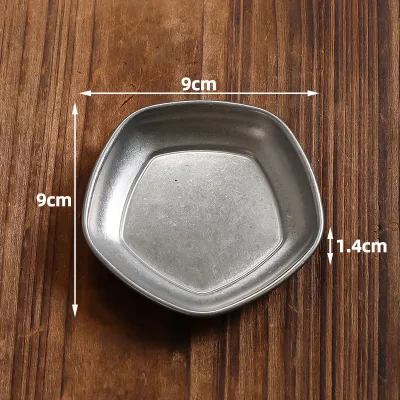
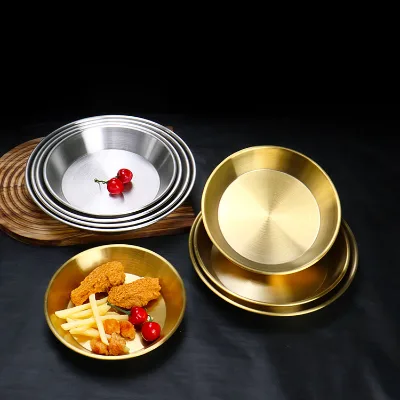
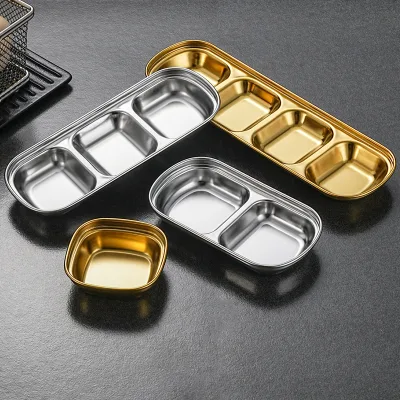
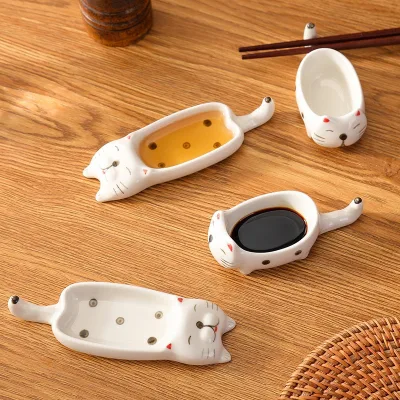
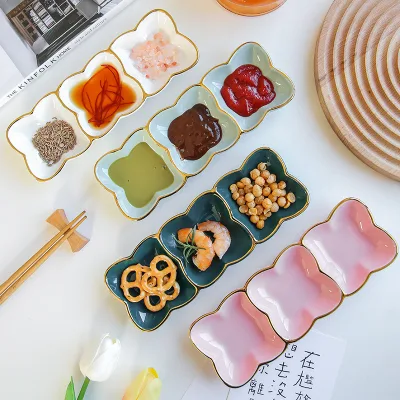
Japanese Style Cute Cat Ceramic Seasoning Dish Chopstick Holder Snack Dipping Dish
$0.715 - $0.8394
MOQ: 100 pieces


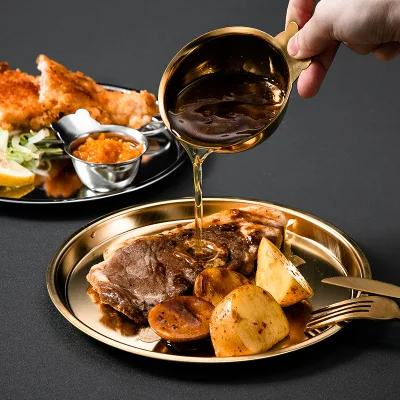
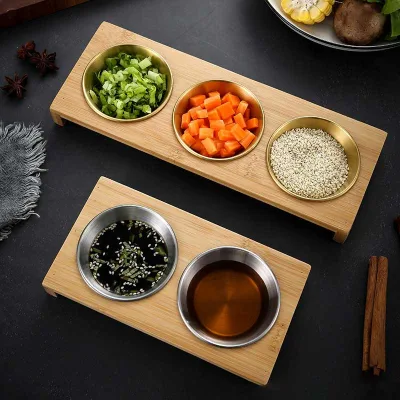
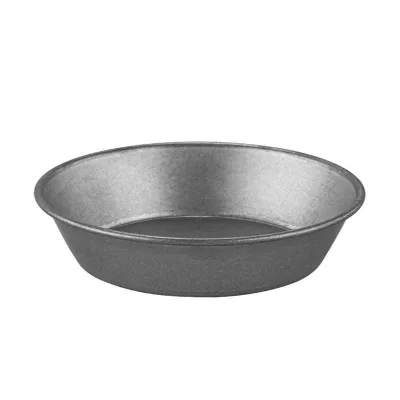


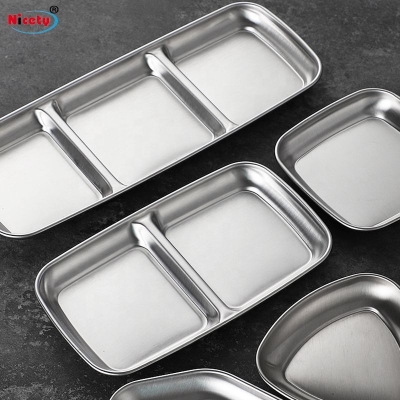


Comprehensive Sourcing Guide
Korean Style Dipping Dish Sourcing Guide
Sourcing Korean style dipping dishes requires identifying suppliers who specialize in stainless steel side dishes designed for restaurant and hotel environments. The market offers products labeled as "Korean stainless steel side dish" with specific applications in serving condiments and small portions. Buyers must distinguish between generic metal containers and those explicitly designed with the traditional round or square shapes associated with Korean dining aesthetics.
Procurement teams should verify that the product features align with high-volume food service needs, such as durability and dishwasher safety. The observed listings indicate a focus on eco-friendly materials and customized designs, which are critical for branding in competitive restaurant sectors. Ensuring the supplier can accommodate specific volume requirements and custom logo placements is essential for maintaining brand consistency across multiple locations.
Product Scope and Observed Listing Signals
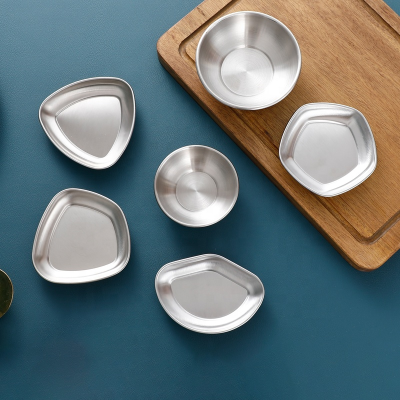
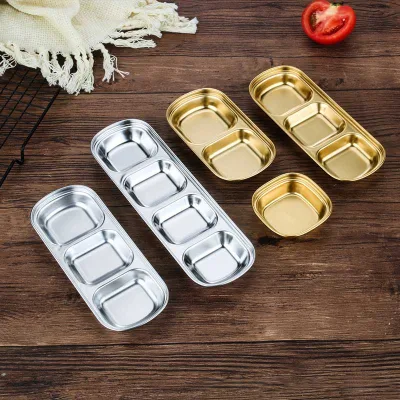
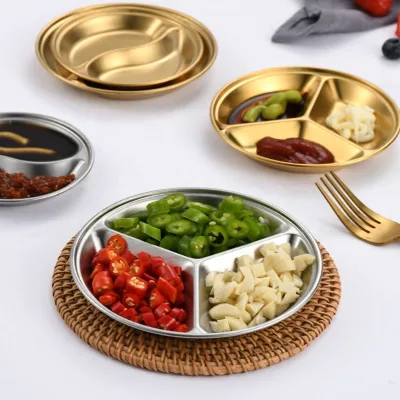
The product scope encompasses stainless steel containers available in various shapes, including round and square configurations, with diameters ranging from 3.5 inches to 30 centimeters. Listings frequently highlight features like "Eco-Friendly" and "Food Grade" status, alongside specific color options such as silver and gold finishes. These signals suggest a market segment focused on premium serving supplies that balance traditional aesthetics with modern hygiene standards.
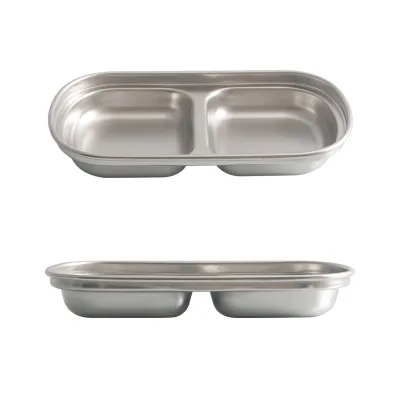
Buyers must carefully review the "Product Name" and "Usage" fields to confirm the item is intended for restaurant serving supplies rather than general storage. The presence of "Single compartment" or "Multi-compartment" variations indicates distinct functional uses for different types of sauces or side dishes. It is vital to cross-reference the "Style" attribute, which may vary between "Classic," "Modern," or "Korean" designations, to ensure the visual identity matches the intended dining concept.
Technical Specifications to Verify
Technical verification begins with confirming the material composition, specifically looking for "Stainless Steel 304" or general "Metal" classifications that ensure corrosion resistance. The diameter specifications are critical, with observed ranges including 18cm, 20cm, 22cm, and up to 30cm, alongside smaller 3.5-inch options. Buyers should request exact dimensional data for the "Single package size" to optimize shipping logistics and storage capacity in their facilities.
Surface finish and shape are equally important, with "Polished" techniques and "Round" or "Square" shapes being common observations. The "Dinnerware Type" is consistently listed as "Dishes & Plates," but the specific "Plate Type" may vary between solid patterns and compartmentalized designs. Procurement teams must validate that the "Single gross weight" and "Single volume" data provided by the supplier match the physical reality of the product to avoid discrepancies in freight calculations.
Compliance and Safety Documentation
Safety compliance is paramount for food contact items, requiring verification of "Food Contained Safe" and "Food Grade" certifications. While specific test results are not explicitly detailed in the provided context, buyers must demand documentation proving the stainless steel meets international food safety standards for direct contact with acidic or salty condiments. The "Eco-Friendly" claim should be backed by material safety data sheets that confirm the absence of harmful leaching agents.
Documentation should also address the "Dishwasher Safe" attribute, ensuring the product can withstand repeated high-temperature cleaning cycles without degrading. Suppliers must provide evidence that their "Customized Packing" methods do not introduce contaminants during transit. It is essential to confirm that the "Place of Origin," often listed as Guangdong, China, adheres to the export regulations and safety protocols required by the buyer's local jurisdiction.
Cost Drivers and Commercial Terms
Cost drivers in this category are heavily influenced by the material grade, specifically the distinction between standard stainless steel and 304 grade, as well as the complexity of the "Customized Designs." The "MOQ" ranges observed from 100 to 3000 pieces significantly impact the unit price, with lower quantities often commanding a premium. Buyers should analyze the "Selling Units" structure, which may be listed as single items, to understand the true cost per unit when ordering mixed styles or colors.
Commercial terms must clarify the "Sample" availability and the associated costs for "Customized Logo" and "Customized Color" requests. The "Packing" method, whether standard OPP bags or customized solutions, adds a variable cost that affects the final landed price. Procurement teams should negotiate based on the "Single volume" and "Single gross weight" to ensure accurate freight cost estimation, as these factors directly influence the total cost of ownership for large orders.
Supplier Qualification and Quality Control
Supplier qualification requires verifying the "Place of Origin" and ensuring the manufacturer has a proven track record in producing "Restaurant Serving Supplies." Buyers should assess the supplier's ability to handle "Customized Packing" and "Customized Designs" without compromising the structural integrity of the stainless steel. The "Technique" of polishing must be consistent across batches to maintain the aesthetic quality expected in high-end dining environments.
Quality control protocols must include checks for surface defects, such as scratches or uneven polishing, which can affect the "Silver" or "Gold" finish. Suppliers should demonstrate a robust process for verifying the "Shape" and "Diameter" tolerances to ensure uniformity across the order. It is advisable to request pre-shipment inspections that specifically test the "Dishwasher Safe" claim and the durability of the "Eco-Friendly" materials under real-world usage conditions.
Long-Term Procurement Checks
Long-term procurement success depends on establishing a reliable supply chain for "Korean stainless steel side dish" products that can scale with business growth. Buyers should monitor the supplier's ability to maintain consistent "Color" and "Style" attributes over time, especially when reordering "Customized Logo" items. The "Stocked" status of certain items can be a strategic advantage, allowing for faster replenishment of high-turnover inventory without long lead times.
Continuous evaluation of the supplier's responsiveness to "Customized" requests is necessary to adapt to changing menu trends or branding requirements. Procurement teams should track the "Lead Time" and "MOQ" flexibility to ensure the supply chain remains agile. Regular audits of the "Food Contained Safe" status and material consistency will help prevent quality drift and ensure the products continue to meet the rigorous standards of the restaurant and hotel sectors.
FAQs
What materials are used for Korean stainless steel side dishes?
These dishes are primarily crafted from stainless steel, including specific grades like 304 stainless steel, ensuring durability and food safety. The material is polished for a sleek finish and is often described as eco-friendly and food-grade. This construction supports repeated use in restaurant settings while maintaining hygiene standards for serving side dishes.
Can I customize the size and design of these dishes?
Yes, custom sizes are accepted, with standard diameters ranging from 18cm to 30cm. Buyers can also request customized designs, patterns, and colors, including silver or gold finishes. The supplier accommodates specific requirements for shape, such as round or square options, allowing for tailored solutions that fit unique branding or functional needs.
What is the minimum order quantity for these stainless steel dishes?
The minimum order quantity varies by supplier, typically ranging from 100 to 3000 pieces. Some listings specify an MOQ of 100pcs, while others require 200pcs or higher. Buyers should verify the specific MOQ with the manufacturer, as it depends on the customization level and production capacity of the chosen supplier in Guangdong, China.
Are these dishes suitable for commercial restaurant use?
Yes, these dishes are explicitly designed for restaurant serving supplies and commercial applications. They are durable, dishwasher-safe, and food-contained safe, making them ideal for high-volume environments. The sturdy stainless steel construction ensures they withstand frequent washing and heavy use, providing a reliable solution for hotels, weddings, and professional dining establishments.
Is sample availability offered for bulk orders?
Samples are available for buyers to evaluate quality before placing bulk orders. This allows customers to inspect the polished finish, material thickness, and overall design accuracy. Securing a sample helps ensure the product meets specific requirements for color, shape, or compartmentalization, reducing risk and confirming suitability for the intended restaurant or event application.
What packaging options are provided for these side dishes?
Packaging can be customized to meet specific shipping or branding needs. Standard options may include OPP bags for individual protection, while bulk shipments can utilize customized packing solutions. This flexibility ensures safe transit and allows buyers to align packaging with their distribution strategy, whether for direct retail, hotel supply, or wholesale distribution channels.