Source Korean Cast Iron Charcoal Grill for Camping, Events, and Backyards
Find 30 Korean Cast Iron Charcoal Grill options from verified Chinese suppliers. Compare adjustable heights, sizes, and materials like stainless steel and cast iron for outdoor cooking needs. Explore portable designs, round shapes, and various finishing options to suit different grilling styles and capacity requirements for your specific business.
Updated
Key considerations
Products List
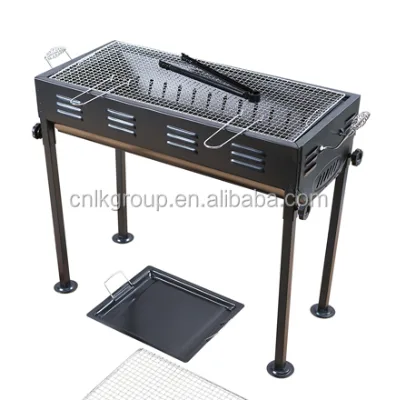
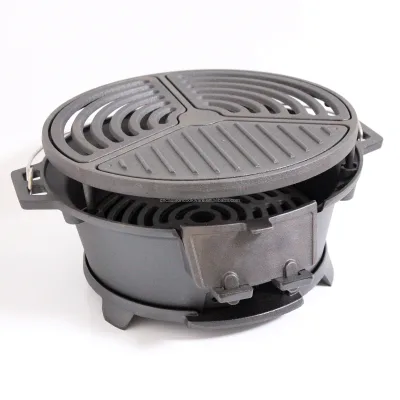
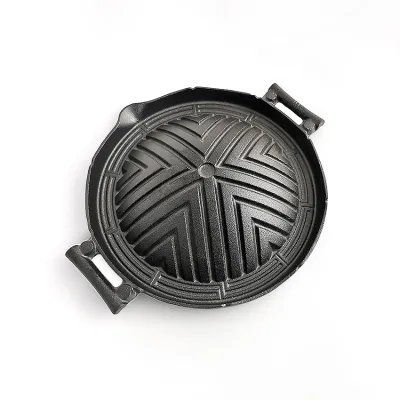
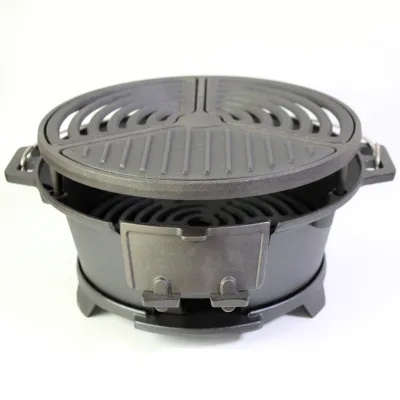
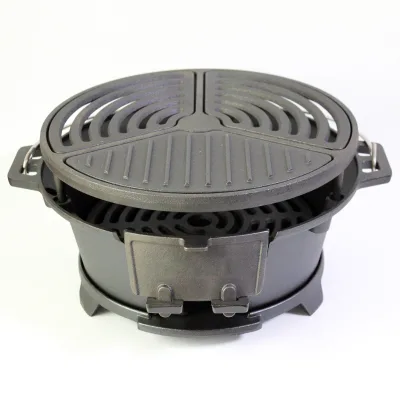

Cast Iron Charcoal Grill Pre-Seasoned Cast Iron Portable Charcoal Grill
$15.00 - $25.00
MOQ: 100 Pieces

Outdoor Cast Iron Hibachi Barbecue Charcoal Grill Cast Iron Grill Stove
$15.00 - $25.00
MOQ: 100 Pieces
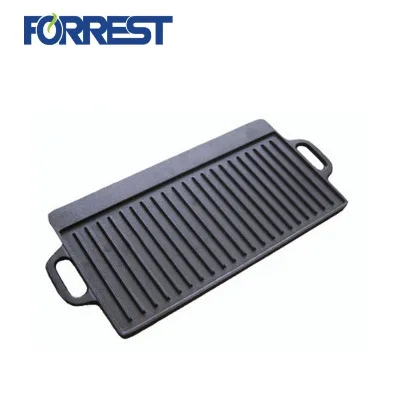
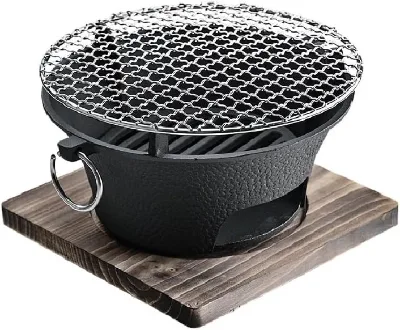
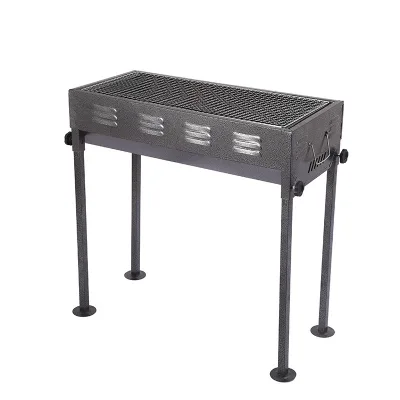


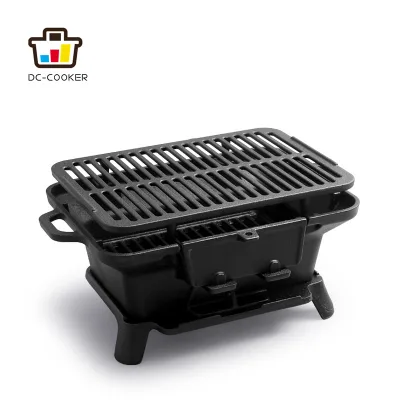


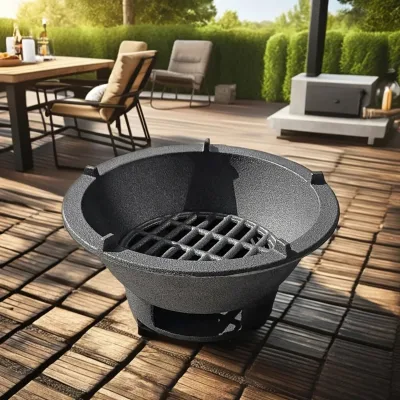
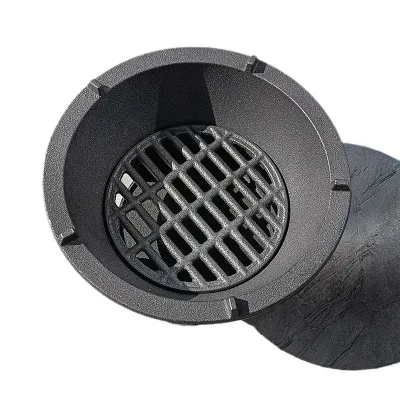
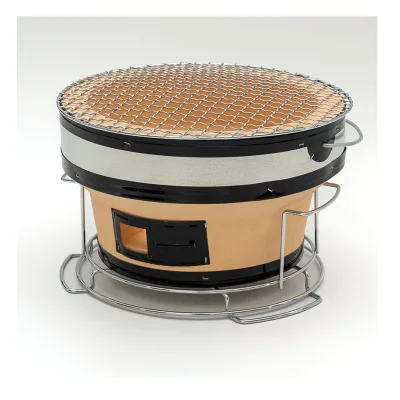

2023 Popular Useful Japanese BBQ Grill Cast Iron Hibachi Charcoal Outdoor Grill
$22.00 - $24.00
MOQ: 100 Sets


High Quality BBQ Cooking Black Height-Adjustable Cast Iron Charcoal Barrel Grill
$9.00 - $11.00
MOQ: 10 Pieces


High Quality Smokeless Camping Tabletop Barbecue Grill with Active Ventilation
$19.00 - $21.00
MOQ: 10 Pieces
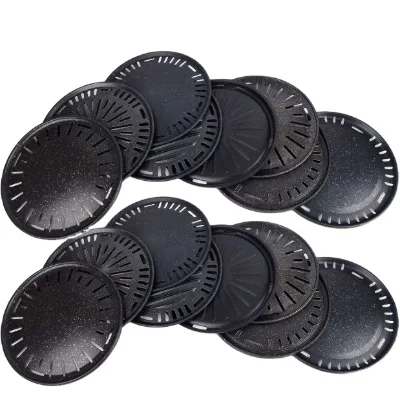
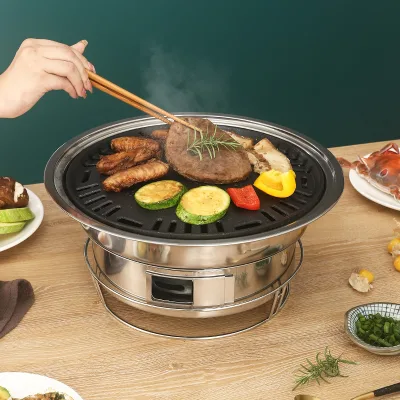

$1.00 - $100.00
MOQ: 440 Pieces


Comprehensive Sourcing Guide
Korean Cast Iron Charcoal Grill Sourcing Guide
Sourcing Korean-style cast iron charcoal grills requires a nuanced understanding of material properties, manufacturing origins, and specific design features that distinguish these products from standard outdoor cooking equipment. Buyers must navigate a market where terms like "hibachi," "vertical korean bbq," and "portable charcoal grill" are often used interchangeably, yet refer to distinct product categories with varying performance characteristics. The core keyword suggests a focus on traditional aesthetics combined with modern portability, a trend increasingly popular in both residential and commercial hospitality sectors. Understanding these distinctions is critical for aligning procurement goals with supplier capabilities, ensuring that the final product meets both functional requirements and brand expectations.
This guide provides a structured approach to evaluating suppliers and products based on observed market data and technical specifications. It emphasizes the importance of verifying material composition, such as the use of cast iron versus stainless steel, and examining finishing processes like galvanization or coating treatments. By focusing on concrete attributes such as dimensions, weight, and assembly methods, buyers can make informed decisions that mitigate risk and enhance product quality. The following sections detail the essential steps for validating supplier claims, assessing compliance, and establishing sustainable procurement practices for this specialized category of outdoor cooking appliances.
Product Scope and Observed Listing Signals
The current market landscape for Korean cast iron charcoal grills reveals a diverse range of product types, from portable vertical designs to round hibachi-style griddles. Observed listings indicate a strong presence of products originating from Zhejiang and Hebei provinces in China, highlighting the region's dominance in metal fabrication and grill manufacturing. Key product attributes frequently cited include adjustable height mechanisms, easy assembly features, and materials ranging from general metal to specific cast iron constructions. These signals suggest that buyers should prioritize suppliers who offer customizable options, such as branded packaging or specific size modifications, to meet unique market demands.
Price points and minimum order quantities (MOQs) vary significantly, reflecting the complexity of manufacturing and the level of customization required. Listings show MOQs ranging from 300 to 1000 pieces, with supply abilities reaching up to 30,000 pieces per month for established manufacturers. This variability underscores the need for buyers to align their order volumes with supplier capacity and production timelines. Additionally, the presence of features like flame safety devices and high-pressure protection in some listings indicates a growing emphasis on safety and user experience, which should be a key consideration when evaluating product scope and potential market fit.
Technical Specifications to Verify
Verifying technical specifications is paramount to ensuring product quality and functionality. Buyers should meticulously review dimensions, such as the 70.53070cm size for portable models or the 36cm diameter for round hibachi grills, to ensure they fit intended usage scenarios. Material composition is another critical factor; while some products are labeled as metal, others specify cast iron or stainless steel, each offering different heat retention and durability properties. It is essential to confirm the exact metal type and any exterior coatings, such as galvanization or the absence of coating, to prevent issues like rust or uneven heating during use.
Additional technical details, including weight and packaging dimensions, impact logistics and handling efficiency. For instance, a single gross weight of 8.0 kg for a round grill influences shipping costs and ease of assembly for end-users. Buyers should also verify model numbers, such as LKOG-1008 or GV-HG36R, to track specific product iterations and ensure consistency in future orders. Features like adjustable height and easy cleaning mechanisms should be validated through sample testing or detailed technical drawings. Confirming these specifications helps avoid discrepancies between ordered and delivered goods, ensuring that the final product meets all functional and aesthetic requirements.
Compliance and Safety Documentation
Safety is a critical component of grill procurement, especially for products involving open flames and high temperatures. Buyers must request comprehensive safety documentation from suppliers, including test reports for flame safety devices and high-pressure protection mechanisms where applicable. These documents should verify that the grills meet relevant international safety standards, although specific standard numbers must be confirmed with the supplier. Ensuring that safety features are not just listed but certified is essential for mitigating liability and ensuring user safety, particularly in commercial settings where regulations are stricter.
In addition to safety certifications, buyers should inquire about material safety and environmental compliance. While some listings mention eco-friendly features, specific certifications like FDA or LFGB for food-contact surfaces should be verified. It is also important to check for any hazardous material restrictions, such as RoHS or REACH compliance, depending on the target market. Suppliers should provide clear information on the sourcing of raw materials and the manufacturing processes used to ensure that the final product is free from harmful substances. This due diligence helps protect brand reputation and ensures that the products can be legally sold in various jurisdictions.
Cost Drivers and Commercial Terms
Understanding the cost drivers associated with Korean cast iron charcoal grills is essential for effective budgeting and negotiation. Key factors influencing price include the type of material used, such as cast iron versus stainless steel, and the complexity of the design, such as adjustable height mechanisms or portable features. Finishing processes like galvanization or specific color coatings also add to the production cost. Buyers should request detailed cost breakdowns to understand how these elements contribute to the final price, allowing for more informed negotiations and better value assessment.
Commercial terms, including MOQs and payment conditions, significantly impact procurement strategy. Observed MOQs range from 300 to 1000 pieces, which may require buyers to adjust their order volumes or consolidate shipments to achieve economies of scale. Payment terms should be negotiated to balance risk and cash flow, with options like letters of credit or partial payments being common in international trade. Additionally, buyers should consider the total landed cost, including shipping, duties, and insurance, to accurately assess the profitability of the product. Clear communication of these terms with suppliers helps avoid unexpected costs and ensures a smooth procurement process.
Supplier Qualification and Quality Control
Supplier qualification is a critical step in ensuring the reliability and consistency of Korean Cast Iron Charcoal Grill supplies. Buyers should conduct thorough due diligence on potential suppliers, verifying their business licenses, manufacturing capabilities, and quality management systems. Visiting the factory or hiring third-party inspection services can provide valuable insights into production processes and quality control measures. It is also important to assess the supplier's ability to meet specific customization requests, such as branding or packaging modifications, which are often required for market differentiation.
Quality control should be integrated into the procurement process from the initial sample stage to final shipment. Buyers should establish clear quality standards and inspection criteria, including checks for material thickness, surface finish, and functional performance. Regular audits and random inspections during production can help identify and address issues early, reducing the risk of defective products. Additionally, suppliers should be required to provide pre-shipment inspection reports and certificates of conformity. By maintaining rigorous quality control standards, buyers can ensure that the products meet their expectations and deliver a positive experience to end-users.
Long-Term Procurement Checks
Establishing long-term procurement checks is essential for maintaining product quality and supplier performance over time. Buyers should implement a structured review process to evaluate supplier reliability, product consistency, and market feedback. Regular performance assessments, including on-time delivery rates and defect rates, help identify areas for improvement and strengthen the supplier relationship. It is also important to stay updated on market trends and regulatory changes that may impact product requirements, ensuring that the procurement strategy remains aligned with business goals.
Continuous improvement should be a core principle of long-term procurement. Buyers should encourage suppliers to innovate and enhance product features, such as improving ease of assembly or enhancing safety mechanisms. Feedback from end-users and market analysis can provide valuable insights for product development and refinement. Additionally, maintaining open communication with suppliers fosters collaboration and trust, leading to better outcomes for both parties. By focusing on long-term relationships and continuous improvement, buyers can secure a competitive advantage and ensure the sustained success of their Korean Cast Iron Charcoal Grill offerings.
FAQs
What are the key features of the L&K portable bbq grill?
The L&K portable bbq grill features adjustable height, easy assembly, and easy cleaning capabilities. It is constructed from metal with a galvanized finish and measures 70.5 by 30 by 70 cm. This model, identified as LKOG-1008, is designed for outdoor use and includes safety devices like flame safety and high-pressure protection for secure operation.
Can I customize the brand name on the portable charcoal grill?
Yes, customization of the brand name is available for the portable charcoal grill. The product page indicates that the brand name can be customized, allowing buyers to apply their own branding. This service supports businesses looking to market the grill under their own label while maintaining the standard specifications and quality associated with the original manufacturer.
What is the minimum order quantity for the round charcoal grill?
The minimum order quantity for the round charcoal grill varies by model. One model requires a minimum of 300 pieces, while another specific round cast iron hibachi grill has a minimum order of 1000 pieces. Buyers should verify the specific MOQ for their chosen model number, such as GV-HG36R or GV-101, to ensure compliance with supplier requirements.
How is the portable bbq grill packaged for shipping?
The portable bbq grill is packaged in a color box, with one piece per box. Customized packaging options are also available to meet specific buyer needs. The standard packing ensures safe transport, and the single package size for certain models is approximately 55 by 25 by 20 cm, facilitating efficient logistics and storage for international shipments.
What material is used for the round charcoal hibachi grill?
The round charcoal hibachi grill is primarily made of cast iron. This material provides excellent heat retention and durability for barbecue use. The hand grip is also constructed from cast iron, ensuring a sturdy build. The exterior coating is noted as having no coating, which is typical for cast iron cookware that requires seasoning for optimal performance and non-stick properties.
Where is the portable charcoal grill manufactured?
The portable charcoal grill is manufactured in Zhejiang, China. Another model, the round charcoal hibachi grill, originates from Hebei, China. These locations indicate the production hubs for these specific grill types, allowing buyers to consider regional manufacturing capabilities and logistics when sourcing products from Chinese suppliers for their business needs.