Source Korean Style Divided Sauce Plate for Hotel Restaurant Home
Compare 30 Korean Style Divided Sauce Plate options from verified Chinese suppliers. Buyers can evaluate materials like stainless steel and ceramic, MOQs ranging from 30 to 3000 pieces, and features such as eco-friendly design and custom logos for hotel, restaurant, and home use.
Updated
Key considerations
Products List



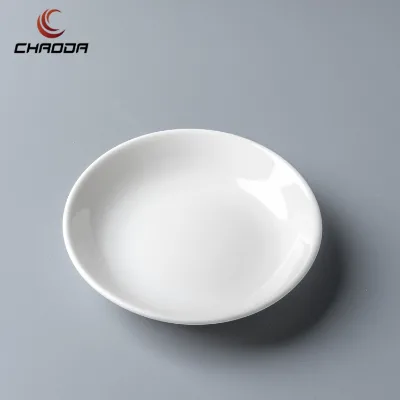
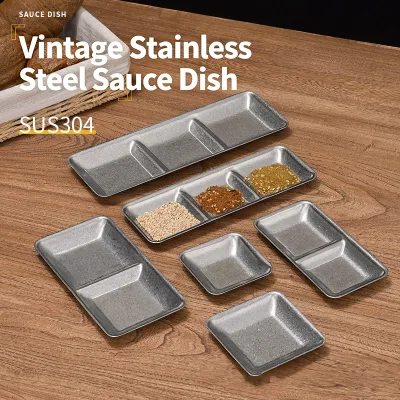
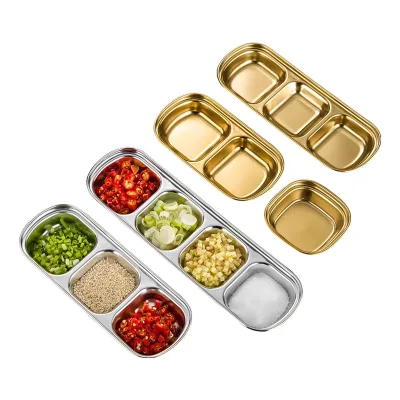
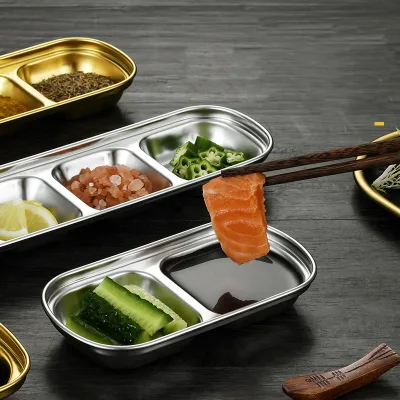
Comprehensive Sourcing Guide
Korean Style Divided Sauce Plate Sourcing Guide
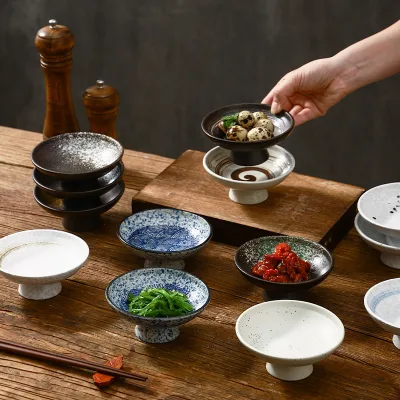
Sourcing Korean style divided sauce plates requires a nuanced understanding of material durability, aesthetic alignment, and functional design. These plates are essential for serving dipping sauces in restaurants, hotels, and home dining settings, where presentation and hygiene are paramount. Buyers must distinguish between ceramic, stainless steel, and melamine options, as each material offers distinct advantages regarding weight, breakage resistance, and thermal properties. The choice of material directly impacts the user experience and the longevity of the product in high-traffic commercial environments.
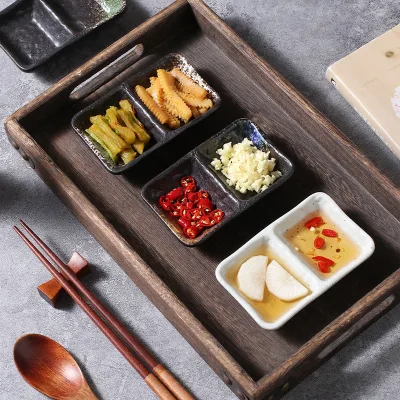
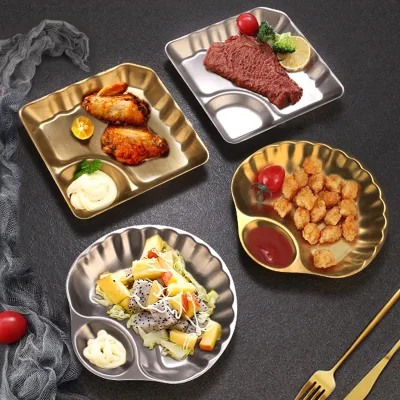
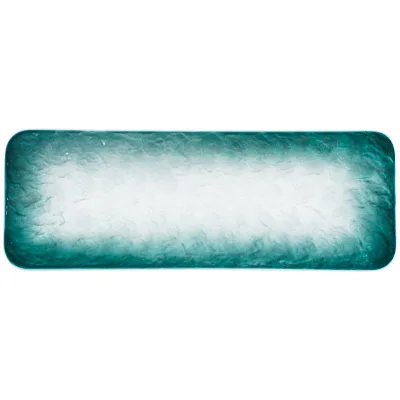
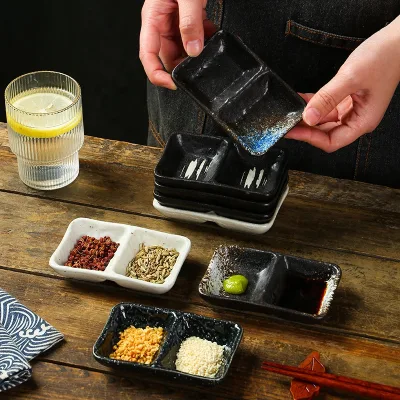
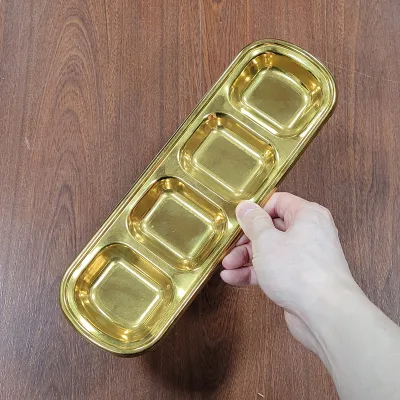
The visual appeal of these plates often draws from Japandi or traditional Korean aesthetics, featuring clean lines and minimalist designs. Colors typically range from neutral tones to metallic finishes like gold and silver, allowing for versatile table settings. Buyers should verify the specific style attributes, such as rectangular shapes or specific compartment layouts, to ensure they match their brand identity. Understanding these stylistic nuances helps in selecting products that resonate with target customers while maintaining practical utility for both staff and diners.
Product Scope and Observed Listing Signals
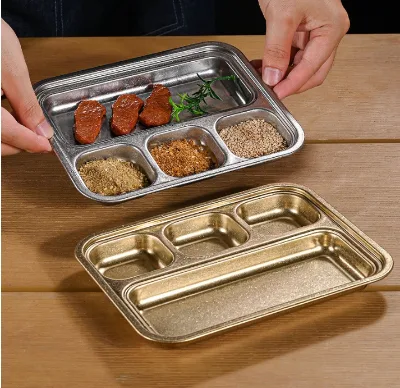
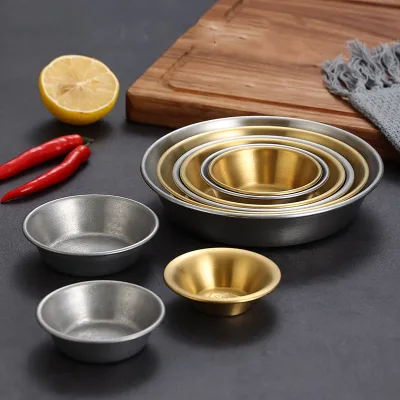
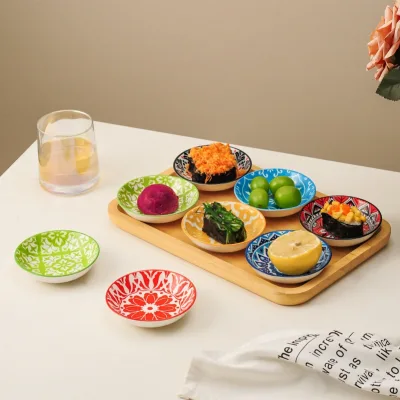
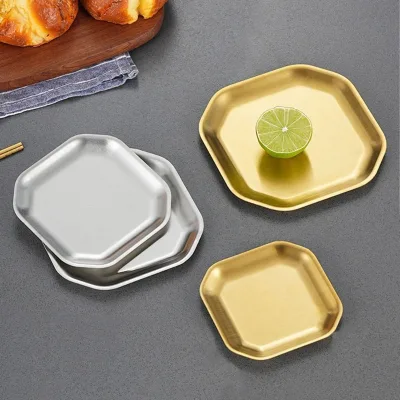
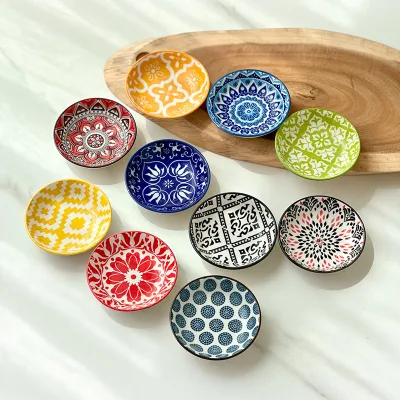
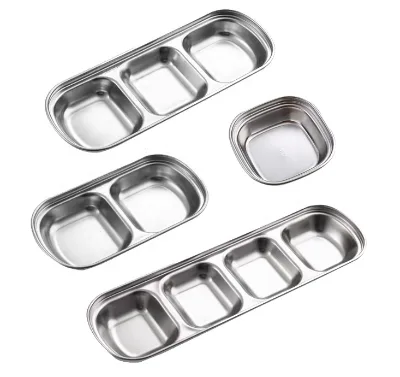
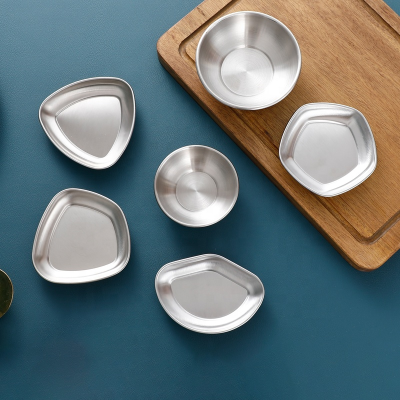
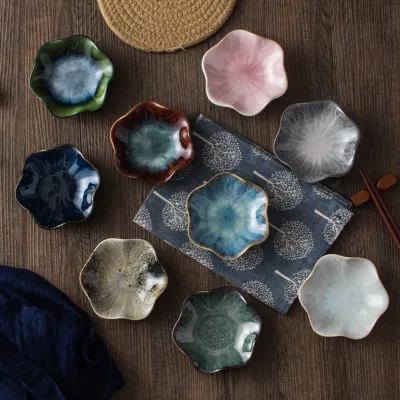
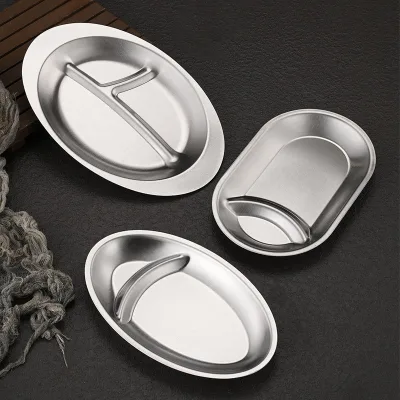
The market for divided sauce plates includes a variety of materials, with stainless steel 304 and ceramic being prominent options. Stainless steel variants often highlight durability and an eco-friendly profile, suitable for heavy-use environments. Ceramic plates, particularly those with on-glazed techniques, offer a refined look and are available in multiple colors, including customized patterns. Melamine options provide a lightweight, non-disposable alternative that is also stocked for immediate availability. Each material type serves different procurement needs, from high-end dining to casual hospitality settings.
Listing signals indicate a wide range of minimum order quantities (MOQs), from as low as 30 pieces to 3000 pieces, catering to both small boutique orders and large-scale institutional purchases. Prices observed in the market range significantly, reflecting differences in material quality, customization levels, and packaging. Some suppliers offer single-item selling units with protective foam packaging, while others provide bulk master box configurations. Buyers should carefully review the product specifications, such as dimensions and weight, to ensure compatibility with their existing inventory and logistics infrastructure.
Technical Specifications to Verify
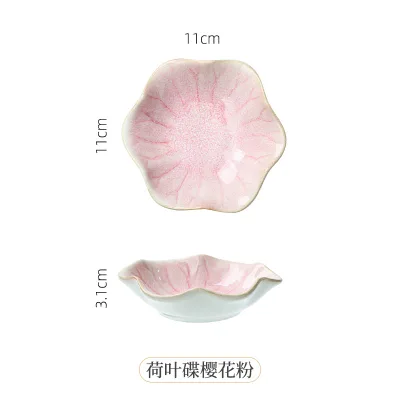
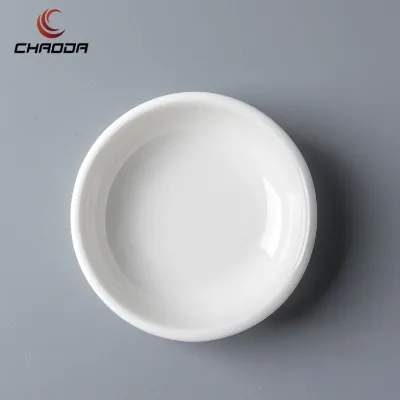
Dimensional accuracy is critical for divided sauce plates, especially when they are part of a coordinated tableware set. Standard sizes may vary, with some plates measuring approximately 11x7x2.3 cm or having a diameter of 4.25 inches. Buyers must verify the single package size and gross weight to calculate shipping costs accurately. For instance, a ceramic plate might have a single gross weight of 0.300 kg, which affects palletization and freight efficiency. Confirming these physical attributes prevents unexpected storage issues and ensures that the plates fit well within standard serving trays and dishwashers.
Model numbers and technical standards, such as 97mmX97mmX20mm, provide a precise reference for reordering and quality consistency. Suppliers often use specific model codes, like CF202408050003 or WT-030-028, to identify unique product features. Buyers should request detailed technical drawings or specification sheets to confirm the exact compartment sizes and depth, which influence sauce capacity and spill resistance. Verifying these details ensures that the purchased plates meet the functional requirements of the intended use, whether for individual dipping or shared condiment service.
Compliance and Safety Documentation
Food safety certifications are non-negotiable for any tableware intended for direct food contact. Buyers should verify that suppliers hold recognized certifications such as CE/EU and FDA, which indicate compliance with international safety standards. These certifications ensure that the materials used, whether ceramic, stainless steel, or melamine, do not leach harmful substances into food. Documentation should be current and verifiable, providing assurance that the products are safe for use in restaurants, hotels, and homes. Without proper certification, products may face regulatory hurdles or reputational damage in strict markets.
In addition to material safety, buyers should inquire about the manufacturing processes and quality control measures implemented by the supplier. On-glazed techniques and other finishing methods should be tested for durability and resistance to chipping or fading. Eco-friendly claims should be supported by evidence, such as recyclable packaging or sustainable sourcing practices. Understanding the full scope of compliance helps buyers mitigate risk and align their procurement with corporate social responsibility goals. Clear documentation also facilitates smoother customs clearance and reduces the likelihood of product recalls.
Cost Drivers and Commercial Terms
The cost of divided sauce plates is influenced by material selection, customization options, and order volume. Stainless steel and ceramic plates may have higher base costs due to material and manufacturing expenses, while melamine offers a more budget-friendly alternative. Customized logos and patterns add to the cost, requiring additional setup fees and longer lead times. Buyers should negotiate clear pricing tiers based on MOQs, which can range from 1000 pieces to 3000 pieces for certain items. Understanding these cost drivers allows for more accurate budgeting and prevents unexpected expenses during the procurement process.
Commercial terms, including packaging and shipping arrangements, also impact the total cost of ownership. Protective packaging, such as foam or inner boxes, is essential to prevent damage during transit but adds to the overall weight and volume. Buyers should clarify whether packaging costs are included in the unit price or billed separately. Additionally, lead times for customized orders can vary significantly, affecting inventory planning and cash flow. Establishing clear terms for samples, payment, and delivery ensures a transparent and efficient procurement experience, minimizing disruptions to supply chain operations.
Supplier Qualification and Quality Control
Supplier qualification is a critical step in ensuring the reliability and consistency of divided sauce plate orders. Buyers should assess the supplier’s production capacity, quality management systems, and track record in the industry. Suppliers located in regions like Zhejiang and Guangdong, China, often have established manufacturing ecosystems, but due diligence is necessary to verify their capabilities. Requesting references or case studies can provide insight into the supplier’s ability to meet deadlines and maintain quality standards. A qualified supplier should demonstrate a commitment to excellence and continuous improvement in their manufacturing processes.
Quality control measures should be integrated into the procurement process, from sample approval to final inspection. Buyers should request pre-shipment inspections to verify that the products meet the agreed-upon specifications and quality standards. This includes checking for defects such as cracks, chips, or uneven glazing in ceramic plates. For stainless steel and melamine items, inspecting for surface imperfections and structural integrity is essential. Establishing a robust quality control protocol helps prevent the receipt of substandard products and ensures that the final goods meet the expectations of end-users.
Long-Term Procurement Checks
Long-term procurement success depends on building strong relationships with suppliers and maintaining open communication channels. Regular performance reviews should be conducted to assess supplier reliability, product quality, and responsiveness to issues. Buyers should track key performance indicators, such as on-time delivery rates and defect percentages, to identify areas for improvement. Continuous feedback helps suppliers align their production with the buyer’s evolving needs and market trends. A collaborative approach fosters trust and encourages suppliers to prioritize the buyer’s orders and requirements.
Adapting to market changes and consumer preferences is essential for staying competitive in the tableware industry. Buyers should monitor trends in design, material innovation, and sustainability to ensure their product offerings remain relevant. Regularly updating specifications and exploring new supplier options can help mitigate risks and capitalize on emerging opportunities. By maintaining a proactive approach to procurement, buyers can secure a steady supply of high-quality divided sauce plates that meet the demands of their customers and support their business growth.
FAQs
What materials are used for Korean style divided sauce plates?
Stainless steel 304 and ceramic are common materials for these plates. Some options also include porcelain and melamine. These materials ensure durability and safety for use in hotels, restaurants, and homes while maintaining the Korean style aesthetic.
Can I customize the logo on these sauce plates?
Yes, customized logos are acceptable for many Korean Style Divided Sauce Plate options. Buyers can request specific branding on the product surface. This customization is available alongside other features like pattern types and color selections to meet specific business needs.
What is the minimum order quantity for these plates?
Minimum order quantities vary significantly depending on the specific product and supplier. Some listings require as few as 30 pieces, while others may demand 1000 pieces or more. Buyers should check individual product pages to confirm the exact MOQ before placing an order.
Are these plates suitable for dipping sauce usage?
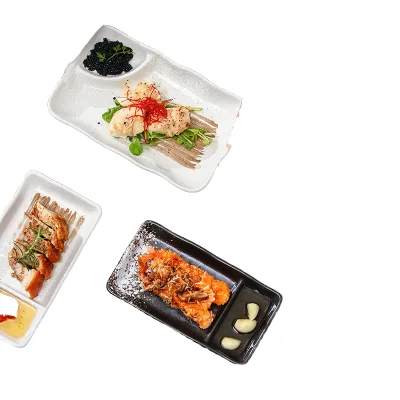
Yes, these plates are specifically designed for dipping sauce usage. They often feature divided compartments to separate different sauces effectively. The design supports use in hotels, restaurants, and homes, ensuring convenient service for various dining scenarios involving Korean or Japanese styles.
Which certifications do these plates typically hold?
Many of these plates hold CE, EU, and FDA certifications to ensure safety standards. These certifications verify that the materials meet international requirements for food contact. Buyers can rely on these documented standards when sourcing products for commercial or residential use in various markets.
How are these plates packaged for shipping?
Plates are typically packed in foam protective packaging to prevent damage during transit. Some options include inner boxes combined with master boxes for added security. This packaging ensures the items arrive in perfect condition, whether the order is small or large in quantity.
What colors are available for these sauce plates?
Available colors include gold, silver, and various unicolor options ranging from A to F. Some ceramic models offer six distinct color choices. Buyers can select from these options to match specific decor styles or branding requirements for their dining establishments or home settings.