Source Kraft Paper Disposable Coffee Cup for Tea and Juice
Find 30 options for Kraft Paper Disposable Coffee Cup with PE coating and customizable lids. Compare sizes from 4oz to 32oz, eco-friendly features, and printing styles like silk screen or flexographic for hot and cold beverages; compare the available evidence and request quotations based on your requirements.
Updated
Key considerations
Products List


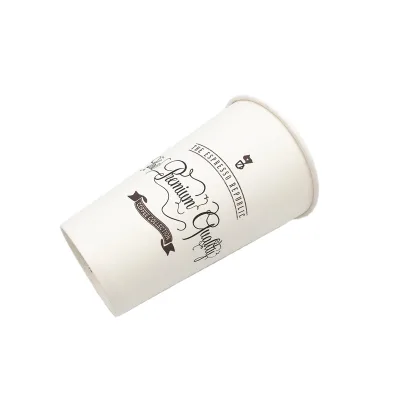


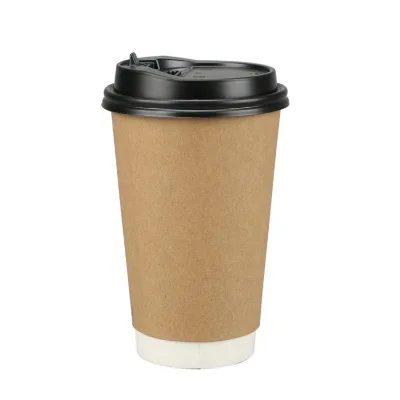


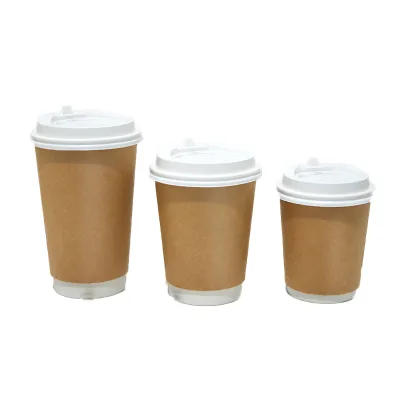
Comprehensive Sourcing Guide
Kraft Paper Disposable Coffee Cup Sourcing Guide
Sourcing high-quality kraft paper disposable coffee cups requires a strategic approach that balances material integrity, functional performance, and supply chain reliability. Buyers must navigate a market where product attributes vary significantly across suppliers, necessitating rigorous verification of core specifications before committing to volume orders. The following guide outlines the essential steps for evaluating potential suppliers, ensuring that the final product meets both operational needs and sustainability goals.
This procurement process focuses on identifying reliable manufacturing partners who can deliver consistent quality while adhering to specific customization and compliance requirements. By understanding the technical nuances of paper cup construction, coating technologies, and printing capabilities, buyers can mitigate risks associated with product failure, regulatory non-compliance, and logistical delays. The goal is to establish a clear framework for decision-making that prioritizes evidence-based verification over marketing claims.
Product Scope and Observed Listing Signals
The observed product landscape for kraft paper disposable coffee cups reveals a diverse range of specifications, with sizes commonly available in 4oz, 6oz, 8oz, 12oz, 16oz, and 22oz configurations. These dimensions cater to various beverage types, including coffee, tea, juice, and other hot or cold drinks, indicating a versatile application scope. Buyers should note that while many listings emphasize eco-friendly attributes such as biodegradability and recyclability, the actual material composition often involves a PE coating to ensure liquid resistance, which must be verified for specific disposal or recycling requirements.
Listing signals also highlight significant variation in customization options, with suppliers offering natural brown, white, or custom printed finishes. Lid options range from plastic to paper or no lid at all, allowing for tailored solutions based on end-user preferences. However, buyers must be cautious of inconsistent model numbers and standard references, such as 12 oz or 8 oz, which may not align with international sizing conventions. It is crucial to cross-reference these internal model codes with actual physical dimensions to avoid procurement errors.
Technical Specifications to Verify
Technical verification begins with confirming the material composition and coating process, as these factors directly impact durability and safety. The supplied facts indicate that many products are made from 100% kraft paper with a PE coating, which provides necessary moisture barrier properties. Buyers should request detailed material safety data sheets to confirm the type of PE used and ensure it meets food-contact standards. Additionally, the printing techniques, such as silk screen, flexographic, or offset printing, should be evaluated based on the complexity of the desired logo or design, as these methods affect print quality and cost.
Size consistency is another critical technical parameter, with observed models ranging from 2.5oz to 32oz, though specific listings may only reference subsets like 8oz, 12oz, or 16oz. Buyers must verify that the stated standard sizes match the actual capacity and dimensions of the cups, as discrepancies can lead to packaging inefficiencies or customer dissatisfaction. Furthermore, the style of the cup, whether simple or creative, and the inclusion of lids should be explicitly defined in the purchase order to prevent misunderstandings during production.
Compliance and Safety Documentation
Compliance with food safety regulations is non-negotiable for disposable cup procurement, and buyers must ensure that suppliers provide valid certification documentation. The observed facts mention FDA certification for certain products, which is a key indicator of compliance with US food safety standards. However, buyers should not assume that all listed products hold this certification and must request current, valid certificates for each specific product model. It is also important to verify if additional certifications, such as FSC for sustainable forestry or ISO 14001 for environmental management, are relevant to the buyer’s corporate sustainability goals.
Beyond certifications, buyers should inquire about the manufacturing standards and quality control processes employed by the supplier. The observed reference to "100% Exporter Standard" suggests a commitment to international quality norms, but this claim requires substantiation through third-party audit reports or internal quality manuals. Understanding the specific standards, such as EN13432 for compostability, can help buyers align their procurement with regional regulatory requirements and consumer expectations regarding environmental impact.
Cost Drivers and Commercial Terms
Cost structures for kraft paper disposable coffee cups are influenced by several factors, including material costs, printing complexity, and order volume. The observed minimum order quantities (MOQ) range from 500 to 100,000 units, indicating that smaller buyers may face higher per-unit costs or limited supplier options. Buyers should negotiate pricing based on their specific volume requirements and consider the trade-offs between customization levels and cost efficiency. Custom printing, especially with multiple colors or complex designs, typically incurs additional setup fees and higher unit prices compared to standard unprinted or simply printed cups.
Commercial terms also include lead times and packaging details, which can impact overall supply chain efficiency. The observed delivery detail of 45-60 days after order confirmation suggests that buyers need to plan their inventory well in advance to avoid stockouts. Additionally, the packaging method, whether in cartons or brown boxes, should be confirmed to ensure compatibility with logistics and storage constraints. Buyers should also clarify sample times, which are observed to be 10-15 days, to allow for adequate quality assessment before placing bulk orders.
Supplier Qualification and Quality Control
Supplier qualification involves a thorough assessment of manufacturing capabilities, quality control systems, and past performance. Buyers should verify the supplier’s origin, with observed locations including Xingtai, Fujian, and Wuhan in China, to understand regional manufacturing strengths and logistical advantages. It is advisable to conduct factory audits or request video tours to inspect production lines, quality control checkpoints, and storage facilities. This due diligence helps ensure that the supplier has the capacity and expertise to meet the buyer’s volume and quality requirements consistently.
Quality control measures should be explicitly defined in the contract, including acceptance criteria for defects, packaging integrity, and product dimensions. Buyers should request pre-shipment inspections or engage third-party inspection services to verify that the delivered goods match the approved samples. The observed emphasis on "100% Exporter Standard" suggests a focus on quality, but buyers must establish clear protocols for handling non-conforming products, including return policies and compensation mechanisms, to protect their interests.
Long-Term Procurement Checks
Long-term procurement success depends on establishing a robust supplier relationship and implementing continuous improvement processes. Buyers should schedule regular performance reviews to assess supplier reliability, quality consistency, and responsiveness to issues. This includes monitoring delivery times, defect rates, and communication effectiveness to identify areas for improvement. Building a strong partnership with a reliable supplier can lead to better pricing, priority production scheduling, and collaborative innovation in product design and sustainability.
Additionally, buyers should stay informed about evolving regulatory requirements and market trends related to disposable packaging. This includes monitoring changes in food safety standards, environmental regulations, and consumer preferences for sustainable materials. By maintaining a proactive approach to compliance and sustainability, buyers can ensure that their procurement strategy remains aligned with corporate goals and market demands. Regularly updating supplier qualification criteria and quality control protocols will help mitigate risks and support long-term business success.
FAQs
What customization options are available for kraft paper cups?
Customization is available for these kraft paper disposable coffee cups. Buyers can choose from natural brown, white, or custom printed colors. The production supports silk screen printing, flexographic printing, and offset printing techniques. Additionally, customers can laser their own logo onto the cup surface to meet specific branding requirements for their business needs.
Which sizes and lid options can be selected?
Multiple sizes are available, including 4oz, 6oz, 8oz, 12oz, 16oz, 22oz, and up to 32oz. Buyers can select lids based on their preference, with options for plastic lids, paper lids, or cups without lids. The standard specification often references 12oz, but custom orders accept various dimensions to suit different beverage packaging requirements effectively.
What materials and eco-friendly features do these cups have?
These cups are made from 100% kraft paper with a PE coating for liquid resistance. They are designed to be eco-friendly, biodegradable, and recyclable. The material ensures durability for both hot and cold drinks, including coffee, tea, and juice. This composition supports sustainable packaging goals while maintaining the structural integrity required for universal beverage packaging applications.
What are the lead times and sample availability?
Sample time typically ranges from 10 to 15 days for approval. After order confirmation, the delivery detail is 45 to 60 days. These timelines apply to standard production runs. Buyers should account for these durations when planning inventory. The products meet 100% exporter standards, ensuring quality consistency throughout the manufacturing and shipping process for international clients.
Where are these cups manufactured and what certifications apply?
Manufacturing origins include Xingtai, Fujian, and Wuhan in China. Some products hold FDA certification for food safety compliance. The standard packaging is provided in cartons or brown boxes. These cups are suitable for industrial use in the beverage sector. Buyers can verify specific origin details and certification documents directly with the supplier to ensure regulatory compliance for their target markets.
Can I order custom quantities and styles?
Custom orders are accepted for various styles, including simple and creative designs. The minimum order quantity ranges from 500 to 100,000 pieces depending on the specific product model. Buyers can specify unique requirements for industrial use or gift packaging. The factory accommodates diverse packaging needs, ensuring that the final product aligns with the buyer's specific operational and aesthetic preferences.