Find Lab Created Adjustable Ring for Jewelry, Gifts, and Weddings
Source 30 products featuring Lab Created Adjustable Ring options suitable for daily wear, engagement, and party occasions. Buyers can compare specifications including material, color, and customization availability from verified suppliers.
Key considerations
Products List


$0.10 - $1.00
MOQ: 100 Pieces


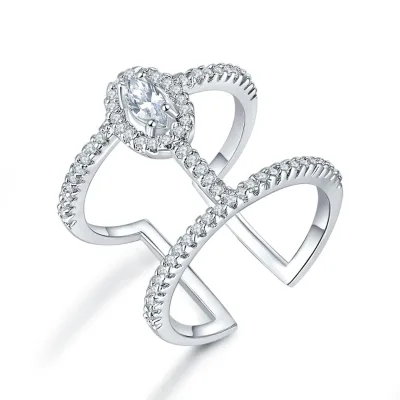


Comprehensive Sourcing Guide
Strategic Sourcing Guide for Lab-Created Adjustable Rings
The global market for lab-created adjustable rings has expanded significantly, driven by a convergence of ethical sourcing demands, cost-efficiency goals, and technological advancements in gemstone synthesis. For procurement professionals and B2B buyers, navigating this sector requires a disciplined approach that separates marketing narratives from verifiable product attributes. This guide provides a structured framework for evaluating suppliers, understanding technical specifications, and managing the procurement lifecycle for adjustable rings, ensuring that sourcing decisions are grounded in evidence rather than assumption.
Understanding Product Attributes and Material Composition
The foundation of any successful procurement strategy lies in a precise definition of the product's physical and chemical characteristics. In the context of lab-created adjustable rings, the term "lab-created" refers to gemstones synthesized in a controlled environment, distinct from natural stones, though chemically and physically identical to their mined counterparts. The "adjustable" aspect denotes a specific structural feature allowing the band to fit multiple finger sizes, a critical design element for inventory management and retail flexibility.
When evaluating product listings, buyers must scrutinize the material composition of both the setting and the stone. While the supplied data indicates a diverse range of materials in the broader jewelry and industrial sectors, specific attention must be paid to the metal used for the ring band. Common options include stainless steel, gold plating, or silver alloys, each offering different durability and aesthetic profiles. The supplied context mentions attributes such as "Stainless Steel Ring" and "Gold" color options, which are relevant indicators for the metal base. However, buyers should verify if the "Gold" attribute refers to solid gold, gold plating, or gold-filled materials, as this significantly impacts the product's longevity and value proposition.
Furthermore, the gemstone itself requires detailed verification. Lab-created stones are often categorized by their chemical composition, such as cubic zirconia, synthetic sapphire, or moissanite. The procurement team must request specific certificates of authenticity that confirm the stone's origin and synthesis method. It is essential to distinguish between "lab-created" and "simulated" stones, as the latter may lack the physical properties of the natural mineral. The supplied data includes various material attributes like "SIL" and "NBR," which typically refer to industrial seals, highlighting the need for buyers to filter out irrelevant industrial product data when focusing on jewelry. The core requirement for a lab-created adjustable ring is a clear specification of the gemstone type, the metal purity, and the plating thickness if applicable.
Technical Specifications and Customization Capabilities
Technical specifications for adjustable rings extend beyond simple dimensions. The mechanism of adjustability is a critical engineering feature. While the supplied data references "Universal 1/2 and 3/4 Inch" knockouts and "From 1 Gang to 5 Gang" configurations for industrial enclosures, these are not applicable to jewelry. Instead, buyers must focus on the mechanical tolerance of the ring's sizing mechanism. Common designs include split shanks, telescoping bands, or sliding mechanisms that allow the ring to expand or contract.
Customization is a significant driver in this market. The supplied facts explicitly state that "Customization: Available" and "Customized: Customized" are common attributes in the broader supply chain. For adjustable rings, this translates to the ability to modify the band width, the setting style (e.g., solitaire, halo, pave), and the specific lab-created stone used. Buyers should verify if the supplier can accommodate specific design requests, such as engraving or custom stone cuts. The data mentions "Model No.: According to Custom's Request" and "Runner: as Per Drawing," indicating a high degree of flexibility in manufacturing.
When assessing technical specifications, buyers should also consider the "File" formats available for design submission. The supplied context lists "Format Auto CAD, Pdf, JPG" as acceptable file types, which is a positive indicator for suppliers capable of handling digital design transfers. This capability ensures that the buyer's design intent is accurately translated into the final product. Additionally, the "Shape" attribute, noted as "O-Ring" in some contexts, may refer to the cross-section of the band or the setting, requiring clarification to ensure it matches the desired aesthetic.
Compliance, Certification, and Ethical Standards
In the jewelry industry, compliance and certification are paramount for maintaining brand integrity and meeting consumer expectations. While the supplied data mentions "Standard: Nonstandard" and "Standard and Custom Services," these terms are vague and require immediate clarification. Buyers must insist on specific, recognized certifications for lab-created stones. These may include reports from gemological laboratories such as the Gemological Institute of America (GIA) or the International Gemological Institute (IGI), which verify the stone's origin and quality.
Ethical sourcing is another critical compliance area. Even though lab-created stones do not involve mining, the manufacturing process must adhere to labor standards and environmental regulations. Buyers should verify that the supplier adheres to international labor laws and has policies in place regarding fair wages and safe working conditions. The "OEM: Accept" attribute in the data suggests that suppliers are willing to work under the buyer's brand, which often implies a commitment to meeting the buyer's specific compliance requirements.
Furthermore, the "Product Standard" should be clearly defined. The supplied text mentions "4"*4"*1-1/2"/2-1/8"" as a standard dimension, but this is likely for industrial boxes. For rings, the standard should relate to the quality of the metal, the hardness of the stone, and the durability of the plating. Buyers should request documentation that confirms the product meets relevant industry standards for jewelry, such as ASTM standards for precious metals or specific guidelines for lab-grown gemstones. Without these verifiable standards, the risk of receiving substandard products increases significantly.
Cost Drivers and Pricing Structures
Understanding the cost drivers for lab-created adjustable rings is essential for budgeting and margin analysis. The primary cost components include the raw materials (metal and gemstone), the manufacturing process, and the customization level. Lab-created stones are generally less expensive than natural stones, but the cost varies based on the size, clarity, and cut of the stone. The metal used for the band also plays a significant role; stainless steel is typically more affordable than solid gold or silver.
The supplied data indicates a price range of "0.01-400" USD, which is extremely broad and likely encompasses various product categories beyond jewelry. For adjustable rings, the price will depend heavily on the complexity of the design and the quality of materials. Buyers should expect a tiered pricing structure based on order volume. The "MOQ" (Minimum Order Quantity) range of "1-100000" suggests that suppliers are flexible, but lower MOQs often come with a higher unit cost.
Packaging is another cost factor. The data mentions "Carton," "Plastic Bag, Cartons," and "Carton Case or According to Customer Requirements." Premium packaging, such as branded boxes or velvet pouches, will increase the overall cost. Buyers should negotiate packaging costs separately to ensure transparency in the final price. Additionally, customization fees may apply for unique designs or specific stone selections. It is crucial to request a detailed breakdown of costs to understand where the value is being added and to identify potential areas for cost reduction without compromising quality.
Supplier Evaluation and Quality Control
Evaluating suppliers requires a multi-faceted approach that goes beyond price comparisons. Buyers should assess the supplier's production capacity, quality control processes, and track record. The "Source: Particle" and "Usage: Chemical Engineering" attributes in the data are irrelevant to jewelry and serve as a reminder to filter out non-relevant product information. Instead, focus on suppliers who specialize in jewelry manufacturing and have experience with lab-created stones.
Quality control is critical for adjustable rings, as the sizing mechanism must function smoothly and securely. Buyers should request samples to test the adjustability, durability, and finish of the product. The "Performance: Temperature" attribute in the data, while likely referring to industrial seals, highlights the importance of testing products under various conditions. For rings, this might involve testing the metal's resistance to tarnish or the stone's resistance to scratching.
The "Application" attributes listed, such as "Car," "Chemical Engineering," and "Wedding," indicate a diverse product range. Buyers must ensure the supplier has a dedicated line for jewelry. The "OEM: Accept" and "Customization: Acceptable" attributes are positive signs, indicating a willingness to collaborate. However, buyers should verify the supplier's ability to maintain consistency across large orders. Requesting a quality assurance plan that outlines inspection procedures, defect rates, and return policies is essential for mitigating risk.
Long-Term Procurement Considerations and Market Trends
Long-term procurement strategies for lab-created adjustable rings should focus on building sustainable relationships with suppliers and staying ahead of market trends. The demand for lab-created stones is growing as consumers become more conscious of environmental and ethical issues. Buyers should anticipate a shift towards more sustainable practices and transparent supply chains.
The "Style: Fashion" and "Occasion: Anniversary, Engagement, Gift, Wedding" attributes suggest that adjustable rings are versatile and suitable for various occasions. This versatility makes them a valuable addition to a buyer's portfolio. However, fashion trends change rapidly, and buyers must remain agile in their product selection. The ability to customize designs quickly, as indicated by the "Model No.: According to Custom's Request" attribute, is a significant advantage in this dynamic market.
Additionally, buyers should consider the logistics of shipping and storage. The "Location: China" origin suggests that supply chains may be subject to international trade regulations and shipping delays. Establishing clear lead times and communication channels with the supplier is crucial for managing inventory effectively. The "Lead Time" is not explicitly provided in the data, so buyers must negotiate this explicitly to ensure timely delivery.
Finally, buyers should plan for the lifecycle of the product. Lab-created rings are durable, but the plating may wear over time. Offering warranty or repair services can enhance customer satisfaction and brand loyalty. By focusing on quality, customization, and ethical standards, buyers can position their products effectively in the competitive jewelry market.
Conclusion
Sourcing lab-created adjustable rings requires a meticulous approach that balances technical specifications, compliance, cost, and supplier reliability. By leveraging the available data and applying rigorous evaluation criteria, buyers can navigate the complexities of this market and secure high-quality products that meet their specific needs. The key lies in clear communication, detailed verification of attributes, and a commitment to ethical and sustainable practices. As the market continues to evolve, staying informed and adaptable will be essential for long-term success in the procurement of lab-created jewelry.
FAQs
Can lab created adjustable rings be customized for specific designs?
Yes, customization is available for these rings based on customer requests. Buyers can specify details like the runner per drawing and model numbers according to their unique requirements, ensuring the final product matches their exact design intent.
What materials are commonly used for lab created adjustable rings?
Materials vary by product type, with options including stainless steel, metal alloys, and various synthetic compositions. While some industrial data lists materials like SIL or NBR, jewelry rings typically utilize durable metals and lab-created gemstones for the setting.
Which certifications should I verify for lab created adjustable rings?
Buyers must request specific gemological certificates from recognized labs like GIA or IGI to verify stone origin. The general product standard is often nonstandard or custom, so explicit documentation is required to confirm quality and ethical sourcing compliance.
How does the pricing structure work for adjustable ring orders?
Pricing ranges widely from 0.01 to 400 USD depending on material quality and customization levels. The minimum order quantity can vary from 1 to 100,000 units, with lower quantities often carrying higher unit costs due to setup and packaging requirements.
What are the standard packaging options for these rings?
Packaging is flexible and can include cartons, plastic bags, or custom cases according to customer requirements. Suppliers often offer standard carton packing but can accommodate specific requests to ensure the product arrives safely and meets branding needs.
Can I source these rings from manufacturers in China?
Yes, the product origin is listed as China, indicating available manufacturing sources in that region. Buyers should verify lead times and shipping logistics specifically for this location when planning their procurement strategy and inventory management.
What file formats are accepted for custom design submissions?
Suppliers accept design files in Auto CAD, PDF, and JPG formats for custom manufacturing. This flexibility allows buyers to submit detailed drawings or specifications to ensure the adjustable mechanism and aesthetic details are accurately produced.
Are lab created adjustable rings suitable for wedding occasions?
Yes, these rings are explicitly listed for use in weddings, engagements, and gift occasions. Their adjustable nature and customizable styles make them versatile options for various events, including anniversaries and parties, while maintaining a fashionable appearance.