Find Lab Created Synthetic Gemstone for Jewelry Making, Beads, and Sets
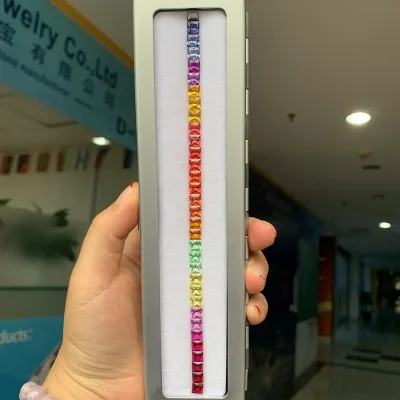
Source 30 listings of Lab Created Synthetic Gemstone from Wuzhou, China. Compare options including cubic zirconia, zircon, and sapphire classifications with varying sizes, colors, and shapes for jewelry making, beads, and sets.
Key considerations
Products List
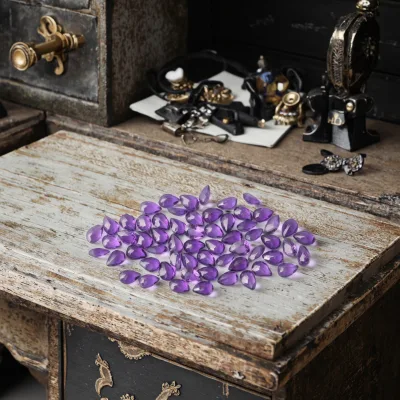


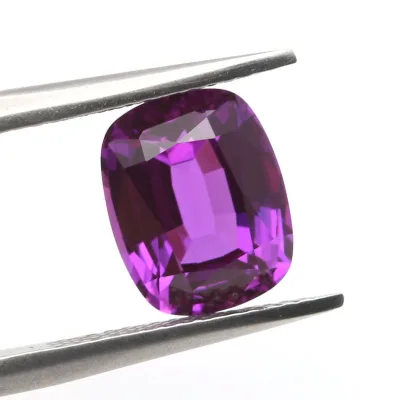
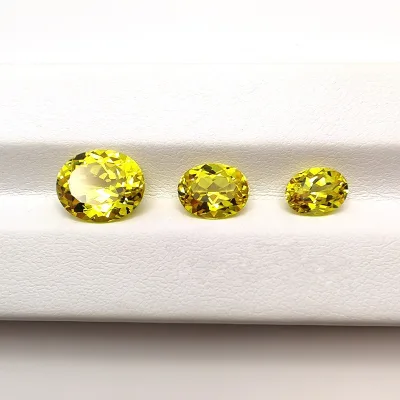
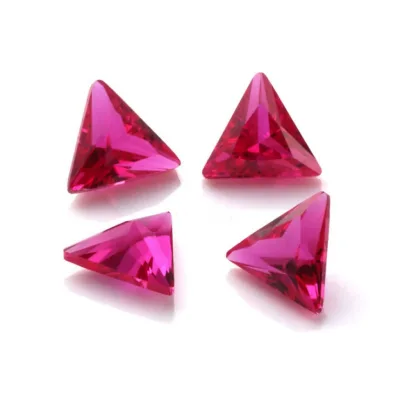



Diamond Jewelry Lab Grown Gemstone 18K Gold Ring Synthetic Diamond Ring
$580.00 - $1100.00
MOQ: 1 Pieces


Comprehensive Sourcing Guide
Strategic Sourcing Guide for Lab-Created Synthetic Gemstones
The global market for lab-created synthetic gemstones has evolved into a sophisticated sector where technical precision, material consistency, and supply chain transparency are paramount for B2B buyers. Sourcing these materials requires a disciplined approach that distinguishes between marketing terminology and verifiable product attributes. Buyers must navigate a landscape where "synthetic" and "lab-created" are often used interchangeably, yet the underlying production methods and resulting physical properties can vary significantly. This guide outlines the critical factors for procurement, focusing on the specific technical realities observed in the current market, including material composition, optical characteristics, and supplier verification protocols.
Technical Specifications and Material Composition
Understanding the fundamental material composition is the first step in any sourcing strategy. The market offers a diverse range of synthetic minerals, with Cubic Zirconia (CZ) and synthetic Zircon being prominent examples. These materials are engineered to replicate the visual appeal of natural gemstones while offering superior consistency and affordability. When evaluating product listings, buyers must scrutinize the specific "Gemstone Material" field. For instance, high-grade synthetic options are often classified under "Mineral" categories but are explicitly identified as "Synthetic (lab created)."
The physical attributes of these stones are equally critical. The shape of the gemstone dictates its application in jewelry manufacturing. Common shapes observed in the market include Pear Cut, Round Ball Bead, and a variety of faceted cuts such as Round, Oval, Rectangle, and Trilliant. The size specifications are often flexible, ranging from small beads of 0.8mm to larger stones up to 20mm, with specific sizes like 1.8mm or 5x5mm available for specialized designs. The weight of individual units can be as low as 0.5g, necessitating precise inventory planning.
Optical properties are another key differentiator. The "Optical Special Effects" are frequently achieved through specific "Treatments Applied," such as polishing, which enhances the stone's luster and clarity. Buyers should verify the "Gemstone Color" against their design requirements, as the market offers a spectrum including Purple, Green, Yellow, and Blue. The "Gemstone Shape" and "Classification" (e.g., Zircon or Sapphire) must align with the intended aesthetic. For example, a product classified as "Sapphire" may be synthetic, while another classified as "Zircon" offers a different refractive index. The "Grade" of the material, often denoted as "High" or specific quality ratings like "AA" or "AAA," directly influences the final product's visual performance.
Compliance, Certification, and Quality Standards
In the B2B sector, compliance and quality assurance are non-negotiable. While the supply chain for synthetic gemstones is generally less regulated than that of natural stones, buyers must still verify the standards applied to the products. The market utilizes various grading systems, such as "AAAAA" or "AAA," to denote quality levels. These designations are not universal; they are often internal supplier metrics. Therefore, buyers should not assume that a specific grade guarantees a specific performance outcome without independent verification.
When evaluating supplier claims, it is essential to distinguish between marketing language and verifiable standards. Some suppliers may reference "Standard Export Carton" packaging or specific origin points like "Wuzhou, China (Mainland)" or "Wuzhou" generally. These location markers are significant because Wuzhou is a recognized hub for gemstone processing. However, the mere mention of a location does not certify the quality of the goods. Buyers must request documentation that confirms the "Gemstone Type" is indeed "Synthetic (lab created)" and not a mislabeled natural stone.
Furthermore, the "Customization" availability is a critical factor for compliance with specific client requirements. If a buyer requires a specific "Model Number" or "prod_model" such as ST001 or QF-199, the supplier must demonstrate the ability to meet these exact specifications. The "prod_standard" field, which may list values like "AAAAA," should be treated as a reference point rather than a guaranteed certification. Buyers should establish clear quality control criteria in their contracts, specifying acceptable tolerances for color, cut, and clarity, rather than relying solely on the supplier's internal grading labels.
Cost Drivers and Pricing Dynamics
The pricing of lab-created synthetic gemstones is influenced by several dynamic factors, including material type, size, cut complexity, and order volume. The observed price range in the market is extensive, spanning from $0.02 to $2899 per unit or lot. This wide variance is driven by the scale of the order, the specific "Gemstone Size," and the "MOQ" (Minimum Order Quantity) requirements. Smaller beads or standard sizes often command lower prices, while larger, custom-cut stones or those with complex optical effects may reach the higher end of the spectrum.
The "MOQ" is a significant cost driver. Suppliers may set MOQs as low as 1 piece for sampling or as high as 200 pieces for bulk orders. Some listings indicate an MOQ of 100 pieces, while others state that the MOQ "Depend on Size." This variability requires buyers to align their procurement strategy with their inventory needs. For large-scale jewelry production, negotiating a lower unit price through higher volume commitments is essential. Conversely, for prototyping or small-batch collections, buyers may need to accept higher per-unit costs or pay for "Samples Availble on Stock."
Additional cost factors include the "Single package size" and "Single gross weight," which affect shipping logistics. A product with a single package size of 0.3x0.3x0.2 cm and a gross weight of 0.005 kg is highly efficient for shipping, whereas larger or heavier items will incur higher freight costs. Buyers should also consider the "prod_packing" method, such as "Sponge Paper/Standard Export Carton" or "as Customer's Demands," as custom packaging solutions often incur additional charges. The "Brand Name" associated with the product, whether it is a generic label or a specific brand like "Stars Gem," can also influence pricing, though the underlying material value remains the primary determinant.
Typical Applications and Design Integration
Lab-created synthetic gemstones are versatile materials used across a broad spectrum of jewelry applications. The primary "Usage" category is "For Jewelry Making," which encompasses everything from fashion jewelry to high-end custom pieces. The "Style" of the stones, often described as "European and American," indicates their suitability for contemporary Western design trends. The "Suitable for" attribute, frequently listed as "Unisex," highlights the broad market appeal of these materials.
The form factor of the gemstone determines its specific application. "Beads" are commonly used in necklace and bracelet designs, while "Jewelry Set" configurations are ideal for coordinated earrings and pendants. The "Gemstone Shape" plays a crucial role in the design process; for instance, "Round Ball Bead" shapes are perfect for stringing, while faceted shapes like "Pear Cut" or "Trilliant" are better suited for setting in rings or brooches. The "Gemstone Size" must be selected carefully to match the design scale, with options ranging from 1.8mm for delicate accents to 20mm for statement pieces.
Buyers should also consider the "Color" variety when planning collections. The availability of Purple, Green, Yellow, and Blue stones allows for diverse color palettes. The "Optical Special Effects" achieved through polishing can enhance the visual impact of the final product, making these stones suitable for both casual and formal wear. The "Quality" rating, such as "AA" or "AAA," ensures that the stones meet the necessary clarity and brilliance standards for their intended use. Whether the application is mass-market fashion or bespoke luxury, the synthetic nature of the material provides a consistent supply chain that natural stones cannot always guarantee.
Supplier Evaluation and Verification Protocols
Evaluating suppliers requires a rigorous vetting process to ensure reliability and product integrity. Buyers should prioritize suppliers who provide clear and detailed product attributes. Key verification points include the "Place of Origin," which is often listed as "China" or specifically "Wuzhou, China (Mainland)." The "Port" of shipment, such as "Wuzhou," is also a critical logistical detail that affects lead times and shipping costs.
When assessing a supplier, buyers must verify the "Model Number" and "prod_model" consistency. A supplier offering a "Model Number" of QF-199 or "prod_model" ST001 should be able to provide samples that match these exact specifications. The "Brand Name" listed on the product, whether it is "QF-199" or "Stars Gem," should be consistent with the supplier's branding and reputation. Buyers should also check the "Selling Units" to ensure that the supplier offers the desired purchasing format, such as "Single item" or bulk packs.
The "Sample" availability is a crucial indicator of supplier confidence. Listings that explicitly state "Samples Availble on Stock" suggest a supplier that is prepared to support the buyer's evaluation process. However, buyers should always request physical samples to verify the "Gemstone Material," "Color," and "Quality" firsthand. The "Customization" capability is another vital factor; suppliers who offer "Customization" can adapt their products to meet specific design requirements, which is essential for unique jewelry collections.
Quality Control and Long-Term Procurement Strategy
Establishing a robust quality control (QC) framework is essential for maintaining product consistency over time. Buyers should implement a multi-stage QC process that includes incoming inspection, in-process monitoring, and final acceptance testing. The "Grade" of the gemstones, whether "High," "AA," or "AAA," must be verified against the agreed-upon standards. Since the "prod_standard" may vary, buyers should define their own acceptance criteria for color consistency, cut precision, and surface finish.
Long-term procurement considerations involve building a resilient supply chain. The "MOQ" flexibility, ranging from 1 to 200 pieces, allows buyers to scale their orders based on market demand. However, buyers should negotiate long-term contracts that lock in pricing and ensure consistent supply, especially for high-volume items. The "Lead Time" and "Port" efficiency are critical for maintaining inventory levels and meeting production schedules.
Buyers should also monitor the "Treatments Applied" to ensure that the stones maintain their quality over time. Polishing and other treatments should be durable and resistant to wear. The "Single gross weight" and "Single package size" should be optimized for efficient logistics, reducing the risk of damage during transit. Finally, buyers should maintain open communication with suppliers regarding any changes in "Gemstone Size" or "Color" availability to adapt to market trends and customer preferences. By adhering to these principles, buyers can secure a reliable supply of high-quality lab-created synthetic gemstones that meet their design and commercial objectives.
FAQs
What materials are used for lab created synthetic gemstones?
The materials include Cubic Zirconia and Mineral classifications. Listings specify Gemstone Material as Synthetic or lab created, often categorized under High Grade or AA quality standards for jewelry applications.
Which shapes are available for these synthetic stones?
Available shapes include Pear Cut, Round Ball Bead, Round, Oval, Rectangle, and Trilliant. Buyers can select from various sizes ranging from 0.8mm to 20mm depending on the specific model requirements.
Can I find these gemstones in specific colors like purple or green?
Yes, colors such as Purple, Green, Yellow, and Blue are observed in the market. The Gemstone Color attribute varies by listing, allowing selection for different jewelry styles and design needs.
How does the MOQ vary for different sizes?
Minimum Order Quantities range from 1 to 200 pieces. Some listings require 100 pieces, while others state the MOQ depends on the specific size selected, offering flexibility for sampling or bulk orders.
Where are these synthetic gemstones typically sourced from?
The Place of Origin is listed as China, with specific hubs in Wuzhou. The Port of shipment is often Wuzhou, indicating a concentrated supply chain for these mineral-based synthetic stones.
What treatments are applied to enhance the optical effects?
Polishing is the primary treatment applied to achieve optical special effects. This process enhances the luster and clarity of the stones, which are classified as High Grade or AAAAA quality.