Source Lab Created Opal Wedding Ring for Engagement, Gift, and Party
Find 30 Lab Created Opal Wedding Ring options featuring gold materials and moissanite accents. Compare bezel, prong, and claw settings for elegant female or unisex styles suitable for anniversaries and daily decoration.
Key considerations
Products List


Fashion Women Hot Sale Crown Design Lab Grown Pink Sapphire Ring 14K Gold Ring
$675.00 - $685.00
MOQ: 1 Pieces


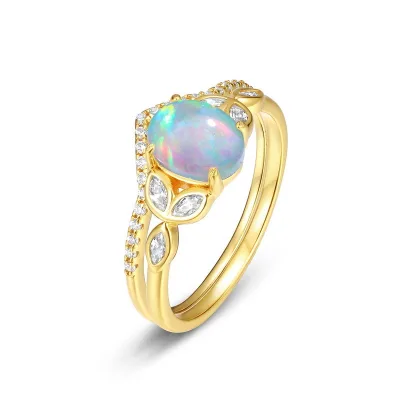
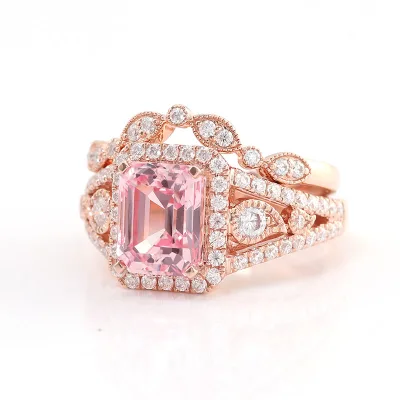
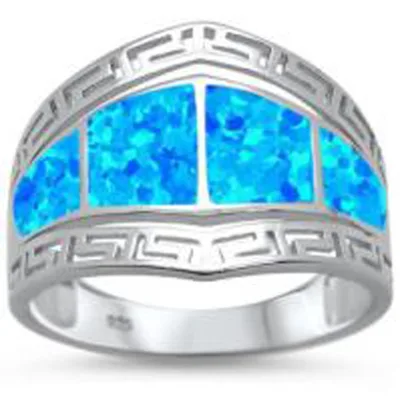
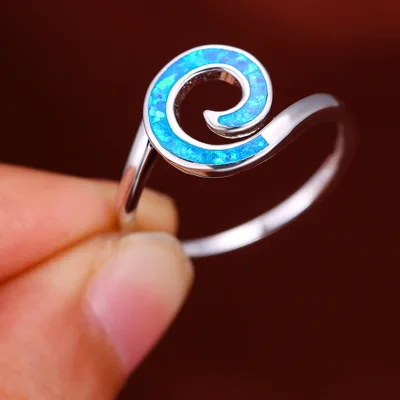
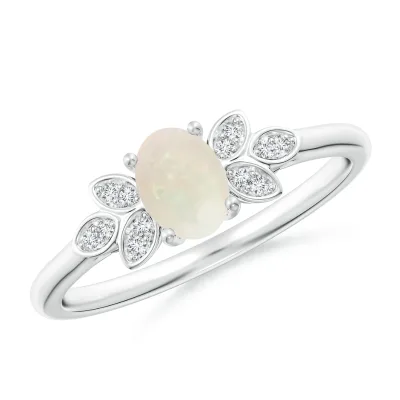
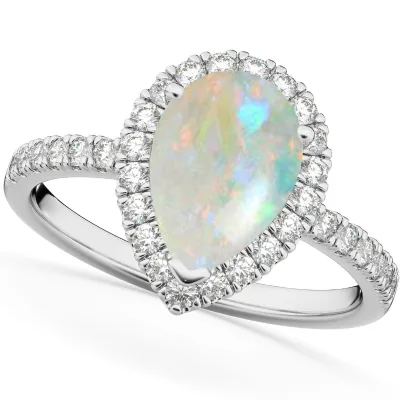
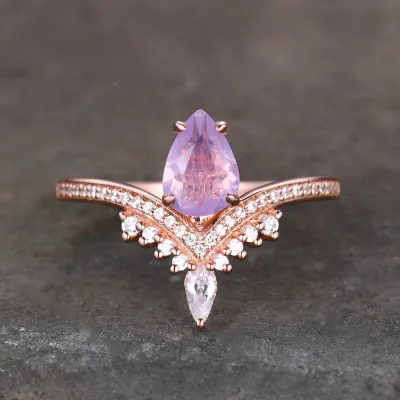
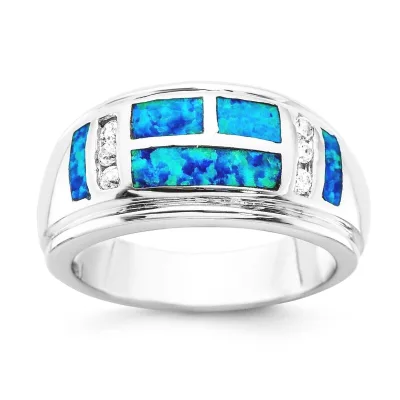


Wholesale Jewelry Accessories 18K Gold Lab Grown Diamond Wedding Ring
$750.00 - $1300.00
MOQ: 1 Pieces

Factory OEM Lab Diamond Rings Fashion Jewelry Diamond Ring Accessories
$936.00 - $1170.00
MOQ: 1 Pieces


Comprehensive Sourcing Guide
Lab Created Opal Wedding Ring Sourcing Guide
Sourcing lab-created opal wedding rings requires a nuanced understanding of both the gemological properties of synthetic stones and the metallurgical standards of the setting. Unlike natural opals, which are valued for their rarity and unique play-of-color, lab-created opals offer consistency in appearance and durability, making them an attractive option for modern bridal jewelry. Buyers must distinguish between true synthetic opals and simulated stones, as the latter may lack the physical and chemical properties of genuine opal, affecting both the aesthetic appeal and long-term wearability of the ring. The procurement process involves evaluating the clarity, color saturation, and cut of the stone, alongside the integrity of the metal setting, to ensure the final product meets the high expectations of wedding markets.
The commercial landscape for these rings is characterized by a wide range of customization options and varying price points, driven by the type of metal used and the complexity of the setting. While natural gemstones often command premium prices due to scarcity, lab-created alternatives provide a cost-effective solution without compromising on visual impact. However, the term "lab-created" can encompass different manufacturing processes, such as hydrothermal growth or flame fusion, each resulting in distinct physical characteristics. Procurement teams must therefore establish clear definitions and specifications early in the sourcing process to avoid miscommunication with suppliers and to ensure that the products delivered align with the brand’s positioning and customer expectations.
Product Scope and Observed Listing Signals
The current market for lab-created opal rings exhibits significant diversity in design, material composition, and target audience. Observed listings indicate a strong presence of fashion-forward styles, including elegant, creative, and classic designs, catering to both female and unisex demographics. The primary materials identified in the market include real gold, 14K gold, and rose gold, with settings ranging from bezel and prong to claw and gem mounting techniques. These variations suggest that buyers have access to a broad spectrum of options, from minimalist bands to intricate, statement pieces, allowing for tailored procurement strategies based on specific market segments or customer preferences.
Price and minimum order quantity (MOQ) signals reveal a flexible commercial environment, with observed price ranges spanning from affordable entry-level pieces to high-end luxury items. MOQs as low as one piece indicate the availability of sample orders and small-batch production, which is beneficial for testing market response or fulfilling custom requests. However, buyers should be aware that lower MOQs may correlate with higher unit costs, while larger orders might offer economies of scale. The presence of customization options further enhances the scope, allowing buyers to request specific stone colors, metal finishes, or packaging solutions, thereby enabling a more personalized approach to product development and brand differentiation.
Technical Specifications to Verify
Verifying the technical specifications of lab-created opal rings is critical to ensuring product quality and consistency. Buyers should focus on the stone’s clarity, color, and cut, as these attributes directly influence the ring’s visual appeal. For instance, while some listings mention stones with D color and VVS clarity, these terms are typically associated with diamonds and may not be directly applicable to opals. Instead, buyers should verify the specific grading criteria used by the supplier for opals, such as the intensity of the play-of-color, the presence of any inclusions, and the precision of the cut. Additionally, the metal purity, such as 14K gold or real gold, must be confirmed through independent assay or certification to prevent discrepancies in material composition.
The setting technique and fabrication process are equally important technical aspects that affect the durability and aesthetic of the ring. Common settings observed in the market include bezel, prong, and claw settings, each offering different levels of stone security and visual prominence. Buyers should assess the quality of the gem mounting and polishing to ensure that the stone is securely held and that the metal finish is smooth and free of defects. Furthermore, the dimensions of the ring, such as size 7# or other standard sizes, should be verified to ensure compatibility with the target market’s sizing preferences. Understanding these technical details allows buyers to make informed decisions about product selection and quality control measures.
Compliance and Safety Documentation
Compliance with international standards and safety regulations is a fundamental requirement for sourcing wedding rings, particularly those intended for global distribution. Buyers must ensure that suppliers provide appropriate documentation, such as material safety data sheets and compliance certificates, to verify that the metals and gemstones used are free from harmful substances like lead, cadmium, and nickel. While specific standards were not explicitly mentioned in the observed listings, buyers should proactively request information on adherence to relevant regulations, such as the European Union’s REACH regulation or the United States’ Consumer Product Safety Improvement Act (CPSIA). This due diligence helps mitigate legal risks and ensures that the products meet the safety expectations of consumers in different markets.
In addition to material safety, buyers should verify the ethical sourcing practices of their suppliers, particularly regarding the origin of the metals and the manufacturing processes used. Although the observed listings indicate that the products originate from China, buyers should inquire about the supply chain transparency and any certifications related to responsible sourcing, such as the Responsible Jewellery Council (RJC) certification. This information is increasingly important to consumers who prioritize ethical considerations in their purchasing decisions. By prioritizing compliance and ethical sourcing, buyers can enhance their brand reputation and build trust with their customer base.
Cost Drivers and Commercial Terms
The cost of lab-created opal wedding rings is influenced by several key factors, including the type and purity of the metal, the quality and size of the stone, and the complexity of the setting. Gold, particularly 14K gold and rose gold, is a significant cost driver, with prices fluctuating based on global market conditions. Buyers should monitor metal prices and negotiate contracts that include price adjustment mechanisms to protect against volatility. Additionally, the cost of the lab-created opal itself can vary based on its color saturation, clarity, and cut, with higher-quality stones commanding premium prices. Understanding these cost drivers allows buyers to make informed decisions about product mix and pricing strategies.
Commercial terms, such as payment methods, shipping arrangements, and return policies, also play a crucial role in the overall cost structure. Observed listings indicate that suppliers offer various shipment options, including EMS, FedEx, DHL, and TNT, each with different costs and delivery times. Buyers should evaluate these options based on their specific needs, balancing speed and cost to optimize their supply chain. Furthermore, the availability of customization services may incur additional costs, which should be factored into the total procurement budget. Clear communication of commercial terms and expectations with suppliers is essential to avoid misunderstandings and ensure a smooth transaction process.
Supplier Qualification and Quality Control
Qualifying suppliers for lab-created opal wedding rings requires a rigorous assessment of their manufacturing capabilities, quality control systems, and business stability. Buyers should conduct on-site audits or request detailed information about the supplier’s production facilities, including the equipment used for gem mounting and polishing. It is also important to verify the supplier’s experience in producing wedding rings and their ability to meet specific design and quality requirements. Establishing a strong relationship with a reliable supplier is crucial for maintaining consistent product quality and ensuring timely delivery, which are key factors in the success of any jewelry brand.
Quality control measures should be implemented at every stage of the production process, from raw material inspection to final product packaging. Buyers should work with suppliers to establish clear quality standards and inspection protocols, including checks for stone clarity, metal purity, and setting integrity. Random sampling and third-party inspections can provide additional assurance of product quality. Furthermore, buyers should establish a feedback loop with suppliers to address any quality issues promptly and implement corrective actions. By prioritizing supplier qualification and quality control, buyers can minimize the risk of defects and ensure that their products meet the high standards expected in the wedding jewelry market.
Long-Term Procurement Checks
Long-term procurement success depends on continuous monitoring and evaluation of supplier performance and market trends. Buyers should regularly review key performance indicators (KPIs) such as on-time delivery, product quality, and responsiveness to issues. Establishing a scorecard system can help track supplier performance over time and identify areas for improvement. Additionally, buyers should stay informed about changes in the jewelry market, including emerging design trends, new materials, and shifts in consumer preferences. This proactive approach allows buyers to adapt their sourcing strategies and maintain a competitive edge in the market.
Sustainability and ethical considerations are becoming increasingly important in the long-term procurement strategy. Buyers should regularly assess their suppliers’ environmental practices and social responsibility initiatives, ensuring that they align with the brand’s values and consumer expectations. This may include verifying the use of recycled metals, reducing carbon emissions in the production process, and supporting fair labor practices. By integrating sustainability into their procurement strategy, buyers can enhance their brand reputation and build long-term loyalty among consumers who prioritize ethical and environmental considerations. Continuous engagement with suppliers on these issues fosters a collaborative relationship that benefits both parties and contributes to the overall success of the business.
FAQs
What materials are used for the Lab Created Opal Wedding Ring?
The ring is crafted from real gold, specifically 14K gold or pure gold options. Some listings also feature moissanite or lab gemstones as the main stone, ensuring durability and a premium look for wedding occasions.
Can I customize the size and style of the ring?
Yes, customization is available for this product line. Buyers can select from various styles like fashion or elegant designs, and the minimum order quantity starts at just one piece for personalized requests.
Which setting types are available for the main stone?
Multiple inlay technologies are offered, including bezel setting, prong setting, and claw setting. These options allow for secure mounting of stones like moissanite or lab gemstones in round or oval shapes.
How is the ring packaged for shipment?
The product comes in a carton box packing designed for protection during transit. Standard packaging dimensions are approximately 10x10x15cm, ensuring the ring arrives safely to international destinations via EMS, FedEx, or DHL.
What is the origin and lead time for these rings?
These rings originate from China and are shipped via major courier services like TNT or DHL. While specific lead times vary, the low MOQ of one piece allows for flexible ordering and faster processing for small batches.
What occasions are suitable for wearing this ring?
This ring is designed for multiple occasions including weddings, engagements, anniversaries, and parties. Its elegant and creative styles make it a suitable gift for female recipients or unisex wearers celebrating special milestones.