Source Leather Pedicure Chair for Salon, Spa, and Clinic
Find and compare 30 Leather Pedicure Chair options from verified manufacturers. Evaluate models like DP-3506 and PC-72 for beauty salons and spas, noting features such as multifunctional foot spa capabilities, modern luxury styles, and various color choices including grey, pink, and white.
Key considerations
Products List


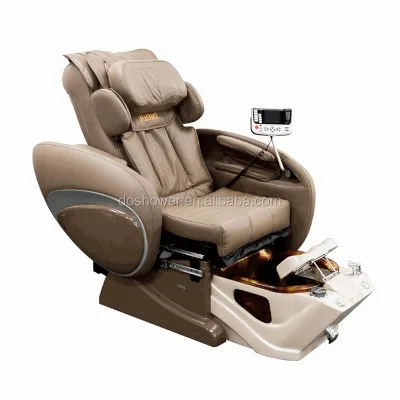
2017 Professional Spa Pedicure Chair with Wood Armrest Manicure Pedicure Furniture
$800.00 - $1100.00
MOQ: 20 Minimum


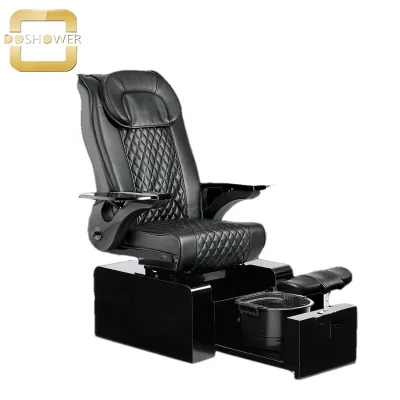
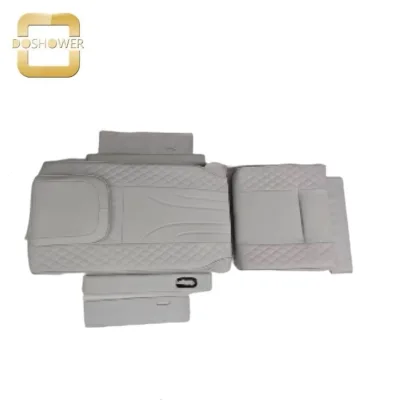

Antique Pedicure Chair with Foot Massage and Back Massage Chair for Nail Salon SPA Chair
$1100.00 - $1200.00
MOQ: 2 Sets


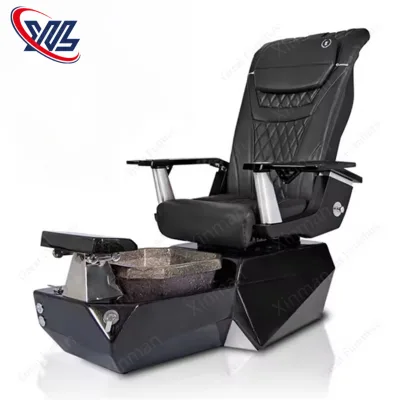
Foot SPA Pedicure Massage Chair Luxury Modern Salon Euipment Furniture
$700.00 - $1300.00
MOQ: 1 Pieces



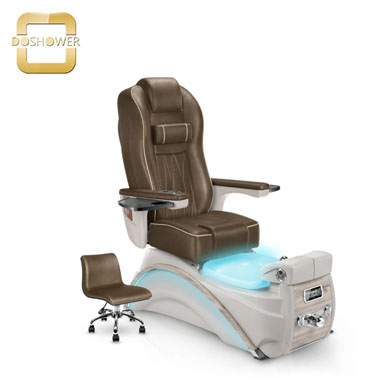
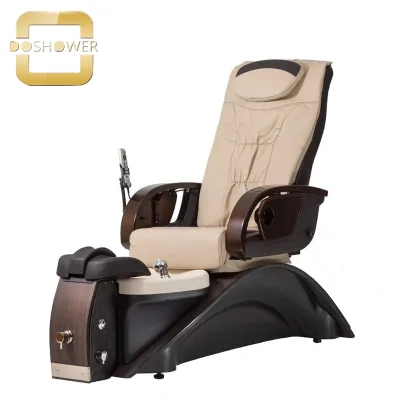
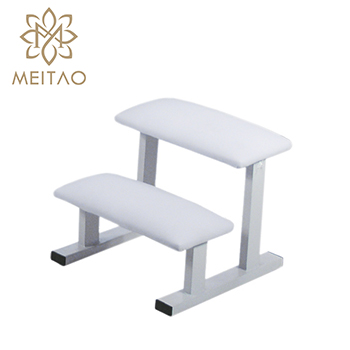
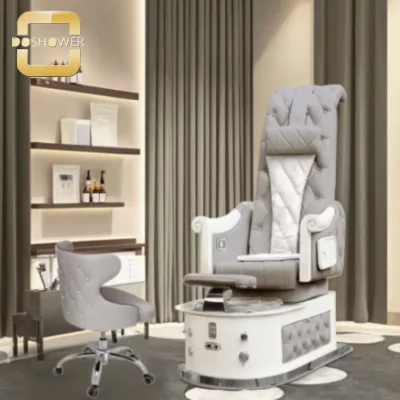
Comprehensive Sourcing Guide
Leather Pedicure Chair Sourcing Guide
Sourcing high-quality leather pedicure chairs requires a disciplined approach that balances aesthetic appeal with functional durability. These chairs are central to the modern beauty salon experience, serving as both a functional workstation for nail technicians and a comfort station for clients. The procurement process must account for the specific material properties of leather, the mechanical complexity of hydraulic or electric lifting systems, and the ergonomic requirements of long-duration use. Buyers must navigate a market where product specifications vary significantly between manufacturers, making verification of core attributes essential before committing to volume orders.
The decision to source leather pedicure chairs involves evaluating multiple dimensions, including customization options, structural stability, and packaging efficiency. Observed market signals indicate a wide range of models, from fixed-frame units to rotary chairs with armrests, catering to different salon layouts and service types. Procurement teams must align their purchasing decisions with the specific operational needs of their facilities, ensuring that the selected chairs support the intended workflow while meeting aesthetic standards. This guide provides a structured framework for evaluating these products based on verified attributes and industry best practices.
Product Scope and Observed Listing Signals
The current market for leather pedicure chairs encompasses a diverse array of designs, ranging from modern luxury styles to multifunctional foot spa units. Listings frequently highlight key attributes such as customization availability, material composition, and specific model numbers like DP-3506, PC-72, and HG-D007. These identifiers are crucial for distinguishing between different product lines, as they often correlate with specific feature sets, such as rotary versus fixed bases, or the inclusion of armrests. Buyers should treat these model numbers as primary reference points when comparing suppliers, as they define the baseline specifications for each unit.
Observed product attributes reveal a strong emphasis on versatility and aesthetic flexibility. Colors such as white, black, grey, pink, and purple are commonly available, allowing salons to match their interior design schemes. The material composition is predominantly metal frames paired with synthetic leather or genuine leather upholstery, offering a balance of durability and comfort. Additionally, the presence of folding mechanisms in some models suggests considerations for storage and transportation efficiency. These signals indicate that buyers have access to a broad spectrum of options, but they must carefully verify which attributes apply to their specific order to avoid mismatches between expectation and delivery.
Technical Specifications to Verify
Technical verification begins with the structural integrity and dimensional accuracy of the chair. Buyers must confirm the exact dimensions, such as the standard size of 606065cm or larger configurations like 81132181cm, to ensure the chair fits within the designated salon space. The weight specifications, including net weight (N.W.) and gross weight (G.W.), are critical for logistics planning and floor load considerations. For instance, some models have a net weight of 28kg, while others may weigh up to 150kg, significantly impacting shipping costs and handling requirements. Verifying these metrics ensures that the procurement team can accurately calculate freight expenses and prepare the installation site.
The mechanical and functional specifications are equally important for long-term usability. Buyers should verify the type of lifting mechanism, whether it is hydraulic, electric, or manual, and confirm the stability of the base, particularly for rotary models. The presence of armrests and the adjustability of the seat angle are key ergonomic factors that affect client comfort and technician efficiency. Additionally, the packaging dimensions, such as 10510590cm or 1528876cm for upper seats, must be checked to determine storage needs and handling procedures. Ensuring that these technical details are explicitly stated in the purchase order prevents disputes and ensures that the delivered product meets the operational requirements of the salon.
Compliance and Safety Documentation
Safety and compliance are paramount when sourcing furniture that supports human weight and involves mechanical components. Buyers must request documentation that verifies the structural safety of the chair, including load-bearing capacity tests and stability assessments. While specific certification standards may vary by region, it is essential to ensure that the manufacturer adheres to recognized safety protocols for salon equipment. This includes verifying that the hydraulic or electric systems are certified for safe operation and that the materials used in the upholstery are free from harmful chemicals.
Documentation should also cover the electrical safety of any integrated features, such as foot spa jets or heating elements. Buyers should ask for proof of compliance with local electrical standards, particularly if the chairs are to be used in regions with strict regulatory requirements. Additionally, the manufacturer should provide clear instructions for maintenance and troubleshooting, which are vital for extending the lifespan of the equipment. By prioritizing compliance documentation, buyers can mitigate risks associated with product failure and ensure a safe environment for both clients and staff.
Cost Drivers and Commercial Terms
The cost of leather pedicure chairs is influenced by several factors, including material quality, mechanical complexity, and customization options. Models with advanced features, such as multifunctional foot spas or rotary bases, typically command higher prices due to the increased manufacturing complexity. The choice of upholstery material, whether synthetic leather or genuine leather, also significantly impacts the unit cost. Buyers should evaluate the total cost of ownership, considering not only the initial purchase price but also the long-term maintenance and replacement costs associated with different materials and components.
Commercial terms, including minimum order quantities (MOQ) and payment conditions, play a crucial role in the procurement strategy. Observed MOQs can range from 10 pieces to higher volumes, depending on the supplier and the level of customization required. Buyers should negotiate terms that align with their inventory management capabilities and cash flow constraints. Additionally, the packaging method, such as export-grade cartons or wooden crates, can affect shipping costs and the risk of damage during transit. Understanding these commercial dynamics allows buyers to optimize their purchasing decisions and achieve better value for their investment.
Supplier Qualification and Quality Control
Supplier qualification is a critical step in ensuring the reliability and consistency of the sourced products. Buyers should assess the manufacturer’s production capabilities, quality control processes, and track record in the industry. This includes verifying the supplier’s ability to meet specific customization requests, such as color matching or feature modifications. A robust quality control system should include pre-production samples, in-process inspections, and final random inspections before shipment. Buyers should request detailed inspection reports to verify that the products meet the agreed-upon specifications.
Quality control measures should also address the durability and finish of the leather upholstery and the smooth operation of mechanical components. Buyers should establish clear acceptance criteria for defects, such as stitching errors, uneven coloring, or mechanical malfunctions. Implementing a rigorous quality control process helps to minimize the risk of receiving substandard products and reduces the likelihood of costly returns or replacements. By partnering with suppliers who prioritize quality, buyers can ensure that their salons are equipped with reliable and durable furniture.
Long-Term Procurement Checks
Long-term procurement success depends on establishing strong relationships with suppliers and maintaining open lines of communication. Buyers should conduct regular performance reviews to assess the supplier’s ability to meet delivery schedules, maintain quality standards, and provide responsive customer service. This includes monitoring the frequency and severity of any defects or issues reported after delivery. By tracking these metrics, buyers can identify potential problems early and work with suppliers to implement corrective actions.
Additionally, buyers should stay informed about industry trends and technological advancements in pedicure chair design. This includes evaluating new materials, features, or ergonomic improvements that could enhance the client experience. Regularly updating procurement strategies to reflect these changes ensures that the salon remains competitive and offers the best possible service. By adopting a proactive approach to supplier management and product evaluation, buyers can secure a steady supply of high-quality leather pedicure chairs that support the long-term growth and success of their business.
FAQs
Can I find leather pedicure chairs with armrests?
Yes, many models include armrests for enhanced comfort during treatments. The product list confirms availability of chairs with armrests in various colors like purple, blue, and grey. These units are designed for beauty salons and spa environments to provide a luxurious experience.
What is the typical weight of a pedicure chair?
The net weight is often around 28 kg while the gross weight reaches 30 kg for standard units. Some larger models with wooden crate packaging can weigh up to 150 kg. Buyers should verify specific weight data based on the chosen model number and packaging type.
Which customization options are available for these chairs?
Customization is available for specific design requirements and branding needs. Products can be customized with different colors including white, black, and pink. Buyers can request specific model numbers like DP-3506 or PC-72 to match their salon's aesthetic and functional needs.
How do I determine the correct size for my salon?
Standard dimensions vary by model, with some measuring 60 by 60 by 65 cm and others up to 130 by 86 by 123 cm. Package sizes also differ, ranging from 0.33 cbm to 2.06 cbm. Check the specific product standard and package size before ordering to ensure fit.
Can I order a single unit for testing purposes?
Yes, some suppliers allow a minimum order quantity of just one piece for testing. However, standard MOQs often start at 10 pieces depending on the specific model and supplier. Verify the MOQ requirements for the desired model number before finalizing your purchase order.
What materials are used in constructing these chairs?
Chairs are typically constructed using metal frames and synthetic leather upholstery. This combination ensures durability and ease of cleaning in high-traffic salon environments. The materials support the multifunctional foot spa features found in modern luxury pedicure chairs.
Where are these pedicure chairs manufactured?
Most units originate from China, specifically from regions like Guangdong and Foshan. These locations are known for producing high-quality beauty salon furniture. Buyers should confirm the place of origin on the product page to ensure it meets their sourcing preferences.