Source LED Display Steering Wheel for Cars, Trucks, and Buses
Find 30 verified options for LED Display Steering Wheel components. Compare specifications such as IP68 ratings, LED quantities, and customization availability from suppliers in China to find the right fit for your vehicle lighting and control needs; compare the available evidence and request quotations based on your requirements.
Key considerations
Products List

$8.30 - $10.00
MOQ: 1 Pieces

$8.30 - $10.00
MOQ: 1 Pieces

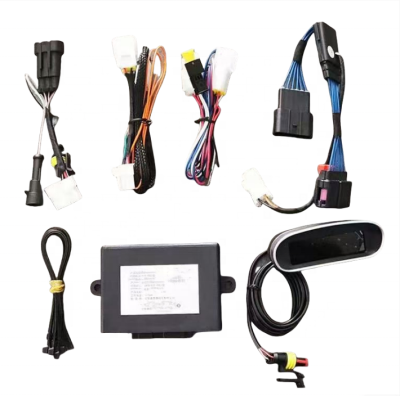
$140.00 - $160.00
MOQ: 1 pieces


Comprehensive Sourcing Guide
LED Display Steering Wheel Sourcing Guide
Procurement of LED display steering wheels requires distinguishing between integrated lighting systems and standalone display modules, as the supply chain often treats these as distinct product categories. The observed market data indicates a wide variance in product attributes, ranging from simple LED tail and turn lamp assemblies to complex electrical system components with specific transmission and suspension integration. Buyers must carefully map their specific vehicle requirements against the available listings, noting that some products are explicitly designed for LCD display backlighting while others serve as primary lighting functions for stop, turn, and tail operations.
The sourcing landscape reveals significant diversity in origin locations, with verified production sites in Ningbo, Shenzhen, and Guangdong, China, each potentially offering different manufacturing capabilities. While some listings highlight specific model numbers like HLSW4001 or HR11006, others describe generic OEM products with customizable features such as bag or carton packing. This fragmentation necessitates a rigorous verification process to ensure that the selected component matches the intended application, whether it is for automotive lighting, household appliances, or general commodity use, without assuming that all listed items share the same technical specifications or performance standards.
Product Scope and Observed Listing Signals
Buyers should first analyze the specific functional attributes listed in product descriptions to confirm compatibility with their vehicle's electrical architecture. The available data shows products categorized under "Electrical System Parts" with a focus on lighting, yet some entries also reference transmission shafts, brake controls, and steering transmission devices. This suggests that some suppliers may bundle multiple system components or that the product listings cover a broader range of automotive parts than just the steering wheel display itself. It is critical to isolate the exact component needed, such as a specific LED quantity of 36 pieces or a defined size of 2009127cm, to avoid purchasing mismatched systems that cannot be integrated into the final assembly.
The observed listing signals also highlight variations in customization capabilities and packaging standards that directly impact logistics and final assembly. While some products offer customized cable sizes and accept customer-specific packing requests, others are listed with neutral packing or fixed dimensions. The presence of attributes like "Small Straw Hat" LED light sources and specific power ratings under 0.3W indicates a need to verify the exact light source technology against the intended display clarity and power consumption requirements. Procurement teams must scrutinize these details to ensure the selected product aligns with the vehicle's design constraints and does not rely on unverified assumptions about the product's physical or electrical characteristics.
Technical Specifications to Verify
Technical verification must begin with the electrical and optical parameters, specifically the LED power consumption and waterproofing ratings which are critical for automotive durability. The market data includes references to IP68 ratings and waterproof capabilities, yet also lists specific IP ratings for LED chips that may differ from the overall assembly rating. Buyers must confirm whether the IP68 rating applies to the entire steering wheel assembly or just the display module, as this distinction affects the component's suitability for harsh environmental conditions. Additionally, the specific LED power of less than 0.3W per unit requires validation to ensure it meets the vehicle's power budget and does not cause overheating or voltage drops in the electrical system.
Material composition and structural integrity are equally vital, particularly regarding the core steel and surface treatment processes used in the manufacturing of these components. The supplied facts mention core steel grades like SKD61 and surface treatments such as coat-plating, which are essential for ensuring the longevity and corrosion resistance of the steering wheel assembly. Buyers should verify the average wall thickness, with some listings indicating values greater than 3mm, and the hardness requirements exceeding HRC45 to guarantee the component can withstand the mechanical stresses of daily driving. These physical specifications must be cross-referenced with the intended application, whether for cars, household appliances, or other commodities, to ensure the material properties are sufficient for the specific load and usage conditions.
Compliance and Safety Documentation
Compliance verification requires a careful review of the certifications listed in product documentation, as the market data presents a mix of CE and SGS standards that may apply to different product variants. While CE certification is frequently cited for electrical systems, buyers must confirm that the specific model number and batch they are purchasing carry valid, up-to-date certification documents rather than relying on general claims. The presence of SGS certification for some items suggests a need to verify the scope of the testing, ensuring it covers the specific safety and performance metrics required for the target market, such as Europe or North America, where these products are primarily sold.
Safety documentation must also address the warranty and inspection protocols, as the observed listings show a mix of "Unavailable" warranty terms and varying video outgoing-inspection availability. Buyers should explicitly request detailed inspection reports and warranty terms before finalizing any order, as the absence of a warranty or video inspection capability can indicate a higher risk of quality inconsistency. It is essential to establish clear contractual terms regarding liability for defects, ensuring that the supplier provides adequate documentation to support the product's safety claims. Without these assurances, the procurement of critical safety components like steering wheel displays could expose the buyer to significant operational and legal risks.
Cost Drivers and Commercial Terms
Cost structures for LED display steering wheels are heavily influenced by the level of customization and the complexity of the electrical system integration. The observed MOQ range of 1 to 1000 units suggests that pricing models vary significantly based on order volume, with smaller orders potentially incurring higher per-unit costs due to setup and tooling expenses. Buyers should negotiate based on the specific customization requirements, such as customized cable sizes or specific packing requests, as these factors can drive up the base price. Understanding the relationship between order quantity and unit cost is essential for optimizing the total cost of ownership, especially when dealing with the wide range of observed prices from 0.41 to 6000 USD.
Commercial terms must also account for lead times and shipping logistics, which are critical for maintaining production schedules. The data indicates lead times ranging from 20 to 30 days, but this can vary depending on the supplier's location in Ningbo, Shenzhen, or Guangdong and the specific product configuration. Buyers should factor in these lead times when planning inventory levels and production cycles, ensuring that the supply chain can accommodate potential delays. Additionally, the choice between neutral packing and customer-specific packaging can impact shipping costs and handling requirements, making it a key factor in the overall commercial negotiation.
Supplier Qualification and Quality Control
Supplier qualification should focus on verifying the manufacturing capabilities and quality control processes, particularly regarding the mold life and demoulding automation mentioned in the product data. The specification of a mold life exceeding 000 shots and automatic demoulding processes indicates a level of production maturity that should be validated through on-site audits or third-party assessments. Buyers must ensure that the supplier has the capacity to maintain consistent quality over the long term, especially given the high-volume nature of automotive component manufacturing. This verification is crucial to prevent defects that could arise from worn-out molds or inconsistent automated processes.
Quality control protocols must also address the specific testing and inspection methods used by the supplier, as the availability of video outgoing-inspection varies across listings. Buyers should insist on a robust quality control plan that includes pre-shipment inspections and detailed testing reports for critical attributes like LED quantity and waterproofing. The absence of video inspection in some listings highlights the need for alternative verification methods, such as requesting sample units for independent testing or establishing a clear protocol for defect resolution. Ensuring that the supplier adheres to strict quality standards is essential for maintaining the reliability and safety of the LED display steering wheels in the final vehicle assembly.
Long-Term Procurement Checks
Long-term procurement strategies must include regular audits of supplier performance and product consistency to ensure ongoing compliance with technical and safety standards. Given the wide range of observed product attributes and the potential for variation between batches, buyers should implement a system for continuous monitoring of key performance indicators such as defect rates and delivery reliability. This proactive approach helps identify any deviations in quality or specifications early, allowing for timely corrective actions before they impact the production line. Maintaining a strong relationship with the supplier and fostering open communication is essential for sustaining a reliable supply chain over the long term.
Finally, buyers should plan for the evolution of product specifications and market requirements, as the automotive industry is constantly shifting towards new technologies and safety standards. The current data shows a mix of traditional and modern features, such as LED backlighting for LCD displays and various electrical system parts, which may require future upgrades or replacements. Procurement teams should stay informed about emerging trends and regulatory changes to ensure that the sourced components remain relevant and compliant. By anticipating these changes and maintaining flexibility in the supply chain, buyers can secure a competitive advantage and ensure the continued success of their vehicle production programs.
FAQs
Can led display steering wheels be customized for specific vehicle models?
Yes, customization is available for led display steering wheels to fit various vehicle models. Manufacturers offer tailored solutions including specific cable sizes and packaging options. Buyers can request neutral packing or custom branding. This flexibility ensures the product integrates seamlessly with existing vehicle electrical systems and meets unique design requirements.
What certifications are required for LED Display Steering Wheel suppliers?
Suppliers typically provide CE and SGS certifications for led display steering wheels. These standards ensure compliance with international safety and quality regulations. Buyers should verify these documents before ordering. Certified products meet rigorous testing protocols, reducing sourcing risks and ensuring the components are suitable for export to major markets like Europe and North America.
What is the typical lead time for LED Display Steering Wheel orders?
The typical lead time for LED Display Steering Wheel orders ranges from 20 to 30 days. This duration accounts for production, quality control, and packaging processes. Buyers should plan their procurement schedules accordingly. Expedited options may be available for urgent needs, but standard production cycles require this timeframe to ensure consistent quality and delivery reliability.
How does the IP rating affect LED Display Steering Wheel durability?
An IP68 rating ensures led display steering wheels are fully protected against dust and water immersion. This high level of protection enhances durability in harsh environments. Buyers benefit from reduced maintenance costs and longer product lifespan. The waterproof design is critical for automotive applications where exposure to moisture and debris is common during regular vehicle operation.
What materials are used in LED Display Steering Wheel construction?
Aluminum is commonly used for LED Display Steering Wheel components due to its lightweight and durable properties. The material often features surface treatments like coat-plating for enhanced aesthetics and corrosion resistance. Some parts may utilize SKD61 core steel for molds. These material choices ensure structural integrity and long-term performance in automotive lighting and control systems.