Source Light Bra Options for Cycling, Fitness, and Ball Sports
Source 30 Light Bra options for cycling, fitness, and ball sports. Compare features like moisture-wicking, breathable fabric, and anti-UV protection. Options include seamless designs, high support, and custom logo printing with 7-day sample lead times; compare the available evidence and request quotations based on your requirements.
Updated
Key considerations
Products List


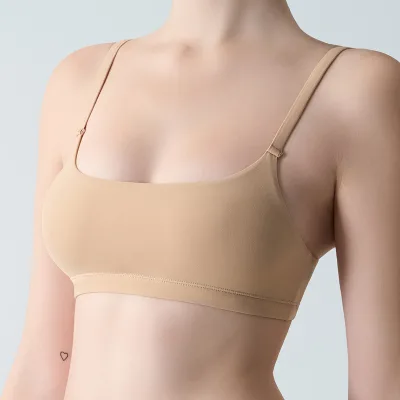
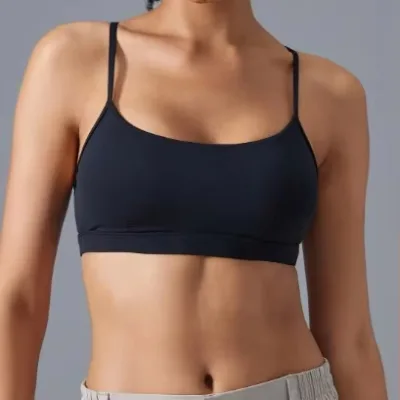
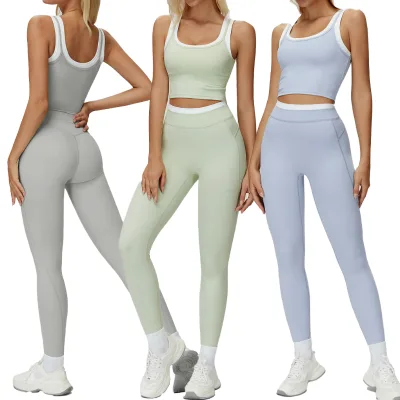




$0.50 - $5.00
MOQ: 500 Pieces


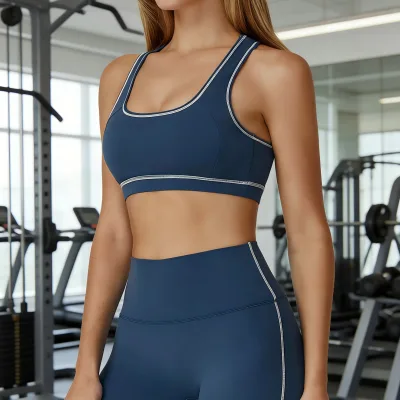



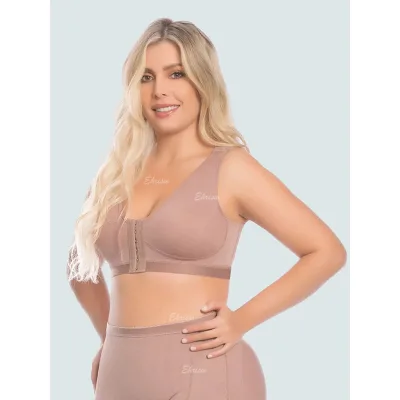

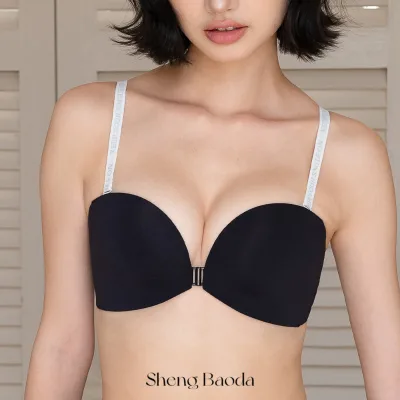

Comprehensive Sourcing Guide
Light Bra Sourcing Guide
Sourcing light bras requires a nuanced understanding of material composition and functional design, particularly when targeting the women’s adult apparel market. The observed product landscape indicates a strong preference for synthetic blends, specifically Spandex and Nylon combinations, which offer the necessary elasticity and durability for active use. Buyers must recognize that these materials are not merely aesthetic choices but critical determinants of performance, influencing how the garment handles moisture, maintains shape, and withstands repeated wear. The presence of features such as quick-drying and moisture-wicking capabilities suggests that these garments are engineered for high-intensity activities rather than passive lounging. Consequently, procurement teams should prioritize suppliers who can demonstrate consistent quality in fabric blending, as variations in the ratio of Spandex to Nylon can significantly alter the fit and longevity of the final product.
Furthermore, the customization options available in the current market provide significant flexibility for brand differentiation, yet they introduce complexity into the supply chain. With logo printing, embroidery, heat transfer, and sublimation all listed as viable techniques, buyers must evaluate which method aligns best with their brand identity and budget. The availability of any Pantone color and various pattern types, including solid and patterned designs, allows for extensive personalization. However, this freedom requires careful coordination with manufacturers to ensure that custom elements do not compromise the structural integrity of the bra. Buyers should establish clear specifications early in the negotiation process to avoid misunderstandings regarding color fastness, logo placement, and the technical feasibility of specific design requests, ensuring that the final product meets both aesthetic and functional expectations.
Product Scope and Observed Listing Signals
The current market signals indicate a diverse range of Light Bra configurations, catering to various support needs and stylistic preferences. Observed listings reveal models with high support intensity, which may seem contradictory to the "light" classification but often refers to the weight of the fabric rather than the level of compression. Products are available in multiple sizes, ranging from XS to XL, with specific cup sizes like D Cup noted for certain models, indicating that sizing standardization varies across suppliers. The inclusion of features such as anti-UV, anti-static, and windproof properties suggests that these garments are designed for outdoor activities, including cycling, fitness, and track and field. Buyers should interpret these signals as indicators of multifunctional apparel that bridges the gap between everyday wear and specialized athletic gear, requiring a thorough review of each product’s specific attribute list to ensure alignment with target customer needs.
Additionally, the packaging and shipping details provide insight into the operational scale of potential suppliers. Products are typically packed in separate plastic bags, with carton quantities ranging from 60 to 80 pieces, facilitating efficient logistics and inventory management. The availability of in-stock items alongside custom production options allows buyers to balance immediate demand with long-term branding strategies. Shipping methods include major carriers like DHL, FedEx, and UPS, as well as air and sea freight, offering flexibility in delivery speed and cost. Buyers should note that while some items are ready for immediate shipment, others may require lead times for sample production and bulk manufacturing. Understanding these logistical nuances is crucial for planning inventory levels and managing customer expectations regarding delivery timelines, especially when dealing with international suppliers based in China.
Technical Specifications to Verify
Verifying technical specifications is paramount when sourcing light bras, as subtle differences in construction can impact comfort and performance. Buyers must confirm the exact material composition, ensuring that the Spandex and Nylon blend meets the desired stretch and recovery rates. The presence of seamless construction, automated cutting, and specific techniques like beaded or nail bead embroidery indicates a higher level of manufacturing precision. These details should be verified through sample requests, as visual inspection alone may not reveal internal stitching quality or the durability of the bra cups. Additionally, the single package dimensions and gross weight provide critical data for calculating shipping costs and storage requirements. Buyers should request detailed technical sheets that outline the fabric weight, thread count, and any special treatments applied to the material, such as garment dyeing or anti-bacterial finishes, to ensure consistency across production batches.
The customization capabilities, including logo placement and pattern types, also require rigorous technical verification. Buyers should specify whether the logo will be placed on the front, back, or both, and confirm the compatibility of the chosen printing or embroidery method with the fabric type. For instance, sublimation may offer vibrant, all-over prints but requires specific synthetic fabrics, while embroidery adds texture and durability but may affect the garment’s flexibility. The availability of reversible designs and windproof features adds another layer of complexity, necessitating clear communication with suppliers about the intended use case. Buyers should also verify the size charts, as US sizing standards may vary between manufacturers. Requesting physical samples with custom logos and specific colorways is essential to assess the quality of customization and ensure that the final product meets the brand’s aesthetic and functional standards.
Compliance and Safety Documentation
Compliance and safety documentation are critical components of the sourcing process, ensuring that light bras meet regulatory standards in target markets. Buyers must verify that suppliers adhere to relevant safety standards, particularly regarding chemical usage in fabric dyeing and finishing processes. The mention of eco-friendly and anti-bacterial features suggests that some manufacturers may hold certifications related to environmental sustainability and hygiene. However, buyers should not assume these certifications are valid without requesting official documentation. It is essential to confirm that the materials used, such as Nylon and Spandex, are free from harmful substances like azo dyes or formaldehyde, which can pose health risks to consumers. Suppliers should provide test reports from accredited laboratories to substantiate their claims, ensuring that the products are safe for direct skin contact and suitable for sensitive skin types.
Furthermore, compliance with labeling and packaging regulations is equally important for international trade. Buyers must ensure that product labels include accurate information regarding material composition, care instructions, and country of origin, as required by destination market laws. The standard of packaging, which typically involves separate plastic bags and carton quantities, should also comply with environmental regulations, particularly in regions with strict plastic waste policies. Buyers should inquire about the supplier’s ability to provide necessary documentation, such as material safety data sheets (MSDS) and compliance certificates, for each batch of production. Establishing a clear compliance framework early in the sourcing process helps mitigate risks associated with product recalls, legal penalties, and brand reputation damage. Regular audits and third-party inspections can further ensure that suppliers maintain consistent adherence to safety and quality standards throughout the production cycle.
Cost Drivers and Commercial Terms
Understanding the cost drivers and commercial terms is essential for effective budgeting and negotiation when sourcing light bras. The observed price range of $0.5 to $20 USD reflects significant variation based on material quality, customization complexity, and order volume. Buyers should recognize that lower prices may correspond to basic designs with minimal customization, while higher prices often include advanced features like anti-UV protection, seamless construction, or premium fabric blends. The minimum order quantity (MOQ) ranges from 1 to 3000 pieces, offering flexibility for both small-scale startups and large retailers. However, higher MOQs typically result in lower unit costs, making it crucial for buyers to balance inventory risk with economies of scale. Negotiating favorable terms requires a clear understanding of the supplier’s cost structure and the value proposition of specific product features.
Lead times and payment terms also play a significant role in the commercial equation. The standard delivery time of 7 days for samples and 25 days for bulk production provides a baseline for planning, but buyers should confirm whether these timelines are realistic for their specific order requirements. Rush orders may incur additional fees, so early planning is essential to avoid delays. Payment terms should be negotiated to protect cash flow and mitigate risk, with options such as partial upfront payments and balance upon shipment being common. Buyers should also consider the cost of shipping, which varies based on the chosen method, whether air or sea freight, and the destination. Transparent communication regarding all potential costs, including tariffs and duties, ensures that the total landed cost is accurately calculated, preventing unexpected expenses that could erode profit margins.
Supplier Qualification and Quality Control
Supplier qualification and quality control are foundational to securing a reliable supply chain for light bras. Buyers should conduct thorough due diligence to assess the supplier’s manufacturing capabilities, including their facility size, equipment, and workforce expertise. The mention of techniques like seamless construction and automated cutting indicates a level of technological sophistication that should be verified through site visits or virtual tours. Quality control processes must be robust, with clear protocols for inspecting raw materials, monitoring production stages, and conducting final inspections. Buyers should request detailed quality assurance plans that outline the steps taken to ensure consistency in fabric quality, stitching integrity, and customization accuracy. Establishing a strong relationship with the supplier through regular communication and feedback loops can further enhance quality outcomes and foster continuous improvement.
Implementing a rigorous quality control strategy involves defining clear acceptance criteria and conducting random sampling inspections before shipment. Buyers should specify the acceptable defect rates and require suppliers to provide pre-shipment inspection reports. Third-party inspection services can offer an unbiased assessment of product quality and compliance with specifications. Additionally, buyers should evaluate the supplier’s ability to handle returns and address quality issues promptly, as this reflects their commitment to customer satisfaction. Training programs for factory workers on quality standards and best practices can also contribute to higher product consistency. By prioritizing supplier qualification and implementing comprehensive quality control measures, buyers can minimize the risk of receiving substandard products and ensure that their brand reputation remains intact in the competitive apparel market.
Long-Term Procurement Checks
Long-term procurement checks are vital for maintaining a sustainable and efficient supply chain for light bras. Buyers should regularly review supplier performance metrics, including on-time delivery rates, product quality consistency, and responsiveness to issues. Establishing key performance indicators (KPIs) and conducting periodic audits helps identify areas for improvement and ensures that suppliers remain aligned with the buyer’s standards. Continuous monitoring of market trends and technological advancements allows buyers to stay ahead of competitors by incorporating new features and materials into their product offerings. Engaging in strategic partnerships with suppliers who demonstrate innovation and reliability can lead to collaborative product development and exclusive access to new designs. Building a resilient supply chain requires proactive management and a commitment to long-term relationships rather than transactional interactions.
Furthermore, buyers should regularly reassess their sourcing strategies to adapt to changing market conditions and consumer preferences. This includes evaluating the cost-effectiveness of different suppliers, exploring alternative materials, and optimizing logistics networks. Diversifying the supplier base can mitigate risks associated with single-source dependencies, such as production disruptions or geopolitical issues. Buyers should also stay informed about regulatory changes and sustainability trends, ensuring that their sourcing practices remain compliant and environmentally responsible. By implementing a structured approach to long-term procurement checks, buyers can enhance operational efficiency, reduce costs, and maintain a competitive edge in the dynamic apparel industry. Regular feedback sessions with suppliers and internal stakeholders facilitate continuous improvement and alignment with strategic business goals.
FAQs
What materials are used for light bras?
Light bras are primarily constructed from Spandex and Nylon blends to ensure durability and comfort. These materials provide essential stretch and recovery properties. Some variations may also utilize pure Nylon for specific performance needs. The fabric choice supports breathability and moisture-wicking capabilities, making them suitable for active wear and daily use by adult women.
Can I customize the logo on light bras?
Yes, logo customization is available for these products. Buyers can choose from Printing, Embroidery, Heat Transfer, or Sublimation methods. The logo can be positioned on the front or back of the garment. This flexibility allows brands to maintain their identity while sourcing high-quality athletic wear that meets specific design requirements for various sports applications.
What is the lead time for sample orders?
Sample orders typically require a lead time of 7 days. Bulk production generally takes 25 days to complete. This timeline ensures quality control and accurate manufacturing before shipment. Buyers should plan their inventory needs accordingly to avoid delays. The efficient production cycle supports both small trial orders and larger commercial batches for global distribution.
Which features do these light bras offer?
These bras feature Breathable, Moisture-Wicking, and Quick-Drying properties. They also provide Anti-UV and Anti-Static protection. Some models include Windproof and Waterproof capabilities. The design supports body shape and offers high support levels. These attributes make them ideal for ball sports, cycling, fitness, and other athletic activities requiring comfort and performance.
What sizes are available for light bras?
Available sizes include XS, S, M, L, and XL. The US sizing corresponds to XS(2), S(4), M(6), L(8-10), and XL(12). Specific models may also offer D Cup options for enhanced support. Buyers can select the appropriate size based on their target demographic. The range ensures a proper fit for adult women engaging in various physical activities and sports.
How are light bras packaged for shipping?
Products are packed in separate plastic bags for individual protection. Each carton contains 60 to 80 pieces. This packaging method optimizes space and protects the items during transit. The standard packing ensures that goods arrive in pristine condition. Buyers can rely on this consistent packaging for efficient inventory management and retail display preparation upon delivery.