Source Lightweight Nylon Camping Hammock for Hiking, Travel, and Backyard Use
Compare 30 listings of Lightweight Nylon Camping Hammock with varying capacities, sizes, and delivery times. Buyers can evaluate options ranging from single to double capacity with delivery times of 60 days; compare the available evidence and request quotations based on your requirements.
Key considerations
Products List


Winter Camping Windproof Insulation Hammock Outdoor Cotton Thickened Hammock
$18.00 - $22.00
MOQ: 1000 Pieces

Winter Camping Windproof Insulation Hammock Outdoor Cotton Thickened Hammock
$30.00 - $35.00
MOQ: 1000 Pieces
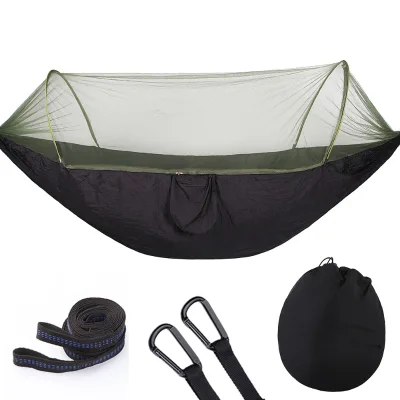
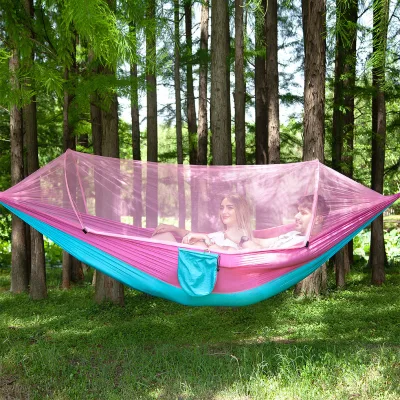


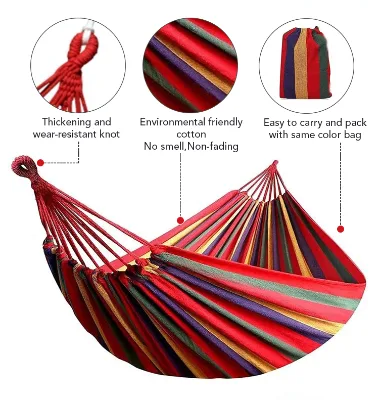


Comprehensive Sourcing Guide
Lightweight Nylon Camping Hammock Sourcing Guide
Procuring lightweight nylon camping hammocks requires a strategic balance between packability, durability, and load-bearing safety. Buyers must navigate a market where "lightweight" often conflicts with high weight capacities, necessitating careful verification of material denier and weave density. The core challenge lies in identifying suppliers who can deliver consistent tensile strength without adding excessive bulk, ensuring the product meets the rigorous demands of outdoor enthusiasts who prioritize portability.
This guide outlines the essential verification steps for sourcing these products, focusing on technical specifications, compliance, and commercial terms. By understanding the nuances of nylon fabric structures and packing methods, procurement teams can mitigate risks associated with product failure or mismatched expectations. The following sections provide a structured approach to evaluating suppliers and ensuring that the final product aligns with both brand standards and end-user requirements for outdoor adventure gear.
Product Scope and Observed Listing Signals
The observed market signals indicate a diverse range of configurations, with product models such as HA145, H001, and THH series variants appearing frequently. Listings often highlight customization options, allowing buyers to tailor colors, fabrics, and packing methods to specific brand identities. The presence of both single and double capacity options suggests that suppliers cater to individual travelers as well as couples, requiring distinct sizing standards like 200150cm or 24080cm to accommodate different user profiles effectively.
Material composition is a critical differentiator, with polyester and nylon fabrics both present in the current landscape. Some listings specify complex structures like 210t Nylon Spinning combined with cotton, indicating a hybrid approach to comfort and durability. Buyers should note that while many products are marked as waterproof, the specific treatment levels vary. Understanding these material distinctions is vital for selecting the right balance between water resistance, breathability, and overall weight for the target market segment.
Technical Specifications to Verify
Verifying the structural integrity of the hammock is paramount, particularly regarding weight capacity and fabric thickness. Observed data points to a weight capacity range of 80-200 kg, which must be validated through independent testing to ensure safety margins are met. The distinction between thickened and non-thickened fabrics also impacts durability and pack size, requiring buyers to specify their preference clearly. Additionally, the inclusion of specific rope types, such as two-side cotton yarn rope, affects both the hanging mechanism and the overall aesthetic appeal of the final product.
Packing specifications vary significantly, with options ranging from simple plastic bags to premium nylon carry bags. These choices directly influence the retail presentation and the perceived value of the product. Buyers must also confirm the exact dimensions of the packed item, such as 19x8x8 cm, to optimize logistics and storage efficiency. Furthermore, the standard size of the unfolded hammock, whether 280140cm or 300200cm, must align with the intended use case, ensuring adequate space and comfort for users during outdoor activities.
Compliance and Safety Documentation
Safety compliance is non-negotiable for camping equipment, requiring rigorous documentation to mitigate liability risks. Buyers should request detailed test reports that verify the tensile strength of the nylon fabric and the integrity of the stitching under load. While specific certification standards may vary by region, ensuring that the product meets general safety requirements for outdoor gear is essential. This includes verifying that all components, including ropes and carabiners if included, are free from defects that could lead to failure during use.
Environmental and chemical safety is another critical area, particularly given the use of synthetic fabrics like nylon and polyester. Buyers must ensure that the materials used are non-toxic and comply with relevant regulations regarding chemical substances in consumer goods. Documentation should confirm that the dyes and treatments applied to the fabric do not contain harmful substances. This due diligence not only protects consumers but also enhances the brand’s reputation for responsible manufacturing and ethical sourcing practices in the outdoor industry.
Cost Drivers and Commercial Terms
Several factors influence the final cost of lightweight nylon camping hammocks, including material quality, customization complexity, and order volume. The choice between polyester and nylon, as well as the specific weave density, directly impacts raw material costs. Customization options, such as unique colors or branded packing, add to the production expense but can significantly enhance market differentiation. Buyers should negotiate clearly on these variables to ensure that the final price reflects the desired quality and feature set without hidden fees.
Lead times and payment terms are also crucial commercial considerations. Observed delivery times of around 60 days suggest a standard production cycle, which buyers must account for in their inventory planning. Understanding the minimum order quantities (MOQ) is essential, as these can range widely depending on the supplier’s capacity and the complexity of the customization. Establishing clear terms for revisions, delays, and quality disputes upfront helps prevent misunderstandings and ensures a smoother procurement process from order placement to final delivery.
Supplier Qualification and Quality Control
Evaluating supplier qualifications involves assessing their manufacturing capabilities, quality control processes, and track record in the outdoor gear sector. Buyers should prioritize suppliers who demonstrate a commitment to consistent quality, evidenced by robust inspection protocols and transparent communication. The ability to provide samples for evaluation is a key indicator of a supplier’s confidence in their product. Additionally, verifying the supplier’s origin, such as Ningbo or Shanghai, can provide insights into their logistical advantages and supply chain efficiency.
Quality control should extend beyond the final product to include raw material inspection and in-process checks. Buyers must ensure that the supplier adheres to strict standards for fabric weight, stitching strength, and colorfastness. Regular audits or third-party inspections can help maintain these standards throughout the production run. Establishing a clear feedback loop for addressing defects or deviations is also essential, ensuring that any issues are resolved promptly and that future orders meet the agreed-upon specifications without compromise.
Long-Term Procurement Checks
Sustaining a successful procurement relationship requires ongoing monitoring of product performance and supplier reliability. Buyers should collect feedback from end-users to identify any recurring issues with durability, comfort, or packing convenience. This data can inform future design iterations and help suppliers refine their manufacturing processes. Regularly reviewing supplier performance metrics, such as on-time delivery rates and defect percentages, ensures that the partnership remains productive and aligned with business goals.
Adapting to market trends and technological advancements is also crucial for long-term success. As outdoor gear evolves, staying informed about new materials, weaving techniques, and sustainability practices can provide a competitive edge. Buyers should engage in continuous dialogue with suppliers to explore opportunities for innovation and improvement. By maintaining a proactive approach to procurement, companies can ensure that their lightweight nylon camping hammocks remain relevant, high-quality, and desirable in an increasingly competitive market.
FAQs
What materials are used in these camping hammocks?
The hammocks are constructed from durable polyester and nylon fabrics. Some models feature a structure of 210t nylon spinning combined with cotton for added comfort. These materials ensure the product is lightweight yet strong enough for outdoor camping use, providing a reliable resting solution for travelers.
Can I customize the size of the hammock?
Yes, customization is available for these products. Standard specifications include sizes like 200*150cm, 240*80cm, and 300*200cm. Buyers can request specific dimensions to suit their needs. The product is offered in single or double capacities, allowing for flexible selection based on individual or shared camping requirements.
What is the typical delivery time for orders?
The standard delivery time is approximately 60 days. This lead time applies to most orders placed for these camping hammocks. Buyers should plan their procurement schedules accordingly to ensure timely arrival. This timeframe allows for production and quality checks before the goods are shipped from the origin locations.
How much weight can the hammock support?
The weight capacity ranges from 80 to 200 kg. This range ensures suitability for various user sizes. The sturdy construction supports heavy loads safely. Buyers can select models based on their specific weight requirements. This capacity makes the hammock a versatile choice for diverse camping scenarios and user demographics.
What packaging options are provided for the hammocks?
Packaging varies by model, including PC, nylon carry bags, OPP bags, and plastic bags. Some items are packed in non-toxic materials. The packaging is designed to protect the product during transit. Buyers receive the hammock in a compact form, making it easy to store and transport to outdoor locations efficiently.
Are these hammocks waterproof for outdoor use?
Yes, the hammocks are described as waterproof. This feature makes them suitable for various weather conditions during camping trips. The fabric treatment helps repel moisture. Buyers can rely on this attribute for outdoor activities. It ensures the product remains functional and durable even when exposed to damp environments.