Source Long Pulse Solar Simulator for Testing and Research
Compare 29 Long Pulse Solar Simulator options from verified suppliers. These units support universal testing and auto testing with adjustable flash times and high spectral matching for reliable photovoltaic evaluation.
Key considerations
Products List


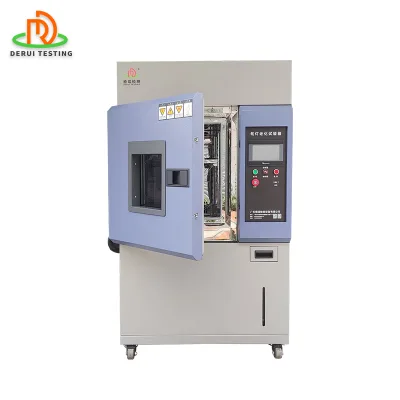


Large Area Solar Simulator Laboratory Solar Simulator Xenon Lamp Sun Simulator
$99.00 - $4390.00
MOQ: 2 Pieces


Solar Simulator Manufacturers Pulsed Solar Simulator Am 1.5 Solar Simulator
$12000.00 - $15000.00
MOQ: 1 Pieces

Low Cost Solar Simulator Solar Light Simulator Solar System Simulator
$12000.00 - $15000.00
MOQ: 1 Pieces

Solar Power Simulator Solar Array Simulator Price Good PV Simulator
$60000.00 - $65000.00
MOQ: 1 Pieces

Large Area Solar Simulator Laboratory Solar Simulator Xenon Lamp Sun Simulator
$12000.00 - $15000.00
MOQ: 1 Pieces

Best Solar System Simulator PV Array Simulator Solar Sun Simulator
$12000.00 - $15000.00
MOQ: 1 Pieces

Comprehensive Sourcing Guide
Strategic Sourcing Guide for Long Pulse Solar Simulators
Procuring a Long Pulse Solar Simulator represents a significant capital investment for photovoltaic testing facilities, research laboratories, and manufacturing quality assurance departments. These specialized instruments are designed to replicate natural sunlight conditions to evaluate the performance of solar cells and modules under controlled environments. Unlike continuous wave simulators, long pulse systems utilize high-intensity xenon lamps to deliver energy in discrete bursts, offering distinct advantages for specific testing protocols while presenting unique challenges in terms of calibration, thermal management, and operational safety. This guide outlines the critical factors buyers must evaluate to ensure the acquisition of equipment that meets rigorous industry standards and operational requirements.
Technical Specifications and Performance Metrics
The core functionality of a Long Pulse Solar Simulator is defined by its ability to mimic the spectral distribution and irradiance of the sun with high precision. When evaluating potential units, buyers must scrutinize the spectral range, which is a primary determinant of testing validity. High-performance models typically adhere to the IEC 60904-9:2020 standard, covering a spectral range from 300nm to 1200nm. This range is essential for capturing the full spectrum of light that silicon-based and thin-film solar technologies utilize. The spectral matching factor is another critical metric; top-tier units often achieve an a+ Grade classification, indicating a spectral matching ratio between 0.875 and 1.125. This ensures that the test results are comparable to outdoor measurements.
Irradiance stability and uniformity are equally vital for accurate data collection. Buyers should look for specifications that guarantee an irradiance instability (Sti) of less than or equal to 0.25% and a long-term instability (Lti) of no more than 1% for a+ Grade performance. Non-uniformity across the illuminated area should also be minimized, with acceptable limits often set at 1% or lower. The flash time, which dictates the duration of the light pulse, is a variable parameter in long pulse systems. Adjustable ranges, such as 10 to 150 milliseconds, provide flexibility for testing different cell types and configurations. A specific setting of 15 milliseconds is often observed in standard configurations, but the ability to adjust this parameter is crucial for optimizing test speed and thermal load on the device under test.
The lamp type and life expectancy are fundamental hardware considerations. Most advanced units employ straight tube xenon lamps, which offer superior spectral stability compared to other light sources. The operational lifespan of these lamps is a key cost driver; high-quality units boast a lamp life exceeding 100,000 flashes at a 10ms pulse duration. This longevity reduces the frequency of maintenance and replacement costs over the equipment's lifecycle. Furthermore, the test resolution, often specified as 16-bit with a measurement resolution of 0.003%, ensures that even minute variations in electrical output are captured accurately. The test speed, capable of processing up to 240 pieces per hour, is a significant efficiency metric for high-volume manufacturing environments.
Compliance, Certification, and Standard Adherence
In the solar testing industry, compliance with international standards is not merely a formality but a prerequisite for data acceptance. The primary standard governing solar simulators is IEC 60904-9, which classifies simulators based on their spectral match, irradiance uniformity, and temporal stability. Buyers must verify that the equipment explicitly claims compliance with this standard and, specifically, the AAA classification, which represents the highest tier of performance. This classification ensures that the simulator meets the strictest requirements for spectral match, uniformity, and stability.
Beyond the IEC standard, buyers should verify if the equipment supports other relevant testing protocols, such as JIS C 8904-9 or ISO 24444:2019, depending on the target market for the solar products being tested. While these standards provide a framework, the actual certification status of a specific unit must be confirmed through documentation provided by the manufacturer. It is essential to request the most recent calibration certificates and test reports that validate the simulator's performance against these standards. The absence of such documentation should be treated as a red flag, as it implies that the claimed performance metrics are unverified.
The physical dimensions and environmental operating conditions also play a role in compliance. The equipment must operate within specific temperature and humidity ranges, typically between 5°C and 30°C with relative humidity not exceeding 85%. Units designed for harsher environments may feature higher protection classes, such as IP55, which guards against dust and water jets. Additionally, the electrical requirements, including voltage (e.g., 200-240V or 380V) and phase configuration, must match the facility's power infrastructure to ensure safe and stable operation.
Cost Drivers and Total Cost of Ownership
The initial purchase price of a Long Pulse Solar Simulator is influenced by a complex array of factors, including the lamp technology, control system sophistication, and the precision of the optical components. Prices can vary significantly, ranging from entry-level units to high-end systems costing tens of thousands of dollars. However, the initial price is only one component of the total cost of ownership (TCO). Buyers must consider the ongoing costs associated with lamp replacement, energy consumption, and maintenance.
The lamp life is a primary driver of long-term costs. A unit with a lamp life of over 100,000 flashes will incur lower replacement costs over a decade of operation compared to a unit with a shorter lifespan. Energy consumption is another factor; high-power units, such as those with 5KW or 6KW lamps, will have higher electricity bills. The cooling system requirements, including water or air cooling, also contribute to operational expenses.
Customization options, such as OEM or ODM support, can increase the initial cost but may offer long-term savings by integrating the simulator more seamlessly into existing production lines. The packaging and shipping costs, often involving wooden boxes for heavy equipment, should also be factored into the budget. Buyers should request a detailed breakdown of costs, including the price of spare parts and the estimated cost of a full calibration service, to make an informed financial decision.
Typical Applications and Operational Use Cases
Long pulse solar simulators are versatile tools used across various stages of the solar industry. In research and development, they are essential for characterizing new photovoltaic materials and cell architectures. The ability to adjust flash time and irradiance levels allows researchers to simulate different environmental conditions and stress-test new designs. In manufacturing, these simulators are used for quality control and sorting. The high test speed of 240 pieces per hour makes them suitable for inline testing, where rapid evaluation of large batches of solar cells is required.
The four-wire testing method supported by many units ensures accurate measurement of electrical parameters, which is critical for determining the efficiency and performance of the device under test. Some advanced models include features like rainfall cycles, adjustable from 1 to 240 minutes, which allow for the simulation of weather conditions and the testing of module durability. The application of these simulators extends to universal testing and automated testing systems, where they can be integrated into robotic handling systems for unattended operation.
Supplier Evaluation and Quality Assurance
Selecting a reliable supplier is as important as selecting the right equipment. Buyers should evaluate suppliers based on their technical expertise, manufacturing capabilities, and after-sales support. The place of origin, such as Jiangsu or Guangdong in China, can provide insights into the local manufacturing ecosystem and supply chain maturity. However, the specific location should not be the sole determinant of quality. Instead, buyers should focus on the supplier's track record, the transparency of their manufacturing processes, and their willingness to provide detailed technical documentation.
Quality control measures implemented by the supplier are critical. Buyers should inquire about the testing procedures used to verify the simulator's performance before shipment. This includes checks on spectral matching, irradiance uniformity, and stability. The warranty period, typically 12 months or one year, is a key indicator of the supplier's confidence in their product. A comprehensive warranty should cover defects in materials and workmanship, as well as the availability of technical support and spare parts.
Long-Term Procurement Considerations
When planning for the long term, buyers must consider the scalability and upgradeability of the solar simulator. As technology evolves, the ability to update the control software or replace optical components with newer, more efficient versions can extend the useful life of the equipment. The availability of calibration services and the cost of maintaining the equipment over time are also important factors. Buyers should establish a relationship with the supplier that includes regular maintenance schedules and access to technical expertise.
The environmental impact of the equipment is another consideration. High-power lamps and cooling systems consume significant energy, and buyers should look for features that minimize energy usage, such as efficient power supplies and optimized cooling systems. The disposal of old lamps and other components should also be managed in accordance with environmental regulations. By carefully evaluating these long-term factors, buyers can ensure that their investment in a Long Pulse Solar Simulator remains a valuable asset for years to come.
Summary of Key Specifications for Comparison
To facilitate a structured comparison of potential units, the following table summarizes the key technical specifications observed in high-quality long pulse solar simulators. This data serves as a benchmark for buyers to evaluate the performance of different models against industry standards.
| Specification | Typical High-Performance Value | Relevance to Procurement |
|---|---|---|
| Spectral Range | 300-1200nm (IEC 60904-9:2020) | Ensures full spectrum coverage for accurate testing. |
| Spectral Matching | 0.875-1.125 (a+ Grade) | Critical for data validity and standard compliance. |
| Irradiance Instability (Sti) | ≤0.25% (a+ Grade) | Indicates short-term stability during a single flash. |
| Irradiance Instability (Lti) | ≤1% (a+ Grade) | Reflects long-term stability over multiple flashes. |
| Flash Time | 10-150ms (Adjustable) | Allows customization for different cell types. |
| Lamp Type | Straight Tube Xenon Lamp | Offers superior spectral stability and longevity. |
| Lamp Life | >100,000 times (at 10ms) | Reduces long-term maintenance and replacement costs. |
| Test Resolution | 16-bit (0.003% resolution) | Ensures high precision in measurement data. |
| Test Speed | 240 PCS/H | Determines throughput for manufacturing environments. |
| Accuracy Class | Standard Accuracy (±1.0%~±2.0% FS) | Defines the overall measurement reliability. |
| Warranty | 12 Months / 1 Year | Standard protection period for defects and support. |
| Voltage | 200-240V or 380V | Must match facility power infrastructure. |
| Protection Class | IP55 | Indicates resistance to dust and water ingress. |
By adhering to these guidelines and focusing on the verified specifications and standards, buyers can navigate the complex market for long pulse solar simulators with confidence. The goal is to secure equipment that not only meets current testing needs but also provides a robust foundation for future growth and innovation in the solar industry.
FAQs
What is the spectral range of this Long Pulse Solar Simulator?
The spectral range covers 300 to 1200 nanometers according to IEC 60904-9:2020 standards. This ensures accurate testing for silicon and thin-film technologies by capturing the full spectrum of sunlight required for valid performance evaluation.
How adjustable is the flash time for different testing needs?
The flash time is adjustable between 10 and 150 milliseconds to accommodate various cell types. A standard setting of 15 milliseconds is available, allowing users to optimize test speed and manage thermal load on the device under test effectively.
Which certification grade does the irradiance stability achieve?
The unit achieves an a+ Grade classification for spectral matching and irradiance stability. It maintains instability levels of 0.25% for short-term and 1% for long-term performance, ensuring high precision comparable to outdoor measurements.
Can the equipment handle high-volume manufacturing testing speeds?
Yes, the system supports a test speed of up to 240 pieces per hour. This high throughput makes it suitable for inline quality control and sorting in manufacturing environments requiring rapid evaluation of large batches of solar cells.
What is the expected lifespan of the xenon lamp used?
The straight tube xenon lamp offers a lifespan exceeding 100,000 flashes at a 10-millisecond pulse duration. This longevity significantly reduces maintenance frequency and replacement costs over the operational lifecycle of the simulator.
How does the system ensure measurement accuracy during testing?
It utilizes a 16-bit test resolution with a measurement resolution of 0.003% for high precision. The system also features a four-wire testing method to ensure accurate electrical parameter measurement and repeatable test accuracy below 0.3%.
What customization options are available for this solar simulator?
OEM and ODM customization support is available to tailor the unit to specific requirements. Buyers can request modifications to integrate the simulator seamlessly into existing production lines or adapt it for unique testing protocols.