Source Lost Wax Casting Gorilla Statue for Garden, Church, and Villa
Find 25 options for a Lost Wax Casting Gorilla Statue crafted from copper or resin. Compare European and American styles, hand-made finishes, and custom sizes for home decor, church decoration, and business gifts; compare the available evidence and request quotations based on your requirements.
Updated
Key considerations
Products List


Bronze Gorilla Statue Large Gorilla Bronze Sculptures for Outdoor Decoration
$2350.00 - $4800.00
MOQ: 1 Pieces

Hot Sale Hand Crafted Bronze Gorilla Life Size Statue Bronze Wildlife Sculpture
$2350.00 - $4800.00
MOQ: 1 Pieces
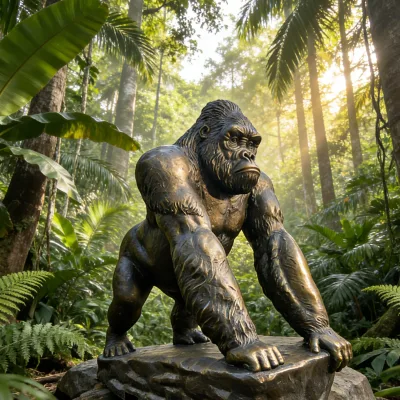
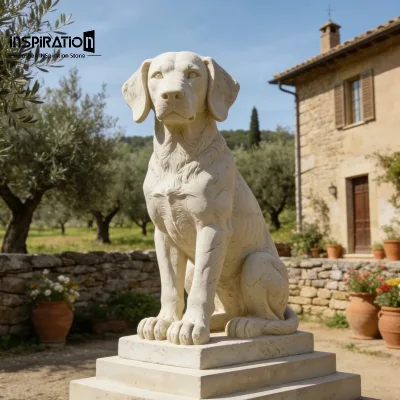
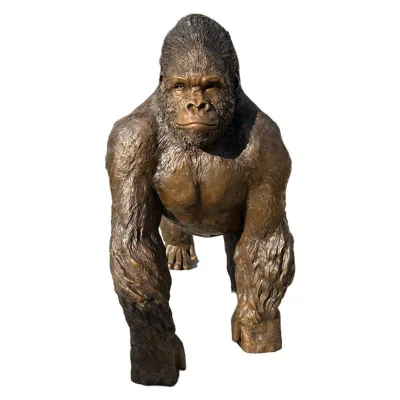
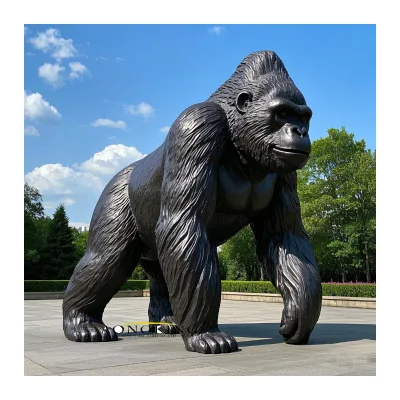
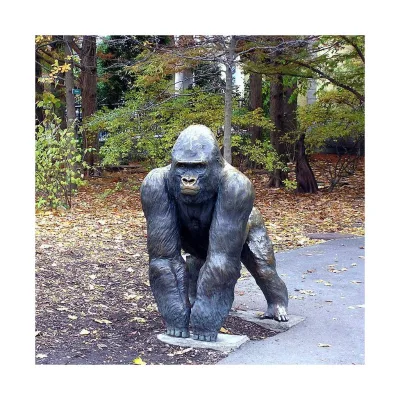
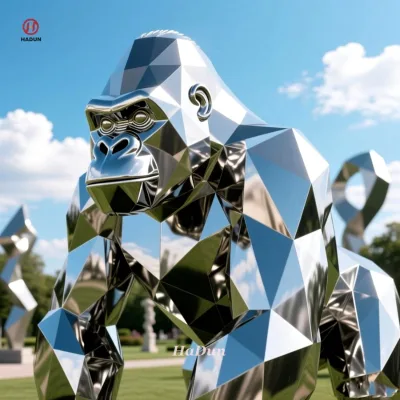
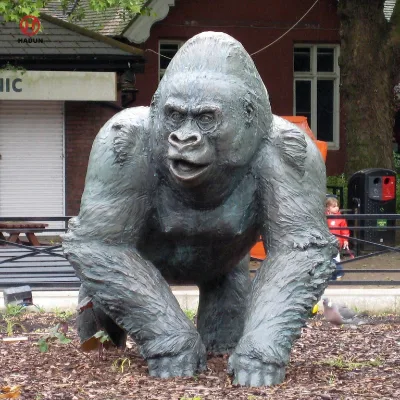


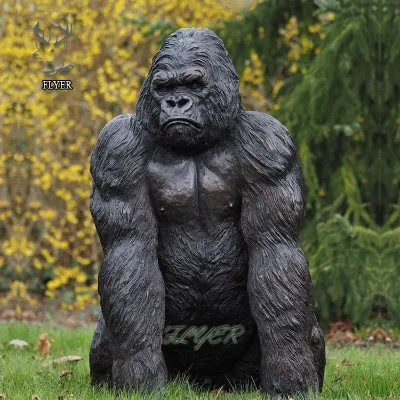
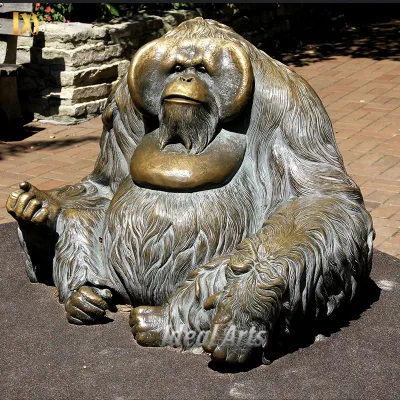

Large Size Gorilla Copper Statue Sitting Gorilla Sculpture on The Grass
$1500.00 - $9000.00
MOQ: 2 Pieces
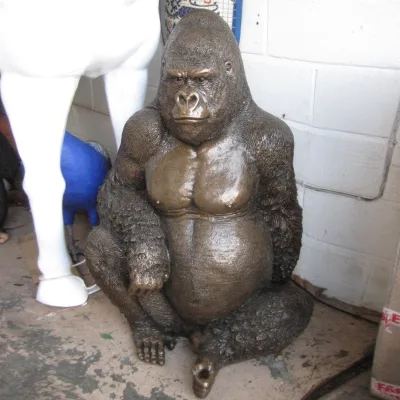
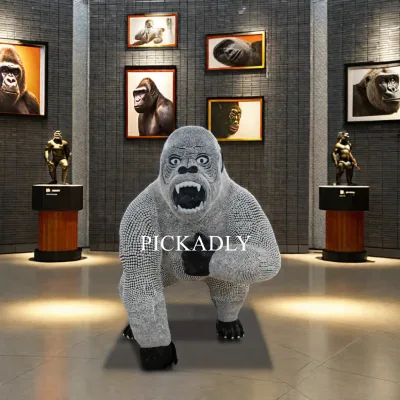
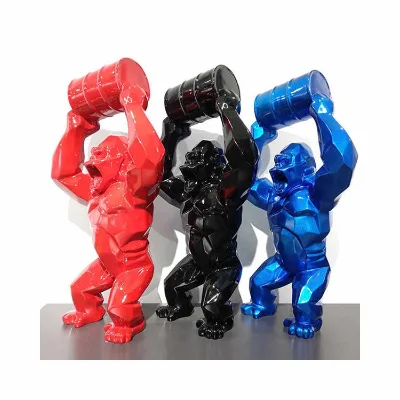
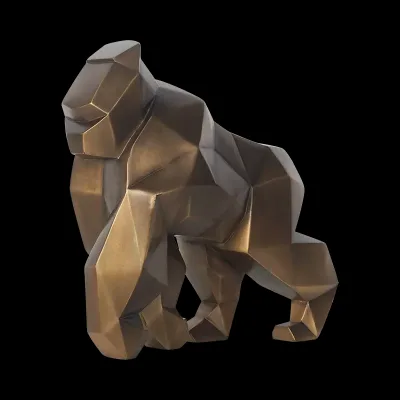
Factory Directly Supply Outdoor Garden Custom Bronze Animal Large Metal Gorilla Statues for Sale
$2049.3106 - $5123.2764
MOQ: 1 Minimum


Comprehensive Sourcing Guide
Lost Wax Casting Gorilla Statue Sourcing Guide
Procuring a Lost Wax Casting Gorilla Statue requires a nuanced understanding of both the artistic process and the industrial supply chain. This guide synthesizes observed market data to help buyers navigate the complexities of sourcing high-quality bronze or resin figures. By focusing on verified attributes such as material composition, surface treatment, and customization options, purchasers can mitigate risks associated with overseas manufacturing. The following sections provide a structured approach to evaluating suppliers, ensuring that the final product meets aesthetic and durability standards for outdoor or indoor installation.
Buyers must distinguish between pure metal casting and composite alternatives, as this decision significantly impacts cost and longevity. While traditional lost wax casting produces dense, durable bronze statues, many market listings offer resin or cast stone variants that mimic the appearance of metal at a lower price point. Understanding these material distinctions is critical for aligning procurement with specific project budgets and environmental requirements. This guide emphasizes verification of material claims to prevent misrepresentation and ensure the selected statue performs adequately in its intended setting.
Product Scope and Observed Listing Signals
The current market for gorilla statues exhibits a wide range of material compositions and stylistic approaches, primarily centered in China. Observed listings indicate that products are often categorized under European and American styles, with a strong emphasis on animal figures and human-like forms. Buyers should note that while some items are explicitly described as copper or bronze, others utilize resin, cast stone, or fiberglass as primary materials. This diversity allows for flexibility in sourcing but requires careful scrutiny of product descriptions to ensure the material matches the intended application, whether for a garden, church, or commercial lobby.
Surface treatment and finishing techniques are critical differentiators in this product category. Many suppliers offer options such as burnishing, patina coloring, and polishing to achieve specific aesthetic effects. For instance, some listings highlight a "burnish & patina color" finish, which is typical for bronze statues to simulate age and depth, while others may offer painted or polished surfaces for resin or stone figures. Buyers should verify the specific surface treatment process to ensure it aligns with the desired visual outcome and environmental durability, particularly for outdoor installations where weather resistance is paramount.
Technical Specifications to Verify
Dimensional accuracy and structural integrity are paramount when sourcing large-scale statues. Observed specifications indicate that sizes can range from one-size-fitting models to large-scale figures with heights between 60 and 300 centimeters. Buyers must confirm the exact dimensions and weight of the statue, as these factors influence shipping costs and installation requirements. Additionally, the production technique, often cited as lost wax casting or hand-made processes, should be verified to ensure the statue meets quality expectations. Customized sizes are frequently available, allowing for tailored solutions, but buyers should request detailed technical drawings or 3D models before finalizing orders.
Material composition and durability features require explicit confirmation to avoid discrepancies. While some products are marketed as eco-friendly and durable, others may rely on cast stone or fiberglass, which have different maintenance profiles. Buyers should inquire about the specific alloy or composite used, as well as any protective coatings applied during the surface treatment phase. For outdoor applications, weatherability is a key concern, and suppliers should provide evidence of the material's resistance to environmental factors. Verifying these technical details ensures that the statue will withstand its intended environment without premature degradation.
Compliance and Safety Documentation
Safety and regulatory compliance are essential considerations, particularly for statues installed in public spaces or commercial properties. Buyers should request documentation regarding the structural stability of the statue, including wind load resistance and base anchoring requirements. While specific safety certifications were not explicitly listed in the observed data, suppliers should be able to provide test results or engineering assessments that confirm the statue's stability. This is especially important for large, heavy figures that may pose a risk if not properly secured.
Environmental and material safety standards must also be addressed to ensure the product meets local regulations. Buyers should verify that the materials used, such as resins or coatings, comply with relevant environmental standards, particularly if the statue is intended for indoor use or areas with strict air quality regulations. Additionally, suppliers should provide information on the non-toxicity of the materials, ensuring that the statue does not release harmful substances over time. Clear communication regarding compliance helps mitigate legal risks and ensures the product can be legally installed in the target market.
Cost Drivers and Commercial Terms
Pricing for gorilla statues varies significantly based on material, size, and customization level. Observed price ranges in the market span from approximately $550 to $9000, reflecting the diversity of products available. Factors such as the complexity of the design, the thickness of the material, and the extent of hand-finishing contribute to cost variations. Buyers should request detailed quotes that break down costs for materials, labor, and shipping to understand the total investment. Customization options, such as unique designs or specific patina colors, may incur additional charges, so these should be clarified upfront.
Minimum order quantities (MOQ) and lead times are critical commercial terms that impact procurement planning. Observed data suggests that MOQs can be as low as one piece, making it feasible for individual buyers or small projects to order custom statues. However, lead times can vary, with some suppliers indicating delivery times of three weeks or 15-20 days. Buyers should confirm these timelines and factor them into their project schedules. Additionally, payment terms and shipping arrangements should be negotiated to ensure a smooth transaction, with clear responsibilities for customs clearance and insurance.
Supplier Qualification and Quality Control
Evaluating supplier qualifications is crucial to ensuring the reliability of the procurement process. Buyers should verify the supplier's experience in lost wax casting or related techniques, as well as their portfolio of previous projects. Online technical support and after-sales services, such as warranties of one or two years, can indicate a supplier's confidence in their product quality. Additionally, suppliers with project solution capabilities, including 3D model design and total solutions, offer added value by assisting with installation and integration.
Quality control measures should be established to maintain consistency and meet expectations. Buyers should request samples or detailed photographs of previous work to assess craftsmanship and attention to detail. Inspections during production, such as checking the mold quality and surface finishing, can help identify potential issues early. Clear communication regarding quality standards and acceptance criteria is essential to ensure the final product meets the buyer's requirements. Establishing a robust quality control process minimizes the risk of receiving substandard goods and ensures customer satisfaction.
Long-Term Procurement Checks
Long-term success in sourcing gorilla statues depends on establishing strong relationships with reliable suppliers. Buyers should conduct periodic reviews of supplier performance, focusing on delivery times, product quality, and customer service responsiveness. Maintaining open communication channels allows for the resolution of any issues that may arise during the procurement process. Additionally, staying informed about market trends and new technologies can help buyers make informed decisions and stay competitive.
Maintenance and care instructions provided by the supplier are vital for the longevity of the statue. Buyers should ensure that they receive comprehensive guidelines on cleaning, protective treatments, and repair procedures. Low maintenance requirements are a desirable feature, but proper care is still necessary to preserve the statue's appearance and structural integrity. By prioritizing long-term procurement checks and maintenance planning, buyers can ensure that their investment in a gorilla statue remains valuable and visually appealing for years to come.
FAQs
Can I customize the size of a Lost Wax Casting Gorilla Statue?
Yes, customization is available for lost wax casting gorilla statues. The standard height ranges from 60 to 300 cm, allowing for large-scale installations. Buyers can request customized sizes to fit specific architectural or garden spaces. This flexibility ensures the statue meets precise spatial requirements while maintaining the integrity of the hand-made lost wax casting technique.
What is the typical delivery time for these statues?
The typical delivery time is approximately three weeks or 15 to 20 days. This lead time accounts for the intricate hand-made process and surface treatments like burnishing and patina coloring. Buyers should plan their project schedules accordingly to ensure timely installation. The production timeline ensures quality control during the lost wax casting and finishing stages.
What materials are used for outdoor gorilla statues?
Outdoor gorilla statues are commonly made from copper, resin, or cast stone. Copper statues offer durability and a classic aesthetic with patina finishes. Resin and cast stone options provide eco-friendly, weather-resistant alternatives. These materials are selected for their ability to withstand outdoor conditions while maintaining the detailed craftsmanship of the lost wax casting or hand-made processes.
What is the minimum order quantity for these statues?
The minimum order quantity is typically one piece. This low MOQ allows buyers to purchase single units for personal decoration or small projects. It facilitates easy testing of quality and design before committing to larger orders. The flexible ordering policy supports both individual collectors and businesses seeking unique decorative elements for their spaces.
How durable are cast stone gorilla statues for outdoor use?
Cast stone gorilla statues are designed to be durable and weather-resistant. They feature low maintenance requirements, making them suitable for long-term outdoor placement. The material ensures longevity against environmental factors while preserving the detailed design. Buyers can rely on these statues for enduring decorative value in gardens, parks, or commercial landscapes without frequent upkeep.
What after-sales service is provided for these statues?
After-sales service includes a warranty of one to two years and online technical support. Buyers receive assistance for installation or maintenance queries. This support ensures the statue remains in optimal condition over time. The service commitment reflects the manufacturer's dedication to customer satisfaction and the long-term quality of the hand-made or cast products.