Source Recyclable Acrylic File Organizer for Office, Retail, and Home
Find 30 Recyclable Acrylic File Organizer options from Zhejiang manufacturers. Compare specs like PMMA material, single-tier design, and stackable features for office desk organization needs. Evaluate dimensions, thickness, and customization options to select the best fit for your business requirements.
Updated
Key considerations
Products List
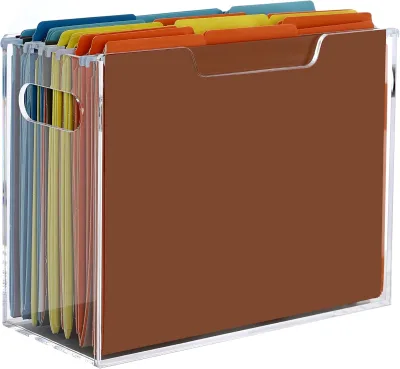
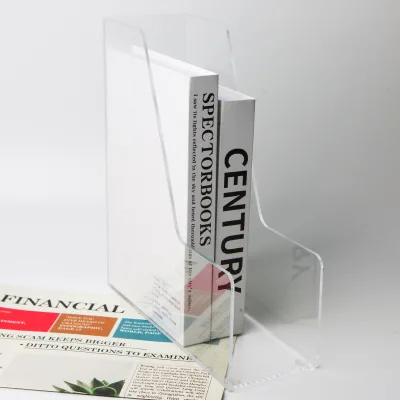
High Transparent Suspension File Acrylic Organizer Acrylic File Holder
$7.3783 - $7.685
MOQ: 500 pieces
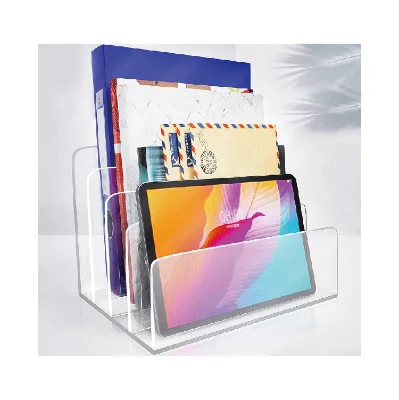


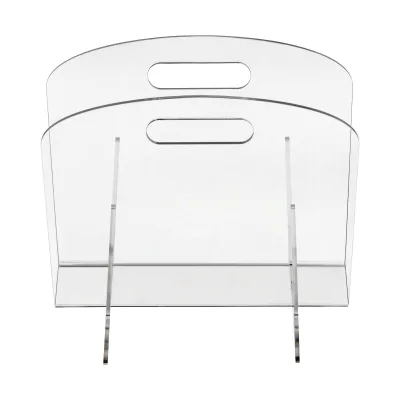
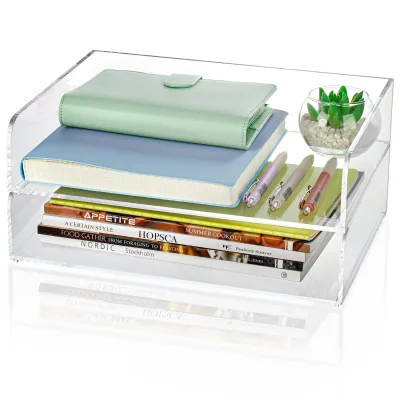
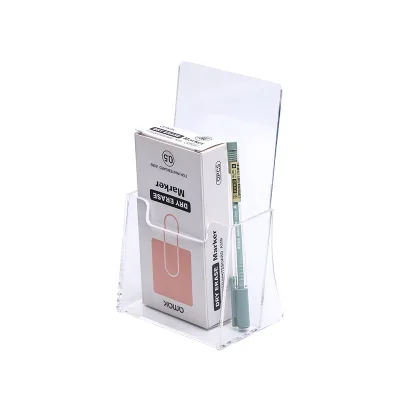
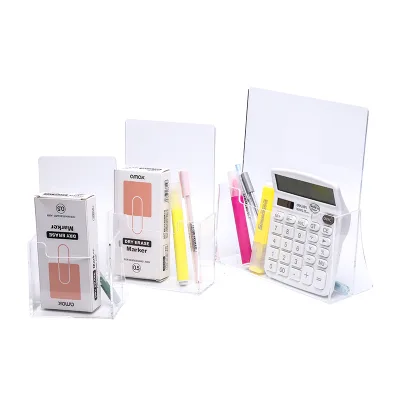
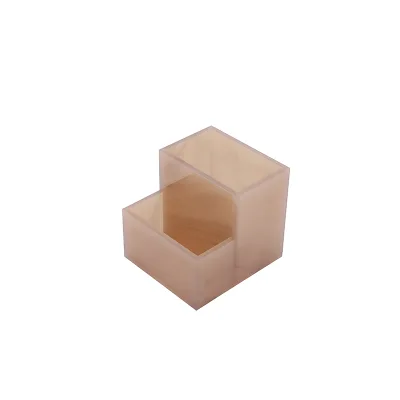
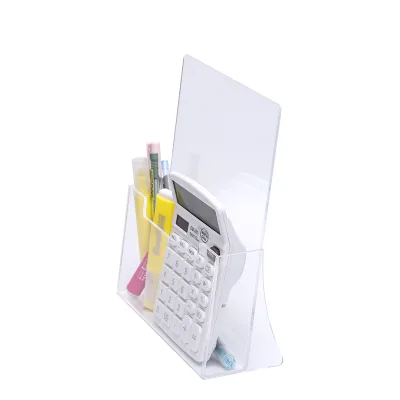


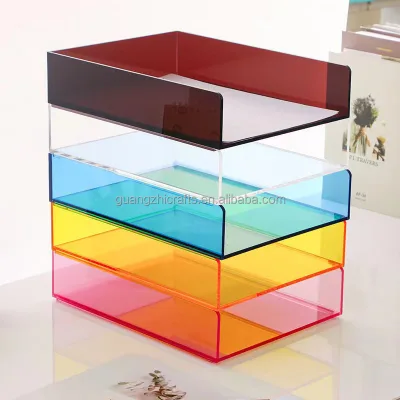
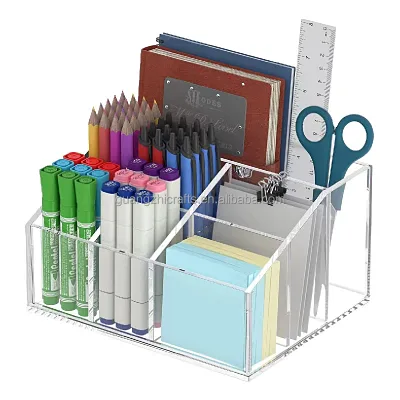
Transparent Acrylic Organizer Stand Counter Clear Acrylic Stationery Organizer
$2.8618 - $12.5694
MOQ: 100 Minimum
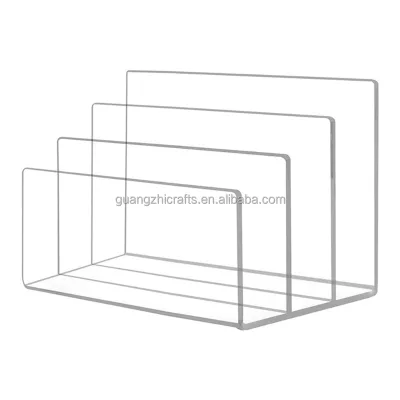
Desk Organization Acrylic Documents Organizer Clear U Style Acrylic Folder
$1.50 - $7.50
MOQ: 100 Minimum
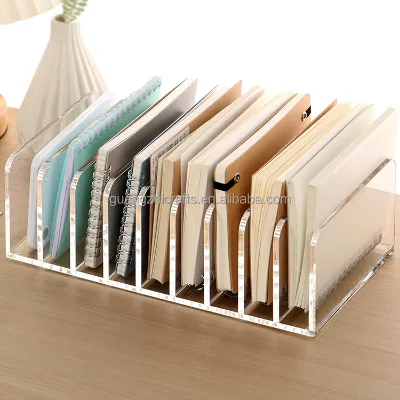

Acrylic Desktop File Organizer School Office File Sorting Rack File Organizer
$3.89 - $8.00
MOQ: 100 Pieces


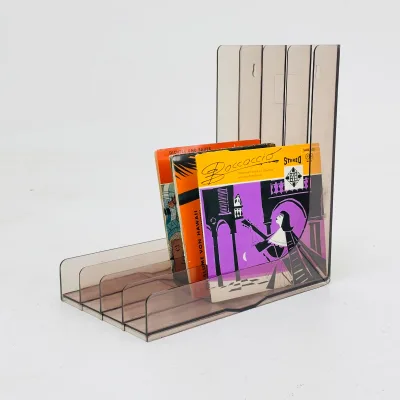
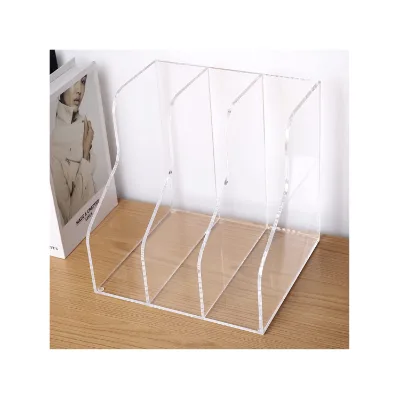
Comprehensive Sourcing Guide
Recyclable Acrylic File Organizer Sourcing Guide
Sourcing clear acrylic file organizers requires careful attention to material composition and structural integrity, as these factors directly impact durability and aesthetic appeal in office environments. Buyers must distinguish between standard PMMA acrylic and alternative plastics like polylactic acid, ensuring the selected material meets specific transparency and strength requirements for daily use. The observed market data indicates a strong preference for single-tier, stackable designs that maximize desk space while maintaining a professional, business-oriented style.
Procurement teams should verify that the chosen organizer aligns with the intended office space, focusing on dimensions that fit standard desk configurations without obstructing workflow. The availability of customization options, including color and branding, allows companies to maintain visual consistency across workspaces. However, buyers must confirm whether the "recyclable" claim applies to the entire product or specific components, as this affects end-of-life disposal strategies and corporate sustainability reporting metrics.
Product Scope and Observed Listing Signals
The current market landscape for acrylic file organizers reveals a diverse range of product specifications, with observed prices varying significantly based on material thickness and manufacturing techniques. Listings indicate a price range from $0.23 to $31.70, reflecting differences in quality, such as handmade versus lacquered finishes, and varying single package weights. Buyers should note that while some products are marketed as universal, specific dimensional tolerances and gross weights can vary, necessitating a review of individual product datasheets before bulk ordering.
Minimum order quantities (MOQs) typically range from 1 to 1000 pieces, with many suppliers requiring a minimum of 500 pieces for standard orders. This structure favors larger enterprises or those willing to consolidate orders to achieve better unit economics. Additionally, the availability of samples within a week provides a critical opportunity for quality assessment, allowing procurement teams to evaluate the "sturdy and see-through" attributes firsthand before committing to larger production runs.
Technical Specifications to Verify
Dimensional accuracy is paramount when sourcing acrylic organizers, as even minor deviations can affect stackability and shelf fit. Buyers must verify that the product dimensions, such as the commonly observed 12.2 x 5.51 x 9.84 inches, align with their storage needs. It is crucial to check the dimensional tolerance, which may be specified as less than ±5mm or tighter at ±1mm, depending on the manufacturer’s precision capabilities. Confirming these tolerances ensures that multiple units will stack uniformly without wobbling or misalignment.
Material thickness is another critical technical parameter, with observed specifications ranging from 3 to 5mm. Thicker acrylic generally offers greater durability and resistance to cracking, which is essential for heavy document loads. Buyers should also verify the plastic type, distinguishing between PMMA, which offers high clarity and rigidity, and other variants like polylactic acid. Ensuring the correct material specification prevents unexpected brittleness or yellowing over time, preserving the organizer’s professional appearance.
Compliance and Safety Documentation
While specific certification statuses are not universally provided in general listings, buyers must request relevant safety and material compliance documentation from suppliers. This includes verifying that the acrylic material is free from harmful substances such as BPA, especially if the organizers will be used in environments with frequent hand contact. Procurement teams should ask for Material Safety Data Sheets (MSDS) to confirm the chemical composition and ensure the product meets international safety standards for office furniture accessories.
Environmental claims, such as recyclability, require substantiation through recognized standards or lifecycle assessments. Buyers should inquire about the end-of-life processing options for the acrylic material, ensuring that the disposal method aligns with corporate sustainability goals. Additionally, verifying that the manufacturing process adheres to environmental management standards can provide assurance that the product’s production footprint is minimized, supporting broader ESG initiatives within the organization.
Cost Drivers and Commercial Terms
Several factors influence the final cost of acrylic file organizers, including material selection, manufacturing techniques, and packaging requirements. Handmade products may carry a premium due to labor intensity, while lacquered finishes add value through enhanced durability and aesthetic appeal. Buyers should also consider the cost implications of customization, such as OEM branding, which typically requires a higher MOQ of 1000 pieces or more, impacting initial capital expenditure.
Packaging plays a significant role in total landed cost, with options ranging from individual boxes to cartons. The single gross weight of approximately 2.5 kg per unit affects shipping costs, particularly for international orders. Buyers should negotiate clear commercial terms regarding sample fees, which are often provided within a week, and clarify whether these fees are deductible from the final bulk order. Understanding these cost drivers helps in creating a more accurate budget and avoiding unexpected expenses during the procurement process.
Supplier Qualification and Quality Control
Evaluating supplier capability is essential to ensure consistent quality and reliable delivery of acrylic file organizers. Buyers should verify the supplier’s place of origin, with many manufacturers located in regions like Zhejiang, China, known for plastic product manufacturing. Assessing the supplier’s production capacity and quality control processes, including weight tolerance checks of less than ±5%, ensures that each unit meets the specified standards. Requesting references or case studies from previous clients can provide additional insight into the supplier’s reliability.
Quality control should extend to the inspection of packaging and labeling, ensuring that each unit is protected against damage during transit. Buyers should confirm that the supplier offers adequate warranty or return policies for defective items, particularly given the fragile nature of acrylic materials. Establishing a clear communication channel for addressing quality issues promptly helps maintain supply chain continuity and minimizes disruptions to office operations.
Long-Term Procurement Checks
Sustainable sourcing practices require ongoing monitoring of supplier performance and product lifecycle impacts. Buyers should regularly review supplier adherence to environmental claims, ensuring that the "recyclable" attributes remain valid as materials and processes evolve. Establishing a periodic audit schedule helps verify that quality standards, such as dimensional and weight tolerances, are consistently met over time, preventing drift in product specifications.
Building a long-term relationship with qualified suppliers can lead to better pricing and priority service, but it requires continuous evaluation of market trends and alternative options. Buyers should stay informed about advancements in acrylic technology, such as improved recycling methods or new material formulations, to ensure their procurement strategy remains competitive and sustainable. Regularly updating supplier qualification criteria helps maintain a robust supply chain that supports the organization’s operational and environmental goals.
FAQs
What material is the acrylic file organizer made of?
The product is primarily constructed from PMMA, also known as acrylic or plastic. This material choice ensures the organizer is sturdy and see-through, providing a clear view of stored documents. The single-tier design utilizes this durable plastic to maintain structural integrity while offering a sleek, business-style appearance suitable for office environments.
What are the dimensions of the acrylic file organizer?
The standard specification measures 12.2 by 5.51 by 9.84 inches, which converts to approximately 30.99 by 14 by 24.99 centimeters. The single package size is listed as 34 by 17 by 28 cm. The thickness of the acrylic sheets ranges from 3 to 5 mm, ensuring a robust structure for daily office use.
Can I customize the acrylic file organizer for my brand?
Yes, customization is available for orders above 1000 pieces. Buyers can request OEM services to tailor the product to their specific branding needs. The manufacturer supports customized designs, allowing for unique styling or logo integration. This option is ideal for businesses seeking branded office supplies in larger volumes.
What is the minimum order quantity for this product?
The minimum order quantity is 500 pieces for standard orders. However, for OEM customization services, the requirement increases to above 1000 pieces. This tiered MOQ structure allows buyers to start with smaller standard batches or commit to larger volumes for personalized branding solutions.
How long does it take to receive a sample?
Samples are provided within one week. This lead time allows buyers to evaluate the product quality, material thickness, and finish before committing to a larger purchase. The sample process supports informed decision-making for office desk organizers, ensuring the item meets specific functional and aesthetic requirements.
Where is the acrylic file organizer manufactured?
The product originates from Zhejiang, China. This location is a known hub for plastic and acrylic manufacturing, supporting efficient production and logistics. The place of origin indicates the supply chain base, which may influence shipping times and cost structures for international buyers sourcing office organizers.