Source Low-Fat Vaginal Probiotics Powder for Health
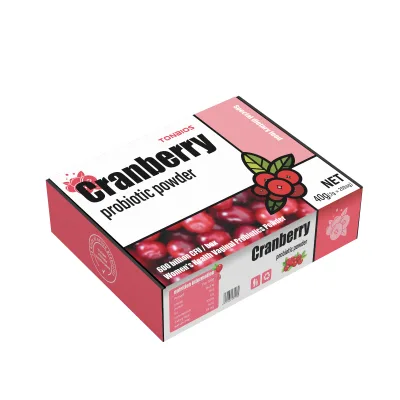
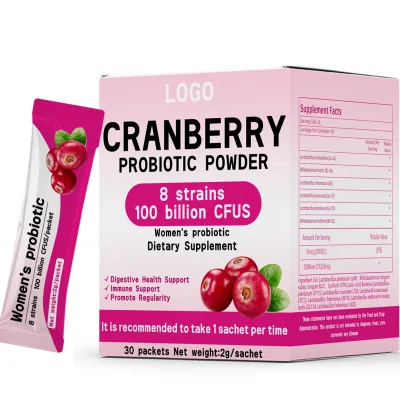
Find 30 verified suppliers of Low-Fat Vaginal Probiotics Powder for women's health, cosmetic formulations, and dietary supplements. Compare specifications including CFU counts, certifications like GMP and ISO, and packaging options to identify the right manufacturer for your bulk sourcing needs.
Key considerations
Products List









Comprehensive Sourcing Guide
Low-Fat Vaginal Probiotics Powder Sourcing Guide
Procurement teams must first distinguish between general probiotic formulations and specialized low-fat vaginal strains, as the supplied data indicates a broad spectrum of applications including weight reduction and blood pressure management. While the observed listings confirm the availability of Lactobacillus Crispatus and other strains, buyers must verify that specific products are explicitly formulated for vaginal health rather than general wellness or cosmetic purposes. The presence of high-potency variants and adjustable tastes suggests a flexible manufacturing base, yet the critical requirement for strain genetic identification remains the primary filter for selecting a viable vaginal product.
Buyers should scrutinize the nutrient composition and active substance content to ensure the final powder meets the specific low-fat profile required for sensitive mucosal applications. The observed data lists active substance contents ranging from over 90% to specific ranges like 31% to 60%, which necessitates a clear definition of the target potency before engaging suppliers. Since the product origin is consistently listed as China, specifically Shanghai, sourcing teams must account for regional manufacturing capabilities while ensuring the selected strain aligns with the intended physiological function of the vaginal microbiome.
Product Scope and Observed Listing Signals
The market signals indicate a diverse inventory where probiotic powders are marketed for multiple functions, including hypnosis, hangover relief, and cosmetology, which complicates the identification of pure vaginal health solutions. Buyers must carefully parse product descriptions to isolate strains like Lactobacillus Crispatus that are scientifically relevant to vaginal flora, distinguishing them from general protein or weight-loss supplements that may share similar packaging or certification profiles. The observed appearance of beige powder and adjustable taste profiles suggests a versatile raw material base, but the specific application guidelines must be confirmed to avoid purchasing general-purpose probiotics unsuitable for intimate health.
Shelf life and storage requirements present a significant logistical variable, with observed data showing ranges from six months to over two years and storage methods varying between frozen and normal conditions. For vaginal probiotics, maintaining viability is paramount, and the observed requirement for frozen storage in some listings implies a need for cold chain logistics that may not be present in standard dry powder shipments. Procurement teams must verify whether the specific low-fat vaginal product requires immediate frozen transport or if it has been stabilized for ambient storage, as this decision directly impacts the total landed cost and supply chain complexity.
Technical Specifications to Verify
Technical verification must begin with the enumeration methods and stability study data, as the supplied facts explicitly list these as critical requirements for product validation. Buyers should demand detailed reports confirming the colony-forming units per gram, particularly for high-potency models like the 100 Billion cfu/g standard observed in the data, to ensure the product delivers the intended therapeutic dose. The critical requirement for strain genetic identification is non-negotiable, as it confirms the biological identity of the Lactobacillus Crispatus and prevents the substitution of less effective or irrelevant strains that might be present in generic formulations.
The physical characteristics of the powder, including its appearance as a beige powder and its nutrient composition, must be cross-referenced against the specific low-fat formulation requirements of the buyer. While some listings mention high resistance composite aluminum foil bags and others specify plastic or foam packaging, the integrity of the barrier against moisture and oxygen is essential for preserving the viability of the probiotic strains. Buyers must verify that the packaging material selected for their specific order provides adequate protection for the shelf life duration, whether it is the observed 24 months or the shorter 6 to 12-month window, to prevent degradation during transit and storage.
Compliance and Safety Documentation
Regulatory compliance is a complex landscape where the observed certifications include QS, HACCP, GMP, ISO, and FDA, indicating a high level of manufacturing rigor but requiring specific alignment with the target market's regulations. Buyers must ensure that the supplier holds the specific qualifications, such as ISO/cGMP, BRC, Halal, or Health Canada approval, that are relevant to the destination country for vaginal health products. The presence of clinical studies and patent information in the product attributes suggests a higher tier of product maturity, but these documents must be reviewed to confirm they specifically support the safety and efficacy of the low-fat vaginal strain in question.
Safety documentation must also address the critical requirements for cross-contamination controls and safety studies, which are explicitly noted in the observed product attributes. Since the product is intended for sensitive applications, the buyer must verify that the manufacturing facility adheres to strict hygiene protocols to prevent the introduction of pathogens or allergens into the final powder. The availability of regulatory guidelines and the mention of safety study data support the need for a comprehensive dossier that covers the entire production lifecycle, from raw material sourcing to the final packaging of the probiotic powder.
Cost Drivers and Commercial Terms
Cost structures for low-fat vaginal probiotics are heavily influenced by the active substance content, which varies significantly from 31% to over 90% in the observed listings, directly impacting the price per unit. Buyers should anticipate that higher potency products, such as those with 100 Billion cfu/g, will command a premium price compared to lower concentration formulations, and this variance must be factored into the total cost of ownership. The observed price range of 0.01 to 500 USD reflects this disparity, but the specific cost for a qualified, low-fat vaginal strain will depend on the required purity, the specific strain genetics, and the volume of the order.
Commercial terms are further complicated by the observed minimum order quantity (MOQ) ranges, which span from 1 unit to 300,000 units, creating a wide spectrum of entry barriers for different buyers. Small-scale purchasers may find the lower MOQs accessible, but they must weigh the higher unit cost against the flexibility of smaller batches, while larger buyers can leverage the high-volume capacity to negotiate better pricing. Additionally, the customization availability noted in the attributes allows for tailored formulations, but this service often incurs additional development costs and longer lead times that must be accounted for in the procurement budget.
Supplier Qualification and Quality Control
Supplier qualification requires a rigorous assessment of the manufacturing facility's ability to maintain the critical requirement for strain genetic identification and stability study data support. Buyers should verify that the supplier possesses the necessary qualifications, including ISO, cGMP, and potentially BRC or Halal certifications, to ensure that the production environment meets international standards for health supplements. The observed origin in Shanghai, China, suggests a mature manufacturing hub, but the specific facility's track record with vaginal probiotics and its ability to handle the required storage methods, such as frozen logistics, must be validated through on-site audits or third-party reports.
Quality control processes must be robust enough to handle the critical requirement for cross-contamination controls and the specific nutrient composition of the probiotic powder. Buyers should request detailed quality assurance protocols that cover the entire supply chain, from the initial selection of Lactobacillus Crispatus strains to the final packaging in high-resistance composite aluminum foil bags or other specified materials. The stability of the product over its shelf life, whether 6 months or 24 months, must be guaranteed through ongoing testing, and the supplier should provide evidence of their ability to maintain product integrity under various storage conditions.
Long-Term Procurement Checks
Long-term procurement success depends on establishing a reliable supply chain that can consistently deliver the specific low-fat vaginal probiotic powder with the required potency and genetic identity. Buyers must implement a system for regular re-verification of the strain's genetic identification and stability data to ensure that the product has not drifted from its original specifications over time. The observed shelf life of up to 24 months provides a buffer, but regular testing of incoming batches is essential to confirm that the active substance content remains within the agreed-upon range, particularly for high-potency formulations.
Sustainability and scalability are also critical factors for long-term partnerships, as the observed customization options and high-volume capacity suggest that suppliers can adapt to changing market demands. Buyers should evaluate the supplier's ability to scale production while maintaining the strict quality controls required for vaginal health products, ensuring that the supply remains consistent even as order volumes increase. The availability of clinical studies and patent information indicates a commitment to innovation, which should be leveraged to stay ahead of regulatory changes and maintain a competitive edge in the vaginal health market.
FAQs
What certifications do Low-Fat Vaginal Probiotics Powder suppliers hold?
Suppliers typically hold QS, HACCP, GMP, and ISO certifications. Additional qualifications may include BRC, Halal, and Health Canada approval. Some manufacturers also provide NSF-GMP, NOP, ISO22000, ISO9000, and FDA compliance. These credentials ensure adherence to strict quality and safety standards for probiotic production and handling.
How is the active substance content defined in these powders?
The content of active substances is generally greater than 90% for high-potency formulations. Some specific models may contain between 31% and 60% active ingredients. The product model LR-G100 specifies a potency of 100 billion CFU per gram, ensuring high efficacy for targeted health applications.
Can the taste and appearance of the powder be customized?
Yes, customization is available for both taste and appearance. The powder can be formulated to be colorful and flavorful with adjustable taste profiles. This flexibility allows buyers to tailor the product to specific consumer preferences or branding requirements while maintaining the core probiotic functionality and stability.
What packaging materials are used for shipping Low-Fat Vaginal Probiotics Powder?
Packaging options include high resistance composite aluminum foil bags, plastic bags, and canisters. Some shipments use foam plus paper cartons or foam boxes with ice bags for temperature control. The standard packing often involves form plus paper cartons, ensuring product integrity during transit and storage.
What is the shelf life and storage requirement for this product?
Shelf life ranges from six months to over twenty-four months depending on the specific model. Storage methods vary, with some products requiring frozen conditions while others are stored normally. Stability study data supports these durations, ensuring the probiotics remain effective throughout the specified period under recommended storage conditions.
Which strains are identified in the Lactobacillus Crispatus powder?
The product explicitly contains Lactobacillus Crispatus as a key ingredient. Strain genetic identification is a critical requirement to ensure authenticity and efficacy. The powder is also known as Lactobacillus Powder and is designed to support specific health guidelines, with clinical studies and patents backing its qualified status.