Find Low Retention Disposable Filter Tips for labs, clinics, and research
Source 30 options for Low Retention Disposable Filter Tips designed for laboratory, clinical, and research applications. Buyers can compare specifications such as volume, sterility, and filtration pore size from verified Chinese manufacturers.
Key considerations
Products List


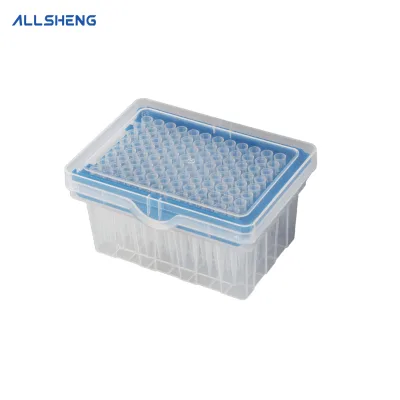
Laborotary Supplies Filter Tips Pipette Tips Disposable Rnase/Dnase Free Hot Sale
$0.01 - $0.06
MOQ: 9600 Pieces


Siny ISO Approved 10UL 200UL 1000UL Tip Disposable Pipette Tips with Filter
$0.01 - $0.01
MOQ: 10000 Pieces




Assorted Colors Smoking Mouthtips Mouth Tips Rolling Paper Filter Tips
$0.05 - $0.10
MOQ: 10000 Pieces


Comprehensive Sourcing Guide
Strategic Sourcing Guide for Low Retention Disposable Filter Tips
Understanding Technical Specifications and Volume Ranges
When sourcing Low Retention Disposable Filter Tips, the primary objective is to identify products that minimize sample loss during liquid handling, a critical factor in sensitive biological and chemical assays. The core technical differentiator for these tips lies in their internal surface chemistry and physical geometry, which are engineered to reduce adhesion of hydrophobic or viscous samples. Based on available market data, these tips are frequently manufactured from rubber or plastic materials, ensuring durability while maintaining the necessary flexibility for pipetting operations. The volume capacity is a fundamental specification that dictates the tip's utility; observed product models indicate a wide range of capacities, specifically including 10UL, 100UL, 200UL, and 1000UL configurations. Buyers must verify that the specific model number aligns with their pipette brand and volume requirements, as models such as 21-0200, 20-0200, 23-0011-1001S, and 23-0051S represent distinct sizing and feature sets within the catalog.
The filtration mechanism is another critical technical attribute. High-performance filter tips incorporate a barrier to prevent aerosol contamination from entering the pipette shaft. The supplied data indicates that these filters are typically constructed from Ultra-High Molecular Weight Polyethylene (UHMWPE). A specific pore size of 0.22um is noted in several product specifications, a standard dimension that effectively blocks particulate matter and microorganisms. This pore size is essential for maintaining the sterility of the sample and the integrity of the pipetting instrument. Furthermore, the "low retention" characteristic is often an optional feature rather than a standard baseline for all tips in a category. Procurement teams must explicitly confirm the presence of low retention coatings or surface treatments, as standard tips may exhibit higher adsorption rates for proteins and nucleic acids. The color of the tips is also a specification to consider; observed listings describe the tips as having a natural clear color, which aids in visual inspection of liquid levels and potential contamination.
Compliance, Certification, and Regulatory Standards
Navigating the regulatory landscape is paramount for laboratory equipment procurement, particularly when dealing with consumables used in research and diagnostic settings. The supply chain for these tips often originates from manufacturing hubs in China, specifically Changzhou City in Jiangsu Province. Buyers should verify that the supplier holds recognized certifications that validate their quality management systems and product safety. Common certifications observed in this sector include ISO, CE, and FDA approvals. The presence of ISO 9001 indicates adherence to general quality management principles, while ISO 13485 is the specific standard for medical device quality management, which is highly relevant for laboratory consumables used in clinical or high-stakes research environments. Additionally, RoHS certification may be present, ensuring that the materials used do not contain restricted hazardous substances, which is increasingly important for environmental compliance and workplace safety.
Sterility is a non-negotiable attribute for many applications involving cell culture or molecular biology. The data confirms that these tips are available in sterile configurations, often achieved through gamma irradiation. This process ensures the elimination of viable microorganisms without the use of chemical residues that could interfere with sensitive assays. Buyers must distinguish between sterile and non-sterile options, as the cost and lead time for gamma-sterilized products will differ. Furthermore, the tips are frequently marketed as DNase and RNase free, a critical specification for nucleic acid work. The presence of these enzymes can degrade RNA and DNA samples, leading to failed experiments. Verification of this attribute is essential; buyers should request documentation confirming that the tips have been tested and certified as free from these specific nucleases. The combination of being non-pyrogenic and DNase/RNase free creates a robust profile for high-sensitivity applications, ensuring that the consumable itself does not introduce biological contaminants.
Cost Drivers and Pricing Dynamics
The pricing structure for Low Retention Disposable Filter Tips is influenced by a complex interplay of factors, including material costs, certification requirements, and order volume. While specific unit prices are not fixed in the provided data, the observed market range for these products spans from 0 to 30 USD, reflecting the variability in order quantities and product specifications. The Minimum Order Quantity (MOQ) is a significant cost driver, with observed ranges extending from as low as 5 units to as high as 10,000,000 units. This wide variance suggests that suppliers offer flexible purchasing terms, catering to both small research labs and large-scale industrial manufacturers. For smaller orders, the unit cost is typically higher due to the fixed costs of packaging and logistics. Conversely, bulk purchasing can significantly reduce the per-unit cost, making it a viable strategy for institutions with high consumption rates.
Packaging specifications also play a role in the overall cost and logistics. Tips are commonly packed in cartons, with configurations such as 96 pieces per rack and 50 racks per case, or 100 racks per case. The efficiency of this packaging directly impacts shipping costs and storage requirements. Buyers should calculate the total cost of ownership, including the cost of the tips, shipping fees, and storage space, rather than focusing solely on the unit price. The "competitive" pricing mentioned in product attributes suggests that the market is dynamic, with suppliers vying for market share through price adjustments. However, buyers should be cautious of prices that seem abnormally low, as they may indicate compromised quality or a lack of necessary certifications. The inclusion of optional features like low retention technology adds to the manufacturing complexity and, consequently, the price. Therefore, a cost-benefit analysis is necessary to determine if the premium for low retention tips is justified by the reduction in sample loss and the improvement in experimental reproducibility.
Typical Applications and Usage Scenarios
The versatility of Low Retention Disposable Filter Tips makes them suitable for a broad spectrum of laboratory applications. These tips are designed for use by laboratory operators in settings ranging from academic research institutions to pharmaceutical manufacturing facilities. The primary application is in liquid handling where sample integrity is paramount. The DNase and RNase-free properties make these tips indispensable for molecular biology techniques such as PCR, qPCR, and next-generation sequencing, where the presence of nucleases can lead to false negatives or data degradation. Similarly, the non-pyrogenic nature of the tips is crucial for cell culture work, where pyrogens can trigger immune responses in cell lines and compromise experimental results.
The filter component, with its 0.22um pore size, is specifically designed to prevent cross-contamination between samples. This is particularly important in high-throughput screening environments where a single contaminated pipette tip can ruin an entire plate of samples. The low retention feature is especially beneficial when working with precious or limited samples, such as those derived from rare biological tissues or expensive chemical reagents. By minimizing the amount of liquid that adheres to the inner walls of the tip, these consumables ensure that the maximum volume of the sample is transferred, thereby improving the accuracy and precision of the assay. The universal design of many models allows them to be compatible with a wide range of pipette brands, offering flexibility to laboratories that utilize multiple pipetting systems. The "labrotary drop tube" application mentioned in the data further highlights their utility in general liquid transfer tasks where contamination control is necessary.
Supplier Evaluation and Quality Control Protocols
Selecting a reliable supplier for Low Retention Disposable Filter Tips requires a rigorous evaluation process that goes beyond simple price comparison. Buyers should prioritize suppliers who can provide comprehensive documentation regarding their manufacturing processes and quality control measures. The origin of the product, specifically Changzhou, Jiangsu, China, is a known manufacturing hub, but the specific facility's capabilities must be verified. Key evaluation criteria include the supplier's ability to provide batch-specific test reports for sterility, DNase/RNase-free status, and pyrogen levels. The presence of certifications like ISO, CE, and FDA should be validated through official documentation rather than relying on marketing claims.
Quality control should be an ongoing partnership rather than a one-time check. Buyers should inquire about the supplier's sampling plans and acceptance criteria. For instance, the supplier should have a defined protocol for checking the pore size of the filters and the integrity of the low retention coating. The packaging process is also a critical quality control point; tips must be packed in a way that maintains their sterility and prevents physical damage during transit. The observed packing standards, such as 96 pieces per rack and 50 racks per case, should be consistent and robust. Additionally, the delivery time, noted as 20-25 days in some contexts, should be factored into the procurement timeline. Buyers should assess the supplier's ability to meet lead times consistently, as delays can disrupt critical research schedules. The option for air or sea shipping provides flexibility, but the choice should be based on the urgency of the order and the cost implications.
Long-Term Procurement Considerations and Inventory Management
Sourcing Low Retention Disposable Filter Tips is not merely a transactional activity but a strategic decision that impacts long-term laboratory efficiency and budget management. One of the primary considerations is the scalability of the supply. Given the wide range of MOQs, from 5 to 10,000,000 units, buyers must align their ordering strategy with their consumption rates. For high-volume users, establishing a long-term contract with a supplier can ensure price stability and consistent availability. However, for smaller labs, the flexibility to order in smaller quantities without incurring excessive per-unit costs is equally important.
Inventory management is another critical aspect. The shelf life of sterile, low retention tips is finite, and improper storage can degrade their performance. Buyers should ensure that the supplier provides clear instructions on storage conditions and that the packaging is designed to protect the tips from environmental factors. The "1000/bag, 2 bags/pack, 5 packs/case" configuration suggests a modular approach to storage, which can be advantageous for organizing inventory by volume or application. Furthermore, the universal nature of the tips reduces the need for multiple SKUs, simplifying inventory tracking and reducing the risk of stockouts.
Finally, buyers should consider the potential for future product evolution. As technology advances, new materials or coating technologies may emerge that offer even lower retention or better filtration capabilities. Maintaining a relationship with a supplier who is invested in research and development can provide early access to these innovations. The "competitive" pricing and "excellent" quality attributes observed in the market suggest a dynamic environment where suppliers are continuously striving to improve their offerings. By staying informed about these developments and maintaining a flexible procurement strategy, laboratories can ensure they are always equipped with the best tools for their specific needs, ultimately enhancing the quality and reliability of their scientific output.
FAQs
What certifications do Low Retention Disposable Filter Tips have?
These tips commonly hold ISO, CE, and FDA certifications. Some listings also include RoHS compliance. Buyers should verify specific batch documentation to confirm these standards are met for their regulatory requirements.
How are the filters constructed in these tips?
The filters are made of UHMWPE with a pore size of 0.22um. This construction effectively blocks particulate matter and microorganisms. It ensures sample integrity by preventing aerosol contamination from entering the pipette shaft during use.
Can I order these tips in sterile configurations?
Yes, sterile options are available and often achieved through gamma irradiation. This process eliminates microorganisms without chemical residues. Buyers must distinguish between sterile and non-sterile options as costs and lead times differ significantly.
Which volume capacities are available for these tips?
Available volumes include 10UL, 100UL, 200UL, and 1000UL configurations. Specific models like 21-0200 or 23-0011-1001S correspond to these sizes. Users must verify the model number aligns with their specific pipette brand requirements.
Are these tips free from DNase and RNase?
Yes, many products are explicitly marked as DNase and RNase free. This is critical for molecular biology applications like PCR. Buyers should request documentation confirming the tips have been tested to ensure they do not degrade nucleic acid samples.
What is the typical packaging configuration for these tips?
Tips are typically packed in cartons with 96 pieces per rack. Cases often contain 50 or 100 racks depending on the supplier. This packaging standard helps maintain sterility and reduces physical damage during transit and storage.
Can customization be requested for these filter tips?
Customization is available for many of these products. Buyers can often request specific modifications to meet unique laboratory needs. It is essential to discuss specific requirements with the supplier to confirm feasibility and impact on lead time.
Where are these filter tips typically manufactured?
Most products originate from Changzhou City, Jiangsu Province, China. This region is a known manufacturing hub for laboratory consumables. Buyers should verify the specific facility capabilities and quality control measures of the supplier in this location.