Source M8 Fuel Injector Return Connector for Diesel Systems
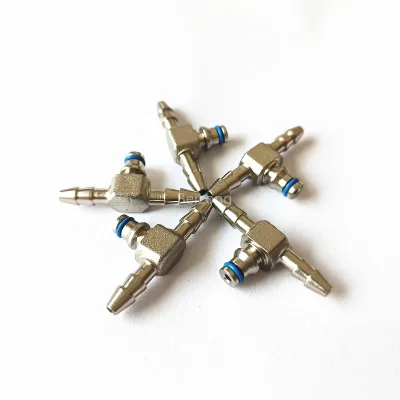
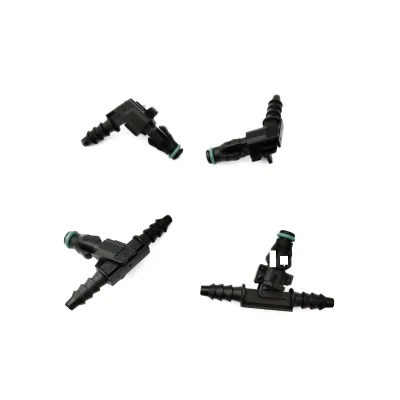
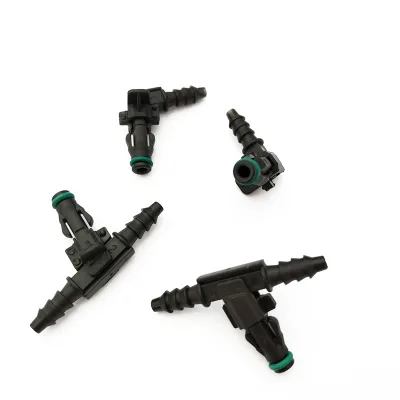
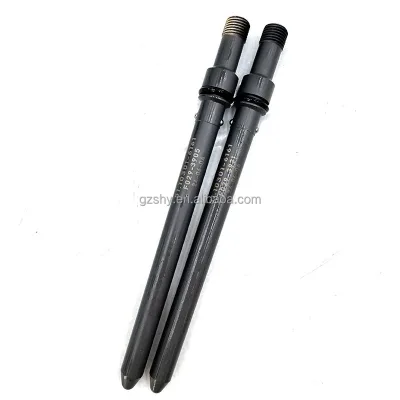
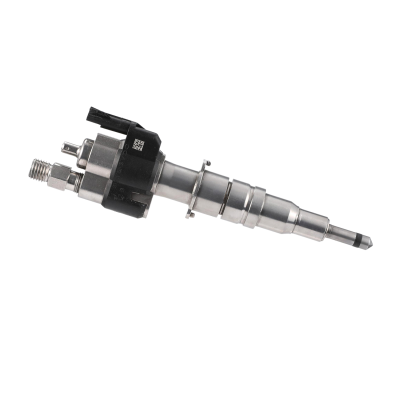
Find and compare 30 listings for the M8 Fuel Injector Return Connector, including T-type and L-type leak-off variants. Evaluate specifications such as steel and plastic body materials, female connections, and origin locations in China to select the right component for your diesel fuel return line applications.
Key considerations
Products List







Comprehensive Sourcing Guide
M8 Fuel Injector Return Connector Sourcing Guide
Procuring M8 fuel injector return connectors requires a disciplined approach to technical verification and supplier qualification, particularly when sourcing from global manufacturing hubs. These components serve as critical junctions in diesel fuel systems, managing the return flow of excess fuel from injectors back to the tank or pump. Buyers must navigate a market characterized by diverse material compositions, varying connection types, and specific origin profiles, primarily concentrated in regions like Hebei and Zhejiang provinces in China. The complexity arises not just from the mechanical interface but from the need to ensure compatibility with specific engine codes, such as the 110 series injectors, and adherence to international standards like SAE J2044 or JIS.
This guide provides a structured framework for evaluating listings, verifying technical specifications, and assessing commercial terms. It focuses on transforming raw product data into actionable procurement decisions, ensuring that the selected connectors meet the rigorous demands of diesel fuel systems. By adhering to the evidence-based observations provided, buyers can mitigate risks associated with non-compliant parts, supply chain disruptions, and quality inconsistencies. The following sections detail the essential steps for validating product scope, technical integrity, compliance documentation, cost structures, supplier reliability, and long-term performance.
Product Scope and Observed Listing Signals
The current market landscape for fuel system components reveals a wide spectrum of product types, ranging from simple pipe connectors to complex multi-way valves. Listings often include items labeled as "2 Way" or "3 Way" connectors, which may indicate directional flow control or multi-port integration capabilities. Additionally, specific models such as "2894829" and "F00ZR20017" appear in the data, suggesting that buyers should cross-reference these part numbers with original equipment manufacturer (OEM) specifications to ensure exact fitment. The presence of "T Type" and "L Type" leak-off connectors further highlights the variety of geometric configurations available, each suited for different spatial constraints within the engine bay.
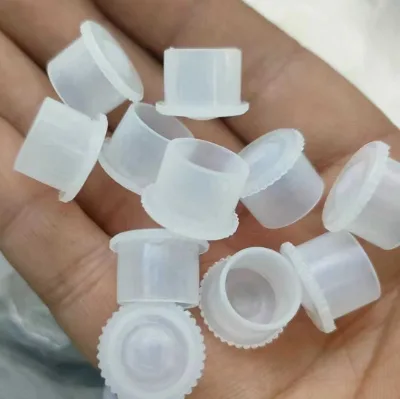
Material composition is a key differentiator among observed listings, with options including steel bodies and plastic variants. Steel components are typically associated with higher durability and heat resistance, suitable for heavy-duty diesel applications, while plastic options may offer cost advantages and corrosion resistance for less demanding environments. The observed "Black" coloration and "Without Treatment" surface finish on some items suggest a baseline industrial grade, whereas other listings may imply additional protective coatings. Buyers must carefully distinguish between these material attributes to align the connector's physical properties with the operational environment of the target engine system.
Technical Specifications to Verify
Verifying the dimensional and functional specifications of the M8 connector is paramount to ensuring system integrity. The data indicates a diameter of 10 mm for certain pipe connectors, which must be matched against the injector return line's internal and external dimensions. Connection types, such as "Female" interfaces, require precise measurement to prevent leaks or improper seating. Furthermore, the "Multi-cylinder" attribute associated with some fuel injection devices suggests that the connectors must withstand the pressure fluctuations and thermal cycles inherent in multi-engine configurations. Buyers should request detailed engineering drawings or CAD files to confirm that the M8 thread pitch and connector length align with their specific assembly requirements.
Standardization plays a crucial role in the interchangeability and performance of these components. Listings reference standards such as SAE J2044 and JIS, which govern the mechanical and performance characteristics of fuel system fittings. The "1555" and "9X7X4 cm" dimensions noted in some entries likely refer to packaging or specific component footprints rather than the connector itself, necessitating clarification from the supplier. Additionally, the "Electronic" fuel saver type and "Horizontal Draught" carburettor type mentioned in broader product categories may influence the electrical or airflow requirements if the connector integrates with sensor systems. Buyers must ensure that the selected M8 connector does not interfere with adjacent components and maintains the required clearance for maintenance access.
Compliance and Safety Documentation
Compliance with international standards is essential for ensuring the safety and reliability of fuel system components. The presence of ISO TS certification for fuel injection devices indicates a baseline level of quality management in the manufacturing process, which buyers should verify for the specific connector supplier. Documentation should include material safety data sheets (MSDS) and certificates of conformity (CoC) to confirm that the materials used, whether steel or plastic, are compatible with diesel fuel and do not degrade over time. Buyers must also ensure that the connectors meet relevant environmental regulations, particularly regarding the use of restricted substances in plastic components.
Safety considerations extend to the operational integrity of the connector under pressure and temperature variations. The "Diesel" fuel type specification implies that the connector must resist chemical attack and maintain seal integrity under high-pressure conditions. Buyers should request test reports or validation data that demonstrate the connector's performance under simulated operating conditions. Additionally, the "New" condition of the products suggests that buyers should avoid refurbished or remanufactured parts unless explicitly specified, as these may have compromised structural integrity. Ensuring that the supplier provides comprehensive documentation helps in auditing the supply chain and maintaining compliance with industry safety standards.
Cost Drivers and Commercial Terms
Understanding the cost drivers and commercial terms is vital for effective budgeting and negotiation. The observed price range of 0.01 to 1000 USD reflects the diversity in product complexity, material quality, and order volume. Minimum order quantities (MOQ) vary significantly, from 1 PCS for sample or low-volume needs to 500 PCS for bulk procurement, impacting the unit cost and inventory management strategy. Buyers should consider the total cost of ownership, including shipping, tariffs, and potential rework costs, rather than focusing solely on the unit price. The "Vovt" and "Carton" packing methods may influence handling costs and protection during transit, affecting the overall logistics expense.
Lead times and payment terms are critical components of the commercial agreement. The estimated delivery time (ETD) of 3-7 work days suggests a relatively fast turnaround for standard items, but buyers should confirm this with the supplier, especially for customized or high-volume orders. The "Available" customization option indicates that suppliers may offer tailored solutions, which could incur additional costs and longer lead times. Buyers should negotiate clear terms regarding quality acceptance, return policies, and liability for defects. Understanding these commercial dynamics allows for more accurate forecasting and risk mitigation in the procurement process.
Supplier Qualification and Quality Control
Supplier qualification is a critical step in ensuring the reliability of the M8 fuel injector return connectors. Buyers should verify the supplier's manufacturing capabilities, including their production capacity, quality control processes, and certification status. The origin of the products, primarily from Hebei and Zhejiang provinces in China, provides context for the manufacturing ecosystem, but buyers must conduct due diligence to ensure that the specific supplier meets international quality standards. Requesting factory audits or third-party inspection reports can provide valuable insights into the supplier's operational practices and commitment to quality.
Quality control measures should be integrated into the procurement process to minimize the risk of receiving defective parts. Buyers should establish clear acceptance criteria based on the technical specifications and standards identified earlier. Implementing incoming inspection protocols, such as dimensional checks and material verification, can help detect issues early in the supply chain. Additionally, maintaining open communication with the supplier regarding any quality concerns allows for timely corrective actions. Building a robust quality control framework ensures that the connectors meet the required performance standards and reduces the likelihood of field failures.
Long-Term Procurement Checks
Long-term procurement success depends on continuous monitoring and evaluation of supplier performance and product quality. Buyers should establish key performance indicators (KPIs) to track metrics such as on-time delivery, defect rates, and responsiveness to issues. Regular reviews of these metrics help identify trends and areas for improvement, allowing for proactive management of the supply chain. Additionally, staying informed about changes in industry standards and regulations ensures that the procured connectors remain compliant and suitable for evolving engine technologies.
Building a resilient supply chain involves diversifying suppliers and maintaining strategic relationships with key partners. Buyers should consider qualifying alternative suppliers to mitigate the risk of supply disruptions. Regularly updating the technical specifications and requirements based on feedback from engineering and maintenance teams ensures that the procured components continue to meet operational needs. By adopting a proactive and data-driven approach to procurement, buyers can secure a reliable supply of M8 fuel injector return connectors that support the long-term reliability and efficiency of their diesel fuel systems.
FAQs
What certifications are available for fuel injection devices?
Some products carry ISOTSComponent certification for fuel injection devices. This certification applies to specific models and should be verified against the actual item listing before purchase.
Can I request customization for these diesel fuel connectors?
Customization is available for many of the listed diesel fuel connectors. Buyers should confirm specific requirements with the supplier as not all items may support custom modifications.
What is the typical lead time for delivery?
The estimated delivery time is 3 to 7 work days for certain items. This timeframe depends on the specific product model and current supplier availability.
Which materials are used for the connector bodies?
Connector bodies are commonly made of steel or plastic depending on the model. Specific material selection varies by product code and intended application such as leak off pipes.
What is the minimum order quantity for these parts?
Minimum order quantities range from 1 piece to 500 pieces based on the specific product. Some items require a bulk order of 500 pieces while others allow single unit purchases.
Where are these fuel connectors manufactured?
Products originate from China, specifically Hebei Province and Zhejiang Province. The exact location depends on the specific manufacturer and product model selected.